
Are you tired of looking at your old, lackluster lawn? Do you dream of having a lush, vibrant green space that invites relaxation and entertainment? If so, it might be time to consider replacing your old lawn with a new one. But where do you start? A healthy new lawn requires careful planning, research, and installation, but don’t worry – we’ve got you covered. In this step-by-step guide, we’ll walk you through the process of identifying the signs of an aging lawn, choosing the right type of grass for your climate and lifestyle, and installing a beautiful new lawn that will make all your neighbors jealous. We’ll also share expert tips on maintenance to ensure your new lawn stays healthy and thriving for years to come.
Assessing the Need for a New Lawn
Before starting any lawn replacement project, you need to assess whether your current lawn is still functional and if it’s time for a new one. This involves evaluating its condition and overall health.
Identifying Signs of an Aging Lawn
A well-manicured lawn can boost your home’s curb appeal and provide a serene outdoor space for relaxation. However, over time, lawns can deteriorate due to various factors such as soil degradation, lack of maintenance, or inadequate watering. Identifying the signs of an aging lawn is crucial in determining whether it needs replacement.
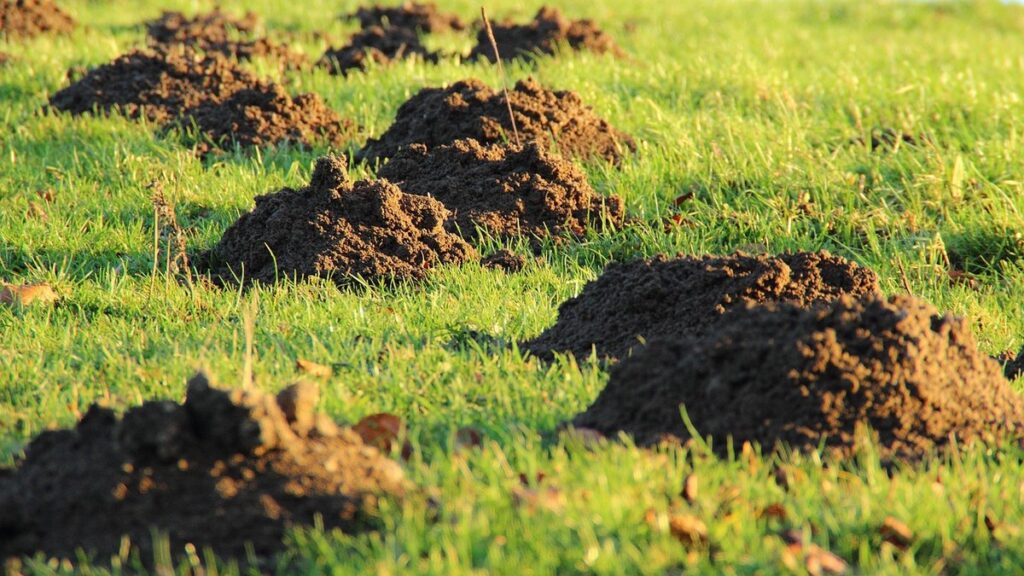
One common sign of an aging lawn is thinning, where the grass becomes sparse and weak. This can be caused by excessive foot traffic, poor mowing practices, or diseases such as fungal infections. Patchy areas are another indication that your lawn may need attention. These patches can appear due to pests like white grubs or chinch bugs, which feed on the roots of the grass.
Excessive weeds are also a sign of an aging lawn. Weeds thrive in lawns with poor soil quality, inadequate watering, or excessive sunlight. If you notice large areas of weeds or if they’re spreading rapidly, it may be time to consider replacing your lawn. To identify these signs, take a walk around your lawn and inspect its condition. Look for areas that are bare, thin, or overgrown with weeds. Take note of any patterns or areas that seem to require extra attention.
Evaluating the Costs and Benefits of Replacement
When evaluating the need for a new lawn, it’s essential to weigh the costs and benefits of replacement against maintaining an existing one. The financial implications of replacing a lawn can be substantial, with costs ranging from $1 to $5 per square foot, depending on the type of grass, soil conditions, and installation methods.
Consider the long-term maintenance costs of your current lawn as well. Factors like water consumption, mowing frequency, and fertilization can add up quickly, with some studies suggesting that homeowners spend around 4-6 hours per week maintaining their lawns during peak growing seasons.
Moreover, an existing lawn may be consuming more resources than you think. For instance, if your lawn is comprised of non-native species, it could require additional water, pesticides, and fertilizers to maintain its health, leading to a higher environmental impact. In contrast, native grasses often require less maintenance and are better suited for the local climate.
Ultimately, replacing an old lawn can offer numerous benefits, including improved aesthetic appeal, reduced maintenance time, and increased property value. However, it’s crucial to carefully consider these factors before making a decision.
Choosing the Right Grass Type for Your Lawn
When it comes to replacing your old lawn, selecting the right type of grass is crucial to achieve a lush and healthy result. This section will help you navigate the options and choose the best fit for your yard’s conditions.
Factors to Consider When Selecting a Grass Type
When selecting a new grass type for your lawn replacement project, there are several key factors to consider. Climate is one of the most important considerations, as different regions have unique weather patterns that can affect the growth and health of your lawn. For example, if you live in a region with high humidity and rainfall, you’ll want to choose a grass type that’s resistant to disease and can thrive in wet conditions.
Soil type is another crucial factor to consider. Different grass types prefer different soil pH levels and textures. If you have heavy clay or sandy soil, for instance, you may need to choose a grass type that’s specifically designed to handle those conditions. Sunlight exposure is also essential, as some grass types require full sun, while others can tolerate partial shade.
Ultimately, your desired texture and color will also play a significant role in your decision-making process. Do you prefer a soft, lush texture or a more rugged, drought-resistant option? Are you looking for a vibrant green color or something more low-maintenance with a natural, beige hue?
Popular Grass Types for Different Regions
When choosing a new grass type for your lawn replacement project, it’s essential to consider the region you’re in and the specific climate conditions. Different regions require different types of grasses that can withstand various temperatures, humidity levels, and sunlight exposure.
For warm-season grasses, popular options include Bermudagrass, Zoysiagrass, and Buffalograss. These grasses thrive in regions with high temperatures and are commonly used in the Southern United States, Hawaii, and other tropical areas. They’re known for their drought tolerance and require less maintenance than cool-season grasses.
In contrast, cool-season grasses like Kentucky Bluegrass, Perennial Ryegrass, and Tall Fescue excel in temperate climates with moderate temperatures and rainfall. These grasses are perfect for regions with cold winters and hot summers, such as the Northeastern United States. Consider your region’s average temperature, precipitation, and sunlight hours when selecting a grass type to ensure optimal growth and health.
Remember to also consider factors like soil type, drainage, and existing vegetation when choosing the right grass type for your lawn replacement project.
Preparing the Site for New Lawn Installation
Before installing a new lawn, it’s crucial to prepare your site properly to ensure a healthy and thriving new lawn. This includes removing debris, leveling the ground, and correcting any drainage issues.
Soil Testing and Preparation
Soil testing is an often-overlooked step in lawn replacement, but it’s crucial to ensure the success of your new grass. The pH level and nutrient content of your soil can greatly impact the health and growth of your lawn. If your soil is too acidic or alkaline, it may not be suitable for certain types of grass, and nutrient deficiencies can stunt growth.
To determine if any amendments are needed, you’ll need to test your soil pH and nutrient levels. You can purchase a DIY testing kit or hire a professional to do the job. Some common nutrients that may need to be added include nitrogen, phosphorus, and potassium (NPK). If your soil is deficient in these nutrients, it may be necessary to apply fertilizers or amendments.
A good rule of thumb is to test your soil at least 4-6 weeks before installing a new lawn. This allows time for any necessary adjustments to be made and for the soil to recover from any changes. By taking this important step, you’ll be setting yourself up for a lush, healthy lawn that requires minimal maintenance.
Removing Old Grass and Debris
Removing old grass and debris from the site is an essential step in preparing it for new lawn installation. Before you begin, make sure to put on some protective gear, including gloves, safety glasses, and a dust mask. This will help prevent injuries and exposure to potential allergens like mold or pollen.
To safely remove old grass, you have two main options: tilling or sod removal. Tilling involves using a garden tiller to loosen and break up the existing lawn, which can be effective but may not completely remove all roots. On the other hand, sod removal requires lifting and removing individual sections of turf, which is more labor-intensive but often yields better results.
Another method you might consider is renting a sod cutter or a power rake, both of which are designed to remove old grass and debris quickly and efficiently. Regardless of the method you choose, be sure to clear the area thoroughly, including any weeds, rocks, or other obstacles that could interfere with new lawn growth.
It’s also important to check your local regulations before starting this process to see if there are any specific requirements for disposing of yard waste.
Installing a New Lawn: Sod vs. Seed vs. Hydroseeding
When it comes time to replace your old lawn, you’ve got three main options: sod, seed, and hydroseeding. Let’s dive into the pros and cons of each method.
Advantages and Disadvantages of Each Method
When deciding on the best method for installing a new lawn, it’s essential to weigh the advantages and disadvantages of each option. Let’s break down the pros and cons of using sod, seed, and hydroseeding.
Sod has several benefits, including an instant green appearance, reduced soil erosion, and quicker establishment times. However, it can be expensive and may not be suitable for lawns with poor drainage or uneven terrain. Additionally, sod often requires more maintenance in the first year after installation.
Seed is a cost-effective option but requires patience as it takes longer to establish a full lawn. Seed also allows for better soil control and can be used on uneven terrain. However, seed may need to be reapplied multiple times before achieving the desired density.
Hydroseeding, on the other hand, offers a balanced approach between sod and seed. It’s often cheaper than sod but faster than seeding. Hydroseeding also allows for excellent soil coverage and can be used on slopes or uneven terrain. Nonetheless, it may require more maintenance in the first year after application, and results can vary depending on weather conditions.
Ultimately, your choice of installation method will depend on your budget, lawn size, climate, and personal preferences. Consider factors like maintenance time, cost, and desired outcome when deciding which method is best for you.
Preparing the Soil for Successful Installation
Before installing new sod, seed, or hydroseed, it’s essential to prepare the soil properly. This step is often overlooked but can make a significant difference in the long-term health and appearance of your lawn.
Grading is the first step in preparing the soil. Ensure the ground is level and even, as uneven areas can lead to water accumulation and erosion. Use a rake or laser level to smooth out any bumps or dips. Remove any debris, rocks, and weeds that could interfere with growth.
Fertilizing the soil is also crucial for successful installation. Test your soil pH and adjust it if necessary. Add a balanced fertilizer to provide essential nutrients like nitrogen, phosphorus, and potassium. Water the area thoroughly after fertilizing to help the nutrients penetrate deeper into the soil.
Proper watering is equally important. Make sure the soil is moist but not waterlogged before installing new sod or seed. A well-prepared soil foundation will set your lawn up for success and ensure a beautiful, lush appearance.
Lawn Care and Maintenance Tips After Replacement
Now that you’ve successfully replaced your old lawn, it’s essential to care for the new one properly. This includes regular maintenance tasks to ensure its health and longevity.
Watering and Fertilization Schedules
After replacing your old lawn, it’s essential to establish a proper watering and fertilization schedule to promote healthy growth. Overwatering can be detrimental to your new lawn, causing shallow root development and making it more susceptible to disease. Aim to water your lawn deeply once or twice a week, depending on weather conditions.
Fertilization is also crucial in the first few months after replacement. A balanced fertilizer with a 10-10-10 N-P-K ratio is recommended for the initial application. However, as your lawn grows and matures, you can switch to a more specialized fertilizer that addresses specific needs such as nitrogen-rich or slow-release formulas.
For example, if you live in a region with high temperatures, consider using a heat-tolerant fertilizer that provides additional benefits like drought resistance. It’s also vital to follow the manufacturer’s instructions for application rates and timing.
To ensure optimal growth, maintain a regular fertilization schedule:
- Apply a starter fertilizer 1-2 weeks after seeding
- Follow up with a balanced fertilizer every 6-8 weeks during the growing season
Mulching and Edging Techniques
Mulching and edging are essential techniques for maintaining the appearance and durability of your new lawn. After replacing your old lawn, it’s crucial to use these techniques to protect the soil, suppress weeds, and retain moisture.
When choosing a mulch, consider using organic materials like wood chips or bark that are environmentally friendly and decompose easily. These materials will not only improve the aesthetic appeal of your lawn but also help retain soil moisture and regulate soil temperature. Apply a 2-3 inch layer of mulch around plants and trees, keeping it at least 6 inches away from trunks to prevent rot.
Edging techniques are equally important for creating clean lines and preventing mulch or grass from spilling onto sidewalks or driveways. Use a sharp edger or lawn mower with an edging attachment to create precise lines. Regularly maintain your edging by inspecting and repairing any damaged areas. By incorporating these simple yet effective techniques, you’ll be able to enjoy a healthy, thriving lawn for years to come.
For best results, use a combination of mulching and edging to enhance the appearance and durability of your new lawn.
Troubleshooting Common Lawn Problems After Replacement
Now that you’ve replaced your old lawn, you might encounter some unexpected issues. This section will walk you through common problems and provide solutions to get your new lawn back on track.
Dealing with Pests, Diseases, and Weeds
After replacing your old lawn, it’s not uncommon for new pests, diseases, and weeds to appear. These unwanted visitors can be challenging to manage, especially if you’re new to lawn care. One of the most common pests is the white grub, which feeds on grass roots, causing damage and killing the lawn.
Another pest that may invade your newly replaced lawn is the chinch bug, which sucks sap from blades, discoloring them. To prevent these pests, maintain a healthy lawn by mowing regularly, watering deeply but infrequently, and using organic fertilizers. If an infestation occurs, apply insecticides according to label instructions.
Diseases such as powdery mildew and rust can also affect your new lawn. These fungal diseases thrive in humid conditions and on stressed lawns. Prevent disease by providing adequate air circulation and watering wisely. If you notice signs of disease, treat with fungicides. Weeds like dandelions, clover, and broadleaf weeds can quickly take over a newly replaced lawn. Use a combination of mulching, mowing high, and using pre-emergent herbicides to control weeds before they spread.
Regularly inspect your lawn for signs of pests, diseases, or weeds. Early detection allows for timely intervention and minimizes damage.
Adjusting Your Maintenance Routine as Needed
As you settle into your newly replaced lawn, it’s essential to be aware that every season and weather pattern can impact its health. The changing seasons bring unique challenges that may require adjustments to your maintenance routine. For instance, during the scorching summer months, lawns typically need more frequent watering, while in the spring, they might benefit from regular fertilization.
Weather patterns like droughts or heavy rainfall also demand attention. In areas with limited water supply, it’s crucial to implement water-saving techniques, such as using a smart sprinkler system or installing rain barrels to collect and reuse rainwater. Conversely, during periods of excessive rainfall, you may need to reduce watering frequency or adjust the type of fertilizer used.
By monitoring your lawn’s response to these seasonal changes, you can fine-tune your maintenance routine accordingly. Start by observing the specific needs of your lawn based on its climate, soil type, and existing vegetation. Then, develop a plan for adjustments as needed throughout the year. This proactive approach will help you address potential issues before they escalate into more severe problems, ensuring your new lawn remains healthy and thriving.
Frequently Asked Questions
What if I’m unsure whether my lawn truly needs replacement, or can it be salvaged with some TLC?
If you’re unsure about the condition of your lawn, consider consulting a professional for an assessment. They can help determine if a new lawn is necessary or if there’s a chance to revive your existing one through revitalization techniques like topdressing, aerating, or over-seeding.
Can I replace my lawn with a mix of different grass types to cater to specific areas of my yard?
Yes, mixing different grass types can be a great way to create a functional and visually appealing landscape. This is known as a “blend” or “hybrid” lawn. However, it’s essential to choose compatible species that share similar growing conditions and maintenance requirements.
How long does it take for a new lawn to establish itself after installation?
The establishment period for a new lawn can vary depending on factors like climate, soil type, and grass species. Generally, it takes anywhere from 6-12 months for a new lawn to mature, with the first few weeks being critical for establishing roots.
Can I install a new lawn during extreme weather conditions (e.g., intense heat or heavy rainfall)?
No, it’s generally recommended to avoid installing a new lawn during periods of extreme weather. This can make it difficult to establish a strong root system and may lead to stress on the newly installed grass. Wait for more favorable conditions before proceeding.
What if I encounter issues with pests, diseases, or weeds after installing my new lawn?
Common problems like pests, diseases, and weeds are inevitable in any lawn. To tackle these issues, focus on integrated pest management (IPM) strategies that combine cultural controls (like watering and mowing), biological controls (using beneficial insects), and chemical controls as a last resort. Regular monitoring and proactive maintenance will also help prevent issues from arising in the first place.