
If you’ve ever noticed holes in your garden structures or seen wood burrowing bees buzzing around, you’re likely wondering how to safely remove them. These beneficial insects may be crucial for pollination, but they can also cause damage to your property if left unchecked. Removing wood burrowing bees from your garden structures requires a multi-faceted approach that includes prevention measures, natural deterrents, and safe trapping techniques. In this article, we’ll walk you through the effective methods of removing these bees while minimizing harm to yourself and the environment. We’ll also cover how to coexist with them and protect your property, ensuring that you can enjoy the benefits of these beneficial insects without the drawbacks. Let’s get started!
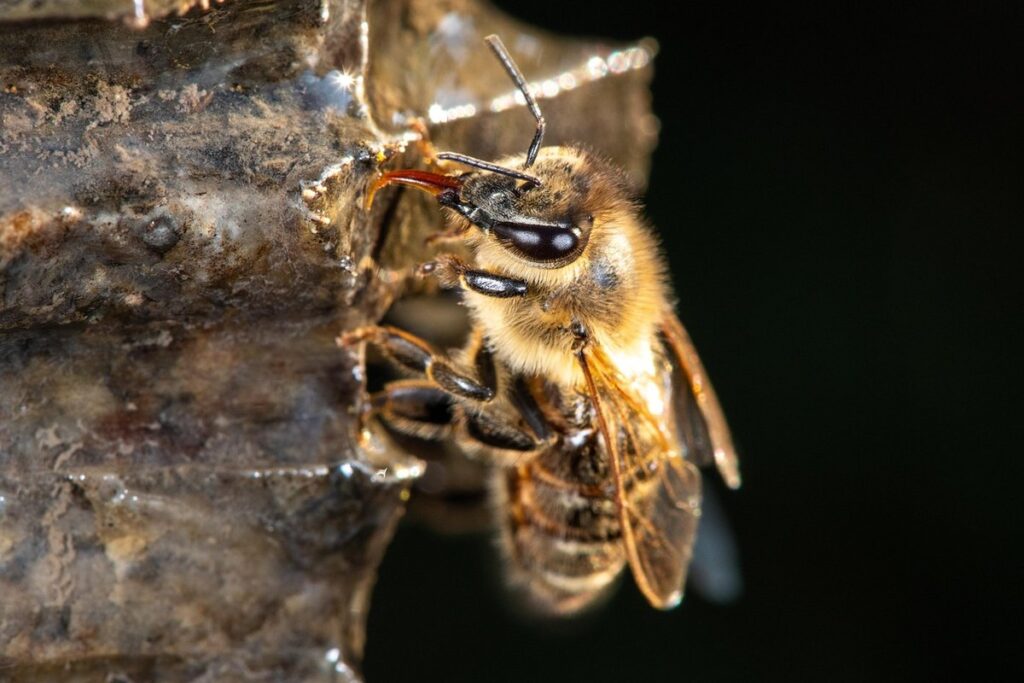
Understanding Wood Burrowing Bees and Their Impact
Wood burrowing bees might seem like pests, but learning more about their behavior and habits can help you remove them effectively from your garden structures. This section will explore what you need to know about these tiny creatures.
What Are Wood Burrowing Bees?
Wood burrowing bees are a type of solitary bee that is often misunderstood and feared. But don’t worry, they’re actually beneficial to have around! These bees are typically between 1/4 to 3/8 inch in length and have a metallic or shiny appearance. They belong to the genus Megalopta, which includes over 50 species.
One of the key characteristics of wood burrowing bees is their unique nesting behavior. Unlike social bees like honeybees, wood burrowing bees are solitary and don’t live in colonies. Instead, they excavate individual nests in wood or bamboo using their powerful mandibles. These nests can range from simple tunnels to elaborate underground networks.
These bees are generally harmless and play a crucial role in pollination. They’re also important indicators of environmental health, as changes in their populations can signal broader ecosystem issues. If you’re concerned about wood burrowing bees in your garden structures, try to observe them from a safe distance. With their unique characteristics and beneficial behavior, it’s worth learning more about these fascinating creatures!
Identification and Recognition Signs
Identifying wood burrowing bees can be a challenge, but there are some telltale signs to look out for. One of the most common indicators is the presence of small holes or tunnels on the surface of wood structures, such as fence posts, decks, and sheds. These holes can range in size from 1/4 inch to 1/2 inch in diameter and may be surrounded by sawdust or debris.
Another sign of nesting activity is the appearance of bees near the affected area, particularly during warmer months when these insects are most active. Wood burrowing bees typically emerge in the morning and afternoon, so if you notice a high concentration of bees around your garden structures, it’s likely they’re related to the infestation.
To confirm the presence of wood burrowing bees, observe the holes more closely for signs of nesting material or partially excavated tunnels. You may also spot abandoned nests or bee bodies near the affected area.
When inspecting your garden structures, keep an eye out for characteristic damage patterns caused by these insects. Wood surfaces may exhibit shallow scratches or scarring around the entry points, while softer woods like pine or cedar are more susceptible to tunneling and nesting.
If you suspect a wood burrowing bee infestation, it’s essential to take action promptly to prevent further damage.
Prevention Measures for Garden Structures
Before we dive into removal methods, let’s take a look at some essential prevention measures to prevent wood burrowing bees from taking over your garden structures in the first place.
Choosing Bee-Resistant Materials
When selecting materials for your garden structures, it’s essential to consider those that are less appealing or resistant to wood burrowing bees. One popular option is composite decking, made from a combination of plastic and wood fibers. This material is highly durable and can withstand the elements while also being unappealing to these insects. Some composite decking options, such as Trex or TimberTech, even come with built-in insect resistance.
Another alternative is treated lumber, which has been infused with chemicals that repel or kill wood-boring insects. However, it’s crucial to note that not all treated lumbers are created equal, and some may contain harsh chemicals that can harm your family or pets. Look for materials that have been treated with safer alternatives like borate-based preservatives.
When shopping for materials, consider the lifespan of each option and weigh the pros and cons before making a decision. For example, while composite decking is more expensive upfront, it can last for 20-30 years with minimal maintenance. On the other hand, treated lumber may be cheaper but may require more frequent replacements.
Regular Maintenance and Inspection
Regular maintenance and inspection are crucial steps in preventing wood burrowing bees from taking over your garden structures. These insects are attracted to damp, decaying wood, which is why it’s essential to keep your garden structures clean and free of debris.
Start by regularly cleaning off leaves, twigs, and other organic matter that can accumulate on walls, railings, and posts. Use a soft-bristled brush or a gentle scrubber to remove dirt and grime without damaging the wood. You should also inspect for any signs of damage, rot, or decay. Check for cracks, splits, or holes in the wood, as these can provide entry points for bees.
To prevent attracting wood burrowing bees, make sure to address any issues you find promptly. For example, if you notice a small crack or hole, seal it with caulk or putty before it becomes a larger problem. Additionally, keep your garden structures dry by ensuring good drainage and avoiding over-watering. By staying on top of regular maintenance tasks, you can significantly reduce the risk of attracting these unwanted insects to your garden.
Natural Deterrents for Wood Burrowing Bees
If you’re dealing with wood burrowing bees, there are some clever natural deterrents you can use to safely repel them from your garden structures without harming them. Let’s explore these options together!
Plant-Based Repellents
When it comes to repelling wood burrowing bees, incorporating plant-based deterrents into your garden can be an effective and non-toxic solution. Certain plants are known to emit fragrances that repel these bees, making them a great addition to your garden. For example, the scent of mint (Mentha spp.) is particularly unappealing to wood burrowing bees. Planting mint in containers near the affected area can help keep these pests at bay.
Other plants with potent fragrances include lemongrass (Cymbopogon citratus) and citronella (Cymbopogon nardus). These tropical grasses are not only effective repellents but also add a pleasant aroma to your garden. When using these plants, it’s essential to place them in areas where the fragrance can be easily detected by the bees.
When choosing which plants to use, consider their growth habits and placement strategies. For example, mint is an aggressive spreader, so confining it to containers will prevent it from overtaking other plants. Lemongrass and citronella, on the other hand, are naturally upright and can be planted directly into the soil.
These plants can also be used in combination with other natural deterrents for enhanced effectiveness. By incorporating plant-based repellents into your garden, you’ll not only reduce the risk of wood burrowing bees but also create a healthier environment for beneficial insects to thrive.
Essential Oils and Aromatic Compounds
When it comes to repelling wood burrowing bees without resorting to chemical pesticides, essential oils derived from certain plants can be a highly effective natural deterrent. One of the most commonly used essential oils for this purpose is peppermint oil, which contains high concentrations of menthol and menthone compounds. These compounds give peppermint its characteristic cooling sensation and have been shown to repel various types of insects, including wood burrowing bees.
To use peppermint oil as a natural deterrent, you can mix a few drops with water in a spray bottle and apply it directly to the affected area. You can also add it to your garden’s soil or mulch to create a repellent barrier around plants that are susceptible to wood burrowing bee infestations.
Other essential oils like lemongrass oil and tea tree oil have also been found to repel these insects, although peppermint oil remains one of the most popular choices. When using essential oils, make sure to dilute them with water according to their recommended concentrations to avoid harming plants or other beneficial garden creatures.
Trapping and Relocation Methods
When it comes to safely removing wood burrowing bees from your garden structures, understanding effective trapping and relocation methods is crucial for a successful removal. This section will walk you through these critical steps.
DIY Trap Designs
Creating a homemade trap to capture wood burrowing bees is a simple and humane way to remove them from garden structures without causing harm. To make a DIY trap, you’ll need a few basic materials: a plastic container (like an old tub or bucket), some water, dish soap, and a towel.
First, fill the container with about 2-3 inches of water. Next, add a few drops of dish soap to break the surface tension of the water. This will cause any wood burrowing bees that land on the surface to be unable to fly away. You can now place the trap near the affected area, making sure it’s secure and won’t tip over.
When you’re ready to release the captured bees, carefully pour the water out of the container and into a nearby bucket or tub. The bees will float to the top, allowing you to scoop them up gently with the towel and relocate them at least 10-15 feet away from your garden. Remember to handle the bees carefully to avoid getting stung.
Professional Relocation Services
If you’re dealing with a severe infestation of wood burrowing bees and want to avoid harming these beneficial insects, professional relocation services can be an excellent option. These experts specialize in safely removing and relocating wood burrowing bees from garden structures.
Professional relocation companies typically employ experienced technicians who know how to carefully extract the bees without causing harm to either the bees or the surrounding environment. They use specialized equipment designed for this purpose, such as vacuum extraction systems and escape hatches that allow the bees to vacate their nests undisturbed.
One of the benefits of hiring a professional relocation service is that they can handle the situation quickly and efficiently, minimizing disruptions to your daily routine. Moreover, these services often include post-removal monitoring to ensure that the area remains bee-free for an extended period.
It’s essential to note that not all companies offering removal or extermination services specialize in relocating wood burrowing bees. Before hiring a professional, make sure they have experience with this specific type of insect and guarantee their work.
Chemical Control Options (Last Resort)
If you’ve tried other methods and still can’t shake these unwanted visitors, there are chemical control options available as a last resort to consider carefully.
Understanding the Risks and Benefits
When it comes to controlling wood burrowing bees, insecticides are typically considered a last resort due to their potential risks and environmental impact. Exposure to these chemicals can be hazardous for both humans and animals, particularly if not used properly.
Using insecticides can pose several health risks, including skin irritation, respiratory problems, and even long-term effects like cancer. Moreover, improper application or lingering chemical residues on surfaces can attract other pests, creating more problems in the future.
From an environmental perspective, chemical control measures can harm beneficial insects and contaminate soil and water sources. Even if used carefully, insecticides may not target only the burrowing bees, but also affect other valuable pollinators like honeybees and butterflies.
If you still decide to use insecticides as a last resort, make sure to follow these guidelines: choose a targeted product specifically designed for wood-boring insects, wear protective gear when applying it, and thoroughly clean any treated surfaces afterward.
Selecting and Applying Insecticides Safely
When it comes to removing wood burrowing bees from garden structures, chemical control options should only be considered as a last resort. However, if you’ve determined that this is the best course of action for your situation, selecting and applying insecticides safely is crucial.
First and foremost, choose an insecticide specifically labeled for use against carpenter bees or similar species. Pyrethrin sprays are often effective, but always check the label to ensure it’s suitable for your specific needs. When applying the insecticide, follow the instructions carefully and wear protective gear such as gloves, a long-sleeved shirt, and safety glasses.
For best results, apply the insecticide during early morning or late evening when bees are less active. Use a spray nozzle with a fan tip to reach into the burrow, making sure to saturate the area thoroughly. However, avoid spraying in windy conditions, as this can reduce efficacy and create unnecessary risks. Be cautious not to over-saturate nearby plants or structures, which could harm other beneficial insects or compromise their integrity.
Remember, it’s essential to take necessary precautions when using insecticides, as they can pose health risks if mishandled.
Conclusion and Next Steps
Now that you’ve successfully removed the wood burrowing bees from your garden structures, let’s review what you’ve accomplished and explore next steps for long-term success.
Recap of Prevention Measures
To successfully manage wood burrowing bees in your garden structures, it’s essential to implement the prevention measures we’ve discussed throughout this article. First and foremost, maintaining a clean and clutter-free environment is crucial in preventing these bees from taking up residence. Regularly inspect your garden structures for signs of bee activity, such as small holes or sawdust-like debris.
Another key aspect is selecting the right materials for your garden features. Avoid using pressure-treated wood, as it can be toxic to bees and other wildlife. Instead, opt for natural, untreated woods like cedar or cypress, which are less appealing to these insects.
In addition to these measures, consider incorporating physical barriers to deter bee nesting. This can be achieved by installing mesh screens or fine-netting over vents and openings. You can also plant bee-repellent flowers, such as mint or lemongrass, around your garden structures.
By implementing these prevention measures consistently, you’ll be better equipped to manage wood burrowing bees in the long term, ensuring a peaceful coexistence with these beneficial insects.
Maintaining a Bee-Friendly Environment
As we conclude our journey on removing wood burrowing bees from garden structures, it’s essential to acknowledge the importance of coexisting with these beneficial creatures. Wood burrowing bees play a vital role in pollination and ecosystem health, but their presence can be detrimental to our beloved gardens. To maintain a bee-friendly environment while preventing damage, follow these practical tips:
When planting new flowers or trees, choose species that attract native pollinators, such as coneflowers, lavender, or fruit-bearing trees like apple or cherry. Avoid using pesticides, which harm bees and other beneficial insects. Instead, adopt Integrated Pest Management (IPM) techniques that combine physical barriers, trap nesting sites, and targeted treatments.
Create a welcoming habitat for solitary bees by providing mud sources, like shallow dishes filled with water and mud, and sheltered nesting sites within 3-5 feet of the ground. Consider installing bee hotels or leaving some areas of your garden unmanicured to provide shelter and food for these beneficial insects. By embracing coexistence and adopting a few simple habits, you can enjoy the benefits of wood burrowing bees while minimizing damage to your garden structures.
Frequently Asked Questions
Can I remove wood burrowing bees from my garden structures during the winter?
No, it’s not recommended to attempt removal during this time as they are typically dormant or inactive. Wait until spring when they become more active and easier to manage.
What if I’ve already tried using natural deterrents but the problem persists? When should I consider chemical control options?
If you’ve exhausted all other methods, and the infestation is severe, it may be necessary to use insecticides as a last resort. However, it’s essential to follow safety guidelines, choose suitable products for the species involved, and take precautions to minimize harm to non-target insects.
How do I prevent wood burrowing bees from returning after relocation or removal?
Implementing regular maintenance and inspection practices will help you identify potential entry points and address them promptly. Also, consider using plant-based repellents or essential oils around your garden structures to discourage re-infestation.
Can I use the same trap design for all types of wood burrowing bees, or do different species require specific trapping methods?
Different species might have varying preferences for nesting sites and trap designs. Consult with a professional or research specific requirements for the species you’re dealing with to optimize your trapping efforts.
What’s the best way to maintain a bee-friendly environment while minimizing damage from these beneficial insects?
Balance coexistence with protection measures by implementing regular maintenance, using bee-resistant materials when possible, and selecting plants that are less appealing to wood burrowing bees. This will allow you to reap the benefits of these pollinators while safeguarding your garden structures.