
Rust can be a major nemesis for tool owners, causing not only damage to your equipment but also posing safety risks when used. Removing rust from tools requires a combination of knowledge and the right techniques. In this article, we’ll delve into safe and effective methods for removing rust, including both chemical-based and physical approaches. We’ll also explore preventative measures you can take to avoid future rust formation on your tools. Whether you’re a seasoned DIY enthusiast or a professional tradesperson, learning how to remove rust from tools is essential to extending their lifespan and ensuring they continue to perform optimally. In the following sections, we’ll break down the best methods for removing rust, along with some valuable tips for keeping your tools rust-free for good.
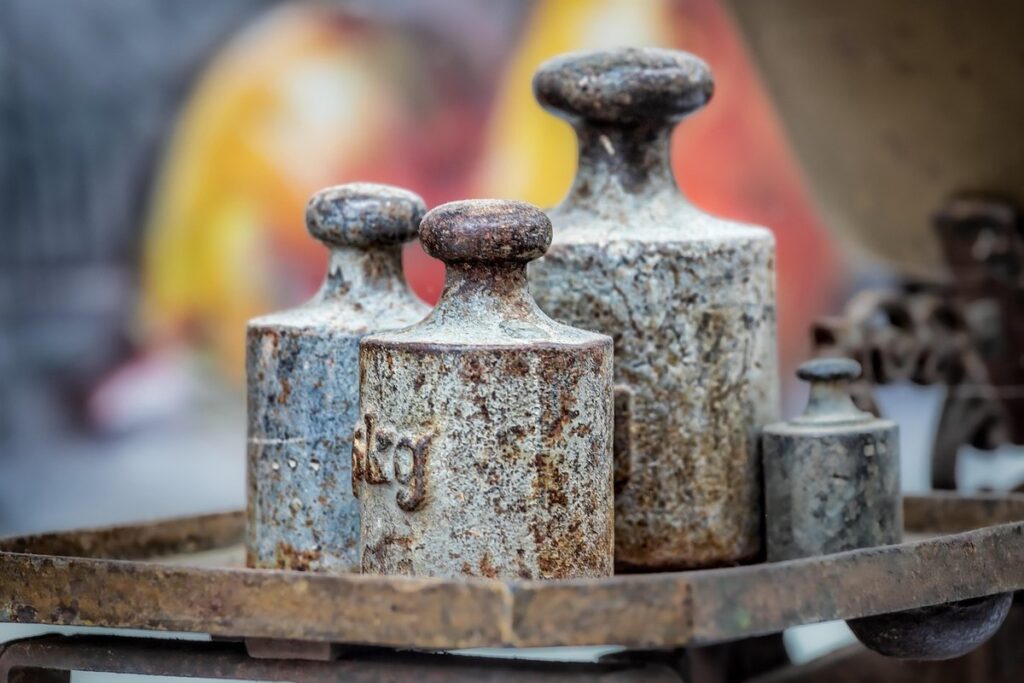
Introduction to Rust and Its Impact on Tools
Rust is a common issue that affects various tools, causing damage and discoloration over time. In this section, we’ll explore what rust is and how it impacts tools.
What is Rust and How Does it Form?
Rust is an iron oxide-based coating that forms on metal surfaces when they come into contact with oxygen and moisture. This process can occur rapidly, especially in environments with high humidity or exposure to saltwater. The formation of rust on tools is a common problem that can lead to damage, corrosion, and safety hazards.
When iron or steel tools are exposed to air, the iron begins to react with oxygen, resulting in the breakdown of the metal’s surface. This reaction creates a flaky, reddish-brown coating known as rust. As rust forms, it weakens the tool’s structure, making it more susceptible to further damage and eventual failure.
The effects of rust on tools can be severe. For instance, corroded tools may break or crack under stress, causing accidents and injuries in various industries such as manufacturing, construction, and automotive. Furthermore, rust buildup can also lead to costly repairs and replacements, eating into a company’s budget and resources.
Types of Rust and Their Causes
Rust can manifest in different forms depending on the environment and materials involved. Iron oxide is one of the most common types of rust, caused by iron or steel reacting with oxygen and moisture over time. This type of rust is often found on metal surfaces exposed to air and water, leading to a flaky, orange-brown appearance.
Steel rust, also known as ferric oxide, forms when steel reacts with oxygen and moisture in the presence of heat or salt. This type of rust is typically more aggressive than iron oxide and can lead to significant damage if left untreated.
Saltwater-induced rust occurs in environments where seawater or high-salt concentrations are present. The high chloride levels accelerate the rusting process, causing rapid corrosion on metal surfaces. For instance, boats stored near the ocean may experience severe saltwater-induced rust on their hulls and other metal components.
Understanding the different types of rust is crucial for effective removal. By identifying the cause of rust, you can choose the right methods and materials to tackle the problem.
Assessing the Severity of Rust Damage
When evaluating the severity of rust damage, it’s crucial to assess both the level of corrosion and its potential impact on your tool’s performance. This section will help you determine the extent of the damage.
Visual Inspection for Rust Identification
When conducting a visual inspection for rust identification on tools, it’s essential to be thorough and methodical. Start by examining the tool’s surface with the naked eye, looking for any signs of discoloration, flaking, or pitting. Check for areas where rust is more likely to form, such as near hinges, screws, and other metal-to-metal interfaces.
Use a magnifying glass or lamp to inspect harder-to-reach areas, like crevices and corners. Look for subtle changes in color, texture, or shine that may indicate rust formation. Pay particular attention to any areas with moisture accumulation, as this can accelerate rust growth.
Keep an eye out for specific signs of advanced rust damage, such as:
• Bright orange or yellow spots
• Flaking or peeling paint or finishes
• Surface pitting or cratering
• Rust redox rings (ring-shaped marks on metal surfaces)
If you’re unsure about the extent of rust damage, consider using a more advanced tool, like a corrosion detector, to help identify areas with high moisture content.
Measuring Rust Depth with Tools and Techniques
Accurate measurement of rust depth is crucial to determine the extent of damage and choose the right removal technique. One common method for measuring rust depth is using calipers. This tool allows you to measure the thickness of rust on a surface, usually in millimeters or inches. For example, if a tool has 2mm of rust on its blade, it’s essential to remove all rust to prevent further corrosion.
Another way to measure rust depth is with micrometers, which provide precise measurements down to 0.01mm. This level of detail is useful for measuring small areas or determining the progression of rust over time. However, if you’re unsure about the accuracy of your measurement, consider using chemical tests that can identify the presence and depth of rust.
When choosing a method, keep in mind the type of tool being treated and the extent of rust damage. Calipers are often sufficient for general measurements, while micrometers offer greater precision. Chemical tests can be useful for detecting hidden corrosion or assessing the severity of damage. It’s essential to use a combination of methods to get an accurate reading of rust depth.
Preparation for Effective Rust Removal
Before tackling rust removal, it’s crucial to prepare your workspace and tools properly to ensure a safe and effective process. This section will guide you through essential preparation steps.
Cleaning the Tool Surface before Treatment
Before applying any rust removal treatment to your tools, it’s essential to clean the tool surface thoroughly. This step is often overlooked but can significantly impact the effectiveness of the treatment. A dirty or debris-covered surface can lead to uneven application, inadequate coverage, and reduced treatment performance.
Start by wiping down the tool with a soft cloth or brush to remove loose dust, dirt, and other visible debris. For more stubborn stains or buildup, mix baking soda and water to form a paste and apply it to the affected area. Scrub gently with a non-abrasive sponge or cloth and rinse with clean water.
Additionally, use a mild detergent specifically designed for removing grease and grime to remove any remaining residue. Avoid using harsh chemicals or abrasive cleaners as they can damage the tool’s surface or push the rust deeper into the metal. By properly cleaning the tool surface before treatment, you’ll ensure optimal results from your rust removal efforts and prevent re-rusting. Regularly cleaning tools can also help maintain their overall condition.
Choosing the Right Cleaning Solution
When it comes to rust removal, choosing the right cleaning solution is crucial for effectiveness. Chemical-based solutions are popular for their ability to break down and dissolve rust quickly. Examples of chemical-based cleaners include phosphoric acid, hydrochloric acid, and vinegar-based products. However, be cautious when using these options as they can be harsh on surfaces and require proper handling.
Non-chemical alternatives, on the other hand, offer a gentler approach without the risks associated with strong chemicals. Baking soda and water paste is an example of a non-toxic, eco-friendly option for rust removal. This method works by generating heat when mixed, helping to loosen and remove rust deposits. Another effective non-chemical cleaner is borax-based products, which can be dissolved in water to create a paste that effectively breaks down rust.
Consider the type of surface you’re working with when selecting a cleaning solution. Metal surfaces may require more aggressive chemical cleaners, while softer materials like wood or plastic might be better suited for gentle non-chemical alternatives. Always follow safety guidelines and test any cleaner on a small area first to avoid damage or discoloration.
Chemical-Based Rust Removal Methods
For many tools, chemical-based methods are a reliable and efficient way to remove rust. We’ll explore some of these effective solutions in more detail below.
Acid-Based Removal: Safety Precautions and Risks
When working with acid-based solutions for rust removal, it’s crucial to acknowledge the potential risks involved. These chemicals can be hazardous if not handled properly, posing a threat to both the tool and the user.
Some of the primary safety concerns with acid-based removal methods include skin and eye irritation, respiratory problems, and damage to the tool itself. The corrosive nature of acids means they can rapidly erode metal surfaces, making it essential to exercise caution when applying these solutions. Always wear protective gear such as gloves, safety glasses, and a face mask when working with acidic substances.
When selecting an acid-based solution for rust removal, choose one specifically designed for your tool’s material type. Be sure to follow the manufacturer’s instructions carefully and work in a well-ventilated area to minimize exposure risks. It’s also vital to rinse the tool thoroughly after treatment to remove any remaining residue. By taking these precautions, you can effectively remove rust while minimizing potential hazards.
Non-Acid Based Removal: Environmentally Friendly Options
When it comes to removing rust from tools without causing further environmental harm, non-acid based removal methods are an excellent choice. These eco-friendly options not only protect the environment but also provide effective results.
One popular option is powder coatings, which involve applying a dry powder to the rusted surface. This powder then converts into a hard, inert layer that prevents further corrosion and provides protection against scratches and wear. For instance, a tool like a hammer handle can be coated with a rust-inhibiting powder coating, ensuring it remains safe for use.
Another effective non-acid based removal method is using rust-inhibiting treatments. These are applied to the affected area and work by converting the rust into a stable compound that won’t react with oxygen or moisture. This method is ideal for tools made from steel or iron, as it prevents future corrosion without harming the metal’s structure.
To use these methods effectively, make sure to follow the manufacturer’s instructions carefully, and ensure good ventilation in your workspace. Regular cleaning and maintenance can also help prevent rust buildup on your tools.
Physical Rust Removal Methods
When it comes to removing rust from tools, physical methods are a popular choice for their effectiveness and ease of use. In this section, we’ll explore various techniques and tools to help you tackle even the toughest rusted tools.
Sanding and Abrasives for Efficient Rust Removal
When it comes to physically removing rust from tools, sanding and abrasives are two of the most effective methods. Physical removal is a great alternative to chemical-based methods, as it doesn’t involve harsh chemicals that can damage the tool’s surface or harm the environment.
To use sanding effectively for rust removal, start with a coarse-grit sandpaper (about 80-100 grit) and work your way up to finer grits (120-150). This will help remove loose rust flakes and smooth out the surface. When using an orbital sander, be sure to adjust the speed according to the tool’s material and the amount of rust present.
Another option is to use abrasives specifically designed for rust removal, such as wire brushes or steel wool. These can be used in combination with sandpaper for a more aggressive approach. It’s essential to wear protective gear when using these tools, including gloves and safety glasses. Regularly changing the abrasive and cleaning it will help maintain its effectiveness.
The key is to work patiently and methodically, especially on complex shapes or areas with heavy rust buildup. By combining these methods and techniques, you’ll be able to efficiently remove rust from your tools without compromising their integrity.
Wire Brushing: A Gentle yet Effective Method
When it comes to removing rust from tools, wire brushing is a gentle yet effective method that’s particularly well-suited for delicate or intricate areas. This technique involves using a wire brush with stiff bristles to scrub away the rust, and it’s often used in conjunction with other methods to ensure thorough removal.
One of the main benefits of wire brushing is its ability to remove rust without causing further damage to the tool’s surface. When done correctly, this method can be quite effective at removing surface rust and leaving the metal looking like new again. For example, if you’re working on a vintage bike chain with intricate links, wire brushing can help remove any built-up rust without scratching or damaging the links.
However, there are some limitations to consider when using wire brushing. This method is best suited for removing loose, flaky rust and may not be as effective at tackling more stubborn or deeply embedded rust. In these cases, it’s often necessary to use a combination of wire brushing and other methods, such as sanding or chemical removal, to achieve the desired results.
Preventative Measures against Future Rust Formation
To keep your tools in top condition, we’ll explore some effective preventative measures to prevent future rust formation after removing existing rust. This includes simple habits and techniques that make a big difference.
Applying Protective Coatings after Removal
Applying protective coatings after rust removal is essential to prevent future rust formation. This step may seem minor, but it’s a critical part of maintaining your tools’ longevity. Without proper coating, the metal surface can quickly become exposed to moisture and oxygen, leading to new rust growth.
Choose a suitable protective coating based on the tool’s material and intended use. For example, if you’re working with a steel tool that will be frequently used outdoors or in humid environments, an epoxy-based coating would be an excellent choice. This type of coating provides exceptional durability and resistance to corrosion.
When applying the coating, make sure to follow the manufacturer’s instructions carefully. Typically, this involves cleaning the surface, drying it completely, and then applying a thin layer of the protective coating using a brush or roller. For tools with intricate designs or crevices, use a specialized coating applicator to ensure even coverage.
Properly applied protective coatings can provide long-term protection against rust and corrosion, extending the tool’s lifespan significantly. It’s worth noting that some coatings may require periodic reapplication to maintain their effectiveness.
Regular Maintenance and Storage Tips
To prevent rust formation on tools, regular maintenance and proper storage are crucial. Here are some practical tips to help you keep your tools in good condition: Clean your tools after each use with a wire brush or cloth to remove dirt, grime, and moisture. This helps prevent the growth of bacteria that can cause rust.
Properly dry tools before storing them is also essential. Use a towel to wipe away any excess moisture, then apply a thin layer of oil or silicone-based spray to protect the metal from corrosion. Store your tools in a dry place, such as a toolbox or shed with good ventilation.
Consider using a dehumidifier in areas where high humidity is a concern. This can help reduce the risk of rust formation significantly. Label and categorize your tools for easy access and storage. Avoid storing valuable or sensitive equipment near chemicals, cleaning agents, or other substances that may cause corrosion.
Conclusion: Effective Rust Removal Strategies
In conclusion, removing rust from tools can be a challenging task, but with the right strategies and techniques, it’s definitely achievable. By following the methods outlined in this guide, you’ll be able to effectively remove rust from your tools and restore them to their former glory. Remember to always work in a well-ventilated area, use protective gear, and follow the recommended safety precautions when using any chemical-based solutions. Regular maintenance and cleaning of your tools will also help prevent rust from forming in the first place.
As you implement these strategies, be patient and persistent – it may take some time and elbow grease to fully remove the rust. But with the right mindset and a willingness to learn, you’ll be able to tackle even the toughest rust removal jobs with confidence. By adopting a proactive approach to tool maintenance, you’ll not only extend the lifespan of your tools but also ensure they remain safe and effective for use.
Frequently Asked Questions
Can I reuse a tool that’s been partially removed from rust without re-treating the entire surface?
No, it’s not recommended to use tools with remaining rust until they’re completely free of corrosion. Residual rust can continue to spread and cause further damage over time. Always ensure your tools are fully restored before putting them back into service.
How often should I inspect my tools for rust, especially in environments prone to moisture?
Regular inspection is key to preventing extensive rust buildup. Set aside time every 1-3 months to visually check your tools for signs of rust, paying closer attention to areas exposed to high humidity or direct sunlight.
What’s the best way to remove rust from a tool with a complex design or hard-to-reach areas?
For intricate designs or confined spaces, consider using specialized cleaning solutions like penetrating oils or rust dissolvers. These products can help break down and loosen rust in tight areas without causing damage to surrounding components.
Can I use household items, such as baking soda and vinegar, for rust removal on tools?
While these common household ingredients might be effective against minor rust spots, they may not provide the thorough cleaning needed for more severe cases. It’s generally recommended to stick with specialized cleaning solutions designed specifically for rust removal to ensure optimal results.
How long does it take to completely remove rust from a tool using chemical-based methods?
The duration of chemical-based removal can vary depending on the severity of the rust and the type of solution used. In general, you can expect anywhere from a few hours to several days or even weeks for complete removal, especially in severe cases. Be patient, follow instructions carefully, and test the solution on a small area first to ensure optimal results.