
Invasive honeysuckle is a plant that’s not only beautiful to look at, but also incredibly pesky. It can outcompete native species for resources, alter ecosystems, and even harm wildlife habitats. If you’re like many property owners, you may have noticed this sneaky vine spreading its thorny tendrils across your lawn or garden. But don’t worry, we’ve got the solution right here! In this comprehensive guide, we’ll walk you through the process of removing invasive honeysuckle from your property, covering identification, assessment, and both manual and chemical control techniques. From understanding why honeysuckle is a problem to learning how to effectively eradicate it, our step-by-step instructions will have you tackling this unwanted guest in no time. Let’s dive in!
Understanding the Threat
Understanding the threat posed by invasive honeysuckle requires knowledge of its impact on native ecosystems and the spread of the plant itself, which we’ll delve into next.
The Problem of Invasive Species
Invasive honeysuckle is one of the most notorious non-native plant species that has wreaked havoc on ecosystems across North America. Native to Asia and Europe, this seemingly innocuous shrub has outcompeted native plants for resources, causing a ripple effect throughout entire ecosystems. The consequences are staggering: damaged forests, altered wildlife habitats, and even economic losses due to decreased property values.
In the United States alone, invasive honeysuckle is estimated to have caused over $1 billion in damage since its introduction in the 1800s. Its twining vines can grow up to 50 feet long, shading out native species and preventing them from reproducing. This leads to a decline in biodiversity, as fewer species are able to coexist in the affected areas.
Moreover, invasive honeysuckle has also been linked to an increase in ticks and other pests that transmit diseases like Lyme disease. In addition to these ecological concerns, property owners are often left with costly clean-up efforts and decreased property values when they try to remove the invasive plant from their land.
Economic Impact of Invasive Honeysuckle
The economic impact of invasive honeysuckle removal is a significant concern for many communities. The costs associated with removing this plant species are not limited to the initial eradication efforts but also extend to ongoing maintenance and replacement of lost revenue from forestry and agriculture.
For instance, in the United States alone, it’s estimated that invasive honeysuckle infestations cover over 2 million acres of land. This has resulted in significant losses for farmers who rely on these areas for grazing and timber production. In fact, a study published by the University of Michigan found that the loss of forest productivity due to invasive species like honeysuckle can result in economic losses ranging from $1 billion to $4 billion annually.
Moreover, the maintenance costs associated with invasive honeysuckle removal are substantial. Parks and other public spaces often require regular removal efforts to prevent the spread of this plant species. In some cases, this can lead to increased labor costs, equipment purchases, and herbicide use. To mitigate these costs, it’s essential for communities to implement proactive strategies for prevention and early detection.
Effective invasive honeysuckle management requires a comprehensive approach that incorporates integrated pest management techniques, community engagement, and ongoing monitoring efforts. By understanding the economic impact of invasive honeysuckle removal, communities can better allocate resources and develop effective eradication strategies that prioritize both environmental conservation and fiscal responsibility.
Identifying and Assessing Honeysuckle Infestations
To effectively tackle honeysuckle removal, it’s essential to first identify and assess the extent of infestation on your property. This step requires careful observation and consideration.
Signs of Invasive Honeysuckle
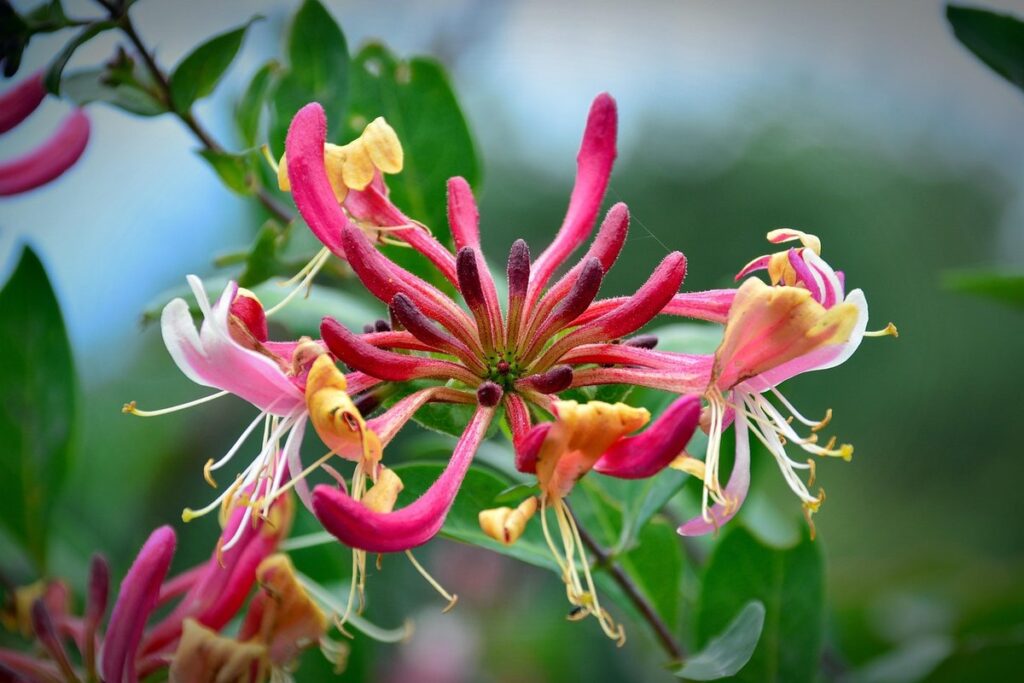
When it comes to identifying invasive honeysuckle infestations on your property, there are several visual indicators to look out for. One of the most distinctive features is the plant’s flowers and berries. Invasive honeysuckle produces white, yellow, or pinkish-colored flowers that are highly fragrant and appear in late spring. These flowers are not only attractive but also a key indicator of an infestation.
However, it’s the presence of berries that’s often more telling. Honeysuckle berries are red, orange, or yellow and typically appear in mid-to-late summer. They’re small, round, and cling to the plant’s stems and branches. If you notice clusters of honeysuckle berries on your property, it could be a sign of an infestation.
To confirm whether you have invasive honeysuckle on your property, inspect the plants’ leaves and growth patterns. Invasive honeysuckle tends to grow more quickly than native species, often spreading via underground rhizomes or roots. It also has a distinctive, compound leaf with two leaflets that are pointed at the tip.
Assessing the Extent of the Problem
Conducting an initial assessment of the extent of honeysuckle infestation is crucial for developing an effective removal plan. Begin by surveying the affected area, looking for signs of invasion such as white, yellow, or pink flowers, and the characteristic dark green leaves with pointed tips. Walk through the property, taking note of any areas where honeysuckle appears to be most densely concentrated.
Pay particular attention to areas along waterways, woodland edges, and other locations where native vegetation is thin. These are common sites for honeysuckle invasion, as they provide an ideal environment for the plant to spread rapidly. Take note of any adjacent habitats or ecosystems that may be impacted by the honeysuckle infestation.
As you survey the area, take photographs and make a mental (or written) note of the locations where honeysuckle is most prevalent. This will help you identify patterns in the invasion and inform your removal strategy. Consider mapping the affected area to visually represent the extent of the problem, highlighting areas with high concentrations of honeysuckle.
Preparing for Removal
Before you start cutting back honeysuckle, make sure you’re prepared with the right tools and safety gear to protect yourself from its thorns. Proper planning will also help prevent regrowth in the future.
Choosing the Right Equipment
When tackling invasive honeysuckle removal, having the right equipment is crucial to ensure a safe and effective process. To get started, you’ll need some essential tools for hand-cutting, sawing, and digging.
Begin by investing in sturdy gloves that can protect your hands from thorns, sap, and other plant debris. You may also want to consider long-sleeved shirts, pants, and eye protection to cover any exposed skin. For cutting, loppers are a must-have for smaller stems and branches (up to 2 inches thick). Pruning saws or pole saws come in handy for thicker sections, allowing you to cut from a safe distance.
Don’t underestimate the importance of a good digging tool either – an invasive honeysuckle’s roots can be deep and widespread. A sturdy shovel or spade will help you dig up as much of the root system as possible, preventing regrowth. If you’re tackling large areas or dense thickets, consider renting or purchasing equipment like chain saws or chippers to make quick work of larger stems.
When choosing your equipment, prioritize durability and quality over cost. You’ll want tools that can withstand regular use without breaking down mid-job.
Safety Considerations
When handling invasive honeysuckle plants, safety should be your top priority. Wearing protective gear is essential to avoid injuries from thorns, sap, and other potential hazards. Start by putting on long sleeves, gloves, and pants to prevent scratches and puncture wounds.
Be sure to wear closed-toe shoes or boots with good traction, as honeysuckle plants can grow in dense thickets that can make it easy to slip or trip. Safety goggles are also a must-have, especially when using tools like pruning saws or loppers. You should be able to see clearly and protect your eyes from debris.
When handling thorny branches, use long-handled loppers or pruning shears with curved blades to minimize contact with the thorns. If you’re working in an area with dense honeysuckle growth, consider using a machete or pole saw for easier cutting. And remember to cut at a 45-degree angle, making it harder for new growth to sprout from the stump.
Keep a first aid kit nearby and be prepared to treat any cuts or scrapes that may occur. With the right gear and caution, you’ll be able to remove invasive honeysuckle safely and effectively.
Manual Removal Methods
If you’re willing to get hands-on, manual removal methods can be a highly effective way to eradicate invasive honeysuckle from your property. This approach requires some elbow grease and caution, but it’s often necessary for complete control.
Hand-Pulling and Digging Out Honeysuckle
When it comes to removing invasive honeysuckle, hand-pulling and digging out its roots and stems can be a crucial step. Before you begin, make sure to wear protective gear such as gloves and safety glasses, as the plant’s thorns and debris can cause injury.
To start, use loppers to cut the stems just above a growth node, making it easier to remove the entire section of the plant. Be cautious not to leave any remaining stem or root fragments behind, as these can regrow into new plants. For thicker stems, you may need to use a saw to make clean cuts.
Once you’ve removed as much of the surface growth as possible, it’s time to tackle the roots. Use a shovel or digging bar to carefully dig out as much of the root system as you can. Be patient and persistent, as honeysuckle roots can be quite extensive. Remember to remove all parts of the plant to prevent regrowth.
By following these steps and using the right tools, you can effectively hand-pull and dig out invasive honeysuckle, reducing its impact on your garden or woodland area.
Cutting Stumps and Sprouting
Cutting stumps and sprouting is a crucial step in invasive honeysuckle removal. When you cut down the plant, it’s essential to prevent the stump from resprouting, as this can lead to new growth and even more invasive spread. One common method for preventing resprouting is applying herbicides directly to the cut area. This should be done according to the product’s instructions and with caution, taking care not to harm nearby plants or the environment.
Another effective way to prevent resprouting is through repeated mowing over the cut area. By doing so regularly, you can weaken the plant and reduce its ability to regenerate. However, this method may require multiple sessions, depending on the plant’s growth habits and environmental conditions.
Keep in mind that some honeysuckle species are more prone to resprouting than others. American honeysuckle (Lonicera dioica) is known for its vigorous regrowth, while other species like Chinese honeysuckle (Lonicera ciliosa) may be less aggressive but still require attention. Understanding the specific habits of your invasive honeysuckle species will help you choose the most effective removal strategy.
It’s also worth noting that simply cutting down the plant without addressing the stump can lead to new growth emerging from the roots. By taking proactive steps like applying herbicides or mowing regularly, you can significantly reduce the likelihood of resprouting and promote a more thorough removal process.
Chemical Control Methods
Chemical control methods are a viable option for invasive honeysuckle removal, but they require careful consideration and application to avoid harming surrounding plants and ecosystems. We’ll explore these techniques in more detail below.
Herbicide Selection and Application
When selecting an herbicide for invasive honeysuckle control, there are several key factors to consider. First and foremost, you’ll want to choose a product that is specifically labeled for use on woody plants like honeysuckle. This will ensure that the herbicide is effective against the plant’s stems and roots.
In terms of timing, it’s essential to apply the herbicide at the right stage of growth for the honeysuckle. Typically, this means applying in late spring or early summer when the plant is actively growing. This allows the herbicide to be absorbed more effectively by the plant, increasing its chances of success.
It’s also crucial to follow the recommended application rates specified on the product label. Overapplication can lead to unnecessary environmental harm and may even damage desirable plants nearby. To minimize risks, consider applying a pre-emergent herbicide in early spring before new growth begins, or use a foliar spray that targets specific plant components like leaves or stems.
Keep in mind that some herbicides require additional surfactants for optimal performance, so be sure to read the label carefully and follow any recommended mixing instructions.
Integrated Pest Management (IPM) Strategies
When it comes to managing invasive honeysuckle, adopting an Integrated Pest Management (IPM) approach is crucial for long-term success. IPM strategies consider multiple approaches to mitigate the risks associated with chemical control methods, which can harm non-target species and contaminate soil and water.
By combining biological, cultural, and physical controls, you can effectively manage invasive honeysuckle while minimizing environmental harm. Biological controls involve introducing natural predators or competitors of the invasive plant, such as insects that feed on its seeds or other plants that outcompete it for resources.
Cultural controls focus on modifying the site conditions to make them less conducive to honeysuckle growth. This can include removing weeds and debris, improving soil quality, and reducing watering and fertilization. Physical controls involve manually removing or containing the invasive plant through methods like cutting, digging, or using barriers.
When implementing IPM strategies for invasive honeysuckle management, start by identifying the specific goals and constraints of your project. Conduct a thorough site assessment to determine the best combination of biological, cultural, and physical controls. Regularly monitor and adjust your approach as needed to ensure effective long-term results.
Monitoring and Maintenance
Now that you’ve removed the invasive honeysuckle, it’s essential to keep your area free of new growth through regular monitoring and maintenance. This includes checking for new seedlings and root sprouts throughout the growing season.
Post-Removal Monitoring
After invasive honeysuckle removal, it’s crucial to monitor the treated area for signs of regrowth or new infestations. This step is often overlooked but plays a significant role in preventing reinvasion. Regular monitoring allows you to catch potential issues early on and take corrective action.
Start by conducting regular visual inspections of the treated area, checking for any new growth or evidence of invasive honeysuckle species. Look for signs such as small shoots, leaves, or flowers emerging from the soil or creeping along nearby surfaces. Be sure to inspect not only the immediate removal area but also surrounding zones where honeysuckle seeds may have been spread.
To prevent reinvasion, consider implementing a few additional strategies. For example, you can use landscape fabric or mulch to suppress new growth and make it easier to spot any potential issues. Additionally, take steps to improve soil health by adding organic matter or using beneficial microorganisms that can outcompete invasive species.
Long-Term Management Strategies
Once you’ve removed invasive honeysuckle from your property, it’s essential to take steps to maintain healthy ecosystems and prevent regrowth. This involves replanting native species that thrive in your local climate and environment.
Start by researching native plants that are well-suited for your area and the specific conditions of your land. Consider factors such as sunlight, soil type, and moisture levels when selecting new plant species. Some examples of native plants include:
• Oak trees (Quercus spp.)
• Wildflowers like black-eyed susans (Rudbeckia hirta) or coneflowers (Echinacea spp.)
• Native grasses like big bluestem (Andropogon gerardii)
When replanting, make sure to space plants correctly and provide adequate watering and care. Regular maintenance tasks include mulching around new plantings, pruning established native species, and monitoring for signs of invasive species regrowth.
Additionally, consider incorporating beneficial wildlife habitats like birdhouses or bat boxes to create a balanced ecosystem. This will attract pollinators and other beneficial insects that can help maintain the health of your newly restored area.
Frequently Asked Questions
How do I know if I’ve removed all the invasive honeysuckle from my property?
Conduct a thorough post-removal monitoring to ensure that no new shoots or roots are emerging from the soil. This can be done by inspecting the area regularly for signs of regrowth and treating any remaining stumps with herbicides to prevent re-growth.
What’s the best way to dispose of invasive honeysuckle waste after removal?
Dispose of invasive honeysuckle waste responsibly by bagging it and putting it in your trash or compost bin. Avoid burning the material, as this can release seeds and propagate the problem further. You may also consider mulching the removed plant material to use as garden mulch.
Can I use a single herbicide for all stages of invasive honeysuckle control?
No, you should choose herbicides based on the specific stage of control, such as cutting stumps or hand-pulling and digging out roots. This will ensure that the chosen product is effective at targeting the targeted growth.
How long does it take to see results after using manual removal methods for invasive honeysuckle?
The effectiveness of manual removal methods depends on the extent of the infestation, but you can expect to start seeing results within a few weeks to months after removing the plant. However, ongoing maintenance is necessary to prevent regrowth.
Can I use integrated pest management (IPM) strategies alone to control invasive honeysuckle without using herbicides?
Yes, IPM strategies like mulching, mowing, and physical removal can be effective at controlling invasive honeysuckle in early stages of infestation. However, for severe or widespread infestations, combination with herbicides may be necessary for complete eradication.