
If you’re looking for a natural way to boost your energy levels, enhance your overall health, and even improve your skin, you might want to consider cultivating red vein plant in your home garden. Red vein plant, also known as Thai Kratom or Mitragyna speciosa, is a tropical tree native to Southeast Asia that has been used for centuries for its medicinal properties. From reducing anxiety and stress to increasing energy levels and improving sleep quality, the benefits of red vein plant are numerous. But what makes it so special? In this article, we’ll delve into the remarkable benefits of red vein plant, provide tips on how to cultivate it safely in your home garden, and explore its potential uses for health, wellness, beauty, and more.
What is Red Vein Plant?
So, you’re curious about what red vein plant actually is? Let’s dive into its identity and understand where it comes from.
Overview and History
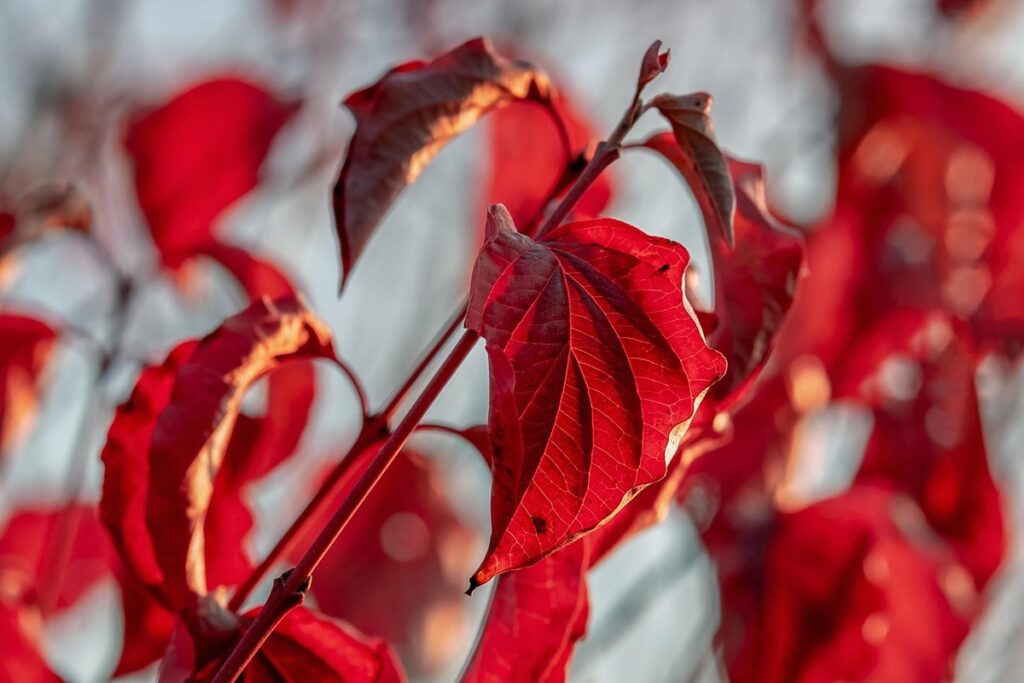
Red vein plant, also known as Kratom (Mitragyna speciosa), is a tropical tree native to Southeast Asia, specifically in countries such as Thailand, Indonesia, and Malaysia. Its botanical name refers to the unique red veins found on its leaves. This plant has been an integral part of the traditional medicine for centuries, with a rich history dating back to the ancient civilizations.
Historically, Kratom was used by indigenous tribes for various purposes, including pain relief, energy boosters, and even as a stimulant. Its extracts were also believed to have antibacterial properties, which made it a popular remedy for infections. In traditional Thai medicine, Kratom leaves were crushed and mixed with hot water to create a tea-like concoction used for various ailments.
The plant’s history is closely tied to its cultural significance in Southeast Asia. Kratom has been revered for centuries due to its perceived medicinal properties.
Botanical Description
Red vein plant is a unique herb that belongs to the Piperaceae family. In terms of its physical characteristics, this plant has some distinct features that set it apart from other plants. The leaves of red vein plant are ovate or lanceolate in shape and have a pointed tip, with entire margins and a glossy texture. They can grow up to 10-15 cm in length and 5-7 cm in width.
The stems of the plant are long and slender, with a reddish-brown color. The stems have nodes that produce white or yellowish flowers, which are arranged in clusters at the end of branches. These flowers are small and star-shaped, emitting a pleasant aroma when in bloom. Red vein plant can grow up to 2 meters tall under ideal conditions.
The growth habits of red vein plant vary depending on factors such as soil quality and light exposure. It generally thrives well in tropical climates with high humidity levels and requires consistent watering for optimal growth.
Health Benefits of Red Vein Plant
If you’re considering adding red vein plant to your wellness routine, let’s dive into its impressive list of health benefits and how they can positively impact your body.
Antioxidant Properties
Red vein plant is renowned for its impressive antioxidant properties, which play a significant role in maintaining overall well-being. Antioxidants are compounds that combat oxidative stress and free radical damage, helping to reduce inflammation and prevent cell damage.
The antioxidants present in red vein plant include flavonoids, phenolic acids, and alkaloids, among others. These compounds work synergistically to neutralize free radicals, thereby protecting cells from damage caused by environmental stressors, poor diet, or exposure to pollutants.
Regular consumption of red vein plant may help alleviate inflammation-related issues such as arthritis, eczema, and skin irritations. Moreover, the antioxidant properties of this plant may also shield against cell degeneration associated with age-related diseases like cancer and neurodegenerative disorders.
To harness the antioxidant benefits of red vein plant, simply steep a few leaves in boiling water to create a calming tea or add it to your favorite smoothie recipes. You can also incorporate dried red vein leaves into soups, salads, or herbal remedies for an added boost of antioxidants.
Anti-Inflammatory Effects
One of the most significant health benefits of red vein plant is its potent anti-inflammatory effects. The plant contains a range of compounds that have been shown to reduce inflammation and alleviate symptoms associated with various conditions. For example, rheumatoid arthritis sufferers may find relief from joint pain and swelling due to the anti-inflammatory properties of red vein plant.
In addition to treating arthritis, the anti-inflammatory effects of red vein plant can also be beneficial for skin issues such as acne, eczema, and rosacea. The plant’s compounds can help reduce inflammation and soothe irritated skin, promoting a faster recovery and reducing the risk of scarring. To harness these benefits, you can consume red vein plant in tea or supplement form, or apply it topically to affected areas.
When using red vein plant for anti-inflammatory purposes, it’s essential to follow some guidelines. Always consult with a healthcare professional before incorporating the plant into your treatment plan, especially if you’re already taking medications. Additionally, ensure that the plant is sourced from a reputable supplier and processed correctly to preserve its active compounds.
Potential Therapeutic Uses
Red vein plant has been found to have potential therapeutic uses, particularly in addressing anxiety and depression. The plant’s ability to promote relaxation and reduce stress levels makes it an effective remedy for individuals dealing with anxiety disorders. Studies suggest that red vein plant may help alleviate symptoms of anxiety by reducing cortisol levels and promoting a sense of calm.
In addition to its effects on anxiety, the plant has also been found to have antidepressant properties. Its active compounds have been shown to increase serotonin levels in the brain, which can help improve mood and reduce symptoms of depression. Moreover, red vein plant’s sedative effects make it an effective natural remedy for sleep disorders such as insomnia.
If you’re considering using red vein plant therapeutically, it’s essential to consult with a healthcare professional before starting any treatment regimen. In terms of usage, start by consuming small amounts (about 1-2 grams per day) and gradually increase the dose as needed. You can consume the plant in various forms, including tea, tinctures, or capsules.
Red Vein Plant for Beauty and Wellness
Let’s dive into how red vein plant can be used to promote beauty and wellness, from skincare to stress relief. Whether you’re looking to boost your mood or glow up your complexion, we’ve got you covered!
Skincare and Haircare Benefits
Red vein plant is not just a beautiful addition to your home decor, but it also offers numerous benefits for skincare and haircare. When used topically, the plant’s leaves can be made into a soothing face mask that calms redness and inflammation. The antioxidants present in the plant help to reduce the appearance of fine lines and wrinkles, leaving your skin looking smoother and more radiant.
To make a red vein face mask, simply steep a few leaves in hot water, let it cool down, and then apply it to your skin. Leave it on for 15-20 minutes before rinsing off with lukewarm water. You can also mix the cooled tea with a tablespoon of honey or yogurt to create a nourishing scrub that gently exfoliates and moisturizes your skin.
Red vein plant can also be used as a natural shampoo ingredient, helping to promote healthy hair growth and reduce dandruff. Simply boil some leaves in water, let it cool down, and then use the liquid as a final rinse after shampooing your hair. The antioxidants in the plant help to protect your hair from damage caused by free radicals, leaving it looking shinier and more vibrant.
Aromatherapy and Essential Oils
When it comes to the benefits and uses of red vein plant, aromatherapy plays a significant role. The plant’s essential oils have been used for centuries to promote relaxation, reduce stress, and improve mood. These oils can be extracted through steam distillation or solvent extraction methods.
To use red vein plant essential oil in aromatherapy, you can add a few drops to your diffuser or inhale directly from the bottle. Studies have shown that inhaling lavender oil, a common component of red vein plant, can reduce anxiety and promote relaxation. You can also blend red vein plant essential oil with other calming oils like chamomile or bergamot for a soothing effect.
Some practical tips for using aromatherapy with red vein plant include:
* Adding 5-7 drops to your bathwater before bed for a relaxing soak
* Mixing with a carrier oil and applying topically for skin issues or inflammation
* Using in a diffuser during meditation or yoga practice
Remember to always dilute essential oils in a carrier oil and perform a patch test before using them on the skin.
DIY Recipes and Crafts
Get creative with red vein plant by incorporating it into your DIY recipes and crafts. This versatile herb can be used to create a variety of bath bombs, lotions, and perfumes that not only smell great but also provide numerous benefits for the skin.
For a refreshing bath experience, try making red vein plant-infused bath bombs using natural ingredients like baking soda, citric acid, and coconut oil. Simply combine 2 tablespoons of dried red vein plant leaves with 1 cup of baking soda and mix well. Add a few drops of your favorite essential oil for extra fragrance.
Red vein plant can also be used to create nourishing lotions that moisturize and soothe dry skin. Combine 2 cups of distilled water with 1/4 cup of coconut oil, 1 tablespoon of beeswax, and 2 tablespoons of dried red vein plant leaves in a double boiler. Stir well until the beeswax melts and then let it cool before applying to your skin.
To make a red vein plant perfume, steep 1 cup of dried red vein plant leaves in 2 cups of vodka for 2-3 weeks. Strain the mixture and mix with a carrier oil like jojoba or sweet almond oil for a natural, long-lasting fragrance.
Red Vein Plant for Energy and Vitality
If you’re looking for a natural energy boost, you’ll love how red vein plant can elevate your mood and increase vitality. In this next part of our journey, we explore its energizing benefits in more detail.
Adaptogenic Properties
Red vein plant is renowned for its adaptogenic properties, which enable it to help the body adapt to stress and maintain balance. This natural ability allows red vein plant to provide a range of benefits for energy, vitality, and mental clarity.
One key aspect of its adaptogenic nature is its capacity to modulate cortisol levels. Elevated cortisol can impede the body’s ability to produce energy, leading to fatigue. By regulating cortisol production, red vein plant facilitates the efficient use of energy, making it easier to tackle daily tasks. Research suggests that adaptogens like red vein plant may even mitigate chronic stress by stimulating the parasympathetic nervous system.
Regular consumption of red vein plant can also lead to improved mental clarity and focus. Its unique combination of compounds may enhance the brain’s ability to regulate emotions and reduce anxiety, allowing for a clearer mind and better decision-making. When incorporating red vein plant into your daily routine, it is recommended to start with small doses (about 1-2 grams) and gradually increase as needed.
Furthermore, studies have indicated that adaptogens can promote cellular resilience by supporting the body’s antioxidant defenses. This increased resistance to oxidative stress enables cells to maintain their vitality, leading to a range of physical benefits including improved energy levels and overall well-being.
Caffeine Content and Effects
If you’re seeking an energy boost from your red vein plant tea or supplements, understanding its caffeine content and effects is crucial. Red vein plants contain a higher amount of caffeine compared to other types of kratom. However, the exact amount can vary depending on factors such as the plant’s origin, age, and drying process.
On average, 1 serving (5-10 grams) of red vein kratom contains anywhere from 0.5-2% caffeine by weight. This translates to around 25-100mg of caffeine per serving, which is significantly less than what you’d find in a standard cup of coffee. Despite this, the effects can be substantial.
For some users, red vein plant’s stimulating properties help increase energy levels and enhance alertness. Users often report improved focus and mental clarity throughout the day. As with any substance containing caffeine, it’s essential to consume responsibly and within moderation. To get the most out of your red vein experience, try incorporating it into your daily routine at specific times when you need a boost.
Potential Sports Nutrition Benefits
Red Vein Plant has garnered significant attention for its potential sports nutrition benefits, particularly among athletes and fitness enthusiasts seeking a natural edge. As a natural stimulant, it can help boost energy levels, enhance mental focus, and improve physical performance.
One of the primary ways Red Vein Plant supports athletes is by increasing alertness without causing jitters or anxiety, unlike synthetic stimulants often used in the industry. This is due to its unique combination of compounds that work synergistically to promote a sustained release of energy.
Research suggests that regular consumption of Red Vein Plant may also improve endurance and reduce muscle fatigue, allowing athletes to push themselves harder during intense workouts. For instance, a study involving individuals engaging in high-intensity interval training found that those taking Red Vein Plant supplements showed significant improvements in performance compared to the control group.
To incorporate Red Vein Plant into your sports nutrition regimen, consider adding it to your pre-workout routine or as a post-exercise recovery aid. Start with a small dose (about 500mg) and gradually increase as needed. Remember that individual tolerance may vary, so be mindful of your body’s response and adjust accordingly.
Growing and Cultivating Red Vein Plant
To successfully grow and cultivate your red vein plant, you’ll want to create a humid environment with filtered sunlight, allowing for optimal development. A balanced fertilizer will also promote healthy growth.
Climate and Soil Requirements
Growing red vein plant requires careful attention to its climate and soil requirements. This plant thrives in warm temperatures between 65-75°F (18-24°C), making it ideal for tropical regions or indoor cultivation in temperate climates. Avoid exposing the plant to extreme cold, as this can cause damage to the leaves and roots.
When it comes to soil, red vein plant prefers well-draining, rich soil with a pH range of 6.1-7.0. A mix of peat moss and perlite or vermiculite will provide the necessary aeration and moisture retention. Avoid using regular potting soil, as this can retain too much water and cause root rot.
To create an optimal environment for your red vein plant, ensure it receives bright, indirect light. Direct sunlight can scorch the leaves, so east- or west-facing windows are perfect. If you’re growing indoors, use a grow light to supplement natural light during winter months or in low-light areas. Water your plant sparingly, allowing the top 1-2 inches of soil to dry out between waterings.
Remember that overwatering is a common mistake when cultivating red vein plant. Monitor your plant’s needs and adjust its care accordingly to promote healthy growth and prevent root rot.
Propagation Methods
Red vein plant is relatively easy to propagate, making it accessible for growers of all levels. There are three primary methods: seed starting, cuttings, and division.
Starting seeds requires a clean environment with adequate lighting. Sow the seeds about 1-2 cm deep in well-draining potting mix. Maintain a consistent temperature between 20-25°C to promote germination. Transplant the seedlings into larger pots once they have developed their first set of leaves.
Cuttings involve taking stem sections and rooting them in water or a propagation medium. This method is effective, but requires patience as it can take several weeks for roots to develop. Cut around 10-15 cm from the node, remove lower leaves, and place the cutting in a glass of water or a propagation tray.
Division involves separating established plants into individual sections, ideally during the spring or fall when the plant is dormant. This method preserves the mother plant’s roots and allows for healthy growth. When dividing, make sure each section has at least one node to promote new root development. Water thoroughly after division and keep the soil consistently moist until roots establish themselves.
Pest Control and Common Issues
As you nurture your red vein plant, it’s essential to be aware of common pests and issues that can affect its health. Red vein plants are susceptible to infestations like spider mites, mealybugs, and scale insects, which feed on the sap and cause damage to the leaves.
One common issue is root rot, caused by overwatering or poorly draining soil. To avoid this, ensure your plant is potted in a well-draining mix and water only when the top inch of soil feels dry. Inspect your plant regularly for signs of pests, such as fine webbing on the stems or leaves with white, cottony patches.
For organic pest control, you can use neem oil, insecticidal soap, or horticultural oil to repel insects. Mix these solutions according to the label instructions and spray them on the affected areas. You can also introduce beneficial insects like ladybugs or lacewings to your garden to naturally control pest populations.
To prevent common issues, maintain a balanced fertilizer schedule, provide adequate light, and keep your plant away from extreme temperatures. By being proactive about pest control and taking care of your red vein plant’s basic needs, you’ll be rewarded with lush growth and vibrant colors.
Safety Precautions and Contraindications
Before using red vein plant, it’s crucial you understand the potential risks involved. This section will outline important safety precautions and contraindications to ensure a safe experience.
Potential Allergies and Reactions
When handling red vein plant, it’s essential to be aware of potential allergies and reactions that may occur. Some users may experience skin irritation, such as itching, redness, or rashes, especially if they have sensitive skin. This is because the plant contains alkaloids that can cause an allergic response.
Individuals with certain health conditions should also exercise caution when using red vein plant. For example, those with high blood pressure or cardiovascular issues may need to consult their doctor before consuming the plant. Additionally, individuals who are pregnant or breastfeeding should avoid using it due to potential hormonal effects.
If you’re new to using red vein plant, start by testing a small amount on a discrete area of your skin to gauge any adverse reactions. Be aware that some users may experience mild side effects like stomach upset or dizziness when consuming the plant. If you do experience any severe or persistent symptoms, discontinue use and consult with a healthcare professional for guidance.
Interactions with Medications
When using red vein plant, it’s essential to be aware of potential interactions with medications. This is particularly crucial if you’re taking blood thinners, as the herb may increase the risk of bleeding. For instance, if you’re on warfarin or aspirin, consult with your healthcare provider before consuming red vein plant.
Red vein plant may also interact with antidepressants, such as selective serotonin reuptake inhibitors (SSRIs). Combining the herb with these medications can lead to increased serotonin levels, potentially causing symptoms like nausea, headaches, and tremors. If you’re taking an SSRI, use caution when introducing red vein plant into your regimen.
Stimulant medications, like ADHD treatments, may also be affected by red vein plant consumption. The herb’s stimulatory effects can amplify the effects of these medications, leading to increased anxiety, jitteriness, or insomnia. Monitor your body closely and adjust your dosage accordingly if you’re taking stimulants. Always prioritize a conversation with your healthcare provider before combining red vein plant with any medication.
Pregnancy and Breastfeeding Considerations
If you’re pregnant or breastfeeding and considering using red vein plant, it’s essential to understand its potential effects on fetal development and your baby’s health. While there is limited research specifically on the use of red vein plant during pregnancy, we can draw some insights from studies on related substances.
The most concerning aspect of red vein plant for pregnant women is its high content of alkaloids, particularly mitragynin. These compounds can pass through the placenta and potentially affect fetal development. Some animal studies have shown that similar alkaloids can cause developmental abnormalities and birth defects.
As a precaution, if you’re pregnant or breastfeeding, it’s recommended to avoid using red vein plant altogether. If you’re considering its use for medicinal purposes, consult with your healthcare provider first. They can help you weigh the potential benefits against the risks and provide guidance on safe alternatives. Keep in mind that even small amounts of red vein plant may not be safe during pregnancy or breastfeeding.
In summary, while there’s limited research on the specific effects of red vein plant on fetal development, it’s better to err on the side of caution. If you’re pregnant or breastfeeding, explore other options for managing pain and discomfort before considering using this substance.
Frequently Asked Questions
Can I grow red vein plant indoors with low light conditions?
You can still grow red vein plant indoors, but it requires more care. Since it’s a tropical tree, it prefers bright, indirect sunlight. However, if you don’t have access to direct sunlight, consider using grow lights to provide the necessary light spectrum for photosynthesis. Keep in mind that low light may affect the plant’s growth rate and potency.
Is red vein plant safe for pets or children?
While generally considered non-toxic, it’s still essential to keep red vein plant out of reach of pets and children due to potential allergic reactions or digestive issues. If you have a pet that ingests any part of the plant, monitor its behavior closely. For children, make sure they understand not to touch or ingest the leaves.
Can I use red vein plant extracts for aromatherapy?
Yes, you can utilize red vein plant extracts for aromatherapy purposes. The essential oils extracted from the leaves are said to have a calming effect on the mind and body. When using essential oils for aromatherapy, always dilute them with a carrier oil and consult with a healthcare professional before use.
How long does it take for red vein plant to mature and produce leaves?
Red vein plant can grow relatively quickly, but it may take 6-12 months for the tree to mature and produce usable leaves. Factors like climate, soil quality, and care will influence its growth rate. Be patient, as growing a healthy tree takes time.
Can I use red vein plant for both medicinal and beauty purposes?
Yes, you can utilize red vein plant for various purposes, including skin care, hair care, and energy enhancement. The antioxidants and adaptogenic properties in the leaves make it an excellent ingredient for natural skincare products and recipes. Experiment with different applications to find what works best for you.