
If you’ve ever encountered those pesky red spots on your beloved plants, chances are you’re dealing with a red spider mite infestation. These tiny but mighty pests can wreak havoc on your garden, causing curled leaves and stunted growth. But don’t worry, you’re not alone! Red spider mites are relatively easy to identify and treat, especially if caught early. In this article, we’ll walk you through the signs of a red spider mite infestation, effective treatment solutions, and prevention strategies to keep these unwanted visitors at bay. From natural remedies to chemical controls, we’ve got you covered with expert advice on how to restore your garden’s health and vitality. By the end of this guide, you’ll be equipped with the knowledge to tackle even the most stubborn red spider mite infestations.
Understanding Red Spider Mites
To effectively treat red spider mites, you need to first understand what causes their infestations and how they affect your plants. Let’s break down the basics of these tiny pests.
What Are Red Spider Mites?
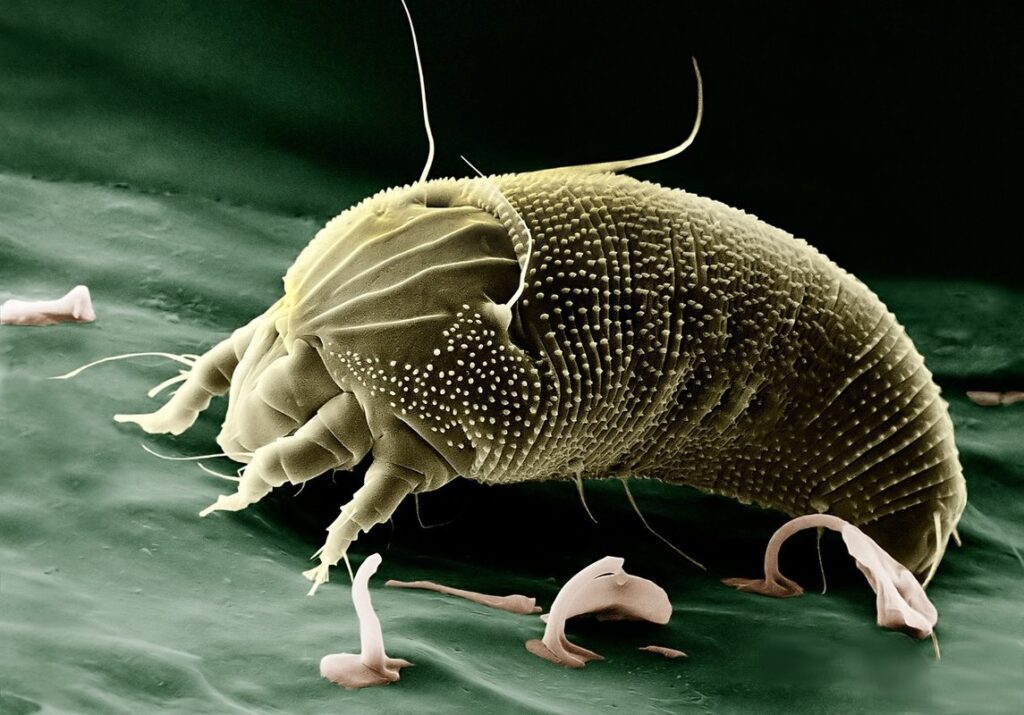
Red spider mites are tiny, eight-legged arachnids that belong to the family Tetranychidae. They are one of the most common and destructive pests that infest indoor plants, gardens, and agricultural fields worldwide. These microscopic mites are barely visible to the naked eye, but their presence can cause significant damage to your plants.
Red spider mites have a few distinctive characteristics that set them apart from other pests. For instance, they have a reddish-brown color, which is more pronounced in females than males. Their bodies are oval-shaped and range from 0.5 to 1 millimeter in length. These tiny arachnids feed on plant sap by piercing the leaves with their mouthparts, causing yellowing or bronzing of leaves, stunted growth, and reduced yields.
Red spider mites thrive in hot and dry environments, making them a common problem in greenhouses and indoor gardens during the summer months. They reproduce rapidly, with females laying up to 20 eggs at a time, which hatch into new mites within two weeks. This rapid breeding cycle makes it essential to identify and treat infestations promptly to prevent further damage.
Common Signs of Infestation
If you suspect that your plants are under attack by red spider mites, it’s essential to recognize the common signs of infestation. One of the most distinctive features is webbing. Red spider mite silk is extremely fine and can be seen on the underside of leaves or on the soil surface. Look for a sticky, white material that may resemble cotton cobwebs.
Another indication of red spider mite infestation is yellowing leaves. These tiny pests feed on plant sap, causing damage to the leaves’ veins and leading to discoloration. As the infestation worsens, you might notice leaves turning pale yellow or even bronzy.
A fine white powder, known as “milk dust” or “mite dust,” can also be a sign of red spider mite presence. This is actually debris left behind by the mites’ digestive processes and is often accompanied by the characteristic webbing. When you see these signs, it’s crucial to take action promptly to prevent further damage.
Keep in mind that early detection is key to successful treatment and prevention. Regularly inspect your plants for these signs, and consider implementing integrated pest management strategies to safeguard against future infestations.
Causes and Contributing Factors
To effectively treat red spider mites, it’s essential to understand what triggers their infestations and how you can prevent them from happening in the first place. Let’s explore some common causes and contributing factors.
Environmental Conditions Favorable to Red Spider Mites
Red spider mites thrive in environments that provide them with optimal conditions for survival and multiplication. Temperature is one such factor, with most species of red spider mites preferring temperatures between 64°F to 90°F (18°C to 32°C). When the temperature rises above 95°F (35°C), they become less active but can still reproduce.
Humidity plays a significant role in their proliferation as well. Red spider mites are highly sensitive to dry conditions and tend to thrive in humid environments, typically between 60% to 80% relative humidity. This makes them more prevalent in regions with high rainfall or near coastal areas.
Light exposure also affects the growth and reproduction of red spider mites. While some species can tolerate moderate light, most prefer partial shade to full shade conditions. In direct sunlight, they tend to be less active due to dehydration.
When considering a garden’s overall environment, these factors should be taken into account to create an unfavorable habitat for red spider mites. By ensuring optimal temperature, humidity, and light levels, you can significantly reduce the chances of infestation and make your plants more resistant to their attacks.
Plant Pests That Attract Red Spider Mites
When it comes to red spider mite infestations, understanding what attracts these pests is crucial for effective treatment and prevention. Red spider mites are often drawn to other pests that share similar environmental preferences. Among the most common attractants are aphids, whiteflies, and mealybugs.
Aphids, in particular, can create a welcoming environment for red spider mites by secreting sticky honeydew that provides a sweet, nutrient-rich food source. Whiteflies also contribute to the problem by spreading diseases such as yellowing leaf spot and stunted growth. Mealybugs, meanwhile, secrete wax to protect themselves from predators, creating an ideal sheltered space for red spider mites.
To minimize the risk of attracting these pests, it’s essential to monitor your plants regularly and take action at the first sign of infestation. Regularly inspect your plants for signs of aphids, whiteflies, or mealybugs, and address any issues promptly with targeted treatments or removal. Keep in mind that a multi-pronged approach may be necessary to effectively control these pests.
Treatment Options for Home Gardeners
As a home gardener, you’ll want to know your options for treating red spider mite infestations effectively without breaking the bank or damaging your plants. Let’s explore some practical solutions for managing these pesky pests.
Organic Methods for Killing Red Spider Mites
If you’re looking to control red spider mites without resorting to harsh chemicals, there are several effective organic methods you can try. Neem oil is a popular and natural alternative that disrupts the mites’ life cycle. Mix neem oil with water according to the label instructions and spray it on your plants until they’re completely wet.
Insecticidal soap is another gentle yet potent option for killing red spider mites. It works by breaking down the mites’ exoskeleton, causing them to dehydrate and die. To use insecticidal soap, mix 2-3 teaspoons of the product with a quart of water and spray it on your plants.
Horticultural oil is also an excellent choice for organic red spider mite control. It suffocates the mites by coating their bodies, ultimately leading to their demise. Use horticultural oil according to the label instructions, making sure to cover all surfaces of the affected plants.
When using any of these oils, be sure to spray them in the early morning or evening to avoid burning your plants’ leaves. Additionally, always test a small area first to ensure the product doesn’t cause any damage.
Chemical Treatments: When to Use Them and How to Apply
When dealing with a severe red spider mite infestation, chemical treatments can be an effective solution to kill these pests and prevent further damage to your plants. Among the various chemical options available, pyrethroids and miticides are commonly used for this purpose.
Pyrethroids work by disrupting the nervous system of the mites, causing them to die within a short period. These synthetic chemicals mimic the natural insecticidal properties found in pyrethrins, which are derived from chrysanthemum flowers. However, it’s essential to note that prolonged use or misuse can harm beneficial insects and the environment.
Miticides, on the other hand, target mites specifically and often contain active ingredients such as bifenazate or spiromesifen. These chemicals can be applied directly to the affected plants using a spray or drench method, providing quick control over the infestation. Always follow the product label instructions for application rates, safety precautions, and environmental guidelines.
Some gardeners also prefer using neem oil, which is derived from the seeds of the neem tree and contains azadirachtin – a potent insecticidal compound that can help manage mite populations. Before applying any chemical treatment, make sure to assess your infestation level and take necessary precautions to minimize exposure.
Prevention Strategies for Red Spider Mite Infestations
Now that you’ve learned how to treat red spider mites, let’s dive into prevention strategies to keep your plants safe from future infestations. Here are some essential tips to help you avoid re-infestation.
Plant Selection and Care
When it comes to preventing red spider mite infestations, selecting plants that are resistant or less susceptible to these pests is a crucial step. Some plants are more prone to red spider mite attacks due to their physical characteristics, such as leaf structure and texture, while others may be more resilient. For example, succulents like aloe vera and echeveria are known for being relatively resistant to red spider mites.
On the other hand, plants with soft or smooth leaves, such as ferns and peace lilies, can be more susceptible to infestations. If you do have these types of plants, it’s essential to take extra precautions to prevent an outbreak. Regular watering habits, fertilization schedules, and pruning techniques can also impact a plant’s susceptibility to red spider mites.
To promote healthy growth and reduce the risk of infestation, ensure your plants receive proper care. Water them thoroughly but avoid overwatering, which can create a humid environment that fosters red spider mite populations. Also, maintain good air circulation around your plants to prevent moisture buildup. By making informed choices about plant selection and incorporating best practices for care, you can significantly reduce the likelihood of a red spider mite infestation in your garden or indoor space.
Integrated Pest Management (IPM) Approaches
When it comes to preventing red spider mite infestations, Integrated Pest Management (IPM) approaches offer a comprehensive and sustainable solution. IPM strategies focus on managing pests through a combination of techniques that minimize harm to the environment and human health.
To start with, monitoring for pests is crucial in identifying early signs of an infestation. Regularly inspect your plants for symptoms such as yellowing leaves, fine webbing, or actual mites visible to the naked eye. You can also use sticky traps or water traps to detect the presence of red spider mites.
Another key aspect of IPM is using physical barriers to prevent infestations. Covering plants with fine mesh screens or fine netting can keep mites at bay, especially when bringing in new plants from outdoors. Introducing beneficial insects such as lady beetles, lacewings, or predatory mites that feed on red spider mites can also help control populations.
By implementing these IPM strategies, you’ll not only reduce the risk of infestations but also create a balanced ecosystem that promotes plant health and resilience.
Common Mistakes in Red Spider Mite Treatment
We’ve all been there: convinced we’re doing everything right, only to realize that our treatment plan is actually making things worse. Let’s explore some common mistakes to avoid in red spider mite treatment.
Misidentification of the Problem
When tackling a red spider mite infestation, it’s crucial to avoid making assumptions about its cause. Misidentifying the problem can lead to ineffective treatment and potentially damage your plants further. For instance, you might mistakenly attribute symptoms like yellowing leaves or fine webbing to overwatering or lack of nutrients.
Before starting treatment, inspect your plants thoroughly for telltale signs of red spider mites, such as fine webs on stems and leaves, tiny eggs attached to the underside of leaves, and actual mite presence. It’s also essential to rule out other potential causes like fungal diseases, aphid infestations, or nutrient deficiencies.
To accurately diagnose a red spider mite problem, take a closer look at the affected areas under magnification. Check for characteristic damage patterns, like stippling on leaves due to feeding activity. Be cautious not to misattribute signs of stress caused by factors unrelated to mites. By carefully examining your plants and considering multiple possibilities, you’ll increase the chances of identifying the root cause and implementing a targeted treatment plan.
Overuse or Underuse of Chemicals
When it comes to treating red spider mites, many gardeners make the mistake of overusing or underusing chemical treatments. This can have serious consequences for both your plants and the environment.
On one hand, overusing chemicals can lead to residues that linger on leaves and soil, harming beneficial insects and even contaminating water sources. For instance, neem oil, a common pesticide, can be toxic to bees and other pollinators if used excessively. A study found that repeated exposure to neem oil reduced the lifespan of honeybees by up to 30%.
On the other hand, underusing chemicals can lead to inadequate control of mite populations, allowing infestations to persist and potentially spreading to other plants. This can result in significant yield losses and even plant death.
To strike a balance, it’s essential to follow the recommended application rates for chemical treatments. Start with lower concentrations and gradually increase as needed, monitoring your plants’ response closely. Regularly inspect your plants for signs of mite infestation and take action promptly to prevent population growth.
Conclusion: Combining Prevention and Treatment Strategies
In conclusion, managing red spider mite infestations requires a multi-faceted approach that combines prevention and treatment strategies. To effectively combat these pests, it’s essential to integrate both preventative measures and targeted treatments into your gardening routine. For instance, maintaining a clean and well-ventilated growing environment can help prevent mites from reproducing and spreading. This may involve regularly inspecting plants for signs of infestation and promptly addressing any issues that arise.
By combining prevention strategies with effective treatment methods, gardeners can significantly reduce the risk of red spider mite infestations and protect their plants from damage. For example, if you notice early warning signs of a mite infestation, such as yellowing leaves or fine webbing, you can quickly apply targeted treatments like insecticidal soap or neem oil to control the population. By taking a proactive and holistic approach to red spider mite management, gardeners can enjoy healthier, more resilient plants year-round.
Frequently Asked Questions
Can I use neem oil for multiple treatments, or do I need to switch to a different pesticide after each application?
Yes, you can use neem oil as part of an integrated pest management (IPM) approach for repeated treatments. In fact, neem oil’s mildewcide and insecticidal properties make it an excellent choice for long-term control of red spider mites. However, always follow the product label instructions and take necessary precautions to avoid overuse or underuse.
How often should I inspect my plants for signs of infestation after treating with a pesticide?
Inspect your plants regularly, ideally every 7-10 days, to catch any potential red spider mite resurgence early. This will also help you evaluate the effectiveness of the treatment and identify any areas where further improvement is needed.
Can I use companion planting as a standalone method for preventing red spider mites?
While certain plants like basil, mint, and lemongrass have natural repellent properties that can deter pests, they may not provide sufficient protection against red spider mite infestations on their own. Companion planting is best used in combination with other prevention strategies.
How do I know if I’ve overused or underused a pesticide when treating for red spider mites?
Overuse can lead to pesticide resistance, while underuse might not effectively control the infestation. Keep an eye on your plants’ response to treatment, and adjust your application frequency or choice of pesticide as needed.
What are some common signs that I’ve misidentified the problem as a red spider mite infestation when it’s actually something else?
Misidentification can occur if you’re not familiar with the pests or diseases affecting your plants. Look for characteristic symptoms like fine webbing, yellowing leaves, or actual pests like mealybugs, thrips, or aphids to confirm whether you have a red spider mite problem.