
Red hot peppers add a burst of flavor and heat to any dish, but did you know there’s a whole world of varieties waiting to be explored? From the sweet and smoky flavors of chipotle peppers to the fiery intensity of cayenne, red hot peppers come in a range of colors, shapes, and spice levels. Whether you’re a seasoned chef or just starting to experiment with new recipes, understanding the unique characteristics of different red hot peppers can help you unlock their full potential in cooking. In this article, we’ll delve into the world of red hot peppers, covering everything from popular types and growing tips to creative ways to use them in your kitchen and even their potential health benefits – so let’s get started on an exciting culinary adventure!
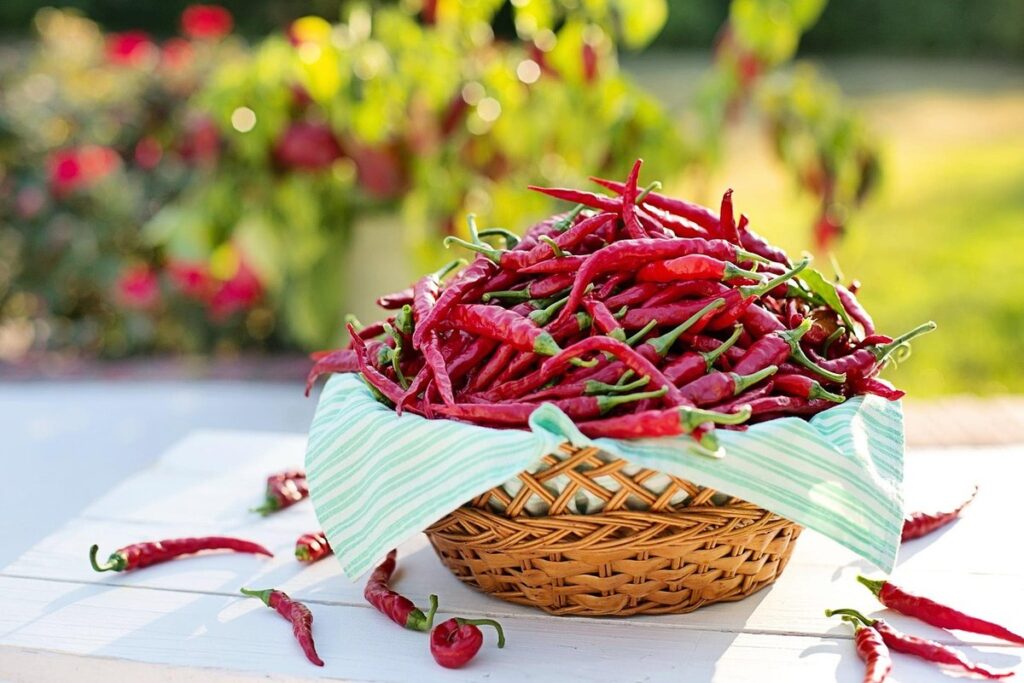
What are Red Hot Peppers?
Red hot peppers get their vibrant color from a process called lycopene synthesis, where chlorophyll breaks down as the pepper ripens. This transformation is what sets them apart from other varieties.
Definition and Classification
Red hot peppers are a type of sweet and spicy pepper that has gained popularity worldwide due to its unique flavor profile. To understand what red hot peppers are all about, let’s start with their definition: they belong to the Capsicum family, which encompasses a wide range of pepper varieties, from sweet bell peppers to fiery hot ones.
Within the Capsicum family, red hot peppers are classified as part of the species Capsicum annuum and Capsicum frutescens. These two species are further divided into several subspecies based on factors like fruit shape, size, color, and heat level. The most common varieties of red hot peppers include Cayenne, Serrano, and Habanero.
Red hot peppers have been cultivated for thousands of years in Central and South America, where they were considered a delicacy by the indigenous people. Today, these peppers are grown commercially in many parts of the world, including Asia, Africa, and North America. Their popularity can be attributed to their intense heat, which ranges from 15,000 to 100,000 Scoville Heat Units (SHU), depending on the variety.
When choosing red hot peppers for your kitchen, look for those that are firm, glossy, and free of blemishes. Store them in a cool, dry place to preserve their flavor and heat level. Remember, when handling these peppers, wear gloves to avoid irritation, especially if you have sensitive skin.
Characteristics of Red Hot Peppers
Red hot peppers come in various shapes and sizes, but most have an elongated, slightly curved form with a pointed tip. They can range from 2 to 6 inches in length, making them easy to handle and incorporate into recipes. Some popular varieties like the Red Habanero or Red Cayenne are smaller, while others like the Red Fresno or Red Thai chilies are longer.
The color of red hot peppers is perhaps their most distinctive feature. They can range from a deep, rich red to a more vibrant scarlet or even a slightly orange-tinged hue. The exact shade often depends on factors like the pepper’s ripeness and growing conditions. In terms of texture, fresh red hot peppers are typically firm but tender, with a slight give when pressed.
To identify whether your red hot pepper is ripe, gently press its skin – if it yields to pressure but still feels slightly springy, it’s ready for use in cooking. Be cautious not to squeeze too hard, as this can damage the pepper and make it unusable.
Types of Red Hot Peppers
Let’s explore some of the most popular types of red hot peppers, each with its own unique flavor and heat level that adds excitement to any dish. From sweet and smoky to fiery and intense, you’ll discover them all here.
Bell Pepper Variations
While bell peppers and hot peppers may seem like vastly different types of peppers, some popular varieties are often mistaken for being a part of the same family. One reason is their vibrant red color, but unlike red hot peppers that pack intense heat, these peppers offer sweetness instead.
Bell pepper enthusiasts will love exploring various red bell pepper varieties, such as the classic California Wonder and Sweet Minnie. These two popular options boast an array of desirable traits: thick walls for snappy texture, sweet flavor without bitterness, and high yields for gardeners who can’t get enough.
In particular, the California Wonder is prized for its exceptional sweetness, glossy appearance, and ability to stay crunchy even after cooking. The Sweet Minnie, on the other hand, boasts an attractive deep red color with hints of green around the stem, and it’s also relatively easy to grow in containers.
When shopping or growing these varieties, keep in mind that they can be used interchangeably in most recipes calling for bell peppers. Enjoy their natural sweetness and crunchy texture as a salad topping, roasted side dish, or sautéed with your favorite ingredients. Experiment with different preparations to find the perfect way to highlight their unique characteristics.
Chili Pepper Varieties
Among the diverse array of red hot peppers, several varieties stand out for their vibrant red color and pungent flavor. When it comes to chili pepper varieties that turn red when ripe, Jalapeño is one of the most popular choices. Known for its moderate heat level, Jalapeños are a staple in many cuisines worldwide, adding a burst of flavor to dishes like tacos, salads, and salsas.
For those seeking an even spicier option, Serrano peppers offer a potent kick that’s sure to leave a lasting impression. These small, thin-walled peppers pack a punch with their intense heat, which is amplified by their bright red color when ripe. Cayenne peppers are another variety that turns red as it ripens, offering an impressive heat level and versatility in both sweet and savory applications.
Each of these varieties brings its unique characteristics to the table, making them ideal for adding depth and heat to a range of dishes. Whether you’re looking to spice up your cooking or experiment with new flavors, incorporating Jalapeño, Serrano, and Cayenne peppers into your repertoire is sure to elevate your culinary game.
Growing Red Hot Peppers
Now that you’ve got your seeds, let’s talk about how to grow those beautiful red hot peppers. With a little care and attention, you’ll be harvesting them in no time!
Climate and Soil Requirements
When growing red hot peppers, understanding the ideal climate and soil conditions is crucial for their success. First and foremost, these pepper plants require a warm and sunny environment to thrive. They love temperatures between 65°F and 85°F (18°C and 30°C), with an optimal temperature range of 70°F to 80°F (21°C to 27°C) during the day.
When it comes to sunlight, red hot peppers need full sun to partial shade. Direct sunlight for at least six hours a day is recommended, but if you live in a region with intense heat, providing some afternoon shade can help prevent scorching.
In terms of soil conditions, these pepper plants prefer well-draining soil with a pH between 6.0 and 7.0. If your soil is too alkaline or acidic, it may lead to nutrient deficiencies and affect the plant’s overall health. To check your soil pH, you can purchase a testing kit or consult with a local nursery expert.
Additionally, make sure your soil has good drainage holes to prevent waterlogged conditions that can lead to root rot. A mix of compost and well-draining potting soil can provide an ideal environment for these pepper plants to grow.
Propagation Methods
When it comes to growing red hot pepper plants, propagation is a crucial step that can make all the difference in the world. There are several methods you can use to propagate your red hot peppers, and we’ll explore two of the most popular ones: seed starting and transplanting.
Seed starting involves sowing seeds indoors 6-8 weeks before the last frost date in your area. This method allows for more control over the growing conditions and ensures a head start on the season. Simply sow the seeds about ¼ inch deep in a seed tray or small pots filled with a good quality potting mix. Keep the soil consistently moist but not waterlogged, and provide sufficient light – ideally under grow lights or in a sunny windowsill.
Transplanting involves moving established pepper plants from one location to another. This method is ideal for gardeners who want to propagate their favorite varieties or share them with friends. To transplant successfully, wait until the seedlings have 2-3 sets of leaves and then carefully dig around the roots using a fork to loosen the soil. Gently lift the plant out of its container and transfer it to a larger pot or directly into the garden bed, taking care not to disturb the root system.
Both methods require attention to detail and careful handling to ensure successful propagation. For optimal results, make sure to handle the seedlings or transplants gently, avoid over-handling which can cause shock, and maintain consistent watering and fertilization schedules. By following these simple steps, you’ll be well on your way to growing healthy, thriving red hot pepper plants that will add a burst of flavor and color to any dish.
Uses and Benefits of Red Hot Peppers
Red hot peppers aren’t just a spicy addition to your favorite dishes, they also pack a punch when it comes to overall health benefits. Let’s explore some of their most impressive uses.
Culinary Uses
Red hot peppers add an unmistakable kick to various dishes and can be used in a multitude of ways. When it comes to sauces, incorporating red hot peppers into your favorite marinara or salsa gives the flavors an instant boost. For instance, try adding one diced red hot pepper to your homemade pasta sauce for an added depth of flavor.
Their versatility also extends to using them as a marinade ingredient. Red hot peppers pair surprisingly well with meats like chicken and beef, especially when combined with olive oil, garlic, and herbs like thyme or oregano. To make a simple marinade, mince one red hot pepper and mix it with 1/2 cup of olive oil, 4 cloves of minced garlic, 2 tablespoons of chopped fresh thyme, salt, and pepper.
When used as a flavor enhancer, red hot peppers can elevate even the most mundane dishes. For example, sprinkle some diced red hot pepper over roasted vegetables like Brussels sprouts or carrots to add a surprising kick. The key is to balance their heat with other ingredients so that it doesn’t overpower the dish entirely.
To get started, keep in mind that when using red hot peppers in cooking, a little goes a long way. Start by adding small amounts and adjust to taste. This will allow you to appreciate their unique flavor without overwhelming your senses.
Health Benefits
Consuming red hot peppers has been associated with numerous health benefits, making them an excellent addition to a balanced diet. One of the primary advantages is their ability to reduce inflammation in the body. The capsaicin content in red hot peppers acts as a natural anti-inflammatory agent, helping alleviate symptoms of arthritis and other inflammatory conditions.
Red hot peppers also possess vasodilatory properties, which can improve blood circulation throughout the body. This increased circulation helps lower blood pressure and may even aid in weight loss by boosting metabolism. Furthermore, capsaicin has been found to have antioxidant properties, protecting cells from oxidative damage and potentially reducing cancer risk.
To reap these benefits, you don’t need to consume extremely spicy dishes. Even mild red hot peppers can provide a health boost when incorporated into meals. Try adding diced or sliced red bell peppers to salads or stir-fries for a flavorful and nutritious twist. You can also take advantage of capsaicin’s benefits by using red pepper flakes in moderation as an added flavor enhancer.
When incorporating red hot peppers into your diet, it’s essential to remember that individual tolerance levels may vary greatly. Start with small amounts to avoid discomfort or irritation.
Preparing and Handling Red Hot Peppers
When working with red hot peppers, it’s essential to handle them carefully to avoid skin irritation and maintain their potency. Learn how to prepare and handle these fiery gems safely and effectively here.
Preparation Methods
Preparing red hot peppers requires some finesse to bring out their unique flavor and heat. When it comes to preparation methods, there are several ways to go about it. Chopping is one of the most common methods, where you can use a knife or a food processor to mince the peppers into small pieces. This method works well for adding red hot peppers to salsas, sauces, and marinades.
Slicing is another way to prepare red hot peppers, which is ideal for using them as a topping or ingredient in salads. To slice the peppers thinly, place them on their side and cut them into even strips. Roasting brings out the natural sweetness of the peppers, making them less spicy but still packed with flavor. Simply place the peppers on a baking sheet, drizzle with oil, and roast at 400°F (200°C) for about 30-40 minutes or until the skin is blistered.
When chopping or slicing red hot peppers, always use gloves to protect your hands from the oils that contain the heat. Also, make sure to wash the peppers thoroughly before handling them. With these preparation methods, you’ll be able to unlock the full flavor potential of red hot peppers in various dishes.
Safety Precautions
When handling red hot peppers, safety should always be your top priority. One of the most essential precautions is to wear protective gloves when working with these spicy gems. The oils present in red hot peppers can cause irritation and discomfort if they come into contact with your skin. Avoid touching your face or eyes while handling red hot peppers, as the oils can cause burning sensations.
It’s also crucial to wash your hands thoroughly after handling red hot peppers, even if you’ve worn gloves. This will prevent any accidental transfer of oils to other parts of your body. To store red hot peppers safely, keep them in a well-ventilated area away from direct sunlight. Make sure the container is airtight and dry to maintain freshness.
When chopping or slicing red hot peppers, be mindful of the seeds and membranes, which contain the highest concentration of capsaicin. Avoid touching these areas as much as possible, and use a gentle cutting motion to minimize oil release. By following these simple safety precautions, you’ll be able to enjoy the benefits of red hot peppers while minimizing any potential discomfort or irritation.
Conclusion: Embracing the Flavors of Red Hot Peppers
As you’ve now explored the world of red hot peppers, it’s time to summarize our key takeaways and share some final thoughts on embracing their bold flavors.
Final Thoughts
As we conclude our comprehensive guide to the world of red hot peppers, we hope you’re now equipped with the knowledge and inspiration to experiment with these fiery delights in your cooking. Whether you’re a seasoned chef or an adventurous home cook, the possibilities are endless when it comes to incorporating red hot peppers into your recipes.
Let’s recap some key takeaways: from the Scoville heat units of popular varieties like Habanero and Cayenne, to their uses in traditional cuisines around the world – from Korean Kimchi to Mexican Salsa. We’ve also explored the benefits of adding red hot peppers to your diet, including increased metabolism and antioxidant properties.
But now it’s time to put this knowledge into practice! Try substituting sliced red bell peppers for jalapeños in your favorite stir-fry recipe, or add a dash of cayenne pepper to give your morning omelette an extra kick. Experiment with different preparation methods – roasted, grilled, or sautéed – to bring out the unique flavors and textures of each variety.
To take it to the next level, consider growing your own red hot peppers at home. With a little care and attention, you’ll have access to fresh, organic peppers right in your backyard. Plus, there’s something special about harvesting your own produce and enjoying the fruits of your labor (or should we say, the heat of your labor!).
Remember, the world of red hot peppers is all about exploration and discovery. Don’t be afraid to try new combinations and flavor profiles – after all, that’s where the magic happens! So go ahead, get creative, and unleash the flavors of these incredible ingredients in your cooking. Your taste buds will thank you.
Frequently Asked Questions
Can I grow red hot peppers indoors if I don’t have a garden?
Yes, you can definitely grow red hot peppers indoors with the right conditions. They thrive in bright light, so make sure to place them near a sunny window or under grow lights. Keep the soil warm (around 70-80°F) and consistently moist but not waterlogged. This will help your pepper plants produce plenty of those delicious red fruits.
How can I preserve fresh red hot peppers for later use?
To enjoy your fresh red hot peppers throughout the year, consider preserving them through methods like freezing, dehydrating, or pickling. Freezing is a great way to retain their flavor and heat, while dehydration will help you store them for longer periods. For pickling, use a brine solution that complements their sweet and spicy taste.
What are some potential health risks associated with consuming red hot peppers?
While red hot peppers can offer various health benefits due to their high vitamin C content and antioxidant properties, consuming large quantities may cause issues like heartburn, stomach upset, or allergic reactions in rare cases. If you’re new to eating them, start with small amounts and observe how your body reacts.
How can I incorporate more variety into my red hot pepper cultivation?
To create a diverse and thriving red hot pepper garden, experiment with different species within the Capsicum family, such as Capsicum annuum and Capsicum frutescens. You can also explore various climates and soil requirements to see what works best for your specific region. This will not only expand your harvest but also provide you with unique flavors to add to your recipes.
Can I use red hot peppers in sweet dishes, or are they strictly savory?
Absolutely! Red hot peppers can be a wonderful addition to sweet treats like baked goods, smoothies, and even desserts. Their sweetness complements the heat, creating an intriguing flavor combination that will elevate your baked delights.