
Raspberries and blackberries are two of the most popular types of bramble fruits, but have you ever stopped to think about what sets them apart? While they may look similar at first glance, these two berries have some surprising differences that make them unique in their own ways. From their botanical classification to their taste, nutrition, and health benefits, there’s more to raspberries and blackberries than meets the eye.
In this comprehensive guide, we’ll delve into the fascinating world of raspberries and blackberries, exploring what makes each one special. We’ll cover everything from their growth habits and flavor profiles to their nutritional content and potential health benefits. Whether you’re a seasoned gardener or just a berry enthusiast, you won’t want to miss out on this in-depth look at the differences between raspberries and blackberries.
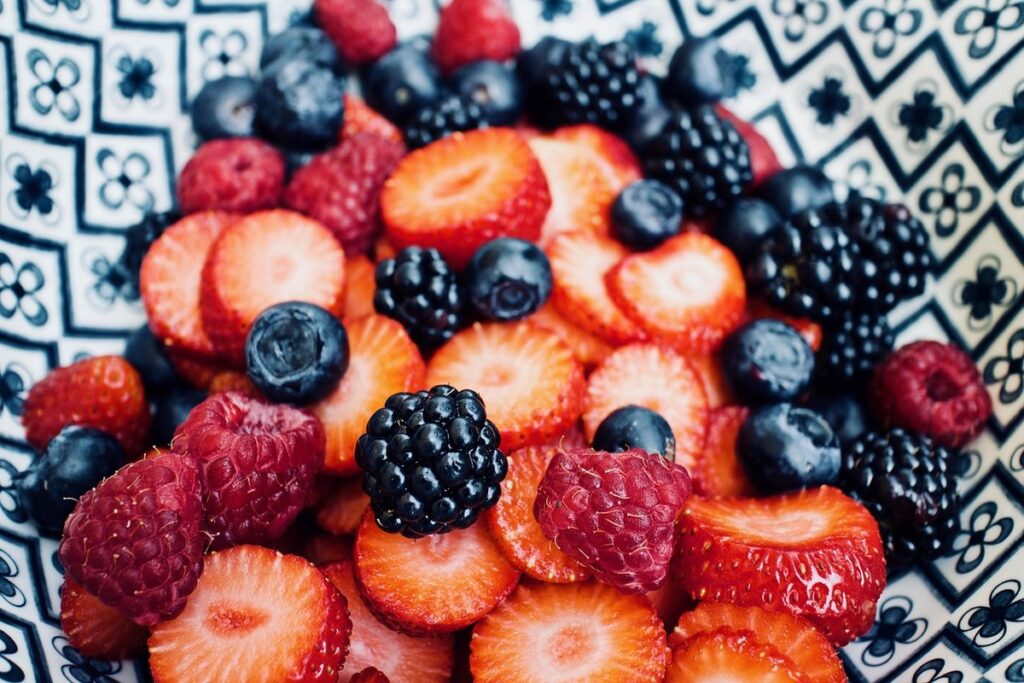
What are Raspberries and Blackberries?
Let’s start by understanding what these two delicious fruits are all about, as we dive into their unique characteristics and origins. In this next section, we’ll explore where raspberries and blackberries come from.
Introduction to the Fruit Family
If you’re new to the world of raspberries and blackberries, it’s essential to understand where they belong within the fruit family. Both fruits are members of the Rosaceae family, which is a diverse group of flowering plants that also includes apples, pears, strawberries, and apricots.
Raspberries (Rubus idaeus) and blackberries (Rubus fruticosus) share many similarities in terms of their growth habits and physical characteristics. They are both aggregate fruits, meaning they are formed from multiple ovaries in a single flower. This unique characteristic is one reason why raspberries and blackberries have such distinctive appearances.
One key difference between the two is the way their fruit grows. Raspberries grow on individual stems called canes, while blackberries tend to grow in clusters. When foraging or selecting fresh raspberries and blackberries, look for fruits with vibrant colors and a sweet aroma. Be aware that both berries are high in antioxidants and offer numerous health benefits when consumed as part of a balanced diet.
Botanical Differences Between Raspberries and Blackberries
When it comes to the botanical differences between raspberries and blackberries, there are several distinct features that set these two types of bramble fruits apart. Raspberries (Rubus idaeus) have a unique characteristic called ” aggregate fruit,” meaning they are formed from multiple ovaries in a single flower. This results in a hollow, cup-like structure with small drupelets attached to the central core.
In contrast, blackberries (Rubus spp.) have a single ovary per flower, resulting in a solid, fleshy fruit. Blackberry stems, or canes, are also typically longer and more robust than those of raspberries, often growing up to 10 feet tall. Raspberries, on the other hand, tend to grow shorter canes that can be more compact and bushy.
One key difference in growth habits is how these plants spread. Blackberries tend to produce new shoots from their roots, allowing them to quickly colonize a given area. Raspberries, by contrast, produce new canes from the tips of existing stems. Understanding these differences can help you choose the right variety for your garden or landscape needs.
Origins and History of Cultivation
The origins of these two delicious berries date back thousands of years, with cultivation evolving over time to reach the wide range of varieties we enjoy today. Let’s take a brief look at how raspberries and blackberries came to be.
Ancient Origins of Raspberries and Blackberries
The ancestors of raspberries and blackberries have been delighting humans for thousands of years. Let’s take a journey to their ancient origins.
Raspberries are believed to have originated in Eastern Europe and Asia, with evidence suggesting they were first domesticated around 600 AD in the Caucasus region. The name ‘raspberry’ is thought to come from the Latin word “ruber,” meaning red, which likely refers to the fruit’s distinctive color. For centuries, raspberries were highly prized for their sweet-tart flavor and medicinal properties.
Blackberries, on the other hand, have a longer history of cultivation, dating back around 2,000 years to ancient Rome and Greece. They were considered a delicacy by the Romans and were often served at banquets. Blackberries are thought to be native to Europe, North Africa, and Western Asia. Both raspberries and blackberries have been naturalized in many parts of the world through human cultivation.
Interestingly, both fruits were initially more valued for their medicinal properties than their flavor. Raspberries were used to treat a variety of ailments, from sore throats to digestive issues, while blackberries were believed to have antiseptic properties. It wasn’t until later that they became widely cultivated and enjoyed for their unique flavors and textures.
Today, we can still appreciate the rich history behind these two beloved fruits. By understanding where they come from, we can gain a deeper appreciation for the journey they’ve taken to reach our plates.
Evolution of Raspberry and Blackberry Cultivation Over Time
The evolution of raspberry and blackberry cultivation has been a long and winding road that spans centuries. From humble beginnings as wild fruits to becoming one of the most cultivated berries worldwide, these two fruits have undergone significant transformations over time. In Europe, for instance, raspberries were first recorded in the 17th century, while blackberries date back even further, with evidence of cultivation found in ancient Roman and Greek civilizations.
Through selective breeding and hybridization, farmers have developed an incredible range of varieties that cater to different climates, tastes, and purposes. Today’s raspberry cultivars can be categorized into four distinct types: summer-bearing, fall-bearing, autumn-fruiting, and ever-bearing. Similarly, blackberry varieties are classified as either erect or semi-erect, depending on their growth habit.
This extensive breeding program has enabled growers to create varieties that thrive in a wide range of environments, from temperate regions to tropical climates. By understanding the history behind these cultivated berries, you can better appreciate the incredible diversity of raspberry and blackberry varieties available today.
Taste, Texture, and Aroma Profiles
When it comes to enjoying raspberries and blackberries, the differences in taste, texture, and aroma are quite distinct. Let’s dive into how these unique profiles set each fruit apart from one another.
Raspberries: Sweet-Tart Flavor Profile
Raspberries are renowned for their one-of-a-kind sweet-tart flavor profile that leaves many enthusiasts wanting more. This unique characteristic stems from a delicate balance of sugars and acids within the fruit’s composition. While they do contain natural sugars, which contribute to their sweetness, the dominant presence of malic acid provides an invigorating tartness.
When it comes to taste, raspberries tend to lean towards being slightly more tart than sweet. This subtle imbalance creates a fascinating dynamic that makes them incredibly refreshing and appealing to consumers. Moreover, the flavor profile is also influenced by factors such as ripeness, variety, and growing conditions – showcasing the intricate relationship between environment and flavor.
A significant aspect of raspberries’ flavor profile is their distinct ‘brightness’. Unlike some other fruits, which can be overwhelming with sweetness or tartness, raspberries’ balanced acidity lends them a crisp, revitalizing quality. This characteristic makes them an excellent addition to a wide array of dishes, from desserts and sauces to salads and beverages.
Blackberries: Earthy-Sweet Taste Experience
Blackberries are renowned for their distinct earthy-sweet taste experience, which sets them apart from raspberries. When you bite into a ripe blackberry, the initial sweetness hits your taste buds first, followed by a rich, earthy undertone that lingers pleasantly. This unique flavor profile is due in part to the high concentration of anthocyanins and ellagic acid present in blackberries.
In contrast to raspberries, which have a more tart and slightly sweet taste, blackberries’ earthy sweetness is a defining characteristic. Blackberry enthusiasts often describe their flavor as having hints of dark chocolate, coffee, or even a subtle smokiness. This complex taste experience makes blackberries a favorite among chefs and home cooks who want to add depth and nuance to their recipes.
To fully appreciate the earthy-sweet taste of blackberries, try pairing them with ingredients that enhance their natural flavors, such as balsamic vinegar, olive oil, or crumbled goat cheese. Experimenting with different cooking methods, like roasting or grilling, can also bring out the best in blackberries and showcase their unique flavor profile. By embracing the earthy sweetness of blackberries, you’ll unlock a world of culinary possibilities that are uniquely yours to explore.
Texture and Aroma Differences Between Raspberries and Blackberries
When it comes to texture and aroma profiles, raspberries and blackberries exhibit distinct characteristics. Raspberries are known for their delicate, fragile texture that’s easily bruised. In contrast, blackberries have a slightly firmer texture that’s more robust. This difference is due in part to the structure of each fruit: raspberries are aggregate fruits formed from multiple ovaries, while blackberries are single-fruit berries with a fleshy exterior.
In terms of aroma, raspberries boast a sweet-tart fragrance that’s both inviting and tantalizing. Blackberries, on the other hand, have an earthy sweetness that’s slightly more subtle. This difference in aroma is reflective of each fruit’s unique flavor profile: raspberries are generally sweeter and more acidic, while blackberries are earthier and less tart. When selecting berries for a recipe or snack, consider these texture and aroma differences to enhance the overall experience. For instance, if you’re looking for a snappy texture, choose blackberries. If you prefer a more delicate flavor, raspberries might be the better choice.
Nutritional Profiles: Key Differences
When it comes to making informed choices, understanding the nutritional profiles of raspberries and blackberries is essential. Let’s break down the key differences between these two popular berries.
Raspberry Nutrition Facts: High in Antioxidants and Fiber
When it comes to their nutritional profile, raspberries stand out for their impressive array of essential vitamins and minerals. One of the key benefits of consuming raspberries is their high content of antioxidants, which play a crucial role in protecting our cells from damage caused by free radicals.
Raspberries are particularly rich in ellagic acid, a potent antioxidant that has been shown to have anti-inflammatory properties. In fact, according to data from the United States Department of Agriculture (USDA), a single cup of fresh raspberries provides a whopping 22 milligrams of ellagic acid, which is approximately 30% of the recommended daily intake.
In addition to their high antioxidant content, raspberries are also an excellent source of dietary fiber. A single serving of raspberries contains about 4 grams of fiber, making them an ideal snack for those looking to boost their fiber intake. This can be particularly beneficial in supporting digestive health and satiety. To reap the most benefits from raspberry nutrition, consider incorporating fresh or frozen berries into your daily meals or as a healthy snack on-the-go.
Blackberry Nutrition Facts: Good Source of Manganese and Vitamin C
Blackberries are a nutrient-rich fruit that provides an array of essential vitamins and minerals. One key benefit of incorporating blackberries into your diet is their high content of manganese, a mineral crucial for bone health and metabolism. In fact, one cup of fresh or frozen blackberries contains approximately 0.8 milligrams of manganese, which accounts for about 40% of the recommended daily intake.
Blackberries are also an excellent source of vitamin C, with a single serving providing around 30% of the daily recommended amount. This antioxidant-rich vitamin is vital for immune system function and can help protect against oxidative stress. Other essential vitamins found in blackberries include vitamin K, folate, and potassium.
When choosing blackberries at your local market or grocery store, look for fresh, plump berries with a deep purple hue. Avoid berries that are soft or moldy, as they may have begun to spoil. To maximize the nutritional benefits of blackberries, consider consuming them raw or adding them to salads, oatmeal, or yogurt.
Health Benefits and Potential Risks
While both raspberries and blackberries are nutritious, it’s essential to understand their unique health benefits and potential risks that you should be aware of. Let’s break down what you need to know.
Raspberries: High in Antioxidants and Anti-Inflammatory Compounds
Raspberries are a nutrient-dense food that can provide numerous health benefits when consumed regularly. One of their most significant advantages is their high antioxidant content. Antioxidants play a crucial role in neutralizing free radicals, which can damage cells and contribute to various diseases. Raspberries contain a range of antioxidants, including ellagic acid, anthocyanins, and quercetin, making them one of the top antioxidant-rich fruits.
The anti-inflammatory properties of raspberries are also noteworthy. Chronic inflammation is linked to various health conditions, including cardiovascular disease, diabetes, and certain cancers. The polyphenols present in raspberries have been shown to reduce inflammation by inhibiting the production of pro-inflammatory enzymes. This can help protect against cell damage and promote overall well-being.
To incorporate more raspberries into your diet, consider adding fresh or frozen berries to oatmeal, yogurt, or smoothies. You can also use them as a topping for salads or as an ingredient in homemade jam recipes. The health benefits of raspberries make them an excellent addition to a balanced diet, and their versatility ensures they can be enjoyed in a variety of ways.
Blackberries: Supports Cardiovascular Health and Digestive System Function
Blackberries are an excellent choice for those looking to support their cardiovascular health and digestive system function. The unique nutrient profile of blackberries makes them an ideal addition to a healthy diet. Rich in fiber, vitamins C and K, and minerals like manganese and copper, blackberries provide essential nutrients that can help maintain a healthy heart and digestive system.
The high levels of anthocyanins in blackberries have been shown to have anti-inflammatory properties, which can help lower blood pressure and reduce the risk of cardiovascular disease. Additionally, the fiber content in blackberries helps regulate bowel movements, preventing constipation and promoting regular digestion. This is especially beneficial for individuals with conditions such as diverticulitis or irritable bowel syndrome (IBS).
To reap the benefits of blackberry consumption, try incorporating them into your diet by adding fresh berries to oatmeal or yogurt, blending them into smoothies, or using frozen blackberries in baked goods. Aim for a serving size of 1/2 cup per day and experiment with different preparation methods to find your favorite way to enjoy these nutritious berries.
Growing and Caring for Raspberries and Blackberries
Now that we’ve explored the differences between raspberries and blackberries, let’s dive into how to grow and care for these delicious fruits in your garden. With the right techniques, you’ll be enjoying a bountiful harvest all summer long!
Tips for Growing Raspberries in Home Gardens
Growing raspberries at home can be a rewarding experience, but it requires some care and attention to detail. To start, choose a location that receives full sun and has well-draining soil with a pH between 5.5 and 6.5. Raspberries prefer slightly acidic soil, so test your soil before planting to ensure it’s within the ideal range.
When preparing the soil, add organic matter like compost or manure to improve its fertility and drainage. You can also mix in some mulch around the plants to retain moisture and suppress weeds. Water the plants regularly during their first year of growth, but avoid overwatering which can lead to root rot.
Pruning is essential for promoting healthy growth and fruit production. Remove any dead or diseased canes in late winter or early spring, and cut back new growth to about 6-8 inches from the ground. This will help control disease and encourage new shoots to develop. With proper care and attention, your raspberry plants should thrive and produce delicious fruits for years to come.
Some important notes: raspberries have a shallow root system, so avoid tilling the soil too deeply, as this can damage the roots. Also, be aware that raspberries are susceptible to pests like aphids and spider mites, so keep an eye out for any signs of infestation and take action promptly if necessary.
Best Practices for Growing Blackberries: Choosing the Right Variety and Climate Conditions
When growing blackberries, choosing the right variety and climate conditions is crucial for success. With hundreds of varieties to choose from, selecting a suitable one can be overwhelming. Start by considering the specific needs of your local area, including the amount of sunlight, soil type, and temperature fluctuations.
Choose a variety that’s known to thrive in your region, such as ‘Arapaho’ or ‘Navaho’, which are resistant to heat and drought. If you live in an area with cool winters, select varieties like ‘Apache’ or ‘Triple Crown’, which tolerate frost. Be mindful of space constraints; some blackberry varieties can grow quite large.
In addition to selecting a suitable variety, climate conditions play a significant role in determining the success of your blackberry crop. Blackberries prefer full sun (at least 6 hours direct sunlight) and well-draining soil with a pH between 5.5 and 6.5. Avoid planting in areas prone to waterlogging or frost pockets.
When selecting a location, consider the mature size of the variety you choose and ensure it will have enough space to grow without overcrowding nearby plants. A little planning and research upfront can go a long way in ensuring your blackberry patch thrives.
Conclusion: Final Thoughts on Raspberry vs Blackberry Differences
In conclusion, understanding the differences between raspberries and blackberries is crucial for gardening enthusiasts and foodies alike. By now, you should have a good grasp of the unique characteristics that set these two popular berries apart. Raspberries are generally easier to grow and maintain, with canes that produce multiple harvests throughout the season. Blackberries, on the other hand, require more care and attention, but offer a sweet and earthy flavor that’s hard to resist. Whether you’re planning a summer harvest or looking for a new addition to your favorite recipes, knowing the differences between raspberries and blackberries will help you make informed choices and get the most out of these delicious fruits.
When selecting berries for your garden or grocery list, remember that each variety has its own strengths and weaknesses. Consider factors like climate, soil type, and maintenance needs when deciding which berry is best for you. By taking the time to research and understand the differences between raspberries and blackberries, you’ll be well on your way to growing and enjoying these tasty fruits all season long.
Frequently Asked Questions
Can I grow raspberries and blackberries together in the same garden?
Growing raspberries and blackberries can be challenging, as they have different growing requirements. Raspberries are more susceptible to fungal diseases, which can spread to blackberries if grown in close proximity. To minimize this risk, consider separating them by at least 10-15 feet or using row covers to prevent disease transmission.
Are raspberries and blackberries interchangeable in recipes?
While both fruits have a similar texture and sweetness level, their flavor profiles differ significantly. Raspberries are generally sweeter and more tart than blackberries, which tend to be earthier and slightly sweet. Experiment with small batches to determine the best fruit combination for your recipe.
Can I use frozen raspberries or blackberries instead of fresh ones in baking?
Frozen berries can be a convenient substitute for fresh ones, but their texture may change during cooking. Frozen raspberries tend to break down more easily, releasing excess juice and affecting the final consistency. Blackberries retain their shape better when thawed, making them a better choice for baked goods.
Are raspberries and blackberries high in sugar?
Raspberries are higher in natural sugars than blackberries, containing approximately 4-6% sucrose content. This makes them a popular choice for desserts and sweet dishes. Blackberries have a slightly lower sugar content (around 3-5%) but still provide a natural sweetness.
Can I use raspberries or blackberries as a natural remedy for specific health conditions?
While both fruits offer some health benefits, their properties differ in terms of antioxidant levels and bioactive compounds. Raspberries are particularly high in anthocyanins, which may help alleviate inflammation and oxidative stress. Blackberries contain more ellagic acid, which has been linked to cardiovascular health and digestive system function. Consult with a healthcare professional before using berries as a treatment for specific conditions.