
Are you eager to add some succulent charm to your home, but not sure where to start with growing a baby aloe plant? With their adorable round shapes and vibrant green hues, it’s no wonder why these tiny plants have become a favorite among houseplant enthusiasts. Not only are they low-maintenance and easy to care for, but they also come in a variety of types, each with its own unique characteristics. Whether you’re looking to cultivate a baby aloe plant from scratch or want to know the secrets to keeping your existing one thriving, this guide is here to help. From choosing the right type to fertilization and pest control, we’ll cover everything you need to know to grow a healthy and beautiful baby aloe plant that will bring joy to any space.
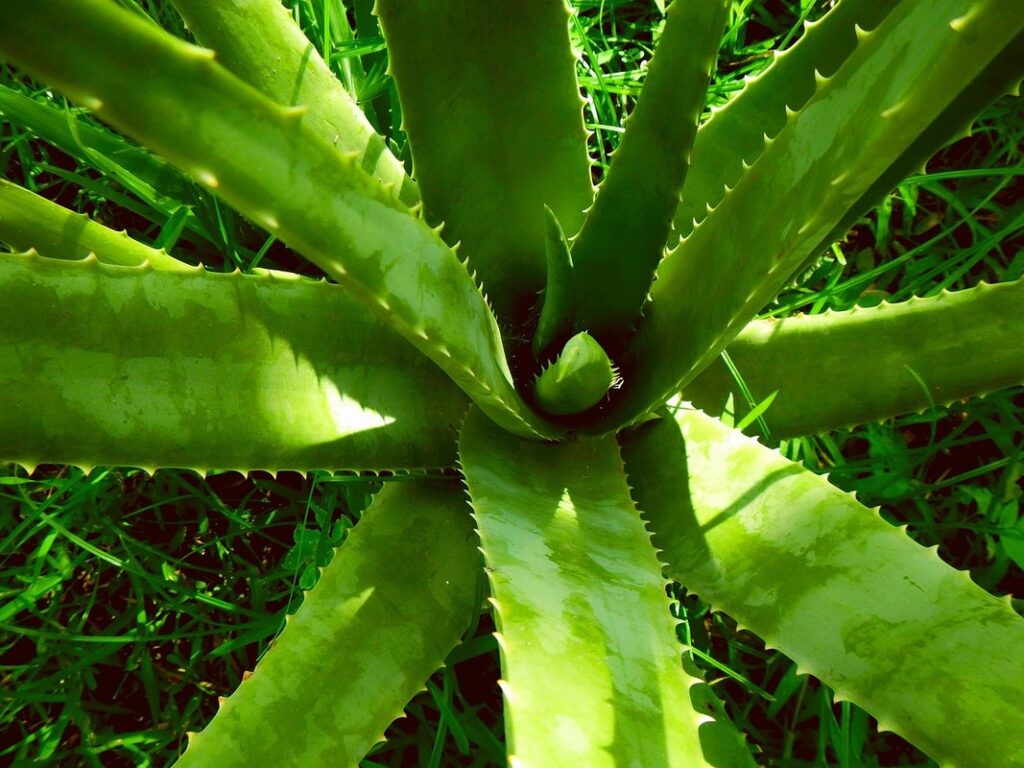
Choosing the Right Baby Aloe Plant
When it comes to bringing home a new baby aloe plant, selecting the right one can be overwhelming. Let’s break down what makes for a healthy and thriving little succulent.
Types of Baby Aloe Plants: Understanding Your Options
When it comes to choosing the right baby aloe plant for your home or office, you’ll likely come across several types that cater to different needs and preferences. Understanding these variations will help you make an informed decision.
Aloe vera plants are widely available, but did you know there’s also Aloe aristata, Aloe ferox, and Aloe striatula? Each of these species boasts unique characteristics that set them apart from one another. For instance:
* Aloe aristata, or the Lace Aloe, is a compact plant with delicate white flowers and smooth, gray-green leaves.
* Aloe ferox, or the Cape Aloe, has thick, serrated leaves that store more water than other species, making it ideal for areas with low humidity.
* Aloe striatula, or the Caster Aloe, produces vibrant orange-red flowers and has a mottled green color on its leaves.
When selecting a baby aloe plant, consider factors such as your climate, available light, and desired aesthetic. Some plants are more tolerant of shade than others, while some require full sun to thrive. Be sure to research the specific needs of each type before making a final decision. This will ensure you provide the best environment for your new addition to grow and flourish.
How to Select a Healthy Baby Aloe Plant
When selecting a healthy baby aloe plant from a nursery or online retailer, it’s essential to examine its leaves closely. Look for plump, green leaves that are evenly spaced and not too tightly packed together. Avoid plants with wilted, brown, or yellowing leaves, as this can indicate stress or disease.
Check the plant’s base for any signs of pests, such as mealybugs, spider mites, or scale. Gently remove any affected leaves to prevent the infestation from spreading. Make sure the pot has adequate drainage holes to prevent waterlogged soil and root rot.
Assess the overall health of the plant by checking its size and shape. A healthy baby aloe should be about 4-6 inches tall with a well-developed root system. If it’s too small or leggy, it may not receive enough light or nutrients. Finally, ensure the plant is free from any visible diseases like leaf spot or powdery mildew. By carefully inspecting these factors, you can choose a healthy baby aloe plant that will thrive under your care.
Caring for Your Baby Aloe Plant: The Essentials
Now that you’ve got your baby aloe plant thriving, let’s dive into the essential care it needs to stay happy and healthy, including watering, lighting, and more.
Watering Your Baby Aloe Plant: Tips and Tricks
Watering is one of the most critical aspects of caring for your baby aloe plant. Overwatering is the most common cause of death in aloe plants, so it’s essential to get this right from the start. To determine how often to water your baby aloe, start by checking the soil moisture. Stick your finger into the soil up to the first knuckle and if the soil feels dry, it’s time to water.
As a general rule, water your baby aloe plant when the top 1-2 inches of soil feel dry to the touch. You can also use a moisture meter to help you gauge the exact level of moisture in the soil. When watering, make sure not to get any water on the leaves or crown of the plant, as this can cause rot and other problems.
The key is to allow the soil to dry out between waterings. This may seem counterintuitive, but it’s essential for healthy root development and preventing overwatering. Think of it like allowing a baby’s diaper to air out – you want the soil to “breathe” and dry out slightly before rehydrating.
To avoid overwatering, start with small amounts of water (about 1-2 tablespoons) and gradually increase as needed based on the plant’s growth and environmental conditions. Remember, it’s better to err on the side of caution and underwater than to risk drowning your baby aloe.
Lighting Requirements for Your Baby Aloe Plant
When it comes to lighting requirements for your baby aloe plant, there are several factors to consider. The type of aloe you have will play a significant role in determining the ideal amount of light it needs.
For most baby aloe plants, indirect sunlight is the way to go. Placing them near an east- or west-facing window is perfect, as it provides gentle, filtered light that won’t scorch their delicate leaves. On the other hand, direct sunlight can be too intense and may cause the leaves to become discolored or develop brown spots.
If you don’t have a suitable windowsill, artificial lighting options like LED grow lights are an excellent alternative. These energy-efficient lights mimic natural sunlight and can be adjusted to provide the right amount of light for your baby aloe plant. Some popular options include blue and red LED lights, which promote healthy growth and photosynthesis.
Remember, it’s essential to monitor your plant’s response to lighting changes and adjust accordingly. If you notice any signs of stress or discoloration, reassess its placement and consider using artificial lighting to supplement the natural light it receives.
Propagation and Repotting: How to Grow Your Baby Aloe Plant
As your baby aloe plant grows, it’s essential to learn how to propagate and repot it correctly to encourage healthy growth and prevent overcrowding in its pot. We’ll walk you through these crucial steps next.
The Art of Propagating Your Baby Aloe Plant
Propagating your baby aloe plant is an exciting milestone as it allows you to multiply and share this beautiful succulent with friends and family. You can propagate your baby aloe using three main methods: leaf cuttings, stem cuttings, and division.
To take leaf cuttings, carefully snip off one or more leaves from the mother plant, making sure each cutting has a small piece of stem attached. Allow the cut ends to dry for 2-3 days before planting them in well-draining soil. Keep the soil moist but not waterlogged until roots develop and new growth appears.
Stem cuttings can be taken from the center of mature plants with multiple stems. Remove lower leaves, leaving only two or three at the top, then plant the cutting in a pot filled with a mix designed for cacti and succulents.
Division is the most time-consuming method but also effective. Dig up the entire plant and gently separate the offsets (newly formed plants) from the mother plant. Replant each offset in well-draining soil, watering sparingly until they’re established. The best times to propagate are during spring and summer months when your baby aloe is actively growing.
When propagating your baby aloe, make sure to provide it with bright, indirect light and maintain temperatures between 65-80°F (18-27°C).
When to Repot Your Baby Aloe Plant: Signs and Timing
When repotting your baby aloe plant is an essential part of its growth cycle. Typically, you’ll need to repot every 1-2 years as the plant outgrows its container. However, there are some clear signs that indicate it’s time for a bigger home. If you notice roots growing through the drainage holes or the plant is top-heavy and prone to tipping over, it’s likely time for an upgrade.
Another telltale sign is if your baby aloe has become pot-bound, meaning its roots have filled the entire container and are circling around each other. This can stunt the plant’s growth and prevent it from absorbing necessary nutrients. To repot successfully, choose a slightly larger container with good drainage and fresh cactus potting mix. Gently remove the plant from its old pot, taking care not to damage any of the roots, and place it in its new home. Water sparingly after repotting to give the plant time to adjust. By recognizing these signs and timing your repot correctly, you’ll be giving your baby aloe the best chance to thrive.
Common Problems and Pests: Troubleshooting Your Baby Aloe Plant
Don’t worry, we’ve all been there – a baby aloe plant that’s struggling to thrive. In this section, we’ll tackle common issues and pests that might be plaguing your little succulent.
Identifying Common Problems with Your Baby Aloe Plant
If you’re noticing issues with your baby aloe plant, don’t worry – it’s all part of the learning process! There are several common problems that can arise, and identifying them is key to getting your plant back on track.
One of the most common issues is yellowing leaves. This can be caused by overwatering, which leads to root rot and stress on the plant. To diagnose this issue, check for soft or mushy leaves – if you notice any, it’s likely that your baby aloe needs less water. On the other hand, underwatering can cause wrinkled or shriveled leaves. Make sure to provide your plant with enough moisture by checking the soil regularly.
Other issues include pests like mealybugs, spider mites, and scale. Check for tiny white specks on the leaves or stems – these are usually a sign of an infestation. If you catch it early, simply isolate the affected area, and treat with neem oil or insecticidal soap.
Effective Ways to Get Rid of Pests and Diseases
When it comes to dealing with pests and diseases in your baby aloe plant, there are several effective methods you can try. One of the most natural ways to get rid of pests is by using neem oil. This oil is extracted from the seeds of the neem tree and has been used for centuries to control insects and other pests. To use neem oil on your baby aloe plant, simply mix a few drops with water in a spray bottle and spritz it directly onto the affected area.
If you’re dealing with fungal diseases like root rot or leaf spot, try using a mixture of baking soda and water as a natural fungicide. Mix one tablespoon of baking soda with one gallon of water and spray it on the affected areas to help prevent the spread of the disease. Chemical treatments can also be effective, but always follow the instructions carefully and make sure they’re specifically designed for succulents like baby aloe plants.
Another method is using garlic as a natural insect repellent. Blend 3 cloves of garlic with one cup of water to create a spray that you can apply directly on your plant’s leaves to keep pests away. Always monitor your plant closely and take action quickly if you notice any signs of infestation or disease.
Fertilizing Your Baby Aloe Plant: Nutrients and Timing
To keep your baby aloe plant thriving, it’s essential to provide the right nutrients at the right time, ensuring optimal growth and health. Let’s explore how fertilizing can benefit your little succulent.
The Importance of Fertilization for Your Baby Aloe Plant
Fertilizing your baby aloe plant is one of the most crucial aspects of its care. A healthy dose of nutrients is essential for its growth and development, ensuring it thrives under your care. Without fertilization, your baby aloe might struggle to reach its full potential, leading to weak and spindly growth.
There are two primary types of fertilizers available: water-soluble and granular. Water-soluble fertilizers are quick-acting and ideal for baby aloes that need an instant boost. They dissolve easily in water and provide a fast release of nutrients. On the other hand, granular fertilizers are slow-releasing and better suited for plants that require sustained nutrient supply.
When choosing a fertilizer, look for products specifically formulated for cacti and succulents like baby aloes. These fertilizers typically have balanced NPK ratios (nitrogen, phosphorus, potassium) that cater to the plant’s unique needs. A general-purpose 20-20-20 formula is an excellent starting point, but be sure to follow the recommended application instructions carefully.
When to Fertilize Your Baby Aloe Plant: Tips and Guidelines
When fertilizing your baby aloe plant, timing is crucial. You’ll want to feed it during its active growth phase, which typically occurs when the plant is producing new leaves. This usually happens in the spring and summer months, but it depends on your specific climate and region.
To determine if your baby aloe needs fertilizer, check for signs of nutrient deficiency such as yellowing or stunted leaves. If you’re unsure, consider using a balanced, water-soluble fertilizer that’s specifically designed for cacti and succulents. Dilute the recommended dose to half the strength to avoid burning the roots.
For optimal growth, fertilize your baby aloe every 4-6 weeks during its active phase. You can also fertilize after repotting or pruning to promote healthy new growth. However, skip fertilizing during the winter months when the plant is dormant. This will prevent over-fertilization and allow your baby aloe to conserve energy.
Remember to water your plant thoroughly after fertilizing to help the nutrients absorb evenly. Be patient, as it may take some trial and error to find the right balance for your baby aloe’s specific needs.
Pest-Repellent Plants and Companion Planting
To keep your baby aloe plant thriving, let’s talk about pest-repellent plants that will naturally deter unwanted critters from feasting on your succulent. These clever companions will be your new best friends!
How to Use Companion Plants to Repel Pests
Companion planting is a natural way to keep pests away from your baby aloe plant. By strategically placing certain plants around your aloe, you can create an environment that’s less appealing to unwanted critters. This approach is based on the idea that different plants have unique scents and chemicals that can either attract or repel pests.
For example, basil and mint are known to repel aphids and whiteflies, which love to feast on baby aloe sap. Planting these herbs nearby can help keep your aloe safe from infestation. Similarly, garlic and chives are said to deter spider mites, which can cause serious damage to aloe leaves.
When selecting companion plants, consider their growth habits and requirements. Make sure they won’t compete with your baby aloe for water or nutrients. Some good options include marigolds, which repel nematodes that target aloe roots, and calendula, which attracts beneficial insects that prey on pests. By incorporating these plants into your garden design, you can create a balanced ecosystem that keeps your baby aloe healthy and thriving.
Creating a Healthy Ecosystem for Your Baby Aloe Plant
To create a healthy ecosystem for your baby aloe plant, you need to replicate its natural environment. This includes providing the right amount of sunlight, water, and air circulation. Baby aloes thrive in bright, indirect light but can be sensitive to direct sunlight, which may cause burning or discoloration.
Watering is another crucial aspect of creating a balanced ecosystem for your baby aloe. Overwatering is common with these plants, so make sure the soil isn’t waterlogged. A good rule of thumb is to allow the top inch of soil to dry out between waterings. You can also ensure air circulation by placing your plant on a tray filled with pebbles and water or near an open window.
Maintaining optimal temperature is essential for healthy growth. Baby aloes prefer temperatures between 65°F and 80°F (18°C and 27°C), which is typical for most indoor spaces. Avoid placing them near heating vents, radiators, or drafty windows that can cause sudden drops in temperature.
By replicating these conditions, you’ll create a thriving environment where your baby aloe plant can grow strong and healthy. Remember to monitor its responses to changes in light, water, and temperature to make adjustments as needed. This will help prevent pests from taking hold, reducing the need for pesticides or other chemicals that can harm your plant.
Conclusion: Tips for Raising a Thriving Baby Aloe Plant
As you’ve reached the end of this comprehensive guide, you’re now equipped with the knowledge to raise a happy and healthy baby aloe plant. To ensure your little succulent thrives, remember that consistency is key. Stick to a routine watering schedule, making sure not to overwater or underwater your plant. Also, provide it with plenty of bright indirect sunlight and maintain a comfortable room temperature between 65-80 degrees Fahrenheit.
To address any common issues that may arise, be prepared to repot your baby aloe as it outgrows its container. This will give the roots more room to spread out and prevent waterlogged soil. By following these simple tips and providing proper care, you’ll be well on your way to growing a thriving baby aloe plant. With patience and attention to detail, you’ll enjoy watching your succulent flourish into a beautiful, long-lasting addition to your home.
Frequently Asked Questions
Can I propagate my baby aloe plant at any time of the year?
Yes, you can propagate your baby aloe plant year-round, but the best time to do so is during the spring or summer months when the plant is actively growing. This ensures that the propagated cutting has the highest chance of thriving.
How often should I repot my baby aloe plant?
Baby aloe plants typically need to be repotted every 1-2 years as they outgrow their containers. Look for signs such as roots growing out of the drainage holes or the plant becoming pot-bound. Repotting will give your aloe plant more room to grow and refresh its soil.
What are some common pests that can affect my baby aloe plant?
Some common pests that can harm your baby aloe plant include mealybugs, spider mites, and scale insects. Regularly inspect your plant for any signs of infestation and use neem oil or insecticidal soap to control the problem.
Can I fertilize my baby aloe plant in the winter months?
Yes, you can still fertilize your baby aloe plant during the winter months, but it’s essential to adjust the frequency and amount. Use a balanced, water-soluble fertilizer at half the recommended strength, as aloe plants require fewer nutrients during this dormant period.
How do I know if my baby aloe plant needs more light?
Check for signs such as stretched or leggy growth, faded color, or slow growth rates. If you notice any of these issues, consider moving your aloe plant to a brighter location with direct sunlight (4-6 hours per day) or use grow lights to supplement the natural light it receives.