
Planning a thriving raised garden bed can be both exciting and intimidating. As you envision your lush green oasis, you might wonder where to start or how to avoid common pitfalls that can lead to disappointment. A well-designed raised garden layout is crucial for maximizing space, ensuring proper drainage, and promoting healthy plant growth. But with so many variables to consider – from soil quality to sunlight exposure – it’s easy to feel overwhelmed. That’s why we’ve put together this comprehensive guide to help you design, build, and maintain a stunning raised garden bed. In the following article, we’ll walk you through planning and implementation strategies, as well as troubleshoot common issues that can arise. By the end of this guide, you’ll be equipped with the knowledge to create a thriving raised garden bed that brings joy and fresh produce to your outdoor space.
Understanding the Basics of Raised Garden Beds
Let’s start by understanding the fundamentals of raised garden beds, including their benefits and how to choose the right materials for your project. This will provide a solid foundation for designing your layout.
What are Raised Garden Beds?
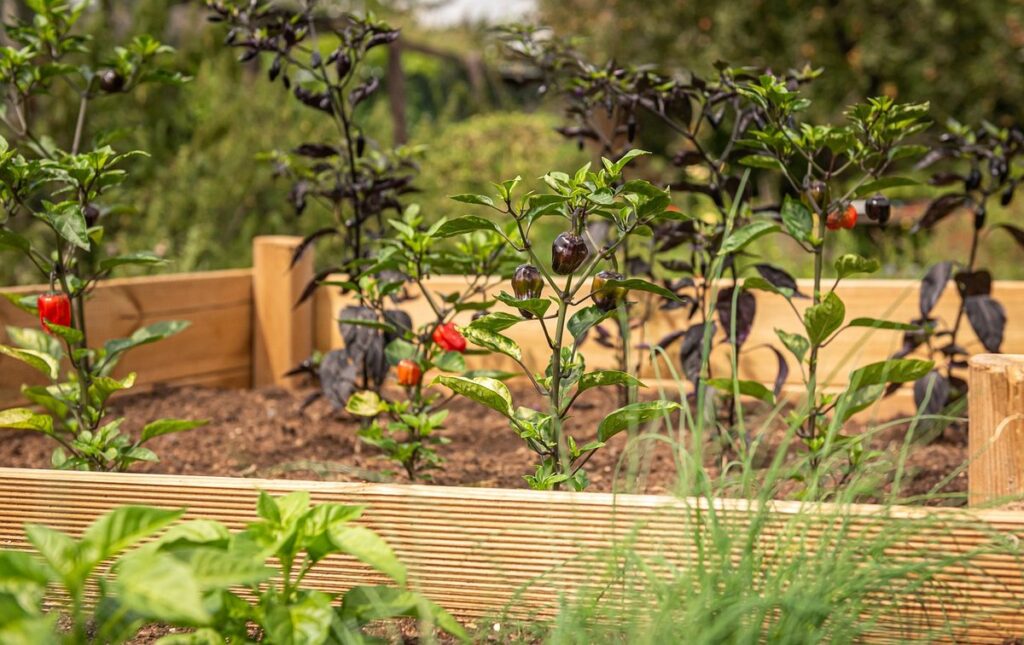
Raised garden beds are elevated planters built above ground level, typically made of wood, stone, or composite materials. They offer numerous benefits over traditional in-ground gardening methods, including improved soil quality, better drainage, and enhanced accessibility. By elevating the growing area, raised beds also reduce soil compaction, which can lead to poor air circulation and root growth.
One of the most significant advantages of raised garden beds is their adaptability to various environments and spaces. Whether you have a small balcony or a large backyard, these planters can be tailored to fit your specific needs. For instance, a narrow bed can be built along a wall to make the most of vertical space, while a larger one can accommodate a variety of plants in a single area.
When designing raised garden beds, it’s essential to consider factors such as depth, width, and material choice. A minimum depth of 6-8 inches is recommended for optimal root growth, while the width should be at least 3-4 feet to allow for easy access and maintenance. Additionally, choosing durable materials will help ensure your raised bed lasts for years to come.
Advantages of Raised Gardening
When you choose to create a raised garden bed, you’ll reap numerous benefits that can transform your gardening experience. One of the most significant advantages is improved drainage. Unlike traditional ground-level gardens where water tends to collect and cause root rot, raised beds allow for better air circulation and faster water evaporation. This is because the soil in raised beds dries out quicker, making it ideal for plants with sensitive roots.
Another advantage of raised gardening is reduced soil erosion. By building your garden above ground level, you’re protecting your soil from washing away during heavy rainfall or irrigation. This also helps prevent nutrient loss and reduces the risk of soil-borne diseases. Plus, with a raised bed, you can easily add a layer of mulch or compost to further protect your soil.
Raised gardening is also more accessible than traditional gardens, making it perfect for gardeners with mobility issues. You can design your raised beds at waist-high level, eliminating the need for frequent bending and straining.
Planning Your Raised Garden Layout
When planning your raised garden layout, you’ll want to consider factors like space constraints, plant size and growth habits, and desired accessibility. Let’s dive into these essential considerations.
Measuring and Laying Out Your Space
When planning your raised garden layout, it’s essential to measure your available space accurately. Start by walking around your designated area and take note of its dimensions, including the length, width, and any obstacles like trees or power lines. Consider the sunlight pattern throughout the day – is there a specific area that receives full sun (6+ hours) while others are partially shaded?
Next, assess the wind direction in your garden. A north-south orientation can help mitigate harsh winds, but if you live in an area with strong prevailing winds, it’s better to design your layout to minimize wind damage. Don’t forget about access to water and tools – ideally, you want a clear path for watering and easy reachability of gardening essentials.
To visualize your space, use graph paper or a garden planning app to create a scaled drawing. This will help you visualize how different plants will fit together, considering factors like mature plant size, spacing requirements, and growth habits.
Choosing the Right Location
When it comes to planning your raised garden layout, choosing the right location is crucial for its success. The spot you select will have a significant impact on the growth and health of your plants. One key aspect to consider is soil quality. Look for an area with well-draining soil that’s rich in organic matter. Avoid spots prone to waterlogging or where standing water tends to collect.
Drainage is another critical factor. You want to ensure excess water can easily escape from the raised bed, preventing root rot and other issues. Aim for a spot that receives at least six hours of direct sunlight per day. Accessibility is also vital – choose a location that’s close to a water source and allows easy access with tools and gardening supplies.
Consider the surrounding environment as well. Be mindful of nearby trees or buildings that may cast shade or affect soil quality. Assessing these factors will help you create an ideal spot for your raised garden bed, setting it up for success and ensuring healthy plant growth throughout the seasons.
Designing Your Raised Garden Layout
Now that you have a solid understanding of raised garden benefits and layout basics, it’s time to dive into designing your unique raised garden layout. This involves considering factors like space constraints and plant requirements.
Selecting a Pattern or Design
When it comes to designing your raised garden layout, one of the most crucial decisions you’ll make is selecting a pattern or design. This will not only impact the aesthetic appeal of your garden but also its functionality and efficiency.
There are several popular design patterns to choose from, each with its own advantages. Square foot gardening, for example, involves dividing the bed into small squares, typically 1×1 feet in size. This layout is ideal for intensive planting, as it allows for maximum space usage and minimizes waste. On the other hand, rectangular designs are more suitable for larger spaces or for growing long-vining plants like tomatoes.
Circular designs can add a whimsical touch to your garden, but they may be less practical for smaller beds. Consider the type of plants you want to grow, their mature size, and the layout of surrounding features when selecting a design pattern. You may also experiment with hybrid layouts that combine elements of different patterns.
Incorporating Companion Planting
When designing your raised garden layout, incorporating companion planting is an essential consideration to ensure a thriving and diverse growing space. Companion planting involves pairing plants that benefit from each other’s growth, reducing pests and diseases, and maximizing space usage.
To get started with companion planting, identify the needs of each plant in your garden. Some plants require shade, while others prefer full sun. Consider the mature size of each plant to ensure they have enough space to grow without overcrowding. For example, planting marigolds alongside tomatoes can deter nematodes and other pests that target these popular vegetables.
Research compatible plant species to pair with your chosen crops. Some classic combinations include:
• Basil and mint: These fragrant herbs repel pests and add flavor to surrounding plants
• Nasturtiums and cucumbers: The colorful blooms of nasturtiums attract beneficial insects that prey on cucumber beetles
• Marigolds and carrots: The strong scent of marigolds repels nematodes that target carrot roots
By selecting the right companion plants, you can create a harmonious and productive raised garden layout that minimizes maintenance and maximizes yields.
Building Your Raised Garden Frame
To build a sturdy raised garden frame, you’ll need to choose the right materials and follow some simple construction steps that we’ll walk you through next.
Materials and Tools Needed
To build a sturdy raised garden frame, you’ll need to gather the right materials and tools. For the frame itself, you can use pressure-treated pine, cedar, or reclaimed wood. These types of wood are durable and resistant to rot and insects, making them perfect for outdoor gardening projects.
In terms of hardware, you’ll need galvanized screws, which will withstand harsh weather conditions and won’t corrode quickly. You’ll also need hinges for the gate, corner brackets for added support, and a drill bit set that includes a screwdriver attachment.
For the frame’s foundation, use landscape fabric or weed barrier to prevent weeds from growing up into your garden. This will save you time and effort in the long run by minimizing maintenance needs. Don’t forget a level tool to ensure your frame is perfectly horizontal, which is crucial for even growth and drainage.
When selecting tools, consider investing in a cordless drill, as it will make assembly much easier.
Assembly and Construction Tips
Assembling and constructing your raised garden bed frame can be a straightforward process if you follow some essential guidelines. First, ensure that all the materials are within arm’s reach to avoid unnecessary walking back and forth during construction. Next, start by assembling the corner posts using screws or nails, making sure they are securely attached to the frame.
When attaching the side panels, use a rubber mallet to tap them into place rather than hammering, which can damage the wood. Apply a bead of caulk around the edges to seal any gaps and prevent water from seeping in. If you’re using a pre-made raised bed kit, follow the manufacturer’s instructions carefully, as some kits may require specialized tools or techniques.
To avoid common mistakes, double-check that all corners are square and the frame is level before adding soil and plants. Use a spirit level to ensure accuracy and a carpenter’s square for precise measurements. Regularly checking your progress will also help you catch any errors early on in the process.
Filling and Planting Your Raised Garden
Now that your raised garden bed is built, it’s time to fill it with soil and plant your favorite fruits, vegetables, and flowers for a thriving harvest. Let’s dive into the steps for filling and planting with ease.
Selecting the Right Soil Mix
When it comes to filling and planting your raised garden, selecting the right soil mix is crucial for ensuring healthy plant growth and preventing waterlogged conditions. A well-draining soil mix specifically designed for raised gardens can make all the difference.
You have two options: making your own custom blend or purchasing a pre-mixed bag from a gardening store. To create your own mix, combine 50% topsoil, 20% compost, 10% perlite or vermiculite (for drainage), and 20% organic matter like peat moss or coconut coir. This ratio will provide excellent drainage, aeration, and nutrient retention.
Alternatively, you can buy pre-mixed bags designed for raised gardens from most gardening stores or online retailers. Look for mixes specifically labeled as “raised garden soil” or “container garden mix.” These blends usually contain the optimal balance of ingredients to support healthy plant growth in confined spaces like raised beds.
Keep in mind that store-bought mixes may contain fertilizers and other additives, so be sure to read the label carefully if you’re concerned about using chemicals.
Planting Strategy and Density
When selecting plants for your raised garden, it’s essential to consider the climate and region you’re in. This will ensure that your chosen plants thrive and produce a bountiful harvest. Start by choosing varieties that are specifically bred for container gardening or raised beds, as these tend to perform better than those designed for in-ground gardens.
For optimal growth and space efficiency, plant densely but not overcrowded. Aim for 2-3 inches of stem-to-stem spacing between plants. For example, when planting leafy greens like lettuce or kale, you can sow seeds 1-2 inches apart. This will allow each plant to receive adequate sunlight and nutrients.
When selecting specific varieties, consider factors such as mature size, growth habits, and sun requirements. This will help you create a harmonious balance of plants that complement one another in terms of space needs and environmental preferences. Remember to research the specific growing conditions for your chosen plants, including their preferred pH levels and nutrient requirements. By taking these considerations into account, you’ll be able to create a thriving raised garden ecosystem.
Maintenance and Upkeep of Your Raised Garden
Now that you’ve set up your raised garden, let’s talk about how to keep it thriving. Regular maintenance is key to a healthy harvest, so we’ll cover tips on pruning, watering, and more.
Watering and Irrigation Systems
Watering and irrigation systems are crucial components of a well-designed raised garden. As with any garden, proper watering is essential for healthy plant growth. However, raised gardens often face unique challenges such as soil type, water retention, and drainage.
Drip irrigation is an efficient method for watering raised gardens. It delivers water directly to the roots of plants, reducing evaporation and runoff. This not only conserves water but also reduces the risk of overwatering. Consider installing a drip irrigation system with adjustable drippers that can be tailored to specific plant needs.
In addition to drip irrigation, other efficient methods include soaker hoses and ollas (clay pots that release water as plants need it). These systems promote healthy root growth while minimizing waste. Remember to mulch around plants to retain moisture and suppress weeds.
When designing your raised garden, consider the layout of your watering system. Place drippers or soaker hoses near plantings for easy access. This will also help prevent unnecessary tilling and soil disturbance. Regularly inspect and maintain your irrigation system to ensure optimal performance and water efficiency.
Pest and Disease Management
Managing pests and diseases is an essential aspect of maintaining a healthy raised garden bed. As a raised garden owner, you’ll likely encounter common issues like aphids, whiteflies, slugs, and powdery mildew. To tackle these problems, consider the following integrated pest management (IPM) techniques.
Start by practicing good gardening hygiene: remove weeds, debris, and infested plants to prevent pests from spreading. Use physical barriers like fine mesh or row covers to keep unwanted insects out. For organic approaches, try introducing beneficial organisms such as ladybugs, lacewings, or parasitic wasps that prey on common garden pests.
When it comes to diseases, monitor your plants regularly for signs of infection and remove affected areas promptly. Improve air circulation by pruning nearby foliage and avoiding overwatering, which can contribute to fungal growth. Consider using neem oil or copper-based fungicides as a last resort, but be sure to follow label instructions carefully.
Remember that prevention is key: maintain healthy soil quality through regular fertilization and composting, and rotate your crops seasonally to break disease cycles.
Troubleshooting Common Raised Garden Issues
Don’t let a few setbacks ruin your raised garden experience – we’ll walk you through common issues and practical solutions to get back on track. From drainage problems to pest infestations, we’ve got you covered.
Identifying and Addressing Common Problems
As you tend to your raised garden, you may encounter some common issues that can affect its growth and productivity. Poor drainage is one of the most significant problems faced by raised gardeners. When water accumulates in the bed, it can lead to root rot, fungal diseases, and nutrient deficiencies. To address this issue, ensure that your raised garden has proper drainage holes at the bottom for excess water to escape.
Another common problem is inadequate sunlight. Raised gardens are often placed near walls or other structures, which can cast shadows on the plants. If possible, choose a spot with full sun (at least six hours of direct sunlight) for your raised garden. If this isn’t feasible, consider using grow lights to supplement natural light.
Overwatering is another common issue that can be detrimental to your raised garden’s health. To avoid overwatering, check the soil moisture by inserting your finger into the soil up to the knuckle. Water only when the top inch of soil feels dry. Additionally, use a rain gauge or consider installing an irrigation system with a timer to ensure consistent and controlled watering.
Seasonal Adjustments and Updates
As the seasons change, your raised garden layout will require adjustments to maintain its productivity and health. Crop rotation is a crucial aspect of seasonal adjustments, as it helps prevent soil depletion, pest buildup, and disease transmission between crops. For example, if you planted tomatoes in one corner last season, consider moving them to a new location this year to avoid the potential for disease spread.
In addition to crop rotation, pruning is another essential task during seasonal updates. Prune your plants according to their specific needs, removing dead or diseased branches, and shaping the plant to promote healthy growth. For instance, prune your roses in late winter or early spring, and your tomatoes after they’ve produced a certain amount of fruit.
Fertilization strategies also play a vital role in seasonal adjustments. Based on the time of year and the specific needs of your plants, apply organic or synthetic fertilizers as needed. Typically, you’ll want to add nitrogen-rich fertilizers during the growing season (spring-fall) and phosphorus-based fertilizers during periods of rapid growth (e.g., after pruning).
Frequently Asked Questions
What if I have limited space for my raised garden bed?
Yes, you can still create a thriving raised garden even with limited space. Consider vertical gardening techniques, such as trellises or wall-mounted planters, to maximize your available area. You can also choose compact or dwarf varieties of plants that require less space. Plan your layout carefully to ensure efficient use of space and make the most of every inch.
How do I prevent soil erosion in my raised garden bed?
To prevent soil erosion, it’s essential to have a proper drainage system in place. Make sure the bottom of your raised bed has adequate drainage holes and consider adding a layer of gravel or broken pottery at the bottom for improved drainage. Also, use a good quality potting mix specifically designed for raised beds, which will help retain moisture while allowing excess water to drain.
Can I reuse soil from my old garden in my new raised bed?
No, it’s not recommended to reuse soil from your old garden in your new raised bed. Old garden soil can be depleted of nutrients and contain weed seeds, pests, or diseases that can harm your new plants. Start fresh with a high-quality potting mix specifically designed for raised beds, which will provide a clean slate for your plants to grow.
What if I encounter difficulties during the assembly process?
Don’t worry, it’s normal to encounter some challenges during the assembly process! If you’re experiencing trouble with any part of the build, consult the manufacturer’s instructions or contact their customer support. You can also reach out to online forums or gardening communities for advice from experienced gardeners who may have encountered similar issues.
Can I use raised beds in areas with poor sunlight?
While raised beds can be used in areas with partial shade, they’re most effective when placed in a location that receives at least 6 hours of direct sunlight per day. If you don’t have a spot with full sun, consider using plants that thrive in partial shade or invest in grow lights to supplement natural light.