
Are you tired of bland and uninviting gardens? Look no further than raised flower beds to give your outdoor space a stunning makeover. These elevated planters are more than just a decorative feature – they offer unparalleled benefits for gardeners of all skill levels. With raised flower beds, you can create a beautiful and thriving oasis in even the smallest spaces.
Whether you’re a seasoned green thumb or just starting out, this article is your go-to resource for discovering the best raised flower bed ideas. From design considerations to unique DIY projects and essential maintenance tips, we’ll cover it all. Learn how to choose the perfect location, materials, and plants for your raised beds, and get inspired by innovative designs that will take your garden’s beauty and functionality to the next level.
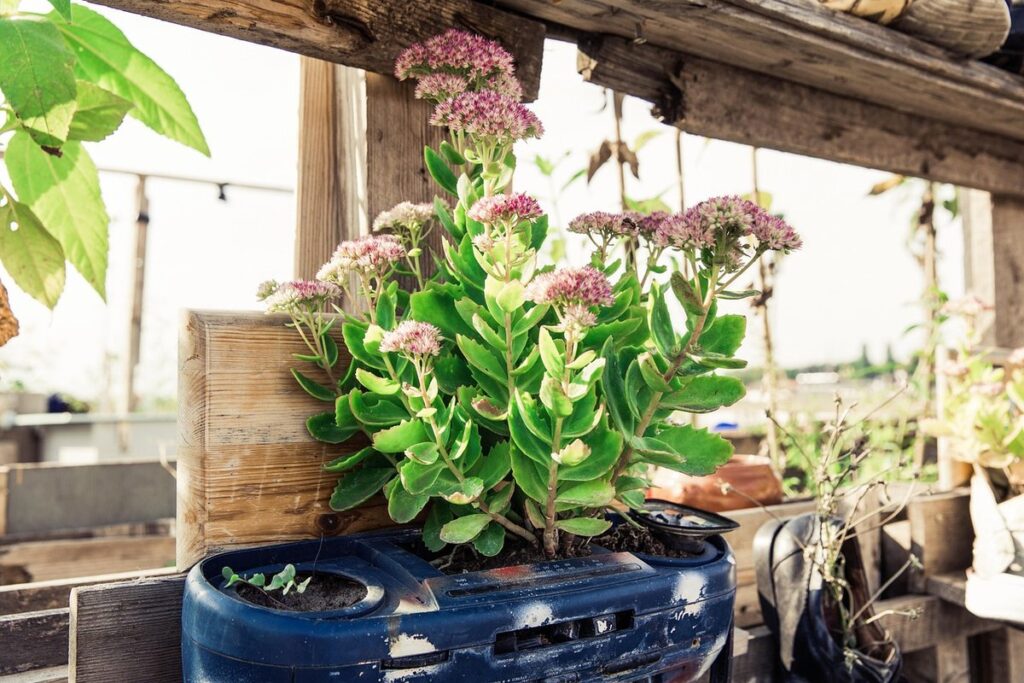
Designing a Raised Bed: Considerations and Benefits
When designing your raised bed, it’s essential to consider the space you have available, as well as the type of plants you want to grow. This will help ensure a thriving garden.
Choosing the Right Location
When it comes to designing a raised flower bed, choosing the right location is crucial for its success. As you plan your elevated garden, consider the amount of sunlight your chosen spot receives. Most flowers require at least 6 hours of direct sunlight per day, so ensure your raised bed isn’t shaded by trees or buildings.
Soil quality is another vital factor to consider. Raised beds allow for better drainage and aeration than in-ground gardens, but you’ll still need well-draining soil that’s rich in nutrients. Test the pH level of the underlying soil and amend it if necessary before adding your raised bed. Also, think about accessibility – can you easily reach into the raised bed to water and tend to plants without straining your back? Ideally, place your raised bed near a water source or within walking distance of your house.
When selecting a location, also consider wind direction and potential frost pockets. Protect your flowers from harsh winds by placing the raised bed on the leeward side of your garden, and avoid areas that collect cold air at night, which can damage plants during early spring frosts. By carefully choosing the right spot for your raised flower bed, you’ll set yourself up for success and enjoy a thriving, beautiful garden all season long.
Planning Your Layout
When designing your raised bed layout, it’s essential to consider the shape, size, and spacing of plants. A well-planned layout will not only enhance the aesthetic appeal of your garden but also promote healthy growth and productivity.
Start by choosing a shape that suits your space and the type of plants you want to grow. Rectangular beds are ideal for small spaces, while circular or square beds can add visual interest to larger areas. Consider the mature size of each plant, leaving enough space between them for air circulation and easy maintenance.
A general rule of thumb is to provide at least 12-18 inches of space between plants, depending on their growth habits. For example, if you’re growing vining plants like peas or cucumbers, they can be trained to climb up a trellis or other support, allowing for closer spacing. When planting in groups, such as herbs or annuals, aim for 3-4 inches between each plant.
Remember, a thoughtful layout will make the most of your space and ensure that your raised bed is both beautiful and productive. Take your time to plan it out, and you’ll be rewarded with a thriving garden all season long.
Benefits of Raised Beds
When it comes to designing a raised bed, one of the most significant advantages is improved drainage. Traditional garden beds can become waterlogged and prone to root rot, but raised beds allow excess moisture to escape, preventing this issue. To take advantage of this benefit, consider using a layer of gravel or broken pottery at the bottom of your raised bed. This will help to prevent water from accumulating in the soil.
Raised beds also offer better soil structure, allowing for healthy plant growth and reducing maintenance requirements. The contained space allows you to use high-quality potting mix specifically designed for raised beds, which is less prone to compaction than garden soil. As a result, plants experience improved root development, increased yields, and enhanced overall health.
Another significant benefit of raised flower beds is increased accessibility. No longer do you need to bend or strain to tend to your plants. Simply step up into the bed and begin tending to your flowers with ease. This makes it perfect for gardeners with mobility issues, older adults, or anyone who simply wants to spend more time enjoying their garden.
Materials for Raised Flower Beds
When it comes to building raised flower beds, choosing the right materials is crucial. Let’s take a look at some popular options to consider for your garden project.
Wood as a Sustainable Option
When it comes to building raised flower beds, choosing sustainable materials is crucial for a healthy and thriving garden. Wood is an excellent option, but not all types of wood are created equal when it comes to durability and environmental impact.
Some popular types of wood for raised flower beds include cedar, cypress, and redwood. These woods are naturally resistant to rot, decay, and insects, making them ideal for outdoor use. They also have a beautiful texture and aroma that can add character to your garden.
One of the biggest benefits of using wood is its durability. With proper care, a well-built wooden raised flower bed can last for decades. However, keep in mind that wood does require periodic maintenance to prevent rot and insect damage. Regularly inspecting your bed for signs of wear and tear, and performing repairs as needed, will help extend its lifespan.
If you’re considering using wood for your raised flower bed, look for sustainably sourced options like reclaimed or FSC-certified wood. This ensures that the trees used were harvested responsibly and with minimal environmental impact.
Plastic and Composite Materials
If you’re looking for an alternative to traditional wood for your raised flower bed, consider exploring plastic and composite materials. These options are gaining popularity due to their low maintenance requirements and durability.
One of the benefits of using plastic lumber is that it’s resistant to rot, warping, and insect damage, which means you won’t need to worry about frequent repairs or replacements. It’s also lightweight and easy to install. Composite lumber, on the other hand, is made from a combination of materials such as wood fibers, plastics, and other additives. This blend creates a product that’s highly resistant to moisture and can withstand harsh weather conditions.
While plastic and composite materials offer many advantages, it’s essential to consider their potential environmental impact. Some manufacturers use non-renewable resources and may not be recyclable. However, there are eco-friendly options available, such as recycled plastic lumber made from post-consumer waste. When choosing a material, look for products that carry certifications like FSC or Compostable, which ensure they meet certain sustainability standards.
To minimize your environmental footprint further, consider upcycling or repurposing materials you already have on hand, such as old pallets or decking boards. This creative approach can reduce waste and create a unique, personalized look for your raised flower bed.
Stone and Brick Options
When it comes to creating raised flower beds, using natural stone and brick can add a touch of elegance and sophistication to your garden. These materials offer exceptional durability and longevity, making them an excellent choice for outdoor gardening projects.
One of the main advantages of using natural stone is its aesthetic appeal. With a wide range of colors and textures available, you can choose the perfect stone to match your garden’s style and surroundings. For instance, if you have a rustic-themed garden, consider using earthy-toned stones like fieldstone or bluestone. On the other hand, if you prefer a more modern look, opt for sleek and polished granite or slate.
In terms of durability, natural stone is virtually maintenance-free and can withstand harsh weather conditions, including heavy rainfall, scorching sun, and freezing temperatures. Brick, on the other hand, offers excellent drainage properties and can be used to create raised beds with built-in water retention systems.
As for cost considerations, both natural stone and brick can be quite expensive compared to other materials like wood or composite materials. However, when factored into the long-term maintenance costs, they are a worthwhile investment. A well-made brick or stone raised bed can last for decades with minimal upkeep, making it a cost-effective option in the long run.
To incorporate natural stone and brick into your raised flower bed design, consider the following tips:
* Start by choosing a style that complements your garden’s overall aesthetic.
* Select materials that are locally sourced and sustainable to reduce transportation costs and environmental impact.
* Consider using a combination of both natural stone and brick to create a unique and visually appealing look.
* Don’t be afraid to get creative with the design – use stone or brick to create built-in planters, retaining walls, or even a focal point in your garden.
Unique Raised Bed Ideas
Take your raised flower bed game to new heights with our unique and creative ideas that will make your garden stand out from the crowd. From recycled pallets to floating gardens, get inspired!
Vertical Gardens
When it comes to maximizing space and adding visual interest to your garden, vertical gardens are an excellent option. Using raised beds as a foundation for vertical gardening techniques can be particularly effective, especially when incorporating trellises, arbors, and wall-mounted planters.
Trellises, for instance, provide a sturdy support system for climbing plants like peas, beans, and cucumbers to grow upwards. You can place them within your raised bed or use freestanding trellises that allow you to train vines to climb up the sides of adjacent structures. This not only saves space but also adds texture and visual appeal to your garden.
Arbors serve a similar purpose while offering more structural support for larger plants like roses, clematis, or grapevines. They can be placed at the back or side of raised beds, creating a sense of depth and layering in your garden design. Wall-mounted planters are another great option, perfect for small gardens or balconies where space is limited. By attaching them to existing walls or installing freestanding versions, you can create lush greenery that cascades down, adding a touch of elegance to any outdoor area.
To get started with vertical gardening in your raised bed, choose plants that thrive on support systems and have a good balance of foliage and flowering elements. Make sure the trellis or arbor is securely anchored to prevent toppling over, especially if you live in areas with strong winds. By combining these techniques, you can create stunning displays of color and texture while maximizing your raised bed’s potential.
Themed Gardens
A themed garden within a raised bed is a fantastic way to add an extra layer of interest and personality to your outdoor space. Think beyond the traditional flower arrangement and explore creative approaches that cater to different senses, such as sensory gardens or pollinator-friendly spaces.
For example, create a sensory garden by incorporating plants with varying textures, scents, and colors. Plant tall grasses and shrubs for visual appeal, while including herbs like mint and rosemary for their distinctive aromas. For tactile exploration, incorporate plants with different leaf shapes and sizes, such as succulents or ferns.
To create a pollinator-friendly space, focus on plants that attract bees, butterflies, and hummingbirds. Include native flowers, shrubs, and trees that provide nectar-rich blooms and sheltered areas for these beneficial insects to rest and lay eggs. Consider adding a shallow dish filled with water and rocks to provide a source of hydration for pollinators.
When designing your themed garden, remember to consider factors like sunlight, soil quality, and maintenance requirements to ensure the success of your chosen plants. With careful planning, you can create a unique and engaging space that attracts both you and your local wildlife.
Small-Space Solutions
For gardeners with limited space, raised flower beds don’t have to be a luxury. Compact designs can maximize yield while minimizing footprint, making them perfect for balconies, patios, or tiny gardens. One popular option is the “shelf” system, where multiple tiers of raised beds are stacked on top of each other.
This design not only saves space but also allows for efficient use of vertical gardening techniques. For example, a two-tiered shelf system can accommodate 16-20 plants, depending on their size and type. The shelves can be made from recycled materials or repurposed wood to add an eco-friendly touch.
Another option is the “narrow bed” design, which is ideal for thin spaces between buildings or along walkways. These beds are typically around 2-3 feet wide, making them perfect for growing herbs, succulents, or strawberries. To get started, measure your available space and choose a compact raised bed design that suits your needs.
Remember to also consider the height of the bed when choosing a location, as it should be accessible from both sides without straining. With a little creativity, you can turn even the smallest spaces into thriving gardens, providing fresh produce and beauty year-round.
Maintenance and Upkeep of Raised Beds
Now that you’ve built your raised bed, let’s talk about what happens next: regular maintenance will keep it looking its best all season long. We’ll walk through essential upkeep tasks to ensure your garden thrives.
Soil Preparation and Care
When it comes to maintaining your raised flower beds, soil preparation and care are crucial for optimal growth and health of your plants. A well-maintained soil mix can make all the difference between a thriving garden and one that struggles to survive.
To start, choose a high-quality potting mix specifically designed for containers or raised beds. Avoid using regular garden soil, as it can compact and prevent proper drainage in raised beds. Instead, opt for a mix that contains a blend of peat moss, vermiculite, or perlite to retain moisture, suppress weeds, and improve aeration.
Regularly inspect your soil conditions by checking the pH level, which should be between 6.0 and 7.0 for most flowers. Add organic matter like compost or well-rotted manure to enrich the soil and promote beneficial microbes. Mulch around plants to retain moisture and suppress weeds, but avoid piling it too high, as this can cause root rot.
By selecting the right soil mix and maintaining optimal conditions, you’ll be rewarded with healthier plants that require less maintenance and produce more vibrant blooms.
Water Management Strategies
Effective water management is crucial for maintaining healthy plants and minimizing waste in raised flower beds. One of the most efficient techniques is drip irrigation systems, which deliver water directly to the roots of plants, reducing evaporation and runoff. These systems can be customized to fit specific plant needs and are often more cost-effective than traditional sprinkler systems.
Another method to conserve water is mulching. Organic materials like wood chips or bark help retain moisture in the soil while preventing weeds from growing. Mulch also regulates soil temperature, keeping it cooler in summer and warmer in winter. Aim for a 2-3 inch layer around plants, replenishing as needed. Regularly inspecting your beds for dry spots can also help you identify areas that may require targeted watering.
To implement these strategies, start by assessing your raised bed’s unique needs based on factors like climate, soil type, and plant selection. Then, choose the most suitable water management method – or combine them for optimal results.
Pest and Disease Prevention
To ensure the beauty and productivity of your raised flower bed don’t get compromised by pests and diseases, it’s essential to implement effective prevention strategies. One of the most common problems faced by raised bed gardeners is slugs and snails. These slimy creatures can cause significant damage to your plants at night, leaving behind a trail of silvery slime on leaves.
To deter them, try using copper tape around the edges of your raised bed. Slugs and snails don’t like crossing over metal surfaces, so this simple trick can be quite effective. You can also sprinkle crushed eggshells or sharp gravel around your plants to make it uncomfortable for these pests to move about.
Another common issue is powdery mildew, a fungal disease that affects many types of flowers. To prevent it, ensure good air circulation within your raised bed by keeping the spacing between plants adequate. Avoid watering in the evening, as this can encourage moisture accumulation, which powdery mildew thrives on. Regularly inspect your plants and remove any affected areas to prevent the spread of disease.
DIY vs. Pre-Made Raised Beds
When it comes to building your raised flower bed, you’re faced with a decision: should you go the DIY route or opt for a pre-made design?
Pros and Cons of Each Option
When deciding between building your own raised bed and purchasing a pre-made one, it’s essential to consider the pros and cons of each option. Building your own raised bed can be a cost-effective solution, as you can source materials at a lower price point and customize the size and design to fit your specific needs. However, this approach requires a significant time commitment, including planning, building, and installation.
On the other hand, purchasing a pre-made raised bed offers convenience and speed, but often comes with a higher price tag. Pre-made beds are typically made from durable materials and require minimal assembly, making them a great option for those short on time or DIY skills. However, be wary of the environmental impact of shipping and waste generated by mass-produced products.
Ultimately, the decision between building your own raised bed and purchasing a pre-made one depends on your individual circumstances and priorities. If you’re looking to save money and have the time to invest in construction, building your own raised bed may be the way to go. But if convenience and speed are more important, a pre-made option could be the better choice.
Tips for a Successful DIY Project
When tackling a DIY raised bed project, it’s essential to start with a solid plan and attention to detail. Begin by measuring your space carefully to determine the optimal size for your bed. Consider the mature size of your plants and leave enough room for easy access and maintenance.
Next, cut your materials accurately using a saw or miter box. For most raised beds, 2″ x 6″ or 2″ x 8″ lumber is suitable for the frame, while 1″ x 6″ or 1″ x 8″ boards work well for the bottom and sides.
Assemble your bed by attaching the corners first, then add the side pieces. Use weather-resistant screws to ensure a sturdy structure that can withstand outdoor conditions. Remember to leave space between the slats for proper drainage and root growth.
To avoid costly mistakes, double-check your measurements and cut list before cutting any materials. A little extra planning upfront will save you time and frustration in the long run.
Inspiration and Examples
Let’s take a look at some beautiful raised flower bed ideas that’ll not only brighten up your outdoor space but also provide inspiration for your next garden project.
Beautiful Raised Bed Designs
When browsing through stunning raised bed designs from around the world, it’s hard not to feel inspired by the endless possibilities. From modern and sleek to rustic and charming, these beautiful creations showcase unique features and creative uses that can elevate your own garden.
Consider a raised bed with a built-in trellis system, perfect for climbing plants like clematis or roses. For example, a garden in Australia features a stunning timber-raised bed with an intricately designed trellis that supports a lush display of flowering vines. Alternatively, you could incorporate a decorative stone wall around your raised bed to add a touch of elegance and sophistication.
Take note of the use of varying heights and shapes to create visual interest. A garden in Japan showcases two interconnected raised beds of different sizes, creating a harmonious balance between form and function. This concept can be applied to small urban gardens, where space is limited but creativity knows no bounds.
Raised Bed Ideas for Specific Climates
When designing raised flower beds for specific climates, it’s essential to consider the unique conditions of your region. If you live in a hot and dry climate, such as the southwestern United States, choose plants that are drought-tolerant or require minimal watering. For example, succulents like agave and yucca are excellent choices, while also adding visual interest to your garden.
In contrast, regions with mild winters and cool summers, such as the Pacific Northwest, can support a wide range of plant species. Consider incorporating perennials like coneflower and black-eyed Susan, which bloom in the spring and summer months. These plants are not only beautiful but also attract pollinators to your garden.
For areas with full sun to shade tolerant plants, think about mixing varieties that thrive in both conditions. For instance, pair sun-loving flowers like marigolds and zinnias with shade-tolerant species like impatiens and coleus. This will create a visually appealing display of color throughout the growing season.
In regions with cold winters, such as the Northeast, select plants that are hardy to at least zone 5. Bulbs like tulips and daffodils can add early spring color to your garden, while shrubs like boxwood and holly provide year-round structure. Consider adding a layer of mulch or winter cover to protect your raised bed from harsh weather conditions.
Ultimately, designing a raised flower bed that thrives in your specific climate requires careful consideration of the local growing conditions. By choosing plants suited to your region’s unique climate and conditions, you can create a stunning and resilient garden that brings joy all year round.
Frequently Asked Questions
How do I prepare the soil for raised flower beds if my existing yard has poor soil quality?
Preparing poor soil can be a challenge, but it’s essential for your raised bed’s success. Test your soil pH and amend it if necessary. Add organic matter like compost or well-rotted manure to improve its structure and fertility. You can also use raised bed mix specifically designed for improving drainage and aeration.
Can I use any type of wood for my raised flower bed, or are there certain types that work better?
Not all woods are created equal when it comes to raised beds. Cedar and cypress are popular choices due to their natural resistance to rot and insects. However, they can be more expensive than other options like pine or spruce. Consider the climate and moisture levels in your area when selecting wood for your raised bed.
How do I prevent pests and diseases from affecting my raised flower bed?
Preventing pests and diseases is crucial for maintaining a healthy raised bed. Use physical barriers to deter slugs and snails, and practice good hygiene by removing weeds and debris regularly. Rotate your crops seasonally to avoid depleting the soil of nutrients and encourage beneficial insects.
Can I use recycled materials like old pallets or bricks to build my raised flower bed?
Repurposing recycled materials is a great way to get creative with your raised bed design. Old pallets can be used as a base, but make sure they’re clean and dry before using them. Bricks are also a good option, especially if you’re looking for a more rustic or vintage look. Just ensure the materials are stable and safe for your plants.
How often should I water my raised flower bed, and what are some signs of overwatering?
Watering your raised bed is crucial, but it’s easy to overdo it. Check the soil moisture by inserting your finger into the soil up to the knuckle. If the soil feels dry, it’s time to water. Overwatering can lead to root rot and other issues. Monitor your plants’ leaves for signs of distress like yellowing or drooping, and adjust your watering schedule accordingly.