
Are you tired of overcrowding your raised beds and struggling with a lackluster harvest? Choosing the right planting density is crucial to maximizing your garden’s potential, but it can be overwhelming without a clear plan. A customized raised bed spacing chart can help you achieve optimal growth and prevent common mistakes that cost you time and effort.
In this comprehensive guide, we’ll walk you through the process of creating a personalized raised bed spacing chart that suits your specific needs and garden layout. We’ll cover the essential factors to consider when planning your plantings, including companion planting, growth habits, and sunlight requirements. By the end of this article, you’ll have the knowledge and tools necessary to create a thriving raised bed oasis that yields bountiful harvests all season long.
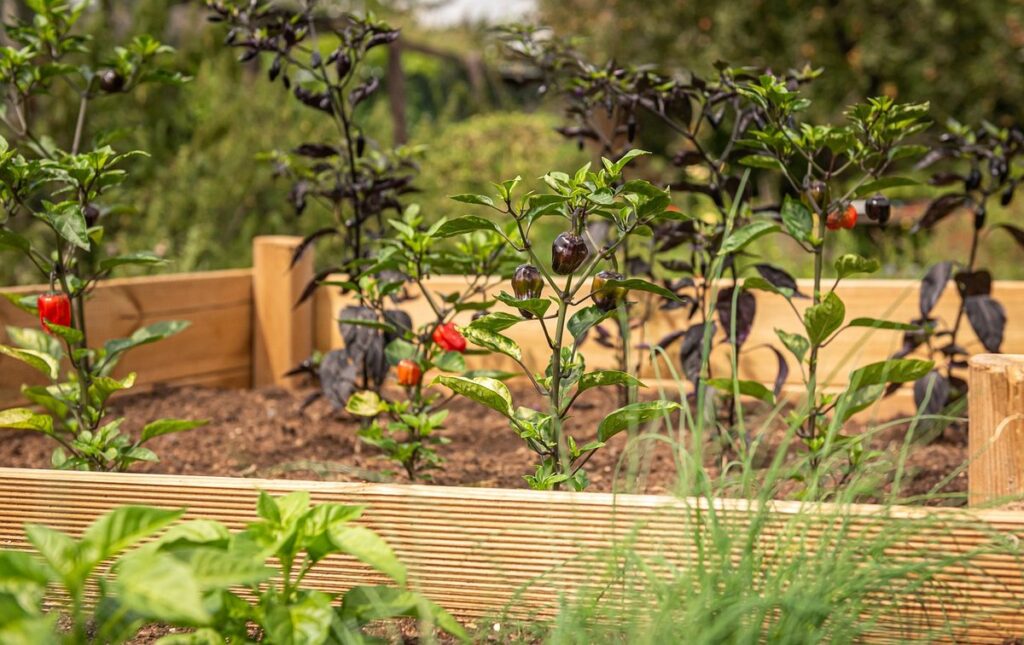
Choosing the Right Planting Density
When it comes to raised beds, getting the planting density just right is crucial for healthy growth and maximum yields. Let’s dive into the key considerations that will help you make an informed decision.
Factors to Consider When Selecting a Planting Density
When selecting a planting density for your raised bed garden, several key factors come into play. Climate is one of the most significant considerations, as plants grown in hot and dry conditions require more space to thrive than those grown in cooler and moister climates. For example, in regions with intense sunlight, it’s essential to allow at least 12-18 inches between each plant to prevent overcrowding and promote healthy growth.
Soil quality is another crucial factor to consider. Well-draining soils can support a higher planting density, while poorly draining soils may require more space between plants to prevent waterlogged conditions. Plant type also plays a significant role in determining the ideal planting density. Some plants, such as tomatoes and peppers, are naturally more sprawling and require more space than compact varieties like lettuce and herbs.
To determine the ideal planting density for specific plants, research their growth habits and mature sizes. Check the seed packet or consult with local gardening experts to get a sense of how much space each plant will need at maturity.
Understanding the Benefits of Proper Spacing
When you plant your crops too close together in raised beds, it can lead to a host of problems. But with proper spacing, you can enjoy numerous benefits that will improve the overall health and productivity of your garden.
One key advantage of proper spacing is improved air circulation. When plants have enough room between them, they don’t suffocate each other, which reduces the risk of disease. This is especially important for susceptible crops like tomatoes and squash, which are prone to fungal infections when moisture accumulates among the leaves. By providing sufficient space, you can prevent these diseases from taking hold.
Proper spacing also promotes healthy root growth by allowing plants to spread out their roots more freely. This leads to stronger, more robust plants that are better equipped to absorb nutrients and water from the soil. To ensure proper air circulation and root growth, aim for a minimum of 12-18 inches between each plant, depending on its mature size and spreading habits.
In addition, reduced competition for resources is another benefit of proper spacing. Plants don’t have to fight over light, water, or nutrients as much, which means they’ll be healthier and more productive overall.
Common Mistakes to Avoid When Planting Density
When planting density is not given due consideration, it can lead to overcrowding and stunted growth of plants. This can be particularly problematic for raised beds where space is limited. One common mistake is assuming that a higher plant population will increase yields, but the opposite is often true.
In reality, over-dense plantings can lead to reduced light penetration, increased competition for resources like water and nutrients, and an increased risk of disease transmission. For instance, if you plant tomatoes too closely together, they may develop fungal diseases due to excessive moisture accumulation in the dense foliage.
To avoid these issues, it’s essential to consider the mature size of each plant variety when planning your raised bed layout. Make sure to leave enough space between plants for good air circulation and sunlight penetration. A general rule of thumb is to provide at least 12-18 inches of spacing between large plants like tomatoes and peppers.
Determining Plant Spacing Based on Plant Type
To ensure you’re growing a thriving raised bed garden, it’s essential to consider the specific needs of each plant variety when determining proper spacing. Different plants have unique space requirements that should be taken into account.
Vegetables with Specialized Spacing Requirements
Some vegetables require specialized spacing due to their unique growth habits or spread. These plants often need more room to grow and produce well, so it’s essential to provide them with the right amount of space.
Tomatoes are a prime example. While they can be planted close together, allowing for better support and wind protection, they should not be overcrowded. Planting tomatoes 2-3 feet apart allows for adequate air circulation and makes it easier to harvest and manage the plants without damaging the fruit.
Cucumbers and squash also have specific spacing requirements. These vining plants can spread out quite a bit, so providing them with at least 3-4 feet of space between plants is crucial. This not only gives them room to grow but also prevents overcrowding and fungal diseases that thrive in humid environments.
When planning your raised bed layout, consider these specialized needs when spacing vegetables like tomatoes, cucumbers, and squash. By allocating the right amount of space for these plants, you can enjoy a bountiful harvest and reduce the risk of pests and diseases.
Fruiting Plants: Spacing for Optimal Production
When it comes to growing fruiting plants like strawberries, blueberries, and raspberries in raised beds, proper spacing is crucial for optimal production. These plants have different growth habits and requirements, so let’s dive into the specifics.
Strawberries are one of the most popular fruiting plants grown in home gardens. For maximum yield, plant strawberry crowns 12-18 inches apart within the bed. As the plants spread out, you can also interplant them with companion flowers like marigolds or nasturtiums to repel pests and attract beneficial insects.
Blueberries require more acidic soil and a slightly different spacing arrangement. Plant blueberry bushes 3-4 feet apart in rows that are at least 6 feet wide. This allows for proper air circulation, which is essential for healthy growth and fruit production.
Raspberries can be grown either as individual plants or as a trellis system. For optimal production, space raspberry plants 2-3 feet apart within the bed. Train the canes to grow up a trellis or support to maximize space and prevent disease.
Remember that these spacing recommendations are general guidelines. Be sure to research specific needs for your climate, soil type, and variety of fruiting plant to ensure optimal growth and production in your raised beds.
Leafy Greens and Herbs: Suggested Plant Spacings
When it comes to leafy greens and herbs, plant spacing can be a bit more flexible than with other vegetables. However, overcrowding can still lead to reduced yields and increased risk of disease. As a general rule, most leafy greens like lettuce, kale, and spinach should be spaced about 2-4 inches apart.
Some exceptions include loose-leaf lettuces, which can be planted as close as 1 inch apart, while others like romaine and buttercrunch require more space at around 6-8 inches. Herbs like basil, cilantro, and parsley can also be planted closer together, about 2-3 inches apart.
When planting a mix of leafy greens and herbs in your raised bed, consider grouping them by growing requirements. For example, place heat-loving herbs like basil next to cool-season crops like lettuce or kale. Make sure to leave enough space between each plant for air circulation, which will help prevent disease.
To maximize yields and minimize waste, stagger seedlings when planting multiple rows of leafy greens or herbs. This simple technique allows for even growth and easier harvesting. Remember that these spacings are just a starting point – adjust as needed based on your specific climate, soil type, and crop varieties.
Using a Raised Bed Spacing Chart
Now that you have your raised bed spacing chart, let’s dive into how to use it effectively for optimal plant growth and garden layout.
Creating Your Own Customized Chart
Creating a customized raised bed spacing chart is essential to ensure that your plants receive optimal growing conditions and maximize space. To do this, start by identifying the specific needs of each plant variety. Research their mature size, growth habits, and sunlight requirements. This information will help you determine the ideal spacing for each type of plant.
Consider your garden layout and the specific conditions of each raised bed. For example, if you have a south-facing bed with full sun, plants like tomatoes and peppers can be placed closer together (around 12-18 inches). In contrast, shaded areas or beds with limited sunlight may require more space between plants (around 24-36 inches).
To create your customized chart, use graph paper or an online tool to draw out the raised bed’s dimensions. Divide the bed into sections and label each area according to the specific plant type and spacing needs. This will help you visualize the layout and make adjustments as needed. Remember to also consider companion planting principles and group plants with similar growing requirements together for efficient water usage and pest management.
Online Resources for Pre-Made Charts and Guides
If you’re looking for convenient and easy-to-use raised bed spacing charts without having to design one from scratch, there are plenty of online resources available. These tools provide pre-made templates and downloadable spreadsheets that cater to different gardening needs and designs.
One popular option is Garden Plan Pro, which offers a free trial version with built-in raised bed spacing charts. Users can choose from various chart styles, customize them according to their preferences, and even export the design as a printable PDF or CSV file for further editing in other software.
Another useful resource is the Raised Bed Spacing Chart provided by the National Gardening Association. This chart offers a simple and easy-to-follow layout that takes into account common raised bed dimensions and plant spacings. It’s perfect for beginners who want to get started with their gardening project quickly.
You can also find a range of customizable raised bed spacing templates on platforms like Canva or Adobe Illustrator, which allow users to personalize the charts according to their specific needs. These templates often come pre-designed with common raised bed shapes and sizes, making it easy to create a customized chart that suits your garden’s unique requirements.
It’s essential to note that some of these online resources may require subscription or one-time payment for full access to premium features. Be sure to check the terms and conditions before downloading any templates or using their services.
Tips for Adapting Standard Spacing Charts to Your Garden
Adapting standard spacing charts to your garden is often necessary due to unique circumstances such as varying plant sizes, soil conditions, and desired layouts. One approach is to experiment with different spacing configurations for specific plants within the same bed. For instance, some raised beds might require wider spacing between rows for air circulation or narrower spacing within rows for efficient water usage.
Consider consulting with local gardening experts or experienced gardeners in your area for insight into the best practices for your region’s climate and soil types. You can also explore online resources, such as plant databases that provide recommendations based on specific growing conditions. When adapting standard charts, prioritize maintaining adequate space between plants to prevent overcrowding, which can lead to reduced growth rates, increased disease susceptibility, and decreased yields.
To make the most of your raised bed spacing chart, regularly inspect and adjust your layout as needed throughout the growing season. This flexibility will help you fine-tune your spacing for optimal results in your specific garden environment.
Raised Bed Layout Examples and Inspiration
Let’s take a look at some creative ways to arrange your plants in raised beds, from compact designs for small spaces to sprawling layouts that make the most of larger areas.
Small-Scale Gardens: Efficient Planting in Compact Spaces
When it comes to small-scale gardens, efficiency is key. With compact spaces, every inch counts, and creative planning is essential to maximize growth potential. In this section, we’ll explore some innovative ways to make the most of limited space.
One approach is to use a vertical gardening system, where plants are trained to grow upwards using trellises or obelisks. This not only saves floor space but also adds visual interest with lush greenery. For example, you can train vining plants like peas, beans, or cucumbers to climb up the sides of your raised bed, making the most of the vertical space.
Another strategy is to use a “layered” approach, where different plants are placed at varying levels within the same raised bed. This can include planting tall crops like sunflowers or corn in the back, while smaller herbs and leafy greens are planted in the front. By layering your plantings, you can create a diverse and productive garden in a small footprint.
Incorporating narrow pathways between beds is also crucial for efficient planting. This allows for easy access to plants and enables you to maintain the space without having to step on the soil.
Large-Scale Gardens: Strategies for Wide-Open Spaces
When working with large-scale gardens, it’s essential to maximize yields while minimizing waste. To do this effectively, you need a strategic plan for planting and maintaining raised beds.
Start by assessing the space: consider its dimensions, sunlight patterns, and soil conditions. This will help you determine how many raised beds can fit comfortably within the area and which areas would benefit from companion planting. For instance, placing marigolds near tomatoes can deter nematodes and attract beneficial insects.
Another crucial factor to consider is crop rotation. In larger spaces, it’s easier to implement a more extensive rotation schedule, which will prevent soil depletion and reduce the risk of pests and diseases. For example, you could dedicate one section to brassicas (broccoli, kale), another to legumes (beans, peas), and a third to root vegetables (carrots, beets). This approach not only optimizes yields but also creates a more balanced ecosystem.
To further optimize your raised bed layout, consider incorporating trellises or arbors for vining plants like cucumbers, squash, and grapes. These supports can help keep plants off the ground, reducing soil erosion and making harvesting easier. By planning ahead and using these strategies, you’ll be able to create a thriving large-scale garden that provides bountiful yields with minimal waste.
Best Practices for Maintenance and Adaptation
To get the most out of your raised bed garden, it’s essential to establish a routine for regular maintenance and adaptation as your plants grow. This ensures optimal growth and productivity.
Monitoring Plant Growth and Adjusting Spacings as Needed
Monitoring plant growth is crucial to ensure that your raised bed garden thrives. It’s essential to regularly inspect your plants and adjust spacings as needed to prevent overcrowding, promote healthy growth, and encourage optimal yields. As plants grow, they may require more space or less space than initially anticipated.
During the first few weeks after planting, monitor your seedlings’ growth closely, checking for signs of overcrowding such as yellowing leaves, stunted growth, or reduced air circulation. Keep an eye out for mature plants’ canopies touching each other, which can lead to competition for resources like water and nutrients.
To adjust spacings effectively, consider the following tips:
• Check your plant labels or research specific spacing requirements for each variety.
• Measure the mature size of your plants and calculate the ideal spacing based on that measurement.
• Be prepared to make adjustments as needed – it’s better to err on the side of caution and provide more space initially than to risk overcrowding.
By regularly monitoring plant growth and adjusting spacings accordingly, you’ll create an optimal environment for your raised bed garden to flourish.
Adapting Your Chart to Changes in Climate or Soil Conditions
As you continue to maintain and harvest from your raised beds, it’s essential to adapt your chart to changes in climate or soil conditions. This flexibility will help ensure that your plants receive the optimal growing conditions they need to thrive.
To begin with, monitor temperature fluctuations and adjust the spacing of warm-season crops like tomatoes, peppers, and eggplants accordingly. If summers are becoming increasingly hot, consider increasing the space between these plants by 6-12 inches to prevent overcrowding and promote air circulation. Conversely, if winters are growing colder, reduce the spacing for cool-season crops such as broccoli, cauliflower, and kale by 3-6 inches to maximize space usage.
Additionally, changes in rainfall patterns may require adjustments to your irrigation schedule. Consider increasing or decreasing water intake based on local weather forecasts or actual precipitation data. For instance, if an area is experiencing drought conditions, you might need to water your raised beds more frequently. On the other hand, excessive rainfall could necessitate adjusting the spacing of crops like lettuce and spinach, which prefer well-draining soil.
Lastly, keep track of any shifts in soil quality, such as pH levels or nutrient deficiencies. These changes may affect the growth patterns and requirements of specific plants. For example, if your raised bed’s soil is becoming increasingly alkaline, you might need to adjust the spacing for plants like azaleas and rhododendrons that prefer acidic conditions.
By being responsive to these environmental factors, you can fine-tune your raised bed spacing chart to optimize plant growth and yields while minimizing waste and unnecessary maintenance.
Frequently Asked Questions
How can I adjust my raised bed spacing chart if I notice significant changes in climate or soil conditions?
As your garden evolves, it’s essential to adapt your chart accordingly. Monitor plant growth and adjust spacings as needed by observing how plants respond to different conditions. For example, if you’re experiencing droughts or heatwaves, increase the spacing between plants to prevent overcrowding. Conversely, in areas with high rainfall or mild temperatures, you can reduce the spacing to maximize yields.
What are some common mistakes I should avoid when creating my own customized raised bed spacing chart?
Failing to consider companion planting, growth habits, and sunlight requirements can lead to reduced yields and weakened plant health. Be cautious of overplanting, as this can result in disease spread and reduced air circulation. Also, ensure you’re not overcrowding your beds, which can cause root competition and stunted growth.
Can I use a pre-made raised bed spacing chart or should I create my own customized one?
Both options have their benefits. Pre-made charts can save time, but may not account for unique garden conditions or specific plant requirements. A customized chart allows you to tailor your spacings based on individual plants and climate considerations. Consider using online resources as a starting point and then adapt them to your garden’s specifics.
How often should I review and update my raised bed spacing chart?
Regularly monitoring your garden and adjusting your chart as needed is crucial for optimal growth. Update your chart at least once a season, or more frequently if you’re experiencing significant changes in climate or soil conditions. This will help ensure you’re maximizing yields and maintaining a healthy, thriving garden.
Can I use my raised bed spacing chart for multiple types of plants, or should I create separate charts for different plant groups?
While it’s possible to create a comprehensive chart that accounts for various plant types, it may be more practical to develop separate charts for specific categories (e.g., vegetables, fruits, herbs). This allows you to tailor your spacings and consider the unique requirements of each group.