
Creating a beautiful and thriving raised bed garden can be a rewarding experience, but it requires more than just choosing the right plants. One crucial aspect to consider is planting distance – the space between each plant in your raised bed. This might seem like a small detail, but it can make all the difference in the health and productivity of your garden. Climate considerations also come into play when determining optimal spacing for various plants. In this article, we’ll break down the importance of planting distance, explore climate-specific considerations, and provide guidance on ideal spacing for popular raised bed crops like tomatoes, leafy greens, and flowers. By understanding these factors, you’ll be well on your way to creating a vibrant and bountiful raised bed garden that brings joy and fresh produce to your outdoor space.
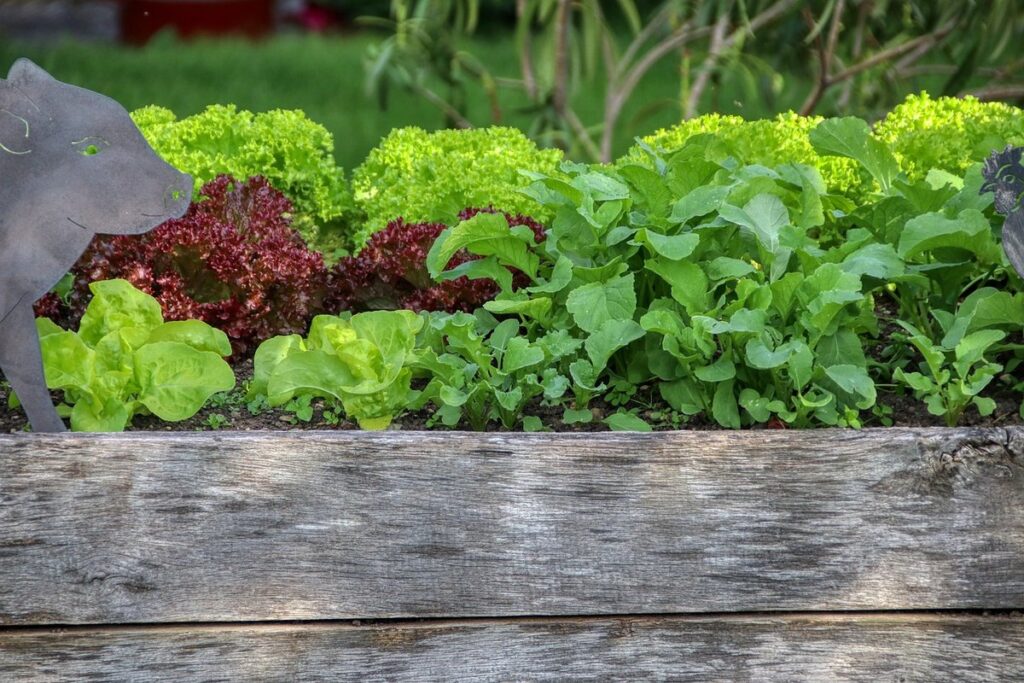
Benefits of Using a Raised Bed
Not only will using raised beds save you backache and knee strain, but they also come with several other benefits that make gardening easier and more efficient. Let’s explore these advantages together!
Space-Saving and Accessibility
When it comes to small gardens or those with mobility issues, raised beds can be a game-changer. One of the most significant benefits is that they allow for easy access to plants without straining. This is particularly important for individuals who may have difficulty bending, stooping, or standing for long periods.
Raised beds are often elevated just a few inches off the ground, making it effortless to tend to your plants from a comfortable seated position. Imagine being able to plant, water, and harvest your favorite fruits and vegetables without having to exert yourself physically. This accessibility also means that people of all ages can enjoy gardening together as a family activity.
To make the most of raised beds in small spaces or for those with mobility issues, consider the following tips: Choose compact varieties of plants that don’t require a lot of space to grow. Select plants that are easy to care for and don’t need frequent pruning or maintenance. * Invest in long-handled gardening tools, such as watering cans and pruners, which can help reduce straining and bending.
By incorporating raised beds into your garden design, you’ll not only save space but also create a more inclusive and enjoyable gardening experience for everyone involved.
Improved Drainage and Soil Quality
When you use raised beds, you’re not just creating a more visually appealing gardening space – you’re also improving soil drainage and quality. This is especially important for gardeners who struggle with waterlogged conditions or nutrient deficiencies.
Raised beds are designed to allow excess water to drain quickly, reducing the risk of root rot and other issues that can come from standing water. By elevating your plants above the surrounding soil level, you’re creating a more conducive environment for healthy growth. In addition, raised beds often contain a mix of topsoil, compost, and perlite or vermiculite, which work together to improve drainage and retain moisture.
This can make all the difference for plants that are sensitive to waterlogged conditions, such as carrots, beets, and potatoes. By improving soil quality and drainage, you’re also increasing your plant’s access to essential nutrients like nitrogen, phosphorus, and potassium. To get the most out of your raised bed, focus on using a well-draining potting mix and avoid overwatering – aim for about 1 inch of water per week, either from rain or irrigation.
Factors Influencing Plant Spacing
When planning a raised bed, several key factors influence how far apart you should plant your vegetables and flowers. Understanding these factors will help you create a thriving garden.
Climate and Weather Considerations
When planning raised bed plant spacing, it’s essential to consider the local climate and weather patterns. Extreme temperatures can have a significant impact on plant growth, with high heat leading to drought stress and low temperatures causing damage or even death.
In regions with intense sunlight, such as those near the equator, plants may require more space to prevent overcrowding and promote healthy air circulation. This is particularly important for vining plants like tomatoes and peas, which can spread out quickly if not given enough room.
Conversely, areas with mild temperatures and moderate precipitation patterns, like the Pacific Northwest in North America, allow for tighter plant spacing since moisture is readily available.
To determine optimal plant spacing based on your local climate:
* Check average high and low temperatures to ensure plants won’t be exposed to extreme heat or cold.
* Consider the amount of sunlight your garden receives each day.
* Observe local weather patterns to gauge precipitation levels and potential droughts.
* Research specific growing requirements for your chosen plants to determine their ideal spacing needs.
By taking these factors into account, you can create a harmonious raised bed that thrives in its environment.
Type of Plants and Growth Habits
When deciding on raised bed planting distances, it’s crucial to consider the mature size, growth habits, and spread of various plant varieties. Some plants are naturally more compact and can thrive in closer quarters, while others require ample space to grow and spread out.
For instance, lettuce and herbs like basil and mint tend to be relatively small and can do well with 2-3 inch spacing. On the other hand, larger vegetables such as tomatoes and peppers require at least 12-18 inches between each plant to prevent overcrowding and promote healthy growth.
Some plants are naturally vining or spreading, making it essential to provide them with a trellis or support system. Cucumbers and squash are great examples of these types of plants. They can spread out quite a bit, so make sure to leave enough space between each plant for their vines to grow without becoming too entangled.
Keep in mind that overcrowding not only hinders growth but also encourages the spread of diseases among nearby plants. By carefully selecting the right variety and giving them sufficient space, you’ll be able to enjoy a bountiful harvest from your raised bed garden.
General Planting Distance Guidelines
When it comes to planting in raised beds, knowing the right spacing between plants is crucial for healthy growth and a lush display. This guide will walk you through general guidelines for common vegetables and flowers.
Vegetable Crops
When it comes to vegetable crops, the optimal planting distance is crucial for their growth and yield. As a general rule of thumb, most vegetables benefit from between 2-4 feet of space between plants, depending on their mature size.
For example, indeterminate tomatoes require at least 3-5 feet of space between plants, while determinate tomatoes can be spaced about 18-24 inches apart. Cucumbers also prefer a wide spacing of around 12-18 inches to allow for air circulation and easy harvesting. On the other hand, leafy greens like lettuce and spinach can thrive in as little as 6-8 inches of space between plants.
It’s essential to consider the mature size of each vegetable variety when determining the planting distance. Make sure to check the seed packet or consult with a local nursery for specific recommendations tailored to your climate and region. By providing the right amount of space, you’ll not only promote healthy growth but also prevent overcrowding, which can lead to reduced yields and increased susceptibility to disease.
Fruit Trees and Shrubs
When it comes to planting fruit trees and shrubs in raised beds, it’s essential to consider their mature growth size and air circulation needs. Unlike vegetables and annuals, which can be harvested before they reach their full size, fruit trees and shrubs require more space to thrive.
A general rule of thumb is to plant fruit trees 15-20 feet apart, depending on the variety. For example, dwarf apple trees can be planted as close as 10-12 feet apart, while standard varieties need at least 20 feet between them. Shrubs like blueberries and raspberries also benefit from more space, requiring around 3-4 feet of clearance to prevent overcrowding and promote healthy growth.
To ensure proper air circulation and sunlight penetration, make sure to leave enough space between plants for their mature canopies. A good starting point is to multiply the plant’s mature width by two or three, then add a few extra feet for good measure. This will give your fruit trees and shrubs room to breathe and produce healthy fruit over time.
Specific Planting Distance Considerations
When planting in a raised bed, it’s not just about cramming as many plants as possible into the space, but rather finding the perfect balance to promote healthy growth and prevent overcrowding. Let’s dive into some specific considerations that will help you get it right.
Companion Planting
Companion planting is a clever way to maximize space and productivity in your raised bed garden. By pairing certain plants together, you can create a harmonious ecosystem that benefits from the unique characteristics of each plant. For example, planting marigolds with tomatoes can deter nematodes, which can harm tomato roots. The strong scent of basil repels aphids and other pests that target vegetables like lettuce and peppers.
When choosing companion plants, consider their growth habits, spread, and requirements for sunlight and water. Planting tall stalks like sunflowers or corn near shorter plants can provide shade and support, while spreading groundcovers like creeping thyme can fill gaps between plants. However, be mindful of potential drawbacks – for instance, some herbs like mint can become invasive if not contained.
To make the most of companion planting in your raised bed garden, choose a mix of plants that complement each other’s needs and habits. Research specific pairings that suit your climate, soil type, and pest pressure to create a balanced and thriving ecosystem.
Crop Rotation and Succession Planning
Crop rotation and succession planning are crucial aspects of raised bed gardening that significantly influence planting distances. By adopting these practices, you can optimize yields while minimizing pest and disease issues.
When implementing crop rotation, consider the plant families to avoid overcrowding and nutrient competition. For example, members of the Solanaceae family (tomatoes, peppers, eggplants) should not be planted in succession due to their shared susceptibility to nematodes. Conversely, rotating between Brassicas (broccoli, cauliflower) and legumes (beans, peas) enhances soil health by fixing nitrogen.
To plan for crop succession, assess the mature plant size of each variety and space accordingly. A good rule of thumb is to leave 1-2 feet between plants for easy access and air circulation. Some plants like lettuce, spinach, and radishes can be harvested in as little as two weeks, allowing for rapid succession and minimizing soil disturbance.
Consider using a crop rotation schedule or chart to help plan your planting distances. This visual aid will ensure that you’re not over-planting or under-planting specific areas, thereby maintaining optimal yields and reducing pest pressure.
Raised Bed Layout Examples and Tips
Now that you’ve mastered the basics of raised bed planting distance, let’s dive into some practical examples to help you plan your garden’s layout effectively.
Square Foot Gardening
When it comes to optimizing plant spacing in raised beds, Square Foot Gardening (SFG) is an excellent approach. This method was first popularized by Mel Bartholomew’s book “Square Foot Gardening” and has since become a favorite among gardeners looking to maximize their space.
In SFG, the bed is divided into one-foot square sections, with each section representing one square foot of growing space. To use this layout effectively, you’ll want to assign a specific number of plants per square based on their mature size. For example, leafy greens like lettuce and spinach can be planted at 16 plants per square, while larger vegetables like tomatoes and peppers should be limited to 4-6 plants per square.
To create an efficient SFG layout in your raised bed, start by identifying the mature size of each plant you want to grow. Then, calculate how many squares you’ll need based on that number. For instance, if a tomato plant will take up about two squares when mature, and you have 12 squares available, you can fit six tomatoes in that space. By planning your layout carefully, you can enjoy a lush and productive garden without sacrificing too much space.
Circular and Rectangular Designs
When designing a raised bed layout for circular and rectangular shapes, it’s essential to maximize growing space while maintaining accessibility. Circular beds offer a unique advantage in that they allow plants to be placed closer together without sacrificing air circulation or sunlight penetration.
For example, consider arranging herbs like basil and mint in a circular pattern around the center of a bed, with leafy greens like lettuce and kale on the outside edges. This not only creates a visually appealing design but also promotes efficient water usage and reduces waste.
In rectangular beds, it’s best to divide them into sections using plants that grow upright or have spreading habits. For instance, plant tall vegetables like tomatoes or peppers along the north side of the bed, where they can receive direct sunlight without shading smaller plants on the south side.
To maintain accessibility in both circular and rectangular designs, consider staggering planting heights and leaving pathways between beds for easy maintenance. By incorporating these design principles, you’ll create a functional and thriving raised bed garden that makes the most of your available space.
Challenges and Troubleshooting
We know that even with the best planning, raised bed gardening can be tricky – what to do when things don’t go as planned. Let’s explore some common challenges you might face and how to overcome them.
Overcrowding and Under-Utilization
One of the most common mistakes gardeners make when determining planting distances is overcrowding or under-utilizing raised beds. Overcrowding occurs when too many plants are packed into a small space, leading to reduced growth, increased competition for resources, and a higher risk of disease transmission. For example, planting tomatoes and cucumbers together in a single bed can lead to poor air circulation and an increased susceptibility to fungal diseases.
On the other hand, under-utilizing raised beds means leaving too much empty space between plants, which can result in wasted potential and reduced yields. This is often due to the assumption that more space is better, rather than carefully planning for optimal growth and development.
To avoid these mistakes, it’s essential to research the specific planting requirements for each plant variety and plan your bed layout accordingly. Consider factors such as mature plant size, growth habits, and spacing recommendations from expert sources like seed packets or gardening books. A well-planned bed can lead to healthier plants, increased yields, and a more enjoyable gardening experience.
Pest and Disease Management
When plants are too close together, it can create an environment conducive to pest and disease issues. This is because overcrowding reduces air circulation, making it easier for fungal diseases like powdery mildew and leaf spot to spread. Insects like aphids, whiteflies, and spider mites thrive in dense plantings, feeding on sap and spreading viruses.
To manage pests and diseases effectively, focus on maintaining good air circulation within your raised beds. This can be achieved by leaving adequate space between plants – ideally 12-18 inches apart for most vegetables and flowers. Regularly inspect your plants, removing any infected or infested leaves to prevent the problem from spreading. Consider using physical barriers like fine mesh or fine-netted row covers to keep insects away.
Another crucial aspect is proper sanitation. Remove weeds, debris, and old plant material that can harbor pests and diseases. Rotate your crops seasonally to break disease cycles and reduce soil-borne pathogens. By implementing these strategies, you’ll be well on your way to minimizing pest and disease issues in your raised beds.
Frequently Asked Questions
How do I determine the optimal planting distance for my specific climate?
When determining planting distances, it’s essential to consider your local climate conditions. Warmer climates with high temperatures may require more space between plants to prevent overheating and reduce moisture loss through transpiration. Cooler climates with moderate temperatures can often accommodate closer spacing. Research specific guidelines for your region or consult with a gardening expert in your area.
Can I use the same planting distance for all types of plants?
While general guidelines are helpful, plant-specific requirements must be considered. Plants with different growth habits, such as sprawling tomatoes versus compact leafy greens, have unique space needs. Research individual plant spacing recommendations and adjust based on specific conditions like climate, soil quality, and available sunlight.
What if I have a small raised bed or limited space?
To maximize space efficiency in smaller raised beds, consider using intensive gardening techniques like square foot gardening or close planting of companion plants that complement each other’s growth habits. These methods allow for more productive use of space while still ensuring adequate air circulation and light penetration.
How can I ensure proper air circulation within my raised bed?
Air circulation is crucial for preventing disease and promoting healthy plant growth. To ensure sufficient airflow, maintain at least 6-12 inches (15-30 cm) between plants, depending on their mature size. Leave some space around the edges of your raised bed as well to allow for easy access and air movement.
Are there any specific considerations when planting perennials or shrubs?
When incorporating perennial flowers or shrubs into your raised bed, consider their mature size and growth habits. Plant at a larger spacing (around 18-24 inches / 45-60 cm) to accommodate future spread and ensure easy maintenance. Also, prioritize companion planting for these long-term plants by selecting species that benefit from their growth patterns or provide mutually beneficial relationships.