
Are you tired of seeing your carefully tended raised beds ravaged by pests? Whether it’s aphids, slugs, or other unwanted visitors, dealing with pests in your garden can be frustrating and time-consuming. As a gardener, you want to enjoy the fruits of your labor without worrying about chemicals or destructive critters. That’s where effective raised bed pest control comes in – a must-know for any serious gardener looking to protect their investment and keep their plants healthy. In this article, we’ll explore natural methods like companion planting and physical barriers that can help you tackle common pests, as well as integrated pest management techniques that will give you the best of both worlds: a thriving garden and a balanced ecosystem.
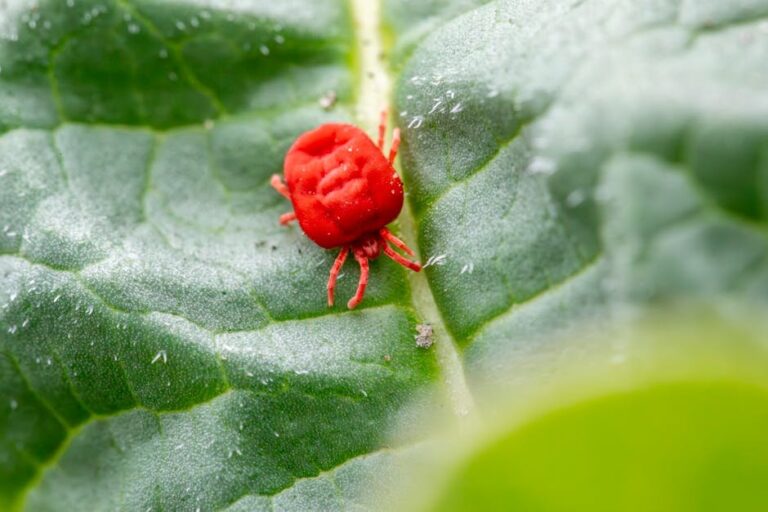
Understanding Raised Bed Pests
When it comes to raised bed gardening, pests can quickly ruin a season’s worth of hard work. This section will help you identify common pests and their effects on your garden.
Common Pests in Raised Beds
Identifying common pests in raised beds is crucial to develop an effective pest control strategy. One of the most widespread pests affecting raised bed gardens are aphids. These tiny insects feed on plant sap, causing curled leaves and stunted growth. Regularly inspecting your plants for signs of aphid infestation can help prevent damage.
Slugs and snails are another significant concern in raised beds. These mollusks feed on soft tissues at night, leaving behind a trail of slime and damaged leaves. To control these pests, use copper tape around the bed’s perimeter or crushed eggshells to deter them from crossing.
Caterpillars, particularly hornworms and cabbage looper larvae, can also wreak havoc in raised beds. These voracious eaters feed on plant foliage, leaving behind characteristic holes and damage. Hand-picking caterpillars during the night is an effective method of control.
Other pests to watch out for include whiteflies, spider mites, and thrips, which thrive in warm and humid conditions common in raised beds. By recognizing these common pests early on, you can implement targeted pest control strategies before they become severe issues.
Signs of Pest Infestation
Recognizing pest infestation signs is crucial to taking control of your raised bed garden. As a gardener, it’s essential to stay vigilant and monitor your plants regularly for any unusual changes. One of the most common signs of pest infestation is damaged leaves. If you notice holes in the leaves or other forms of damage such as tearing or discoloration, it could be an indication that pests are present.
Other visual indicators include tiny eggs, droppings, or silken threads on the plants. These signs can often go unnoticed until they’ve caused significant damage to your garden. Some common pests that target raised bed gardens include aphids, whiteflies, and spider mites. To identify infestation early on, make it a habit to inspect your plants regularly.
When inspecting your plants, look for any unusual growths or discolorations. Check the undersides of leaves and stems for tiny eggs or droppings. Also, keep an eye out for any holes in the soil or mulch, which can indicate tunneling pests like slugs or snails.
Natural Methods for Raised Bed Pest Control
Let’s move beyond harsh chemicals and explore natural methods to keep pests at bay in your raised beds, starting with companion planting and beneficial insects. This approach is not only eco-friendly but also effective.
Companion Planting
Companion planting is an effective and natural method to control pests in raised bed gardens. This technique involves growing certain plants together that repel pests, making it a win-win situation for both the gardeners and their crops. For instance, basil is known to repel aphids, which can be devastating to tomatoes and peppers if left unchecked. By planting basil near these susceptible plants, you can enjoy a pest-free harvest.
Another example of beneficial companion planting is using marigolds to control nematodes. These microscopic worms can wreak havoc on root vegetables like carrots and beets. Marigold’s strong scent repels nematodes, making it an excellent addition to your raised bed garden. You can also use nasturtiums to deter aphids and whiteflies from cucumbers and squash.
When incorporating companion planting into your strategy, consider the mature size of each plant, as well as their growth habits. Some plants may spread quickly or grow tall, overpowering others in the bed. By choosing the right combination, you can create a balanced and harmonious raised bed garden that minimizes pest issues naturally.
Physical Barriers
Physical barriers are an effective way to prevent pests from reaching your raised bed plants. One popular method is using row covers, lightweight fabrics that allow light and water to reach the plants while keeping pests out. Simply drape the cover over the bed, securing it with rocks or soil at the edges. This will prevent flying insects like aphids and whiteflies from landing on your plants.
Another option is fine mesh, which can be draped over individual plants or used to create a fence around the entire bed. Copper tape is also an effective deterrent for slugs and snails – simply wrap it around plant stems, where these pests tend to congregate. These physical barriers are non-toxic and easy to use, making them a great addition to your raised bed pest control strategy.
When choosing a physical barrier, consider the type of pest you’re trying to deter and the size of your plants. Row covers work well for larger areas, while fine mesh is better suited for smaller spaces or individual plants. By combining physical barriers with other natural methods, such as companion planting and crop rotation, you can create a robust and effective raised bed pest control plan.
Integrated Pest Management (IPM) Strategies
To tackle pest issues effectively, let’s explore some practical IPM strategies that combine physical barriers, cultural controls, and targeted treatments for your raised bed garden.
Crop Selection and Rotation
When it comes to raised bed pest control, one of the most effective strategies is crop selection and rotation. By choosing the right crops for your garden and rotating them regularly, you can significantly reduce pest pressure and improve soil health. This approach not only helps to minimize the use of chemical pesticides but also promotes a balanced ecosystem.
Crop rotation involves changing the type of plants grown in a particular bed from one season to another. For example, if you’re growing tomatoes in a raised bed during the spring, consider planting something like marigolds or basil in that same bed for the fall season. These flowers repel pests that target tomatoes and can even help improve soil fertility.
Rotating crops not only reduces pest pressure but also improves soil health by breaking disease cycles and increasing beneficial microbial activity. It’s essential to choose crops that are suitable for your climate, soil type, and garden layout. By incorporating crop selection and rotation into your raised bed management plan, you’ll be well on your way to creating a thriving, low-maintenance garden ecosystem.
Soil Preparation and Organic Amendments
When it comes to maintaining a healthy garden in raised beds, one of the most critical aspects is soil preparation. By creating a balanced ecosystem, you can prevent pest issues before they arise. Start by incorporating organic amendments into your soil mix. Compost is an excellent choice, rich in nutrients and beneficial microorganisms that promote soil health.
To take it to the next level, consider making manure tea as a liquid fertilizer. This process involves steeping animal manure (such as chicken or cow) in water to extract its nutrient-rich properties. The resulting liquid can be used as a foliar spray or added directly to the soil for an instant boost of fertility.
Other natural additives like worm castings, fish emulsion, and bone meal can also contribute to a balanced ecosystem. These amendments not only provide essential nutrients but also foster beneficial microbial activity that helps break down organic matter and repel pests. By incorporating these elements into your raised bed garden, you’ll create an environment less conducive to pest infestations and more favorable to the growth of healthy plants.
Chemical Controls for Raised Bed Pests
When pests invade your raised bed garden, chemical controls can be a necessary step to protect your crops. In this next part of our guide, we’ll explore effective and safe chemical options for pest control.
When to Use Chemicals
When dealing with raised bed pests, chemical controls might be necessary in certain situations. If you’ve noticed severe infestations that are causing significant damage to your plants, chemical controls can help mitigate the problem. However, before reaching for chemicals, make sure you’ve tried other methods like removing weeds, improving soil quality, and introducing beneficial insects.
If other control methods have failed, chemical controls might be a viable option. For instance, if you’ve noticed that pests are resistant to neem oil or insecticidal soap, it may be time to try a pyrethrin-based spray. In such cases, always follow the product instructions carefully and take necessary safety precautions.
It’s essential to note that chemical controls should not be used as a first line of defense. They can harm beneficial insects, contaminate soil, and even pose health risks to humans and pets if misused. When using chemicals, choose products specifically designed for garden use and follow the recommended application rates.
Types of Chemical Controls
When it comes to chemical controls for raised bed pests, there are several options available. One popular choice is insecticidal soap, a gentle yet effective way to control soft-bodied insects like aphids and whiteflies. Mix the soap with water according to the label instructions and spray it directly on the affected areas. Be sure to avoid spraying during peak sun hours to prevent leaf scorch.
Another option is neem oil, derived from the seeds of the neem tree. This natural pesticide can be used to control a wide range of pests, including insects, mites, and even fungal diseases. Mix neem oil with water according to the label instructions and spray it on the plants. It’s essential to note that neem oil can be toxic to bees and other beneficial insects, so use it sparingly.
Systemic pesticides are another type of chemical control available for raised bed pests. These products work by being absorbed by the plant itself, providing long-lasting protection against pests. However, they can also harm beneficial insects and contaminate soil and water. Use systemic pesticides as a last resort and follow the label instructions carefully to minimize risks.
When using any of these chemical controls, it’s crucial to read and follow the label instructions carefully. Wear protective clothing and eyewear, and make sure to spray during calm weather conditions. Additionally, always test a small area first to ensure the product doesn’t cause any damage to your plants.
Long-Term Strategies for Raised Bed Pest Prevention
To keep your raised bed garden thriving, it’s essential to consider long-term strategies that prevent pests from becoming a recurring problem. We’ll explore effective ways to do just that below.
Maintaining a Healthy Ecosystem
Maintaining a healthy ecosystem in your raised beds is crucial to preventing pests and creating a thriving garden. By promoting beneficial insects like bees and butterflies, you can create a balanced environment that keeps pest populations under control. One way to achieve this is by incorporating plants that attract pollinators, such as lavender, coneflower, and sunflower.
In addition to attracting beneficial insects, it’s essential to maintain good soil health through proper composting and fertilization practices. This ensures the soil has a robust microbial community, which helps break down organic matter and repel pests naturally. For example, studies have shown that gardens with healthy soils tend to have lower pest populations compared to those with poor soil conditions.
To create a pest-free environment, incorporate natural repellents like neem oil or diatomaceous earth into your gardening routine. These substances can help deter pests without harming beneficial insects or the environment. By implementing these strategies, you’ll be well on your way to creating a balanced ecosystem that keeps pests at bay and supports a healthy, thriving garden.
Record Keeping and Monitoring
Record keeping and monitoring are crucial components of effective raised bed pest prevention. By tracking pest activity, weather patterns, and other factors that impact your garden’s health, you’ll be able to identify areas where pests are more likely to thrive, making it easier to take proactive measures.
Start by keeping a gardening journal or using a mobile app to track the following:
- Pest sightings and infestations
- Weather conditions, including temperature, precipitation, and humidity levels
- Soil quality and pH levels
- Plant health, including watering schedules and fertilization
Take note of any correlations between these factors and pest activity. For example, you might notice that aphid populations surge during periods of high humidity or that certain plants are more susceptible to root maggots. This information will enable you to develop targeted strategies for prevention and control.
Consider implementing a simple monitoring system using sticky traps or yellow traps to capture adult pests, allowing you to track their population dynamics over time.
Frequently Asked Questions
Can I use a combination of natural methods and chemical controls for raised bed pest control?
Yes, integrated pest management (IPM) strategies allow you to combine multiple techniques, including natural methods like companion planting and physical barriers with targeted chemical applications. This approach can be effective in addressing severe infestations or when dealing with resistant pests. However, it’s crucial to use chemicals judiciously and follow the recommended application rates.
How do I know if my raised bed garden is at risk of pest infestation?
Regular monitoring and record-keeping are essential for identifying potential issues early on. Look for signs like unusual growth patterns, holes in leaves, or actual pests visible during the day (most active at dawn/dusk). Consider using traps or sticky tapes to capture slugs/snails. By maintaining a record of your observations, you can track changes and respond promptly.
Are there any specific companion plants that repel aphids effectively?
Certain herbs like basil, mint, and lemongrass have natural oils that deter aphids. However, their effectiveness may vary depending on the specific raised bed conditions and the severity of infestation. Consider planting these companions alongside your most vulnerable crops to create a balanced ecosystem.
How often should I inspect my raised beds for pests?
Regular inspections are critical in early detection of pest issues. Set aside time each week (or every other week) to walk through your garden, checking for signs of damage or actual pests. This proactive approach will help prevent small problems from escalating into full-blown infestations.
Can I use neem oil as a standalone solution for all raised bed pests?
While neem oil is an effective natural pesticide against many pests, it may not be enough to completely eradicate severe infestations or deal with resistant species. Use it as part of a broader IPM strategy and consider rotating your control methods (e.g., switching from neem oil to soap-based solutions) for optimal results.