
Raised beds are a game-changer for gardeners who want to grow their favorite perennials without the hassle of traditional in-ground gardening. But with so many options, it can be overwhelming to choose the right plants and learn how to care for them. That’s why we’re here to help! In this comprehensive guide, we’ll walk you through the steps of selecting, planting, and maintaining perennials in raised beds. From choosing a sunny or shady spot to preparing the perfect soil mix, we’ll cover all the basics. You’ll learn how to select perennials that thrive in your specific climate and growing conditions, as well as essential care tips to keep them healthy and blooming throughout the seasons. Whether you’re a seasoned gardener or just starting out, this guide will give you the confidence to create a thriving raised bed garden filled with beautiful perennial blooms.
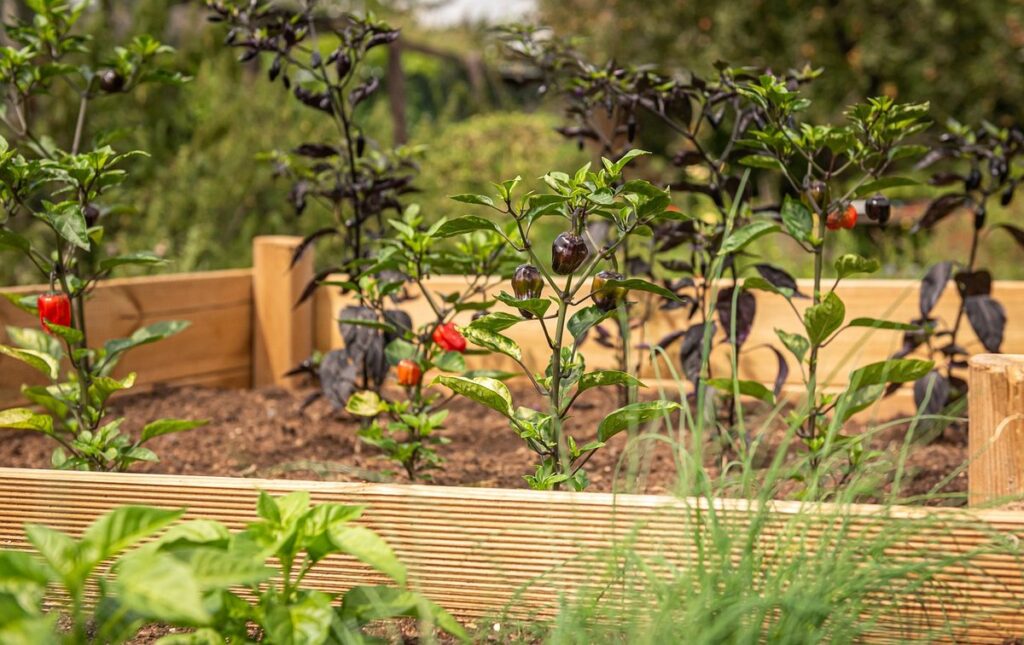
Choosing the Right Location and Soil
When selecting a location for your raised bed perennials, consider factors such as sunlight, drainage, and accessibility to ensure optimal growth. Let’s dive into the specifics of choosing the right spot.
Understanding Sunlight Requirements
When it comes to choosing perennials for your raised bed garden, understanding sunlight requirements is crucial. Most perennials need at least 4-6 hours of direct sunlight a day to thrive, but some can tolerate partial shade or full sun. To determine the amount of direct sunlight your garden receives, observe the area during peak sun hours (usually between 10am and 4pm) on a sunny day.
If you’re still unsure, check the plant label or consult with a local nursery expert for guidance on specific perennial sunlight needs. Keep in mind that even if your perennials are happy in partial shade, they may not bloom as profusely as those receiving more direct sunlight. For example, hostas and astilbe prefer partial shade to prevent scorching, while coneflowers and black-eyed Susans love full sun.
Some popular perennials for raised beds include:
• Bee balm: Prefers at least 4 hours of direct sunlight
• Catmint: Can tolerate partial shade but blooms best in full sun
• Daylilies: Happy in a range of light conditions, from full sun to partial shade
By understanding the sunlight requirements of your perennials, you’ll be able to create a beautiful and thriving raised bed garden that showcases their unique characteristics.
Preparing Your Raised Bed Soil
When preparing your raised bed soil for perennials, it’s essential to focus on creating a well-balanced and fertile environment. Perennials thrive in soil with a slightly acidic pH, ranging from 6.0 to 7.0. If your existing soil is too alkaline or acidic, consider adding lime or sulfur to adjust the pH.
For optimal nutrient content, aim for a mix that includes 2-3% organic matter such as compost or well-rotted manure. This will provide essential nutrients like nitrogen, phosphorus, and potassium. To improve drainage, add 10-20% perlite or vermiculite to your soil mix.
If starting from scratch, create a new raised bed by layering materials like compost, topsoil, and perlite in a 4:3:1 ratio. For existing soil, test its nutrient content using a soil kit or send it for analysis. Based on the results, add organic matter or fertilizers to boost fertility.
To further enhance your soil’s structure, consider incorporating beneficial microbes through mycorrhizal fungi or worm castings.
Selecting Perennials for Your Raised Bed
When selecting perennials for your raised bed, it’s essential to consider factors such as climate, soil quality, and sunlight exposure to ensure a thriving garden. Choose plants that fit these conditions for maximum growth and enjoyment.
Understanding Plant Hardiness Zones
When selecting perennials for your raised bed, it’s essential to consider the plant hardiness zones in your area. Plant hardiness zones are a way of categorizing regions based on their average annual extreme minimum temperature, ranging from 1 (very cold) to 12 (mild). This information is crucial when choosing plants that can thrive and survive in your local climate.
Understanding your plant hardiness zone will help you narrow down the selection process. If you live in a colder region with a shorter growing season, for example, choose perennials that are bred to be compact or dwarf varieties, which mature faster and require less winter protection. Conversely, if you reside in warmer climates with longer growing seasons, opt for more robust perennials that can tolerate heat stress.
To determine your plant hardiness zone, consult the USDA Plant Hardiness Zone Map online or check with local nurseries for guidance. Be sure to also consider other factors like soil type, sunlight exposure, and moisture levels when selecting perennials for your raised bed garden. By choosing plants suitable for your climate, you’ll set yourself up for success and enjoy a thriving perennial garden all season long.
Popular Perennials for Raised Beds
When it comes to choosing perennials for your raised bed, there are countless options to consider. However, some varieties stand out from the rest due to their exceptional performance and adaptability in these elevated gardening spaces. Here are a few popular perennials that consistently thrive in raised beds:
Some of the most popular perennials for raised beds include coneflowers (Echinacea spp.), black-eyed Susans (Rudbeckia hirta), and daylilies (Hemerocallis spp.). These plants offer vibrant blooms, low maintenance requirements, and adaptability to various soil types. For example, coneflowers produce showy purple, pink, or white flowers in mid-to-late summer, attracting pollinators and adding visual interest to the garden.
Other notable perennials for raised beds include salvia (Salvia spp.), bee balm (Monarda didyma), and catmint (Nepeta x faassenii). These plants not only provide stunning blooms but also offer unique characteristics like fragrant foliage or attractive foliage textures. When selecting perennials, consider factors such as bloom time, growth habits, and maintenance requirements to ensure a harmonious and thriving garden ecosystem.
When incorporating these perennials into your raised bed design, remember to plant them in areas with adequate sunlight and water drainage. By choosing the right perennials for your specific climate and gardening conditions, you’ll be rewarded with a vibrant, low-maintenance garden that brings joy and beauty to your outdoor space all season long.
Planting Techniques and Tips
To get the most out of your raised bed perennials, it’s essential to know how to plant them correctly, which is where our next set of tips comes in.
Proper Plant Spacing and Arrangement
When designing your raised bed perennial garden, it’s essential to consider proper plant spacing and arrangement. This not only promotes healthy growth but also reduces competition for resources such as water, light, and nutrients.
To ensure a harmonious coexistence among your plants, allocate space according to their mature size. For example, tall perennials like delphiniums or sunflowers should be placed towards the north side of the bed, where they won’t shade smaller varieties. Conversely, compact growers like creeping thyme or sedum can thrive in tight spaces and even fill gaps between larger plants.
Aim for a balanced mix of textures, colors, and heights to create visually appealing combinations. Group plants with similar growing requirements together to simplify maintenance tasks. For instance, plant flowering perennials on the south side of the bed to maximize sunlight exposure. By carefully planning your raised bed layout, you’ll enjoy a thriving perennial garden that showcases its beauty throughout the seasons.
Consider companion planting, where certain perennials benefit from being near others. For example, mint repels pests that target other plants, while marigolds attract beneficial insects.
Mulching and Watering Strategies
When it comes to mulching and watering raised bed perennials, there are several strategies you can employ to conserve water and prevent overwatering. First, let’s talk about the importance of mulch. Mulch helps retain moisture in the soil, suppresses weeds, and regulates soil temperature. For raised beds with perennials, use a 2-3 inch layer of organic mulch such as wood chips or bark. Keep it at least an inch away from the plant stems to prevent rot.
Watering is another crucial aspect to consider. Since perennials have deep root systems, they require less frequent watering than annuals. Water your raised bed plants deeply but infrequently to encourage deep root growth. Aim for about 1-2 inches of water per week, either through rainfall or irrigation. To further conserve water, consider installing a drip irrigation system that delivers water directly to the roots.
It’s also essential to monitor soil moisture levels regularly by inserting a finger into the soil up to the knuckle. If the soil feels dry, it’s time to water. Be cautious not to overwater, as this can lead to root rot and other issues.
Maintenance and Care of Raised Bed Perennials
To keep your raised bed perennials thriving, it’s essential to understand their specific maintenance needs, from pruning to pest control. Let’s dive into these crucial care tips together.
Seasonal Tasks for Optimal Growth
As we navigate the changing seasons, it’s essential to tailor our care routine for optimal growth and health of perennials in raised beds. Spring brings new life to our gardens, and with it, a range of tasks to focus on.
In early spring, before new growth appears, remove any dead or damaged stems from the previous year’s plants. This allows fresh energy to flow into the plant, promoting healthy growth. Next, apply a balanced fertilizer to provide essential nutrients for the upcoming growing season.
Summer is the perfect time for pruning and deadheading. Remove spent flowers to encourage repeat blooming and maintain the plant’s shape. Prune back leggy stems or overgrown sections to promote air circulation and prevent disease. Also, divide and replant perennials that have outgrown their space.
Autumn brings a cooling of temperatures, but it’s still an ideal time for fertilizing with a high-potassium fertilizer to prepare the plant for dormancy. Remove any dead foliage and mulch around the plants to protect them from winter damage.
Winter, although seemingly inactive, is not the time to neglect your perennials. Apply a layer of compost or well-rotted manure to provide nutrients as the soil thaws in spring.
Pest and Disease Management
As you tend to your raised bed perennials, it’s inevitable that pests and diseases will eventually make an appearance. Identifying these issues early on is crucial for effective management. Common pests affecting perennials in raised beds include slugs, snails, aphids, and whiteflies. Check for signs of infestation by inspecting your plants regularly, especially after rainfall or watering.
Diseases like powdery mildew, leaf spot, and root rot can also devastate your perennial collection. Watch out for symptoms such as yellowing leaves, black spots, or a white, powdery coating on the foliage. Organic control methods include introducing beneficial insects, using neem oil, and practicing good sanitation. For example, removing weeds that harbor pests and diseases can significantly reduce infestations.
Integrated Pest Management (IPM) strategies involve combining multiple approaches to minimize chemical use. This might involve hand-picking pests, applying physical barriers, or utilizing biological controls like ladybugs for aphid control. To further manage pest populations, try using companion planting techniques, where certain plants repel pests that target your perennials.
Benefits of Raised Bed Perennials
Raised bed perennials offer numerous benefits, from reduced soil erosion to improved drainage and increased accessibility for gardeners of all ages and abilities. Let’s explore some of these advantages in more detail.
Increased Yield and Diversity
Growing perennials in raised beds offers numerous advantages that can significantly enhance your gardening experience. One of the most notable benefits is the increased yield. Perennials grown in raised beds tend to produce more flowers, fruits, and foliage compared to those planted directly in the ground. This can be attributed to the improved soil quality and drainage, which promote healthy root growth and nutrient uptake.
Another significant advantage is reduced labor requirements. Raised bed perennials require less maintenance as they are easier to access and cultivate than those planted in-ground. Weeds are also more manageable, reducing the need for constant weeding and minimizing soil compaction.
Incorporating a variety of perennials into your raised beds can also lead to increased plant diversity. This can be achieved by selecting plants with different growth habits, bloom times, and foliage textures. For instance, combining tall grasses with low-growing shrubs or flowers can create a visually appealing and dynamic landscape. By diversifying your perennial selection, you’ll not only attract more pollinators but also enjoy a more resilient garden ecosystem.
Environmental Impact
Raised bed perennials not only provide a beautiful and sustainable way to garden, but they also have a profoundly positive impact on the environment. One of the most significant benefits is water conservation. By using raised beds, you can create a garden that requires significantly less watering than traditional in-ground gardens. This is because the soil in raised beds drains excess water more efficiently, reducing runoff and evaporation.
Another advantage of raised bed perennials is their ability to prevent soil erosion. In traditional gardening methods, soil can be easily washed away by heavy rainfall or irrigation, leading to soil loss and nutrient depletion. However, raised beds allow you to contain the soil, preventing erosion and retaining vital nutrients for your plants.
By incorporating native plant species into your raised bed perennial garden, you can also create a thriving habitat for beneficial insects such as bees, butterflies, and ladybugs. This not only supports biodiversity but also provides an additional layer of pest control for your garden.
Frequently Asked Questions
What if I have a small yard or limited space for my raised bed perennials?
In this case, consider using vertically stacked planters or trellises to maximize space while still providing optimal growing conditions for your perennials. This can be especially useful for smaller gardens or urban spaces.
Can I use raised bed perennials in areas with poor drainage?
Yes, there are still many options for raised bed perennials that thrive in wet soils or require minimal watering. Consider plants like ferns, hostas, and astilbe, which prefer moist conditions and can tolerate some waterlogging.
How often should I fertilize my raised bed perennials to promote healthy growth?
Fertilize your raised bed perennials 2-3 times a year, depending on the specific plant needs. Use a balanced fertilizer during the growing season (spring-fall) and avoid over-fertilizing, which can harm plants and contaminate soil.
Can I divide and replant perennials from my existing garden into my new raised bed?
Yes, many perennial species can be divided and replanted to propagate healthy new growth. This is a great way to create more space for new plants while maintaining the vigor of your existing perennials.
What if some of my raised bed perennials don’t thrive in their initial season? Should I replace them entirely?
Don’t give up! Many perennials take time to establish themselves, and it’s not uncommon for them to look a bit scrappy in the first year. Give your plants another season or two before assessing their performance. You can also consider dividing or pruning existing plants to promote healthy growth.