
When it comes to creating a thriving garden, one often overlooked factor is raised bed depth. The ideal depth can make all the difference in plant growth, soil health, and overall maintenance. But with so many options available, from shallow to deep beds, choosing the right depth for your garden can be overwhelming.
In this article, we’ll break down everything you need to know about raised bed depth. We’ll explore how different depths affect root growth, water management, and pest control, as well as provide expert tips on building and maintaining your beds. You’ll learn how to select plants that thrive in various depths and discover the secrets to preparing the perfect soil. Whether you’re a seasoned gardener or just starting out, this guide will help you make informed decisions and create a garden that truly flourishes.
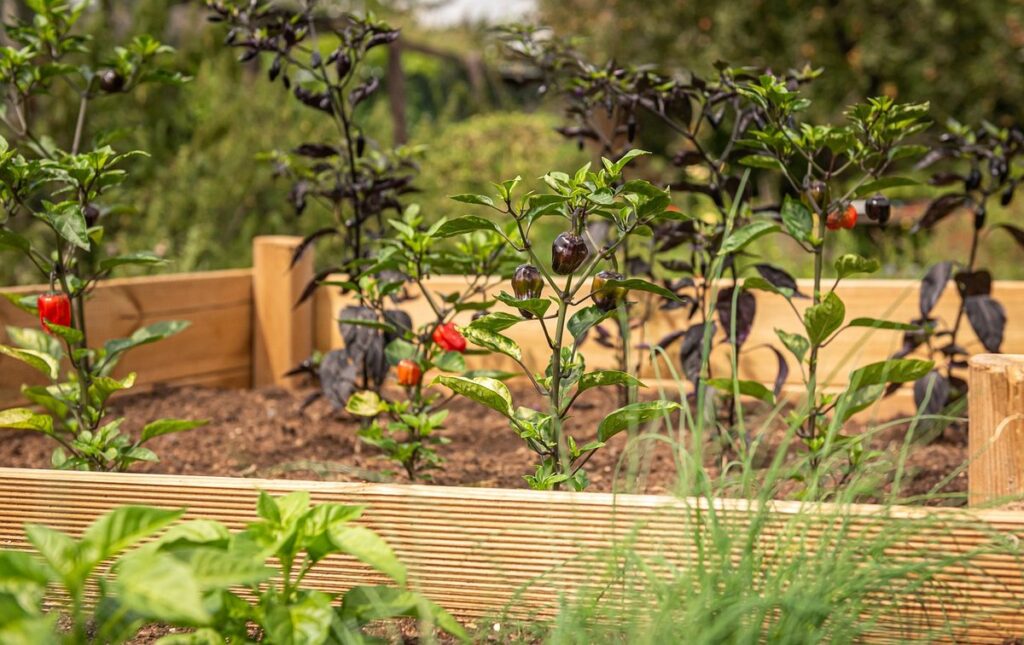
Understanding the Importance of Raised Bed Depth
When building a raised bed, understanding the optimal depth is crucial for healthy root growth and adequate drainage. Let’s explore why depth matters in your garden setup.
Benefits of Proper Depth for Root Development
When it comes to root development, the depth of your raised bed can have a significant impact on your plants’ growth and overall health. Shallower beds may lead to shallow roots that are more susceptible to drought and nutrient deficiencies. On the other hand, deeper beds allow for more extensive root systems, enabling plants to absorb water and nutrients more efficiently.
In fact, research has shown that vegetable plants grown in deeper raised beds (24-36 inches deep) tend to have 20-50% more roots than those grown in shallower beds (12-18 inches deep). This is because the increased depth allows for greater soil volume, which enables roots to spread out and absorb essential resources.
To encourage optimal root development, it’s essential to consider your plant species‘ specific needs. For example, taproot vegetables like carrots and beets require deeper soil to accommodate their extensive root systems. By choosing the right depth for your raised bed, you can give your plants a solid foundation for healthy growth and robust yields.
Common Mistakes in Raised Bed Construction
When constructing raised beds, it’s not uncommon for gardeners to make mistakes that compromise the depth of their beds. One common error is using pre-made raised beds, which often have a fixed depth that may not be suitable for all plants or soil types. For example, if you’re planning to grow deep-rooted vegetables like carrots or beets, a pre-made bed with only 6-8 inches of depth will not provide enough room for their roots to develop.
Another mistake is failing to consider the volume of soil that will be needed to fill the raised bed. This can result in a bed that’s too shallow, with inadequate space for root growth and nutrient exchange. A good rule of thumb is to calculate the total soil volume required for your bed based on its dimensions, including the depth you want to achieve.
To avoid these common pitfalls, it’s essential to plan carefully and measure accurately before constructing your raised beds. Take into account the mature size of the plants you’ll be growing and factor in a generous amount of space for root development.
The Optimal Depth Range for Vegetable Gardens
When designing a vegetable garden in raised beds, understanding the optimal depth range is crucial for maximizing yields and promoting healthy growth. As a general rule, most vegetables prefer a depth of 12-36 inches, although some may require deeper or shallower planting.
For example, root crops like carrots, beets, and radishes benefit from deeper soil depths to accommodate their taproots, which can extend up to 24 inches below the surface. On the other hand, vining plants like cucumbers, squash, and melons prefer a slightly shallower depth of around 12-18 inches.
To determine the ideal depth for your raised bed, consider the mature size of each plant variety and its root system. Vegetables with extensive root systems will require more soil volume to thrive. A good rule of thumb is to plan for at least 6-8 inches of additional depth for every foot of plant height. This allows for even water distribution and prevents nutrient deficiencies.
By carefully selecting the right depth range, you can create a thriving vegetable garden that yields maximum results with minimal maintenance.
Choosing the Right Materials and Dimensions
When building a raised bed, selecting the right materials and dimensions is crucial for optimal growth and maintenance. We’ll walk you through the key considerations to make your decision easier.
Selecting the Perfect Raised Bed Material
When it comes to selecting the perfect raised bed material, you have several options to choose from. Wood is a popular choice, but it requires regular maintenance to prevent rot and insect damage. Pressure-treated wood is often used, but it can leach chemicals into the soil, posing health risks to your plants and family.
Composite materials are another option, made from a combination of wood fibers and plastic. They’re durable, low-maintenance, and resistant to rot and insects. However, they can be expensive and may not provide the same aesthetic appeal as natural wood.
Metal raised beds are also available, often made from recycled aluminum or steel. They’re durable, easy to clean, and can withstand extreme temperatures. However, they can conduct heat away from the soil, potentially harming your plants.
When selecting a material, consider factors such as budget, durability, maintenance requirements, and aesthetic appeal. Make sure to choose a material that suits your gardening style and needs. It’s also essential to follow the manufacturer’s instructions for assembly, maintenance, and repairs to ensure the longevity of your raised bed.
Calculating the Ideal Raised Bed Size for Your Space
When planning your raised bed garden, determining the ideal size is crucial for efficient space use and optimal plant growth. To calculate the perfect size for your raised bed, start by measuring your available garden area. Consider the width and length of the space, taking note of any obstacles such as trees, paths, or other garden features.
Next, decide on the maximum number of raised beds you can fit within your designated area. A general rule of thumb is to leave at least 12-18 inches between each bed for easy access and maintenance. For example, if you have a 4×8 foot space, you could fit two 2×4 foot raised beds side by side.
Now that you know how many raised beds you can accommodate, determine the ideal size based on your needs. Consider factors like crop selection, growth habits, and accessibility. A good starting point is to build raised beds that are between 3-6 feet wide and 6-12 feet long. This allows for comfortable working space while still maximizing your garden’s potential.
To ensure a balanced design, divide your available space into equal sections or create a mix of larger and smaller beds. This will enable you to rotate crops more efficiently and maintain an even water supply throughout the growing season. Remember, flexibility is key in gardening – don’t be afraid to adjust your plan as needed based on your specific needs and constraints.
Design Considerations for Accessibility and Aesthetics
When designing your raised bed, it’s essential to consider both accessibility and aesthetics. A well-designed raised bed can not only improve drainage but also boost curb appeal, making it a valuable addition to your garden.
To enhance accessibility, consider using a flat or slightly sloped surface for easy entry and exit. This is particularly important if you plan on using the raised bed as a accessible space for gardening or relaxing. A gentle slope will allow water to drain freely while preventing standing water from accumulating.
For improved drainage, ensure that your raised bed has adequate spacing between each block or board. Aim for at least 1/4 inch of gap between each layer to prevent waterlogging and root rot. This simple design consideration can make a significant difference in the health and productivity of your garden.
As an added bonus, a well-designed raised bed can also boost curb appeal. Use a mix of materials such as reclaimed wood, composite decking, or natural stone to create a visually appealing border that complements your surrounding landscape.
Plant Selection Based on Raised Bed Depth
When choosing plants for your raised bed, you’ll want to consider the depth of the bed and select varieties that thrive in conditions suited to its specific height. This means selecting species based on their root growth requirements.
Plants That Thrive in Shallow Soils (Less than 12 inches)
When working with shallow soils, it’s essential to choose plants that don’t require deep roots. Herbs are an excellent option for raised beds with less than 12 inches of soil depth. Many popular herbs like basil, mint, and rosemary have a shallow root system and can thrive in these conditions. In fact, some herbs like mint and lemongrass can even spread outwards from the pot or bed, making them perfect for small spaces.
Strawberries are another great choice for shallow soils. They’re compact plants that produce delicious fruit without requiring a lot of soil depth. Some varieties, like Alpine strawberries, can produce two crops per year in as little as 6 inches of soil. Succulents are also an excellent option for shallow soils, as they store water in their leaves and stems rather than relying on deep roots.
When planting in shallow soils, make sure to choose compact or dwarf varieties of plants that have a shallower root system. This will ensure that your plants receive enough nutrients and moisture without getting root-bound.
Plants That Benefit from Standard Raised Bed Depths (12-24 inches)
When it comes to raised bed depths ranging from 12-24 inches, you’ll find that a variety of vegetables and flowers thrive within this range. Let’s start with some popular vegetable options.
* Leafy greens like lettuce, kale, and spinach do extremely well in shallower beds, typically between 12-18 inches deep. This allows for good root growth without becoming too compacted.
* Root vegetables such as beets, carrots, and radishes can grow in deeper beds up to 24 inches, but they still require adequate drainage and soil aeration.
* Tomatoes and peppers, while not strictly requiring shallower beds, will appreciate the extra depth and oxygenation that comes with raised bed depths between 18-24 inches.
Flowers like marigolds, zinnias, and sunflowers also benefit from this range. These plants require deeper root growth to support their tall stems, but still thrive in well-draining soil. When selecting varieties for your raised beds, be sure to check the specific growing requirements to ensure you’re providing the right conditions for each plant’s success.
Plants That Perform Best in Deeper Soils (24-36 inches)
When it comes to raised beds with deeper soils (24-36 inches), you’ll want to choose plants that can take advantage of this extra root space. Tomatoes, for instance, are a great choice. They have a deep taproot that allows them to absorb moisture and nutrients from the soil more efficiently. In fact, research has shown that tomatoes grown in deeper soils tend to produce heavier yields.
Cucumbers and sweet potatoes are also excellent options for raised beds with deeper soils. Both of these plants have a sprawling habit and can benefit from the extra room to spread out their roots. This will help them access more water and nutrients, resulting in healthier, more robust growth.
To make the most of your deep-soil raised bed, be sure to plant at the right depth for each variety. For example, tomatoes should be planted so that the soil level is around 2-3 inches above their base of the stem. This will give their roots room to grow without becoming waterlogged. By selecting plants that thrive in deeper soils and following proper planting techniques, you’ll be able to maximize your garden’s potential and enjoy a bountiful harvest.
Maintenance and Care for Raised Beds
To keep your raised beds healthy and thriving, it’s essential to understand how to properly maintain and care for them after they’re built. We’ll walk you through the best practices.
Soil Preparation Techniques for Optimal Drainage and Nutrient Retention
When it comes to maintaining your raised bed, creating an optimal drainage and nutrient retention system is crucial for thriving plants. To achieve this, focus on mixing organic matter into the soil. You can do this by adding compost, well-rotted manure, or peat-free multipurpose compost. Mixing in 2-3 inches of these materials will help improve the structure, fertility, and overall health of your raised bed.
Mulching is another essential technique for retaining moisture and suppressing weeds. Apply a 2-3 inch layer of organic mulch around your plants, keeping it a few inches away from their base. This not only retains moisture but also suppresses weed growth by blocking light and preventing seed germination.
Consider implementing composting as part of your raised bed maintenance routine. This process involves breaking down food waste and other organic materials to create a nutrient-rich fertilizer for your plants. Aim to turn the compost pile regularly, ensuring it gets enough oxygen to speed up decomposition. By incorporating these techniques into your care routine, you’ll be well on your way to creating a thriving ecosystem in your raised bed.
Water Management Strategies for Efficient Irrigation
Proper water management is crucial for efficient irrigation in raised beds. One effective technique is drip irrigation, which delivers water directly to the roots of plants, reducing evaporation and runoff. This method not only conserves water but also reduces soil erosion.
Rainwater harvesting is another strategy that can be used in conjunction with drip irrigation. Collecting rainwater from rooftops or other surfaces can provide a supplementary source of water for your garden. Consider installing a rain barrel to store this collected water, which can then be distributed through the drip irrigation system.
Soil moisture monitoring is also essential to ensure that plants are not receiving too much or too little water. Use a soil probe or moisture meter to check the moisture levels in the soil, and adjust the watering schedule accordingly. This will help prevent overwatering, which can lead to root rot and other problems.
By implementing these strategies, you can create an efficient irrigation system that meets the needs of your raised bed garden while minimizing waste and conserving resources.
Pests and Diseases: How Raised Bed Depth Affects Management
When it comes to raised bed gardening, one of the most significant benefits is improved soil quality and reduced pest and disease issues. Proper depth plays a crucial role in managing these common problems. A deeper raised bed allows for better drainage, which reduces moisture-related pests and diseases such as root rot and fungal infections.
Proper air circulation within the raised bed also helps to prevent pests like slugs and snails from infesting your plants. Slugs and snails thrive in humid environments with limited airflow, so a well-designed raised bed with adequate depth can help keep these pests at bay.
In addition to improved drainage and air circulation, deeper raised beds often have more space for beneficial organisms to reside. These microorganisms help break down organic matter, making essential nutrients available to plants and promoting healthy growth. By creating an environment conducive to beneficial microbes, you’ll reduce the need for fertilizers and pesticides, ultimately resulting in a healthier garden ecosystem.
For example, using a raised bed depth of at least 6-8 inches allows for better soil aeration and improved water penetration, making it less hospitable to pests like aphids and whiteflies.
Frequently Asked Questions
Can I build a raised bed with different depths for various plants?
Yes, it’s possible to design a raised bed with multiple depths, but consider the overall aesthetic and maintenance requirements. This approach can be beneficial if you have space constraints or want to grow a variety of plants with different root depth needs.
How do I ensure proper drainage in my deep raised beds?
To prevent waterlogged soil, incorporate features like built-in irrigation systems, gravel or sand layers, or strategically placed drainage pipes. These solutions will help maintain optimal moisture levels and reduce the risk of root rot.
What’s the best material for building a raised bed with deep roots?
Choose durable materials that allow for adequate root growth, such as cedar, reclaimed wood, or composite materials. Avoid using pressure-treated wood, as it can leach chemicals into the soil. Consider adding a weed barrier to prevent invasive species from competing with your desired plants.
Can I use raised beds with very shallow depths (less than 6 inches) for small herbs and succulents?
Yes, but ensure that these plants still receive adequate light, water, and nutrients. Shallow roots may require more frequent watering and fertilization. Consider using self-watering planters or a drip irrigation system to optimize care.
How do I prepare the soil in my raised bed for optimal root growth and health?
Test your soil pH and nutrient levels regularly, and amend as necessary. Add organic matter like compost or well-rotted manure to improve structure and fertility. Regularly inspect for pests and diseases, and take corrective action promptly if issues arise.