
When growing your own vegetables, you know that every detail counts. But have you ever stopped to think about the ideal raised bed depth for your favorite veggies? Getting it right can mean the difference between a bounty of delicious produce and a disappointing harvest.
The depth of your raised bed can affect soil quality, drainage, and even climate conditions, which in turn impact plant growth. In this article, we’ll explore the optimal raised bed depths for popular vegetables like tomatoes, carrots, and lettuce, taking into account factors like root development, sunlight exposure, and weather resistance. By understanding these considerations, you can create the perfect growing environment for your veggies to thrive. Let’s dig in (pun intended!) and discover how to optimize your raised bed design for a bountiful harvest.
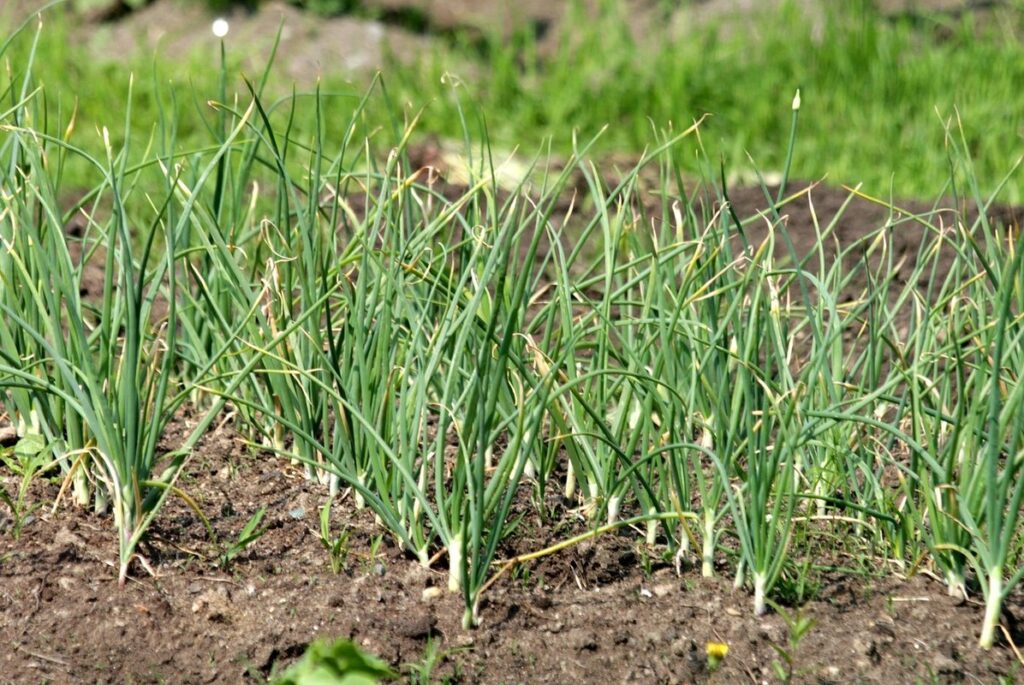
Understanding the Importance of Raised Bed Depth
When planning a raised bed, it’s essential to consider the depth to ensure optimal growing conditions for your vegetables. Let’s explore why raised bed depth matters in more detail.
Factors Influencing Vegetable Growth
When creating an optimal growing environment for vegetables, several factors influence their growth. One crucial aspect is soil temperature, which affects root development and nutrient uptake. A deeper raised bed allows for better insulation, maintaining a stable temperature between 60°F to 70°F (15°C to 21°C) during cooler months.
Proper air circulation is also vital, as it helps prevent fungal diseases that thrive in humid environments. With more space between the soil surface and the surrounding structures, there’s less likelihood of stagnant air pockets forming. This reduces the risk of disease and promotes healthy root growth.
Additionally, adequate moisture levels are essential for optimal vegetable growth. Deeper beds allow you to maintain consistent moisture levels by reducing evaporation from the top layer. This also enables better water penetration, as roots can absorb more evenly throughout the soil profile.
The depth of your raised bed should be chosen with these factors in mind. Consider planting a mix of vegetables with varying root depths to optimize space and minimize competition for resources.
Common Mistakes to Avoid When Building Raised Beds
When building raised beds, it’s easy to overlook some critical details that can hinder vegetable growth. One common mistake is inadequate drainage. Raised beds without proper drainage can lead to waterlogged soil, root rot, and a host of other problems. To avoid this, ensure your raised bed has built-in drains or consider using a material like composite decking that allows for airflow.
Another error is poor soil quality. Using subpar potting mix or neglecting to amend the existing soil can result in nutrient-poor conditions for your vegetables. Aim to use high-quality potting mixes specifically designed for raised beds, and incorporate organic matter like compost or manure to enrich the soil.
Additionally, many gardeners make the mistake of using pressure-treated wood or chemically treated materials for their raised bed frames. These chemicals can leach into the soil, harming your vegetables and potentially contaminating your water supply. Opt for sustainable, eco-friendly alternatives instead.
Selecting the Right Depth for Your Vegetables
When selecting a raised bed depth for your vegetables, you’ll want to consider factors such as root growth and access to sunlight to ensure optimal growing conditions. This section will walk you through these key considerations.
Vegetable-Specific Raised Bed Depths
When selecting the right depth for your raised bed, it’s essential to consider the mature size and root growth requirements of popular vegetables. Let’s examine some ideal depths for common garden favorites.
For tomatoes, a minimum depth of 12-18 inches is recommended, taking into account their sprawling nature and deep taproot. This will provide them with enough room to grow without becoming waterlogged or restricted in their root system.
Cucumbers also benefit from deeper soil, requiring at least 6-8 inches of depth for optimal growth. As they spread out, a slightly shallower depth can work well, but be mindful that their roots may require more frequent watering.
Carrots, on the other hand, need a depth of around 12-18 inches to accommodate their extensive root system. However, it’s crucial to avoid compacting the soil as this can cause them to become deformed.
For lettuce and other leafy greens, shallower depths of 4-6 inches are suitable, allowing for easy harvesting without disturbing the plant’s delicate roots.
Considerations for Compact and Deep-Rooted Crops
When planning your raised bed, it’s essential to consider the unique needs of compact and deep-rooted crops. Compact crops like leafy greens (lettuce, kale, spinach), herbs (basil, cilantro), and some types of tomatoes can thrive in shallower depths, typically between 6-8 inches. To maximize space for these crops, you can use a “cut-and-come-again” approach, where you harvest individual leaves or stems as they grow, allowing the plants to regrow new foliage.
For deep-rooted crops like potatoes, carrots, and beets, a deeper bed is necessary to accommodate their extensive root systems. These vegetables require at least 12-18 inches of soil depth to ensure proper growth and prevent the roots from becoming entangled or exposed. To create space for both compact and deep-rooted crops in your raised bed, consider using trellises or supports for vining plants like peas or cucumbers, which can grow upwards instead of outwards, freeing up more space on the bed’s surface.
You can also alternate between shallow and deep areas within the same bed to accommodate different types of vegetables. For example, you could plant lettuce or herbs in a 6-inch deep section near the top of the bed, while reserving a deeper area (12-18 inches) for potatoes or carrots further down the bed. By adapting your planting strategy to meet the unique needs of each crop, you can make the most of your raised bed space and enjoy a diverse range of harvests throughout the growing season.
The Impact of Raised Bed Depth on Soil Quality
When it comes to maximizing soil quality, raised bed depth plays a significant role. We’ll explore how varying depths can impact nutrient retention and root growth.
How Depth Affects Soil Composition
When it comes to raised bed gardening for vegetables, depth is more than just a matter of aesthetics – it has a significant impact on soil composition. As the depth of your raised beds increases, so does its potential to affect nutrient availability, water retention, and aeration.
With greater depth, you can incorporate additional layers of organic matter, such as compost or well-rotted manure, which act as natural fertilizers, releasing nutrients slowly over time. For example, adding 6-8 inches of compost to a raised bed can provide a steady supply of micronutrients like phosphorus and potassium throughout the growing season.
However, excessive depth can lead to waterlogging issues, reducing soil aeration and potentially causing root rot in vegetables. To balance these factors, aim for a raised bed depth between 6-12 inches, allowing for sufficient space for root growth while minimizing the risk of waterlogged conditions. By adjusting the depth of your raised beds, you can create optimal growing conditions that promote healthy soil composition and support vigorous vegetable growth.
Strategies for Maintaining Healthy Soil
Maintaining healthy soil is crucial for optimal vegetable growth in raised beds. One effective method is crop rotation, which involves changing the type of plant grown in a specific bed to avoid depleting its nutrient reserves and reduce pest and disease buildup. For example, if you’re growing tomatoes in one bed, switch to leafy greens like lettuce or spinach the following season to replenish soil nutrients.
Composting is another essential strategy for maintaining soil health. It involves breaking down organic matter like food scraps, leaves, and grass clippings into nutrient-rich compost that’s added to the raised bed. This process improves soil structure, increases water retention, and provides essential nutrients for plant growth. To get started with composting, aim to add 2-3 inches of finished compost to your raised bed annually.
Mulching is also a vital practice for maintaining healthy soil in raised beds. By covering the surface with organic materials like wood chips or straw, you’ll regulate soil temperature, suppress weeds, and retain moisture. Mulch can be applied at different depths depending on the type used, but aim to maintain a 2-3 inch layer to reap its benefits.
Raised Bed Depth and Climate Considerations
When choosing a raised bed depth, it’s essential to consider the climate you live in. Different climates require varying depths to ensure optimal growing conditions for your vegetables.
Temperature Regulation and Raised Beds
When planning a raised bed garden, one crucial aspect to consider is temperature regulation. Raised beds can be affected by extreme temperatures, which can either hinder or promote plant growth. As the depth of your raised bed can impact its ability to regulate temperature, it’s essential to understand how this relationship works.
In warm climates, a deeper raised bed can absorb heat during the day and release it at night, creating a more stable microclimate for plants. However, in colder regions, excessive soil moisture can lead to frost formation in deep beds, damaging or killing sensitive seedlings. To mitigate extreme temperatures, you can incorporate strategies such as mulching, using cold frames or row covers, and selecting temperature-tolerant plant varieties.
When designing your raised bed, consider the climate-specific needs of your plants and adjust the depth accordingly. For example, if growing heat-sensitive crops like lettuce or tomatoes, a deeper bed (around 6-8 inches) can help regulate temperature fluctuations. Conversely, for cold-hardy crops like broccoli or kale, shallower beds (around 4-6 inches) may be sufficient.
Moisture Management in Different Climates
When it comes to raised bed depth and climate considerations, understanding moisture management is crucial for optimal vegetable growth. Climate plays a significant role in determining moisture levels in raised beds, making it essential to adapt to various weather conditions.
In hot and dry climates, such as those found in the southwestern United States, raised bed depths should be shallower (around 6-8 inches) to prevent excessive evaporation of water from the soil. Mulching around plants can also help retain moisture, reducing the need for frequent watering.
On the other hand, areas with high rainfall or cool temperatures, like the Pacific Northwest, may require deeper raised beds (10-12 inches). This allows excess water to drain out, preventing root rot and other issues associated with standing water. In regions with mild winters and hot summers, consider using self-watering raised bed designs that incorporate a built-in water reservoir.
Regardless of climate, it’s essential to monitor moisture levels regularly by inserting your finger into the soil up to the knuckle. If the soil feels dry, it’s time to water. Be mindful of overwatering, which can lead to pests and diseases, and adjust your watering schedule accordingly.
Designing and Building the Perfect Raised Bed
When designing your raised bed, selecting the right depth is crucial for healthy vegetable growth. Let’s dive into the specifics of building a well-proportioned raised bed.
Tips for Measuring and Marking Your Raised Bed
Measuring and marking your raised bed dimensions accurately is crucial for optimal vegetable growth. To ensure you get it right, start by measuring the length, width, and depth of your bed. Use a tape measure to record these measurements carefully, taking note of any obstructions or irregularities in the garden bed.
Next, use a piece of chalk or a marker to mark the dimensions on the ground. For a rectangular raised bed, you can simply draw a rectangle with lines parallel to each other for the length and width. If you’re building a square bed, simply draw four equal sides. Consider using stakes and twine to create a visible guide for your measurements.
When marking the bed, don’t forget to account for any obstructions or irregularities in the garden bed, such as slopes or uneven terrain. You can also use this opportunity to mark the location of irrigation pipes, trellises, or other features you plan to include in your raised bed design. By taking these extra steps, you’ll be able to construct a raised bed that’s tailored to your specific gardening needs and provides optimal growing conditions for your vegetables.
Materials and Construction Techniques
When it comes to building raised beds for vegetables, choosing the right materials and construction techniques is crucial. You want a bed that not only supports healthy plant growth but also withstands the elements and requires minimal maintenance.
For long-lasting raised beds, consider using durable materials such as cedar, cypress, or reclaimed wood. These woods are naturally resistant to rot and insects, making them ideal for outdoor use. Alternatively, you can opt for composite materials like plastic-wood blends or recycled plastic lumber, which are low-maintenance and eco-friendly.
In terms of construction techniques, ensure the frame is sturdy enough to support the weight of soil, plants, and water. A good rule of thumb is to build raised beds with a minimum depth of 6-8 inches for shallow-rooted vegetables like lettuce and herbs, and 12-18 inches for deeper-rooted veggies like carrots and beets.
For maximum stability, use corner brackets or screws to secure the frame together. Also, consider using a solid bottom or adding a liner to prevent soil erosion and root growth through the sides. By choosing the right materials and construction techniques, you can create a raised bed that provides optimal growing conditions for your vegetables.
Maintenance and Upkeep of Raised Beds
Now that you’ve built your raised beds, let’s talk about keeping them thriving throughout the growing season with regular maintenance tasks.
Regular Tasks for Healthy Vegetable Growth
To maintain optimal growing conditions in your raised beds, it’s essential to establish a regular schedule of tasks. Start by setting aside time each week for weeding, as weeds can quickly outcompete your vegetables for water and nutrients. Use a tool like a hoe or cultivator to gently remove weeds, taking care not to damage nearby plants.
Watering is another critical task, and it’s essential to check the soil moisture daily, especially during hot weather. Aim to provide about 1-2 inches of water per week, either through rainfall or irrigation. You can also use a moisture meter to gauge the soil’s dryness level.
Monitoring for pests and diseases should be done regularly as well. Keep an eye out for signs of common issues like aphids, whiteflies, and powdery mildew. Use organic methods whenever possible to control these problems, such as introducing beneficial insects or applying neem oil.
To make the most of your raised bed’s growing conditions, consider implementing a crop rotation plan. This will help maintain soil fertility, reduce pest and disease buildup, and ensure that you’re getting the most out of your garden space.
Troubleshooting Common Issues
As you tend to your raised bed garden, it’s inevitable that you’ll encounter some common issues. Don’t worry – we’ve got you covered with practical solutions to get you back on track.
Soil erosion is a major concern for many raised bed gardeners. This can happen when the soil is too loose or has poor drainage, causing water to wash away nutrients and topsoil. To prevent this, make sure your raised beds are at least 6-8 inches deep, allowing for enough root growth while keeping the soil in place. You can also line the bottom of your raised bed with a durable material like landscape fabric to reduce erosion.
Another common issue is nutrient deficiencies. Raised beds can quickly become depleted of essential nutrients if not replenished regularly. To avoid this, consider adding a 2-inch layer of compost or well-rotted manure to the top of your soil every spring. This will provide a boost of nutrients and help maintain soil health throughout the growing season.
Regularly inspecting your raised bed garden can also help identify potential issues before they become major problems. By staying on top of maintenance tasks, you’ll be able to catch any issues early and make adjustments as needed.
Frequently Asked Questions
How do I determine the ideal raised bed depth for a specific vegetable crop if it’s not mentioned in this article?
Start by researching the specific growing requirements of your chosen vegetables, including their root depths and sunlight needs. Consult seed catalogs or gardening forums for more information on optimal growing conditions. You can also refer to online resources like the USDA Plant Hardiness Zone Map to determine suitable plant varieties based on your climate.
Can I use a raised bed depth that’s too deep for my vegetables, and if so, what are the potential consequences?
Yes, using an excessively deep raised bed can lead to poor drainage, waterlogged soil, and even root rot in some cases. This can cause reduced growth rates, lower yields, or even plant death. It’s essential to balance depth with root requirements and ensure adequate drainage mechanisms are in place.
How do I maintain healthy soil quality in a raised bed with varying depths?
Regularly test your soil pH and nutrient levels to make informed decisions about amendments. Incorporate compost or other organic matter to improve soil structure, fertility, and overall health. Be cautious not to over-till the soil, as this can disrupt beneficial microorganisms.
What are some common mistakes to avoid when transitioning from a shallow raised bed to a deeper one?
No, but if you’re planning to increase your raised bed depth significantly, consider factors like moisture retention and temperature fluctuations in the new design. Also, ensure that any existing plants or roots can adapt to the changed conditions. Be prepared for potential challenges like soil compaction or increased pest infestations.
Can I use a single raised bed with varying depths to accommodate different vegetables?
Yes, this is a common practice known as “layering” or “stratification.” By creating distinct zones within your raised bed, you can cater to the specific growing needs of multiple vegetable varieties. However, keep in mind that this approach may require more frequent monitoring and maintenance to ensure optimal conditions for each plant type.