
Raised beds offer a fantastic way to garden, but have you ever thought about taking it to the next level with composting? Not only can raised bed composting help reduce waste and create nutrient-rich soil for your plants, but it’s also a game-changer for small-space gardeners. By implementing this simple yet effective technique, you’ll be on your way to creating a sustainable and thriving garden ecosystem. But where do you start? In this article, we’ll delve into the best practices of raised bed composting, from choosing the perfect location to maintaining healthy compost conditions. We’ll also tackle common challenges and provide expert tips for overcoming them. Whether you’re a seasoned gardener or just starting out, this guide will show you how to make the most of your raised bed with easy-to-follow advice on raised bed composting.
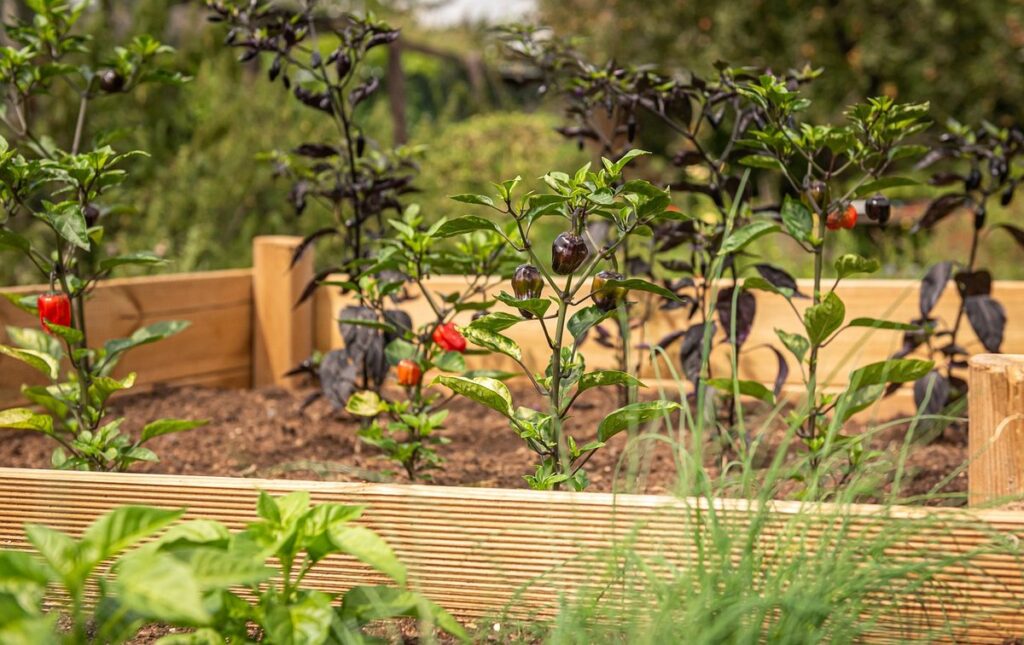
Benefits and Advantages of Raised Bed Composting
When you’re considering raised bed composting, it’s essential to weigh the benefits against any potential drawbacks, which we’ll cover in the following points. Let’s dive into what makes raised bed composting so effective.
Why Choose Raised Beds for Composting
When it comes to composting, using raised beds can offer several benefits that make the process easier and more efficient. One of the main advantages is improved aeration, which allows for better decomposition of organic matter. Raised beds provide a well-oxygenated environment, promoting healthy microbial activity and reducing odors. This is particularly beneficial in areas with high rainfall or poor drainage.
Another benefit of raised bed composting is better drainage. Excess moisture can be challenging to manage, but raised beds help excess water drain away quickly, preventing anaerobic conditions that can lead to pests and unpleasant odors. By keeping your compost pile well-drained, you’ll reduce the risk of contamination and create a more stable ecosystem.
Raised bed composting also increases accessibility. The elevated design makes it easier to turn and manage your compost pile without straining yourself, allowing for regular maintenance and monitoring. This is especially helpful for gardeners with mobility issues or those who want to involve family members in the composting process. By incorporating raised beds into your composting routine, you’ll experience a more streamlined and successful composting process.
Maximizing Space with Raised Bed Composting
One of the most significant advantages of raised bed composting is its ability to maximize space. This is particularly beneficial for urban gardens or backyard spaces with limited room to spare. By incorporating a composting system into your raised beds, you can turn what would otherwise be wasted space into a valuable resource.
To make the most of this technique, consider using a vertical composter or a worm bin integrated into your raised bed design. These compact units allow for efficient decomposition and can be placed in narrow spaces between plants or along the edge of the bed. For example, you could use a corner of the bed for composting, keeping it separate from the growing area.
Another approach is to layer compost materials within the raised bed itself. This not only saves space but also adds nutrients to the soil as the compost breaks down. Simply add a mix of green and brown materials, such as kitchen scraps and dried leaves, in alternating layers. This layered approach will help you make the most of your small garden space while creating nutrient-rich soil for your plants.
Environmental Benefits of Raised Bed Composting
When implemented correctly, raised bed composting offers numerous environmental benefits that can significantly impact your garden’s ecosystem. For instance, this method allows you to divert organic waste from landfills and instead, convert it into a valuable resource for your plants. By reducing the amount of waste sent to landfills, you’re also lowering greenhouse gas emissions associated with decomposing materials.
Composting in raised beds also enhances soil health by introducing beneficial microorganisms that promote nutrient cycling and structure development. This leads to improved soil fertility, increased water retention, and enhanced plant growth. Moreover, as organic matter breaks down, it sequesters carbon from the atmosphere, contributing to a reduction in atmospheric CO2 levels.
In addition to these benefits, raised bed composting can help mitigate climate change by reducing the need for synthetic fertilizers and pesticides. These chemicals contribute to soil degradation, water pollution, and greenhouse gas emissions. By adopting this method, you’ll be creating a more sustainable gardening practice that supports biodiversity and promotes ecosystem resilience.
Choosing the Right Location for Your Raised Bed
When setting up a raised bed for composting, choosing the right location is crucial to ensure optimal decomposition and minimal disturbance. Let’s explore the key factors to consider.
Selecting a Sunny Spot for Optimal Compost Breakdown
Sunlight plays a crucial role in effective composting. Microorganisms responsible for breaking down organic matter thrive in warm temperatures, typically between 130°F and 140°F (54°C to 60°C). Without sufficient sunlight, these microorganisms cannot function optimally, leading to slower decomposition rates.
When selecting a location for your raised bed, consider the amount of direct sunlight it receives. Aim for at least six hours of direct sunlight per day, as this will provide the necessary warmth for efficient composting. Be mindful of any nearby structures or trees that may cast shade on your raised bed during certain times of the day.
Incorporate a south-facing orientation into your design to maximize sunlight exposure. If you can’t position your raised bed in an ideal location, consider using a reflective material such as aluminum foil or a dark-colored stone to redirect sunlight onto the area.
Remember that composting is a process that relies on the cooperation of microorganisms and environmental conditions. By choosing a location with sufficient sunlight, you’ll be providing them with the optimal environment for efficient breakdown of organic matter.
Ensuring Adequate Drainage for Healthy Composting
Proper drainage is essential for healthy composting in raised beds. When water accumulates in the bed, it can lead to anaerobic conditions, slowing down the decomposition process and potentially creating odors and pests. To ensure adequate drainage, consider using a French drain system. This involves digging a trench around the perimeter of the raised bed and filling it with gravel or broken pottery. As excess water flows into the trench, it’s redirected away from the composting area.
Alternatively, you can install a layer of gravel at the bottom of the raised bed. This allows excess moisture to seep through the gravel and evaporate, reducing the risk of waterlogged conditions. When selecting materials for your drainage system, choose those that are permeable and allow for good airflow. For example, coarse gravel or broken bricks work well in this context. By incorporating effective drainage into your raised bed composting setup, you’ll be able to maintain optimal conditions for decomposition, ensuring a healthy and thriving composting environment.
Preparing Your Raised Bed for Composting
Before you start adding compost, make sure your raised bed is ready by clearing it of any debris and removing weeds that can compete with your new compost. This will ensure a healthy start to your composting process.
Building or Purchasing a Raised Bed Compost Bin
When it comes to building or purchasing a raised bed compost bin, you have several options. One popular choice is to build your own using reclaimed wood, bricks, or stones. This approach allows for customization and can be a cost-effective option. For instance, you can use old pallets to create a unique and eco-friendly composting system.
If DIY isn’t your thing, there are many commercial raised bed compost bins available on the market. Some popular options include the Earth Machine Composter and the Worm Factory 360. These bins come in various sizes and materials, such as recycled plastic or metal. When choosing a product, consider factors like size, ease of use, and maintenance requirements.
Before making a purchase, research the product’s durability and customer reviews to ensure it will meet your composting needs. You can also check with local nurseries or gardening stores for recommendations on raised bed compost bins that work well in your climate.
Adding the Right Combination of Materials
When it comes to composting in your raised bed, selecting the right combination of materials is crucial for creating nutrient-rich soil. You’ll want to mix green (nitrogen-rich) and brown (carbon-rich) materials in a harmonious balance.
Green materials provide the necessary nitrogen, but too much can lead to anaerobic conditions, resulting in unpleasant odors and poor compost quality. Include green materials like grass clippings, kitchen scraps, or fresh manure in moderation – about 20-30% of your total mixture.
Brown materials, on the other hand, contribute carbon and help regulate moisture levels. They can make up 60-70% of your mix. Examples include dried leaves, shredded newspaper, or coconut coir. Aim for a ratio of 2/3 brown to 1/3 green materials.
To ensure optimal balance, consider adding a 5-10% layer of bulking agents like straw or peat moss to absorb excess moisture and improve airflow. By mixing the right combination of these ingredients, you’ll be well on your way to creating rich, fertile compost for your raised bed garden.
Maintaining Healthy Composting Conditions
Now that you’ve set up your raised bed composting system, let’s dive into the crucial aspect of maintaining healthy composting conditions to ensure optimal decomposition and minimize any unpleasant odors. This section covers essential tips for a balanced compost environment.
Monitoring Moisture Levels and pH Balance
Maintaining the ideal moisture levels and pH balance is crucial to ensure that your raised bed compost pile breaks down efficiently and produces nutrient-rich soil for your garden. To monitor these conditions, you’ll want to use a combination of visual checks and specialized tools.
Check the pile’s moisture level by inserting your hand into it up to the wrist – if it feels dry, it’s time to add more water. Conversely, if it feels soggy or damp, you may have added too much water and should let it dry out a bit. You can also use a compost thermometer to check for optimal temperature levels (around 130-140°F), which indicates that the pile is breaking down efficiently.
Regularly testing your compost’s pH level is equally important. A pH range of 6.0-7.0 is ideal, but it can vary depending on the materials you’re using and your local climate. To check the pH, purchase a soil testing kit or use a DIY pH indicator like a pH meter strip. Adjusting the pH balance may require adding dolomitic limestone to raise the pH or elemental sulfur to lower it.
Keep in mind that these conditions are not static – they’ll change over time as your compost pile breaks down. Regular monitoring will help you make adjustments and maintain a balanced, healthy compost pile.
Turning and Aeration Techniques for Efficient Composting
Turning and aeration are crucial steps in maintaining healthy composting conditions within your raised bed. Regular turning helps to prevent matting and ensures that all materials break down evenly. Aim to turn your compost pile at least once every 7-10 days, but ideally every 3-4 days for optimal results.
Using the right tools can also make a significant difference in this process. A pitchfork is an excellent choice for turning raised bed compost, as it allows you to dig deep without compacting the materials. For larger or more stubborn piles, consider investing in a dedicated aerator tool designed specifically for composting. These tools typically feature long handles and tines that can reach into the pile without disturbing its structure.
Remember to always turn your compost in one direction only – clockwise or counterclockwise – to avoid compacting the materials and slowing down the decomposition process. As you turn, gently lift and separate any clumps or solid masses, allowing air to circulate freely throughout the pile. This will not only promote efficient composting but also prevent unpleasant odors from developing in your raised bed.
Overcoming Common Challenges in Raised Bed Composting
As you navigate the world of raised bed composting, you’ll inevitably encounter a few bumps along the way. Let’s tackle some of the most common challenges and find solutions to keep your composting journey on track.
Managing Odors and Pests in the Compost Pile
Composting can sometimes get a bad rap due to its pungent aroma. To mitigate this issue, consider incorporating odor-absorbing materials into your compost pile. Bokashi scraps, which are rich in beneficial microorganisms, can help break down organic matter and reduce odors. Another option is adding charcoal or activated carbon, which can absorb foul smells.
When it comes to pest control, some common culprits include fruit flies, ants, and rodents. To keep these pests at bay, create a diverse compost mix with a balance of green and brown materials. This will encourage the growth of beneficial microorganisms that repel unwanted critters. Additionally, ensure your compost pile is well-drained to discourage pests seeking moist environments.
By incorporating these odor-reducing and pest-preventing strategies into your raised bed composting routine, you can maintain a healthy and thriving compost ecosystem without sacrificing your sense of smell or inviting unwanted visitors. Remember, the goal of composting is to create nutrient-rich soil for your garden – not to attract pests or offend your neighbors!
Troubleshooting Common Issues with Compost Quality
When it comes to raised bed composting, ensuring optimal compost quality is crucial for a thriving and healthy garden. However, common issues can arise that may compromise the quality of your compost. One such issue is an unbalanced carbon-to-nitrogen ratio.
This imbalance occurs when there’s too much nitrogen-rich material (such as food scraps or manure) relative to carbon-rich materials (like dried leaves or straw). As a result, you may end up with compost that smells overwhelmingly pungent or develops an unpleasant texture. To rectify this issue, maintain a mix of 2/3 “brown” materials and 1/3 “green” materials.
Another common problem is inadequate decomposition. This can happen if your compost pile isn’t getting enough heat, oxygen, or moisture. Regularly turning your compost pile will help increase airflow and speed up the decomposition process. Also, ensure your compost pile is at least three feet wide to allow for sufficient heat retention and movement of materials.
Lastly, an issue with pathogenic organisms can also arise if your composting materials aren’t properly segregated. To avoid this, keep pet manure separate from other compost materials and pasteurize them by heating them up to 131°F (55°C) for at least 30 minutes.
Frequently Asked Questions
How Do I Know If My Raised Bed is Getting Enough Sunlight for Composting?
When choosing a location for your raised bed composting, ensure it receives at least 6 hours of direct sunlight per day to facilitate optimal decomposition. If you have a shaded area, consider using supplemental lighting or moving the compost bin to a sunnier spot. Keep in mind that some shade can be beneficial, especially during hot summer months.
What’s the Best Way to Manage Odors and Pests in My Compost Pile?
To minimize odors and pests, maintain regular moisture levels (50-60%) and ensure adequate aeration through turning and mixing your compost pile. You can also add odor-absorbing materials like charcoal or zeolite, and consider using natural pest deterrents like diatomaceous earth or neem oil.
How Often Should I Turn My Compost Pile for Efficient Decomposition?
Regular turning of the compost pile (every 7-10 days) helps maintain optimal aeration, reduces odors, and promotes uniform decomposition. This process also allows you to monitor moisture levels and pH balance, ensuring your compost meets the required standards.
Can I Use Weeds with Seeds in My Compost Pile?
It’s generally recommended to remove weeds with seeds from the compost pile to avoid spreading invasive species or unwanted plant growth. However, if you must use weeds, ensure they’re fully decomposed (often taking several months) before adding them to your raised bed.
What Happens If I Notice a Low pH Level in My Compost?
If you notice a low pH level in your compost (typically below 6), it may be due to an overabundance of acidic materials like coffee grounds or tea bags. To correct this, balance the pH by adding alkaline-rich materials like crushed eggshells, lime, or wood ash. Regularly monitoring pH levels will help you maintain a healthy composting environment.