
If you’re looking to give your garden a boost without breaking the bank, raised bed composting is an excellent place to start. Not only does it provide nutrient-rich soil for your plants to thrive in, but it’s also an eco-friendly way to reduce waste and minimize chemical use. But what exactly is raised bed compost, and how do you get started? In this article, we’ll cover the basics of creating a raised bed compost system, from preparing your bed to making your own compost tea. We’ll explore the benefits of raised bed composting, including improved soil health and increased yields, and provide tips on how to incorporate it into your gardening routine. Whether you’re a seasoned gardener or just starting out, learning about raised bed composting can make all the difference in taking your garden to the next level.
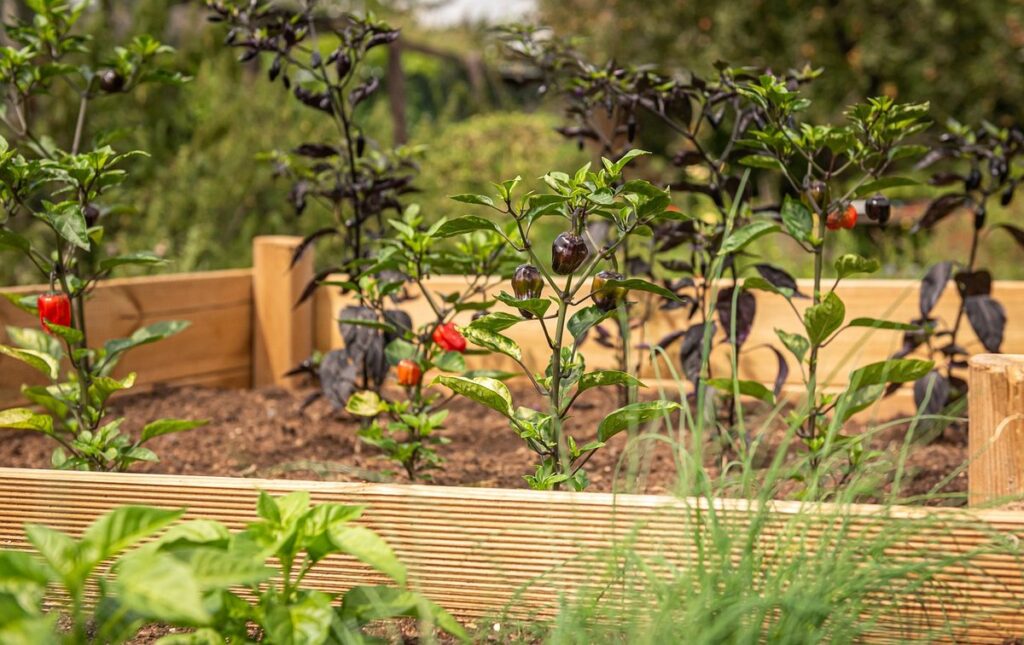
What is Raised Bed Composting?
Let’s dive into what raised bed composting is all about, and how it differs from traditional composting methods you may be familiar with. It’s a simple yet effective way to turn kitchen scraps into nutrient-rich soil for your garden.
Understanding the Concept
Raised bed composting is an innovative approach to waste management and nutrient-rich soil creation. Unlike traditional composting methods that often involve large piles of organic matter and regular turning, raised bed composting involves building a layered structure within a raised bed or container. This method leverages the natural process of decomposition while minimizing odors and pests.
The key principles behind raised bed composting include layering “green” materials (rich in nitrogen) with “brown” materials (high in carbon), creating an environment that fosters aerobic decomposition. Green materials like kitchen scraps, grass clippings, or fresh manure are layered at the bottom, followed by brown materials such as dried leaves, straw, or shredded newspaper.
A critical aspect of raised bed composting is controlling moisture levels and ensuring adequate airflow to facilitate decomposition. To achieve this, it’s essential to maintain a balance between green and brown layers and avoid overwatering, which can lead to anaerobic conditions and unpleasant odors. By following these guidelines, individuals can successfully create nutrient-rich compost within their raised beds, improving soil structure and fertility while reducing waste disposal issues.
Benefits for Gardeners
As a gardener, you’re likely no stranger to the importance of quality soil. And that’s exactly where raised bed composting comes into play. By incorporating this method into your gardening routine, you’ll reap numerous benefits for your garden and the environment.
First and foremost, raised bed composting improves soil structure by adding essential nutrients and microorganisms that help break down organic matter. This leads to better water retention, aeration, and overall health of your plants’ roots. For instance, if you’re growing vegetables like carrots or beets, they’ll have a harder time germinating in compacted or dry soil. With raised bed composting, these issues are a thing of the past.
Moreover, using raised bed compost reduces waste by repurposing kitchen scraps and yard trimmings into nutrient-rich fertilizer. This eco-friendly approach minimizes your carbon footprint while providing an efficient means to dispose of unwanted materials.
Raised bed composting also leads to increased yields due to improved soil fertility and structure. According to a study by the University of California, vegetable gardens that incorporated compost saw up to 30% more produce than those without.
Preparing Your Raised Bed
Before you start filling up your raised bed with fresh compost, let’s get it ready for its new contents by preparing the soil and ensuring proper drainage. This step is crucial to creating a thriving ecosystem.
Choosing the Right Location
When choosing the location for your raised bed compost, several factors come into play. First and foremost, consider sunlight – most plants prefer at least 6 hours of direct sunlight a day. If possible, position your raised bed to receive morning sun, which is generally gentler on soil and microorganisms.
Drainage is another crucial aspect to evaluate. Ensure the area has adequate slope or elevation to prevent water from accumulating in the raised bed. Aim for a spot that drains within 24 hours of rainfall to avoid anaerobic conditions that can kill beneficial microbes.
Accessibility should also be a top priority, especially if you plan on regularly turning and aerating your compost pile. Place the raised bed near a water source and ideally close to an entrance or path to make maintenance easy. Consider the proximity to other gardening areas, as well as nearby wildlife habitats, to ensure minimal disruption.
Some gardeners prefer placing their raised beds near a wall or fence for added stability. Others prioritize aesthetics by selecting a location with scenic views. Ultimately, the right spot will balance your needs and the needs of your compost pile, promoting optimal decomposition and reducing waste.
Designing and Building the Bed
When designing and building your raised bed for composting, there are several key considerations to keep in mind. First, decide on a size that suits the space you have available. A standard size is 4 feet wide by 8 feet long, but feel free to get creative and build one that fits your needs.
In terms of materials, reclaimed wood or untreated pine are popular choices for raised bed frames. You can also use composite materials like recycled plastic or bamboo, which offer durability and low maintenance. Make sure to choose a material that is resistant to rot and insect damage.
The depth of the bed will depend on what you’re using it for – if you plan on planting vegetables or flowers, 6-8 inches deep is usually sufficient. However, if you want to create a space for worms or other composting critters, you’ll need to go deeper, ideally 12-18 inches.
When building your raised bed, ensure the frame is level and secure, using screws or nails to attach it to a solid foundation. You can also add drainage holes and a layer of weed barrier fabric to prevent unwanted guests from taking up residence in your composting paradise.
Layering and Maintenance
When layering compost ingredients in your raised bed, it’s essential to create a balanced and harmonious mixture. Start by adding a 4-6 inch layer of coarse materials like twigs, branches, and leaves at the bottom. This will provide air pockets for the microorganisms to breathe and help with drainage.
Next, add a 2-3 inch layer of high-carbon ingredients such as straw or shredded newspaper. These materials are rich in carbon and will help balance out the nitrogen-rich ingredients that follow.
Now it’s time to add your nitrogen-rich ingredients like food scraps, grass clippings, and manure. Mix these in well with the previous layers, but avoid overdoing it – too much nitrogen can lead to anaerobic conditions and unpleasant odors.
Finally, top off your raised bed with a 2-3 inch layer of finished compost or a mixture of peat moss and perlite for improved soil structure. Regular maintenance is key to maintaining a healthy composting system. Check on your raised bed every week or two, turning the materials gently to aerate them and prevent matting.
As you tend to your raised bed, remember to add new layers regularly – about once a month should do the trick. This will ensure that your compost is always fresh and replenished with new nutrients.
Selecting Compost Materials
When it comes to creating a rich and diverse compost blend, selecting the right materials is crucial. Let’s explore the best options for your raised bed compost pile.
Green Materials (Carbon-Rich)
When it comes to building a nutrient-rich compost pile for your raised bed garden, green materials play a crucial role. Green materials are organic matter that is high in carbon and nitrogen, making them an ideal addition to your compost mix.
Some common examples of green materials include food scraps, grass clippings, and animal manure. These materials are rich in nutrients and help speed up the decomposition process, which can take anywhere from a few weeks to several months depending on factors like temperature and moisture levels.
However, it’s essential to use these materials in moderation. Too much green matter can lead to an overabundance of nitrogen, causing odors and attracting pests. A good rule of thumb is to maintain a 2:1 or 3:1 ratio of “green” to “brown” materials (like dried leaves or straw) to ensure optimal decomposition.
To incorporate green materials effectively, start by adding small amounts to your compost pile regularly. For example, you can add food scraps daily and grass clippings every week or two. Also, be sure to mix them with brown materials to balance out the nitrogen levels and prevent over-fermentation. By striking this balance, you’ll create a thriving compost ecosystem that will provide your raised bed garden with a steady supply of nutrients throughout the growing season.
Brown Materials (Nitrogen-Rich)
Brown materials, also known as carbon-rich or nitrogen-poor materials, play a crucial role in the composting process. These materials, such as dried leaves, straw, and shredded newspaper, provide the necessary carbon content to balance out the high nitrogen levels found in “green” materials like food scraps and grass clippings.
When selecting brown materials for your raised bed compost, consider their texture and moisture level. For example, dry leaves can be brittle and prone to burning, while moist straw is more suitable for composting. Shredded newspaper, on the other hand, breaks down quickly and adds air pockets to the compost pile, promoting healthy microbial activity.
Aim to maintain a mix of 2/3 brown materials and 1/3 green materials in your raised bed compost. This balance ensures that the composting process unfolds efficiently, with enough carbon-rich materials to stabilize the nitrogen levels in the pile. By incorporating these brown materials into your compost, you’ll create a nutrient-rich soil amendment for your garden, promoting healthy plant growth and minimizing waste disposal issues.
Additional Tips for Material Selection
When selecting materials for your raised bed compost, it’s essential to consider a few special factors. To ensure your finished compost is safe and effective, avoid contaminants like meat, dairy, and oils. These can attract pests and create unpleasant odors, ultimately ruining the composting process.
Achieving balance is also crucial. A mix of “green” materials (high in nitrogen) and “brown” materials (high in carbon) will help speed up decomposition. Aim for a ratio of 2/3 brown materials to 1/3 green materials. For example, add a layer of dried leaves or shredded newspaper to your compost pile and balance it with food scraps or grass clippings.
Another important consideration is pH levels. Most plants prefer a slightly acidic to neutral soil pH (around 6-7), so aim for a similar pH in your compost. If you’re using materials like coffee grounds, which are naturally acidic, be mindful of their cumulative effect on the overall pH balance. By being mindful of these factors, you’ll create high-quality compost that will enrich your raised beds and support healthy plant growth.
Creating a Compost Tea
Now that you’ve got the basics down, let’s move on to brewing up some nutrient-rich compost tea to feed your raised bed crops. We’ll cover the simple process of making and using this liquid gold.
Understanding Compost Tea Benefits
Compost tea is a liquid solution made by steeping compost in water, and it’s a game-changer for raised bed gardeners. By brewing compost tea, you’re creating a nutrient-rich liquid fertilizer that can boost soil health, increase microbial activity, and promote plant growth.
When you add compost tea to your raised beds, the microorganisms present in the solution start breaking down organic matter, making nutrients available to your plants. This process increases the soil’s water-holding capacity, reduces erosion, and improves its overall structure. As a result, your plants will experience improved root development, better drought tolerance, and enhanced resistance to pests and diseases.
To reap the benefits of compost tea, make sure to use a high-quality compost as the base ingredient. Aim for a 1:10 ratio of compost to water, and steep it for 24 hours in a shaded area. Once brewed, you can strain the liquid and add it to your raised beds at a rate of 2-3 gallons per square foot.
By incorporating compost tea into your gardening routine, you’ll be creating a thriving ecosystem that’s teeming with beneficial microbes. This will lead to healthier plants, increased crop yields, and a more sustainable garden overall.
Brewing and Using Compost Tea
To get the most out of your raised bed composting system, you’ll want to brew and apply compost tea regularly. Compost tea is a liquid solution made by steeping compost in water, which infuses the water with beneficial microorganisms that will help break down organic matter and improve soil health.
First, start by brewing a batch of compost tea. To do this, place 1-2 pounds of finished compost in a large bucket or bin with a tight-fitting lid. Add 5-10 gallons of water, making sure the compost is completely submerged. Allow the mixture to steep for 24 hours, stirring occasionally. After the steeping process, strain the liquid through a cheesecloth or fine mesh into another container, discarding the solids.
When applying compost tea to your raised bed, use it as a foliar spray or drip irrigation system. Dilute the tea with water according to the package instructions (usually 1 part tea to 10 parts water) and apply it directly to the plants’ leaves or soil. This will help reduce pests and diseases, promote healthy plant growth, and improve soil structure.
Keep in mind that compost tea is a perishable product and should be used within 24 hours of brewing for best results.
Monitoring and Maintaining Your Raised Bed
To keep your raised bed composting system running smoothly, it’s essential to monitor its moisture levels, pH, and nutrient balance regularly. Regular maintenance ensures optimal soil health for a thriving garden.
Checking Moisture Levels
Monitoring moisture levels is crucial for maintaining optimal conditions in your raised bed compost. If the compost is too dry, it can become anaerobic, leading to unpleasant odors and reduced microbial activity. On the other hand, if it’s too wet, it can create an ideal breeding ground for pests and diseases.
To check moisture levels, simply insert a finger into the compost about 2-3 inches deep. If the compost feels dry, crumbly, or falls apart easily when touched, it needs more water. Conversely, if it’s damp to the touch but not soggy, you’re on the right track. A general rule of thumb is to maintain a moisture level similar to that of a damp sponge.
Maintaining optimal moisture levels requires regular monitoring and adjustments as needed. It’s also essential to consider factors like weather conditions, soil type, and plant growth when determining how often to water your raised bed compost. For example, if you live in an area with high temperatures or low rainfall, you may need to water more frequently. By staying on top of moisture levels, you’ll create a thriving environment for microorganisms to break down organic matter efficiently.
Controlling Pests and Diseases
As you enjoy the fruits of your labor in your raised bed composting system, it’s essential to maintain vigilance against pests and diseases that can wreak havoc on your garden. To prevent these unwanted visitors, let’s dive into some effective strategies for controlling pests and diseases.
Physical barriers are an excellent first line of defense. Covering your plants with fine mesh or fine netting can keep insects like aphids, whiteflies, and spider mites at bay. You can also use copper tape around plant stems to deter slugs and snails. Additionally, row covers made from breathable materials like lightweight fabrics can shield your plants from wind-borne diseases.
Beneficial insects are a natural way to control pests without harming the environment. Encourage beneficial insects like ladybugs, lacewings, and parasitic wasps by planting a diverse range of flowers that provide nectar and shelter for these helpful critters. Organic pest control methods include introducing nematodes to attack root-knot nematodes or using neem oil to repel pests.
By implementing these strategies, you’ll be well-equipped to prevent common raised bed pests and diseases like powdery mildew and fusarium wilt.
Common Challenges and Solutions
As you continue to monitor and maintain your raised bed compost, you may encounter some common challenges that can affect its health and efficiency. One of the most critical issues is anaerobic conditions, which occur when there’s a lack of oxygen in the compost pile. This can lead to unpleasant odors, slow decomposition, and even attract pests.
To prevent anaerobic conditions, ensure your raised bed compost has adequate airflow by maintaining a mix of “green” (nitrogen-rich) and “brown” (carbon-rich) materials. You can also add a layer of bulking agents like straw or shredded newspaper to improve aeration.
Pests are another common problem in raised bed composting. Slugs, snails, and ants may be attracted to the food scraps and other organic matter. To deter them, you can use physical barriers like copper tape or row covers, or try natural pest control methods like attracting beneficial insects or using neem oil.
Regular monitoring of your compost pile is key to preventing these issues. By checking on the temperature, moisture levels, and carbon-to-nitrogen ratio regularly, you’ll be able to catch any problems before they become major concerns.
Advanced Techniques and Considerations
Now that you’ve mastered the basics of raised bed composting, it’s time to dive deeper into advanced techniques and considerations for optimal results. We’ll explore more complex methods to enhance your composting process.
Worm Composting
Worm composting, also known as vermicomposting, is an innovative approach to breaking down organic matter and creating a nutrient-rich fertilizer for raised beds. This method involves using red wiggler worms (Eisenia fetida) to decompose food scraps and other waste into a valuable soil amendment.
To implement worm composting in your raised bed system, start by setting up a dedicated bin or container with adequate ventilation, moisture, and temperature control. Add a mix of “green” materials like fruit and vegetable scraps, tea bags, and coffee grounds, along with “brown” materials such as shredded paper, cardboard, and coconut coir. The worms will thrive in this environment, consuming the organic matter and producing castings that are teeming with microorganisms.
As the worms break down the waste, maintain a carbon-to-nitrogen ratio by adding more brown materials if you notice an excess of green matter. Regularly harvest the worm castings after 2-3 months, and use them to fertilize your raised beds for improved soil structure, fertility, and plant growth. By incorporating vermicomposting into your raised bed composting routine, you can create a closed-loop system that minimizes waste while maximizing yields.
Bokashi Composting
Bokashi composting is an advanced technique that can help you create nutrient-rich soil amendments for your raised bed garden. This Japanese method of fermentative composting involves adding microorganisms to food waste and other organic materials, which breaks down the contents into a liquid fertilizer and a solid compost. By using bokashi composting, you can recycle all types of kitchen scraps, including meat, dairy products, and oils, making it an excellent option for gardeners who struggle with pests or odors in their compost piles.
One of the primary benefits of bokashi composting is its ability to produce a nutrient-rich liquid fertilizer that can be used as a foliar spray or added to your soil. This liquid fertilizer is rich in beneficial microorganisms, which help to improve soil structure and fertility. When applied to plants, it promotes healthy growth, increases yields, and enhances the overall flavor and texture of fruits and vegetables.
To get started with bokashi composting, you’ll need a bokashi bin or container, some microorganisms (such as Effective Microorganisms or EM), and a source of food waste. Simply add your organic materials to the bin, sprinkle the microorganisms over the top, and wait for 1-2 weeks for the fermentation process to occur. After this time, you can drain off the liquid fertilizer and bury the solid compost in your raised bed garden.
Integrating Raised Bed Composting with Other Systems
As you continue to refine your raised bed composting system, it’s essential to consider integrating it with other systems and principles that promote a holistic approach to gardening. This is where permaculture comes into play – a design philosophy that aims to create regenerative, self-sustaining ecosystems.
Permaculture emphasizes the interconnectedness of all elements within an ecosystem. By incorporating raised bed composting into your permaculture design, you can create a closed-loop system where waste becomes resource and vice versa. For instance, by using raised bed compost as a nutrient-rich mulch for nearby plants, you’re reducing soil erosion while also feeding those plants’ roots.
To integrate raised bed composting with other systems, consider these practical tips:
• Use raised bed compost as a natural pest deterrent or attractant for beneficial insects in your garden.
• Incorporate companion planting principles by placing comfrey, which acts as a fertilizer plant, near your raised beds to add nutrients to the soil without the need for external fertilizers.
• Design your garden with a focus on biodiversity and ecological balance. This means incorporating native plants that work together to create a thriving ecosystem.
When integrating raised bed composting into larger ecosystems, it’s essential to remember that every element plays a vital role in the overall system. By paying attention to these connections, you can create a harmonious balance between your garden’s different components – one that not only minimizes waste but also maximizes fertility and resilience.
Frequently Asked Questions
Can I use raised bed composting with container gardens?
Yes, you can adapt the principles of raised bed composting to container gardening by using a smaller-scale version of the layered structure within your pots or containers. This method is perfect for urban gardeners with limited space.
How do I maintain my raised bed compost during extreme weather conditions?
Extreme temperatures and dry spells can affect decomposition rates. To mitigate this, ensure adequate moisture levels, cover the bed with a breathable sheet to retain heat and prevent erosion, and consider using mulch or straw to insulate the soil.
Can I use weeds in my raised bed compost pile?
While weeds are often considered “green” materials rich in carbon, they can be invasive and harm your garden. Instead, opt for weeds that don’t spread aggressively, like dandelions or clover, and mix them with other materials to balance out the composition.
How long does it take to create a raised bed compost?
The time frame depends on factors such as material quality, moisture levels, and temperature. Generally, you can expect 2-6 months for the initial layering process to break down into nutrient-rich soil. Regular maintenance and additions will continue to improve the soil’s fertility over time.
Can I use raised bed compost with sensitive plants like orchids?
Yes, you can, but be cautious when introducing new compost materials to sensitive plants’ roots. Start by using a small amount of mature compost around the plant’s base and gradually increase as needed. Also, monitor for pests or diseases that may be attracted to the nutrient-rich environment.