
Creating a thriving rain garden is not just about installing a beautiful landscape feature, but also about designing a functional ecosystem that benefits both your home and the environment. One crucial aspect of building a successful rain garden is choosing the right soil mix. The type of soil you select will significantly impact the health and resilience of your plants, as well as the overall effectiveness of your rain garden in capturing and filtering stormwater runoff.
In this article, we’ll guide you through selecting the perfect rain garden soil mix for your specific climate and needs. We’ll also cover essential design tips to ensure your space is both beautiful and functional. Whether you’re a seasoned gardener or just starting out, our comprehensive guide will walk you through the process of creating a stunning and sustainable rain garden that brings numerous benefits to your community and ecosystem.
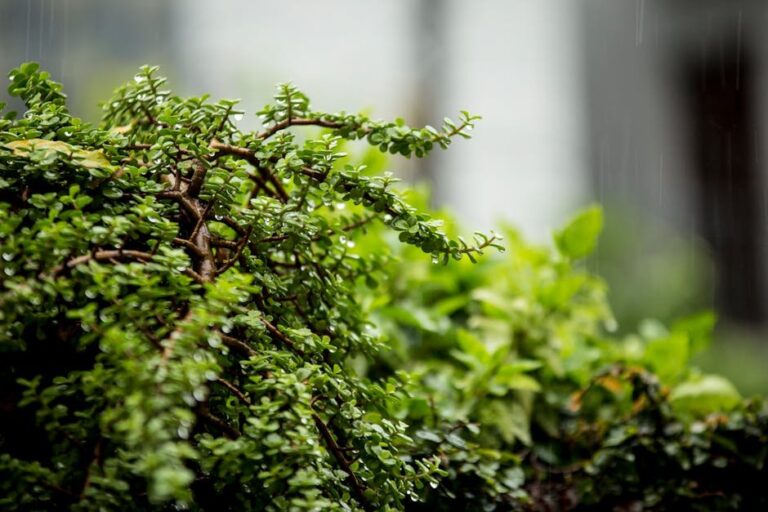
Benefits of Using a Rain Garden Soil Mix
Now that you’ve chosen your rain garden soil mix, let’s dive into its numerous benefits and how they can enhance your outdoor space. From improved water filtration to increased biodiversity.
Importance of Proper Drainage
Proper drainage is essential in rain gardens to ensure their effectiveness and longevity. When water doesn’t drain properly, it can lead to erosion, which is a significant concern for homeowners with rain gardens. Erosion can cause soil loss, damage plants, and even compromise the structural integrity of the garden.
Proper drainage also plays a crucial role in maintaining good water quality. If stormwater runs off too quickly, it can carry pollutants and sediments into nearby waterways, harming aquatic life and ecosystems. Rain gardens are designed to slow down this process, allowing water to infiltrate the soil and filter out impurities before being absorbed.
To prevent erosion and improve water quality, rain garden owners should ensure their soil mix allows for adequate drainage. This can be achieved by incorporating organic matter like compost or well-rotted manure into the mix, which helps to break up clay soils and facilitate water flow. Additionally, using a mix with a high sand content can also enhance drainage capabilities.
Rain garden owners should aim for a mix that balances water retention with good drainage. This balance will allow rainwater to infiltrate the soil while preventing erosion and ensuring water quality remains intact.
How to Choose the Right Soil Mix
When it comes to choosing the right soil mix for your rain garden, there are several key factors to consider. First and foremost, you’ll want a mix that retains water well, but also drains excess moisture quickly to prevent waterlogging. Look for a mix with high organic matter content, such as compost or peat moss, which will help retain water while allowing air to penetrate.
You’ll also want to consider the nutrient content of your soil mix. Rain gardens can be nutrient-intensive, especially if you’re using plants that require a lot of nitrogen. A balanced fertilizer is essential to promote healthy plant growth and prevent erosion. Aim for a mix with a 2:1 or 3:1 ratio of organic matter to inorganic matter.
In addition to these factors, consider the specific needs of your plants. For example, if you’re using native plants that prefer well-draining soil, look for a mix with sand or perlite added to improve drainage. Remember to choose a mix that complements your climate and region’s specific conditions. With these guidelines in mind, you’ll be able to select the perfect soil mix for your rain garden, promoting healthy plant growth and efficient water management.
Designing Your Rain Garden
To design a successful rain garden, you’ll need to consider factors such as soil depth, drainage, and plant selection to ensure optimal water absorption and retention. Let’s dive into these essential considerations together.
Factors to Consider Before Building
Before diving into designing your rain garden’s soil mix, it’s essential to consider several key factors. First and foremost, choose a site that receives the right amount of rainfall for your region. A spot with moderate to high rainfall is ideal, as this will ensure your rain garden has enough water to function effectively.
Next, take into account your local climate. If you live in an area with hot summers or cold winters, consider how these conditions may impact your rain garden’s soil mix. For example, a rain garden in a region with frequent droughts may require additional mulch or other water-conserving measures to prevent soil erosion.
Also, pay attention to the existing vegetation on your site. Are there any invasive species that could spread into your rain garden and cause problems? Are there mature trees nearby that could shade out your garden and reduce its effectiveness? Consider these factors when selecting a location for your rain garden and designing its soil mix.
Incorporating a Rain Garden into Your Existing Landscape
Integrating a rain garden into an existing landscape can seem daunting, but with some careful planning, you can create a beautiful and functional water management system. When incorporating a rain garden into your yard, it’s essential to consider the surrounding hardscapes and softscapes.
Begin by assessing the layout of your yard and identifying areas where water tends to collect or flow. Consider positioning the rain garden near downspouts or low-lying spots to maximize its effectiveness. You can also incorporate the rain garden into an existing patio or walkway, using permeable pavers or gravel to allow for water infiltration.
When combining a rain garden with other hardscapes like patios, decks, or walkways, be mindful of the aesthetic and functional impact. For example, you could use native plants in your rain garden that also thrive on nearby decks or patios, creating a cohesive look. To soften the transition between hard and soft features, incorporate decorative elements like stepping stones or ornamental grasses.
Some popular examples of integrated rain gardens include:
• Incorporating a rain chain or other water feature into an existing patio
• Using permeable pavers to create a “rain garden” within an existing walkway
• Planting native species in the rain garden that also thrive on nearby decking
By taking these steps, you can create a harmonious and functional landscape that showcases the beauty of both hard and soft features.
Creating the Perfect Rain Garden Soil Mix
To create a thriving rain garden, you’ll need to craft the perfect soil mix that balances water retention and drainage. Let’s dive into the essential components of this special blend.
The Importance of Organic Matter
Organic matter plays a vital role in creating a thriving rain garden soil mix. One of its primary benefits is improved water retention. Compost and mulch are excellent sources of organic matter that help to absorb excess moisture, reducing the risk of erosion and runoff. When incorporated into the soil mix, they also increase the soil’s water-holding capacity, allowing plants to access water more efficiently.
Another significant advantage of adding organic matter to rain garden soil is reduced nutrient leaching. Compost, in particular, is rich in nutrients that are slowly released as the microorganisms break them down. This process helps maintain a stable nutrient level, reducing the likelihood of excess nutrients being washed away by heavy rainfall or irrigation. By incorporating compost into your rain garden soil mix, you can create a more balanced ecosystem where plants receive the necessary nutrients without wasting resources.
To maximize the benefits of organic matter in your rain garden soil mix, aim to add 20-30% compost or well-rotted manure to the top 6-8 inches of soil. You can also use mulch as an alternative, applying a 2-3 inch layer to the surface. Regular maintenance is essential to maintain the health and fertility of your rain garden soil mix.
Incorporating Native Plants and Wildflowers
When it comes to creating the perfect rain garden soil mix, incorporating native plants and wildflowers is crucial for attracting beneficial insects and pollinators. Native plants are specially adapted to thrive in their local environment, requiring less water and maintenance than non-native species. By choosing plants that are native to your region, you’ll not only create a more sustainable rain garden but also attract a diverse array of beneficial insects.
Some examples of native plants that are perfect for rain gardens include coneflower, black-eyed Susan, and butterfly milkweed. These plants produce beautiful flowers that provide nectar for pollinators like bees, butterflies, and hummingbirds. Native grasses like switchgrass and big bluestem also play a vital role in attracting beneficial insects.
To create a welcoming environment for these beneficial insects, incorporate native wildflowers into your rain garden soil mix. This can be done by seeding or transplanting them directly into the soil. Not only will this add visual appeal to your rain garden, but it will also provide a source of food and shelter for pollinators and other beneficial insects. By incorporating native plants and wildflowers, you’ll create a thriving ecosystem that’s perfect for attracting beneficial insects and pollinators to your rain garden.
Troubleshooting Common Rain Garden Issues
We’ve covered the basics of creating a rain garden soil mix, but what happens when things don’t quite go as planned? We’ll address common issues and provide solutions to get your rain garden thriving.
Erosion Control Measures
When creating a rain garden, it’s essential to implement erosion control measures to prevent soil loss and maintain the garden’s integrity. Erosion can occur due to heavy rainfall, stormwater runoff, or improper soil mix design.
One effective method for controlling erosion is using geotextiles, also known as weed barriers or landscape fabric. These porous fabrics allow water to pass through while preventing soil particles from being washed away. They are often placed at the base of slopes or in areas prone to erosion. When selecting a geotextile, choose one that’s specifically designed for landscaping and has a high porosity rating.
Another option is riprap, which involves placing large rocks or stones along slopes to prevent erosion. This method is particularly useful for steeper slopes or areas with heavy rainfall. To install riprap effectively, place the largest rocks at the base of the slope, followed by smaller ones, to create a stable layer.
When implementing either of these methods, remember to design your rain garden with drainage in mind to minimize the risk of erosion and ensure water can flow freely through the soil mix. This may involve incorporating swales or depressed areas to slow down water flow and prevent sudden changes in velocity that could lead to erosion.
How to Address Poor Drainage or Waterlogging
Addressing poor drainage or waterlogging is one of the most common challenges rain garden owners face. When excess water accumulates in your rain garden, it can lead to an unpleasant aesthetic and potentially harm plants. To fix this issue, start by inspecting your soil mix composition. If it’s too dense or heavy with clay, consider amending it with organic matter like compost or perlite to improve its porosity.
Another solution is installing French drains. These are trenches filled with gravel and a perforated pipe that direct excess water away from the rain garden. You can also create a swale by digging a shallow ditch near your rain garden that collects and filters stormwater before it reaches your plants.
Keep in mind that poor drainage issues may not always be related to your soil mix. Other factors like the surrounding landscape or nearby structures can contribute to excess water accumulation. Identify these root causes and address them accordingly.
Maintenance and Upkeep of Rain Garden Soil Mix
Regular maintenance is crucial for the long-term health of your rain garden, so let’s dive into the best practices for caring for its unique soil mix. This includes tasks like aeration and nutrient replenishment.
Regular Monitoring and Maintenance Tasks
Regular monitoring and maintenance tasks are essential to ensure that your rain garden soil mix remains healthy and functional. Start by inspecting the soil mix at least once a month during the growing season. Look for signs of erosion, compaction, or settlement, which can affect water flow and plant growth.
Check the water level in your rain garden regularly, as excessive water can lead to plant stress or root rot. Make sure the overflow device is functioning correctly to prevent water from accumulating around the edges. Regularly inspect plants for signs of disease, pests, or nutrient deficiencies, and take corrective action promptly.
Pruning and division are also important maintenance tasks. Prune trees and shrubs to maintain their shape and promote healthy growth, while dividing perennials will help control their spread and prevent overcrowding. Additionally, add organic matter like compost or well-rotted manure to the soil mix annually to replenish nutrients and improve its structure.
Keep records of your maintenance activities to track the health and performance of your rain garden over time. This will enable you to make informed decisions about future upgrades or modifications.
How to Update Your Rain Garden Soil Mix Over Time
Over time, your rain garden soil mix will require updates to maintain its effectiveness and support plant growth. As organic matter breaks down and nutrients are depleted, it’s essential to refresh the mix with new materials. To do this, follow these steps:
Start by assessing the current condition of your rain garden soil mix. Check for signs of nutrient depletion, such as stunted plant growth or discolored leaves. If you notice any issues, it may be time to update the mix.
Begin by incorporating a 2-3 inch layer of new organic matter, such as compost or well-rotted manure, into the top 6 inches of soil. This will help replenish nutrients and improve soil structure. Consider using a mixture of both brown (e.g., leaves) and green (e.g., grass clippings) materials to create a balanced blend.
As you update the mix, also take the opportunity to adjust the pH level if necessary. Most plants prefer a slightly acidic to neutral soil pH, between 6.0 and 7.0. Test your soil regularly to determine its current pH and make adjustments accordingly. By regularly updating and adjusting your rain garden soil mix, you’ll ensure it remains healthy and supportive of plant growth.
Case Studies and Examples of Successful Rain Gardens
Let’s take a closer look at real-world examples that showcase how effective rain garden soil mix can be, from small residential projects to large-scale commercial installations. You’ll see what works and what doesn’t in these case studies.
Real-Life Examples of Rain Gardens with Effective Soil Mixes
The effectiveness of rain garden soil mixes can be seen in various real-life examples. In Chicago’s Ravenswood neighborhood, a community-based project transformed an underutilized lot into a vibrant rain garden. The design incorporated a mix of 50% organic topsoil, 20% compost, and 30% perlite, which allowed for efficient water infiltration while also retaining necessary nutrients.
Another notable example is the University of Wisconsin-Madison’s Arboretum, where a large-scale rain garden was built using a mix of 60% native soil, 15% organic amendments, and 25% coconut coir. This blend facilitated proper drainage while promoting healthy plant growth and biodiversity.
These examples demonstrate that choosing an effective soil mix is crucial for the long-term success of a rain garden. When selecting a mix, consider the local climate, plant species, and intended use of the garden. Aim to balance water-holding capacity with sufficient porosity to prevent waterlogging. By doing so, you can create a thriving ecosystem that not only mitigates stormwater runoff but also provides numerous ecological benefits.
Lessons Learned from Common Mistakes
When designing and building rain gardens, it’s easy to make mistakes that can compromise their effectiveness and longevity. One common error is choosing a poor soil mix for the garden. This can lead to issues such as inadequate water infiltration, erosion, or even plant death.
A well-known case study involved a rain garden in a suburban neighborhood. The original design featured a soil mix with high sand content, which caused rapid runoff during heavy rainfall events. As a result, the plants were consistently waterlogged and succumbed to root rot within months of installation. To correct this issue, the maintenance team re-designed the garden with a more balanced mix of organic matter, clay, and silt, ensuring better water retention and improved plant health.
Inadequate maintenance is another critical mistake that can be costly in the long run. Regular monitoring of soil moisture levels, pH balance, and nutrient intake are crucial to maintaining a healthy rain garden ecosystem.
Frequently Asked Questions
What is the ideal particle size for rain garden soil mix?
A well-balanced rain garden soil mix should have a mix of sand, silt, and clay particles. A suitable range for most applications is between 10% to 30% sand content, which allows for good water filtration and aeration.
How often do I need to test the drainage in my rain garden?
Testing drainage regularly is crucial to ensure your rain garden’s effectiveness. We recommend checking your rain garden after every significant rainfall event or at least twice a year to identify any issues with water flow or accumulation.
Can I use regular potting soil for my rain garden?
No, using regular potting soil can be detrimental to the long-term health and functionality of your rain garden. Potting soils often lack organic matter and may not provide adequate support for plant growth, leading to poor water filtration and potentially harming local ecosystems.
How do I incorporate native plants into an existing rain garden design?
Incorporating native plants into your existing rain garden is a fantastic way to enhance biodiversity. Start by researching which native species are suitable for your climate and region. Then, assess your rain garden’s conditions and choose spots with the right soil moisture levels and sunlight exposure.
How long does it take for a rain garden to establish itself?
A well-designed and properly installed rain garden can start benefiting from rainfall within the first year of establishment. However, it may take 2-5 years for the ecosystem to mature fully and reach optimal performance. Regular maintenance and monitoring are essential during this time to ensure its success.