
Are you tired of wasting precious water in your garden? Do you want to create a sustainable oasis that not only reduces your environmental footprint but also enhances the beauty of your outdoor space? A rain barrel garden is an eco-friendly and practical solution that can help you achieve just that. By harvesting rainwater, you can reduce water waste, lower your water bills, and even create a thriving ecosystem in your yard.
In this article, we’ll show you how to create a stunning rain barrel garden, from designing the space to implementing DIY projects that will make the most of your rainwater collection system. We’ll explore creative ways to use rain barrels as planters, irrigation systems, and even decorative features for your garden. Whether you’re a seasoned gardener or just starting out, our guide will walk you through every step of the process, so you can enjoy a lush and sustainable garden that’s both beautiful and beneficial for the environment.
Benefits of a Rain Barrel Garden
When you collect rainwater and put it to good use, not only do you save on your water bill, but you also create a thriving oasis in your own backyard. Let’s explore some of the amazing benefits this unique gardening approach has to offer.
What is a Rain Barrel?
A rain barrel is essentially a large container designed to harvest and store rainwater that falls on your roof. Its primary purpose is to collect and hold this rainwater for later use in your garden or lawn, reducing the amount of potable water you need to draw from your municipal supply.
By installing a rain barrel, you can significantly reduce your water waste by utilizing what would otherwise go down the drain after a storm. For instance, if your roof has an area of 1,000 square feet and it rains just one inch, you’ll collect approximately 600 gallons of water. This is enough to water a small garden bed for weeks.
When choosing a rain barrel, consider one that’s made from durable, weather-resistant materials like plastic or metal. Make sure it’s also equipped with a spigot or other outlet valve to facilitate easy watering. Regular maintenance, such as cleaning the barrel and inspecting for any damage, will also help ensure its longevity and effectiveness in reducing your water waste.
Importance of Water Conservation
Water is one of our most precious natural resources, and conserving it has become more crucial than ever. Droughts have become a common occurrence worldwide, affecting not only the environment but also our daily lives. In 2020, the United States experienced its worst drought on record, with over 60% of the country facing severe drought conditions.
The impact of droughts is multifaceted – they can lead to crop failures, reduced water supply for humans and animals, and even trigger wildfires. Moreover, a prolonged drought can have long-term effects on ecosystems, causing irreversible damage to vegetation and wildlife habitats. To combat this issue, it’s essential to adopt water-efficient practices in our daily lives.
A rain barrel garden is an excellent way to contribute to these efforts. By collecting and storing rainwater, you can significantly reduce your household’s water consumption. With a rain barrel system, you can reuse up to 1,300 gallons of rainwater for irrigation purposes alone. This not only saves water but also reduces the amount of stormwater runoff that enters our waterways.
Benefits for the Environment
Using rainwater from your rain barrel garden is not only good for your plants, but it also has numerous benefits for the environment. By collecting and reusing rainwater, you can significantly reduce stormwater runoff, which is a major contributor to pollution in our waterways. Excess rainwater that flows over the ground during heavy storms carries with it fertilizers, pesticides, and other pollutants from your yard, contributing to the degradation of our water quality.
By using rain barrels, you’re reducing the amount of polluted water that enters our storm drains and ultimately ends up in nearby water bodies. This is especially important for preserving natural habitats, as clean water is essential for supporting local wildlife and ecosystems. In fact, it’s estimated that stormwater runoff carries over 1 billion pounds of pollutants into US waters each year. By implementing a rain barrel garden system, you’re taking a crucial step towards protecting our environment and preserving the beauty of nature.
Choosing the Right Rain Barrel
When selecting a rain barrel, there are several factors to consider, including size, material, and overflow options, which can impact your garden’s overall design.
Materials and Types of Rain Barrels
When selecting a rain barrel, the type of material it’s made from is an important consideration. One popular option is plastic rain barrels, which are often lightweight and affordable. They’re also easy to clean and maintain, making them a great choice for beginners. However, some plastic barrels may leach chemicals into the water, so be sure to choose a BPA-free option.
Metal rain barrels, on the other hand, offer a more durable and long-lasting alternative. They can withstand harsh weather conditions and are often made from recycled materials. However, they may require more maintenance than plastic barrels, as they can rust if not properly coated.
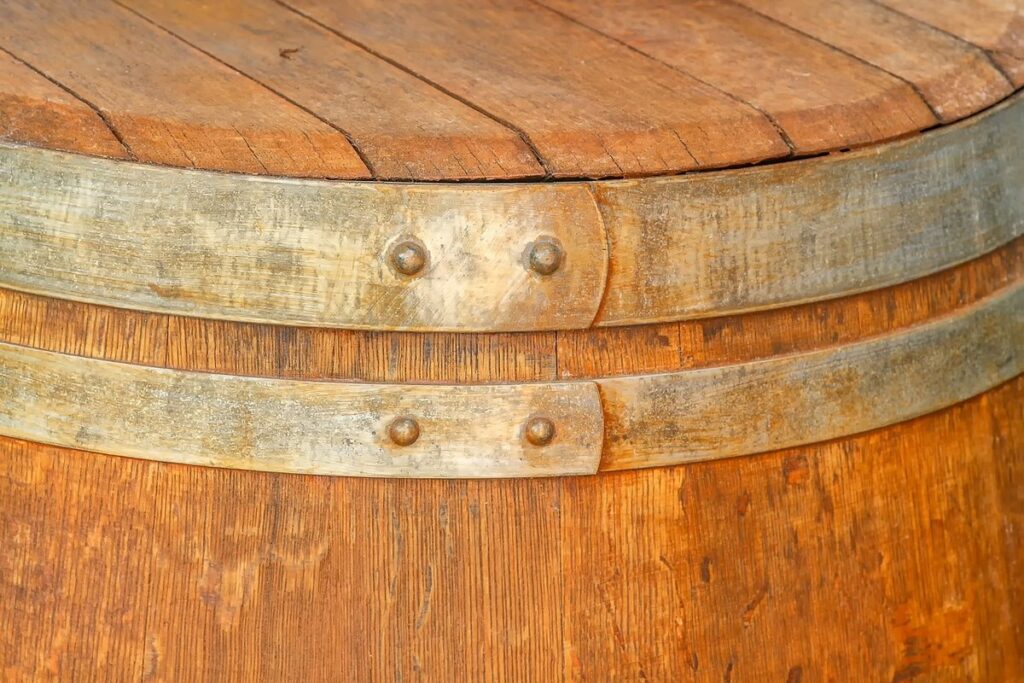
Wooden rain barrels are another eco-friendly option, made from sustainably-sourced wood and often featuring a rustic charm. However, they may be more prone to mold and mildew growth, requiring regular cleaning and inspection. Consider the climate and weather conditions in your area when choosing a rain barrel material. For example, if you live in an area with high humidity, a metal or plastic barrel may be a better choice than a wooden one.
Ultimately, the type of material used for your rain barrel will depend on your personal preferences and needs. Be sure to weigh the pros and cons of each option carefully before making a decision.
Size and Capacity Considerations
When it comes to choosing a rain barrel for your garden, one of the most critical considerations is size and capacity. You want to ensure that you’re selecting a barrel that can hold enough water to support your plants’ needs without taking up too much space.
To calculate the right size and capacity for your rain barrel, start by assessing the amount of rainfall your area receives per year. According to the US Environmental Protection Agency (EPA), a typical household can collect up to 600 gallons of rainwater from their roof during a moderate storm event. Based on this, you’ll want to choose a barrel that holds at least 50-100 gallons.
Consider also the space available for your rain barrel and any nearby plants or features that may be affected by its size. A general rule of thumb is to select a barrel that’s about 6-8 inches taller than the surrounding area to ensure easy maintenance access.
Aesthetics and Design Options
When it comes to incorporating rain barrels into your garden design, aesthetics play a significant role. You can choose from a variety of colors to match your outdoor space’s style. For example, if you have a modern and sleek patio, consider a sleek black or silver-colored rain barrel. On the other hand, if you prefer a more traditional look, a natural wood-toned or earthy green-colored rain barrel would blend seamlessly with your garden.
Consider the shape of your rain barrel as well. Rectangular shapes are ideal for small spaces, while cylindrical ones can make a statement in larger areas. You can also add decorative elements such as intricate designs, patterns, or even a personal message to give it a unique touch. For instance, if you have a themed garden, such as a fairy garden, consider a rain barrel with delicate floral patterns.
Some popular design options include:
* Using a rain barrel as a planter by adding plants around its base
* Incorporating lights into the design for ambiance at night
* Adding a trellis or arbor to create a sense of seclusion
Installing and Maintaining Your Rain Barrel Garden
To get the most out of your rain barrel garden, it’s essential to properly install and maintain your system, which we’ll walk you through step by step.
Site Selection and Preparation
When selecting a location for your rain barrel garden, it’s essential to consider several factors to ensure its success. First and foremost, think about sunlight exposure. Most plants require at least 6 hours of direct sunlight per day, so choose a spot that receives sufficient sunlight. However, be mindful of extreme temperatures and intense midday sun, which can cause stress to your plants.
Next, accessibility is crucial. Position your rain barrel in an area where it’s easy to reach and maintain, such as near a water source or close to a seating area. This will make regular watering and harvesting more convenient. Additionally, ensure good drainage by selecting a spot with adequate slope or using a French drain system to direct excess water away from the garden.
When evaluating potential locations, also consider the proximity of electrical outlets and nearby plants that may compete for resources. By carefully choosing your rain barrel’s location, you’ll set yourself up for a thriving and sustainable garden.
Installation Process
Installing a rain barrel garden is a relatively straightforward process that requires some planning and attention to detail. First, locate a suitable spot for your rain barrel system near the downspout of your home’s roof gutter system. Ensure the area is level and clear of debris.
Connect your downspout to the top of the rain barrel using a downspout diverter or splash block to direct water flow into the barrel. Next, install a first flush device, which allows the initial flow of water from the roof to drain out before filling the barrel with clean rainwater. This ensures that debris and contaminants are washed away, making your harvested water safe for use in your garden.
Before starting your project, check local regulations regarding rainwater harvesting and obtain any necessary permits or inspections. In most areas, you won’t need a permit, but it’s always better to be safe than sorry. With these simple steps, you’ll have your rain barrel garden up and running, providing a sustainable source of water for your outdoor space.
Ongoing Maintenance Tips
To ensure your rain barrel garden remains healthy and thriving, regular maintenance is crucial. Start by inspecting the system for any damage or signs of wear every few months. Check for loose connections, cracks in the barrels or pipes, and look for any signs of mold or mildew.
Cleaning is also essential to maintain water quality. Set aside time each month to scrub the inside of the barrel with a soft-bristled brush and mild soap. This will prevent algae buildup and keep the water clear. Regularly check the water level and top off as needed, making sure not to overfill which can lead to mosquito breeding.
Perform routine checks on water quality by looking for any changes in color or odor. If you notice a strong smell or unusual coloration, take immediate action to rectify the issue. Remember, a healthy rain barrel garden is one that’s regularly maintained and cared for. By incorporating these simple tasks into your routine, you’ll be rewarded with a lush and thriving outdoor space all year round.
Design Ideas for Your Rain Barrel Garden
Let’s get creative! Whether you’re a seasoned gardener or a DIY enthusiast, we’ll share inspiring design ideas to help you turn your rain barrel into a beautiful and functional garden feature.
Incorporating Native Plants
When designing your rain barrel garden, incorporating native plants is a game-changer. These plants are specifically adapted to thrive in your local climate and soil conditions, making them the perfect choice for a low-maintenance water-efficient oasis.
Native plants require less watering and fertilizing than non-native species, which means they’ll consume fewer resources from your precious rainwater collection. They’re also more resilient to droughts and extreme weather conditions, ensuring your garden stays lush even during dry spells.
One of the most significant benefits of native plants is their ability to attract pollinators like bees, butterflies, and hummingbirds. These beneficial insects are crucial for a healthy ecosystem, and by incorporating native plants into your rain barrel garden, you’ll be supporting local biodiversity.
To get started with native plants in your rain barrel garden, research the species that thrive in your area using online resources or consulting with a local nursery expert. Plant a mix of flowers, shrubs, and grasses to create a diverse and attractive landscape that requires minimal upkeep and supports the local ecosystem.
Water-Friendly Features
When designing your rain barrel garden, consider incorporating water-friendly features that not only enhance its aesthetic appeal but also contribute to a more sustainable and water-efficient outdoor space. One such feature is the use of permeable pavers, which allow rainwater to seep into the ground rather than running off into storm drains.
Imagine walking through a path made of permeable pavers, feeling the cool water soak into your feet as you stroll through the garden. Not only do these pavers reduce stormwater runoff, but they also help recharge groundwater aquifers and prevent erosion. You can also incorporate bioswales, shallow ditches that capture and filter rainwater before it enters a nearby waterbody.
Another great option is to create a rain garden – a depressed area in the yard designed specifically for rainwater collection. This feature not only helps manage stormwater runoff but also attracts beneficial wildlife like birds and butterflies. Consider using native plants with deep roots, which help absorb excess water and prevent erosion. By incorporating these features into your design, you’ll be taking a significant step towards creating a truly sustainable outdoor space that works in harmony with nature.
DIY Projects and Upgrades
When it comes to creating a unique and functional rain barrel garden, getting creative with DIY projects can make all the difference. One way to repurpose old materials is by transforming them into decorative elements for your space. For instance, you can upcycle an old wooden pallet into a planter or a trellis for climbing plants like clematis or morning glories.
To upgrade your rain barrel setup with custom features, consider installing a first flush device that allows only the cleanest water to flow into your barrel. This simple yet effective addition ensures that any debris and contaminants are diverted away from your storage tank. You can also install a spigot or a faucet to make it easy to access the collected water for irrigation.
To add some personality to your rain barrel garden, try repurposing an old ladder as a vertical planter or create a mosaic art piece using recycled tiles and glass. These small touches not only enhance the aesthetic appeal of your space but also promote sustainability and resourcefulness.
Tips for Maximizing Your Rain Barrel’s Water Harvesting Potential
To get the most out of your rain barrel system, consider these simple yet effective tips to boost water harvesting and make every drop count in your garden.
First Flush Devices
When collecting rainwater in a barrel, it’s essential to consider the debris and contaminants that can accumulate in the roof runoff. This is where first flush devices come into play.
First flush devices are designed to divert the initial flow of water from the roof during heavy rainfall events, typically the first 1-2 gallons. This allows the device to capture any sediment, leaves, or other debris that may have accumulated on the roof, and divert it away from the storage barrel. Essentially, they’re a barrier between your clean rainwater and potential pollutants.
The benefits of using a first flush device are numerous. Not only do they ensure that cleaner water enters the storage barrel, but they also reduce maintenance needs. By keeping debris out of the system, you’ll spend less time cleaning sediment from your filters or scrubbing away mineral deposits on the inside of the barrel. With a well-designed first flush device in place, you can trust that the rainwater flowing into your garden will be free from contaminants, allowing you to reap the full benefits of your rain barrel harvest.
Additional Features to Enhance Performance
To further maximize your rain barrel’s water harvesting potential, consider incorporating additional features that can enhance its performance. One such feature is a rain chain, which can be installed to replace the traditional downspout. Rain chains not only add an aesthetic touch but also reduce the noise and splash associated with traditional gutters. They come in various materials and designs, so you can choose one that complements your outdoor space.
Another essential component is an overflow valve, which prevents the rain barrel from overflowing during heavy rainfall events. This valve allows excess water to flow into a designated area, such as a storm drain or another container, thereby preventing erosion and damage to your property. Regularly inspect and clean your gutters to ensure they’re functioning properly and directing rainwater towards your rain barrel.
When selecting additional features for your rain barrel, consider factors like maintenance requirements, durability, and overall efficiency.
Monitoring and Maintenance Log
Creating a monitoring and maintenance log is an essential step in maximizing your rain barrel’s water harvesting potential. By tracking your usage, maintenance activities, and system performance over time, you’ll be able to identify areas for improvement and make data-driven decisions to optimize your system.
Start by setting up a dedicated notebook or spreadsheet to record the following information:
* Water usage: Track the amount of water collected, used, and saved each month.
* Maintenance activities: Record regular cleaning schedules, filter replacements, and any repairs made to the system.
* Monitoring system performance: Note any issues with water flow, pressure, or quality.
For example, let’s say you collect 500 gallons of rainwater in a single storm event. By tracking your usage, you may find that you’re using more water than expected for irrigation, which could lead to adjustments in your watering schedule. Regular maintenance activities can help prevent issues like mosquito breeding or algae growth.
Frequently Asked Questions
Can I use my rain barrel garden year-round, regardless of the season?
Yes, with proper planning and maintenance, your rain barrel garden can thrive throughout the seasons. However, it’s essential to consider factors like freezing temperatures, extreme weather conditions, and plant types when designing your system.
How do I prevent mosquito breeding in my rainwater collection system?
To minimize the risk of mosquito breeding, ensure that your rain barrels have proper screening or mesh to prevent mosquito entry. Regularly inspect your system for any potential mosquito habitats and maintain a regular cleaning schedule to keep your barrels free from debris.
Can I use a single large barrel instead of multiple smaller ones?
Yes, you can use a single large barrel, but consider the space constraints and maintenance requirements. Large barrels may be more challenging to clean and maintain than smaller ones, so weigh the pros and cons before deciding on a single unit.
What happens if my rain barrel gets clogged or damaged during extreme weather conditions?
In case of damage or clogging, inspect your system for any blockages or signs of wear. Clean or replace the affected components promptly to prevent water waste and potential safety hazards. Regular maintenance will help identify issues before they become severe.
Can I integrate my existing irrigation system with a rain barrel garden?
Yes, you can combine your existing irrigation system with a rain barrel garden by installing a diverter valve that allows you to switch between rainwater and municipal water sources. This setup can enhance the efficiency of both systems and reduce overall water consumption.