
Are you ready to unlock the secrets of one of the most versatile and nutritious garden gems? Radish leaves are often overlooked, but they’re packed with high-quality protein, vitamins, and minerals that can boost your health and add flavor to your dishes. Not only do these antioxidant-rich greens have a unique culinary value, but they’re also incredibly easy to grow in your own backyard. In this article, we’ll delve into the world of radish leaves, exploring their nutritional benefits, culinary uses, and simple tips for growing, harvesting, and preserving them. Whether you’re a seasoned gardener or just starting out, get ready to discover the incredible value of these often-discarded greens and how they can elevate your cooking and wellness routine.
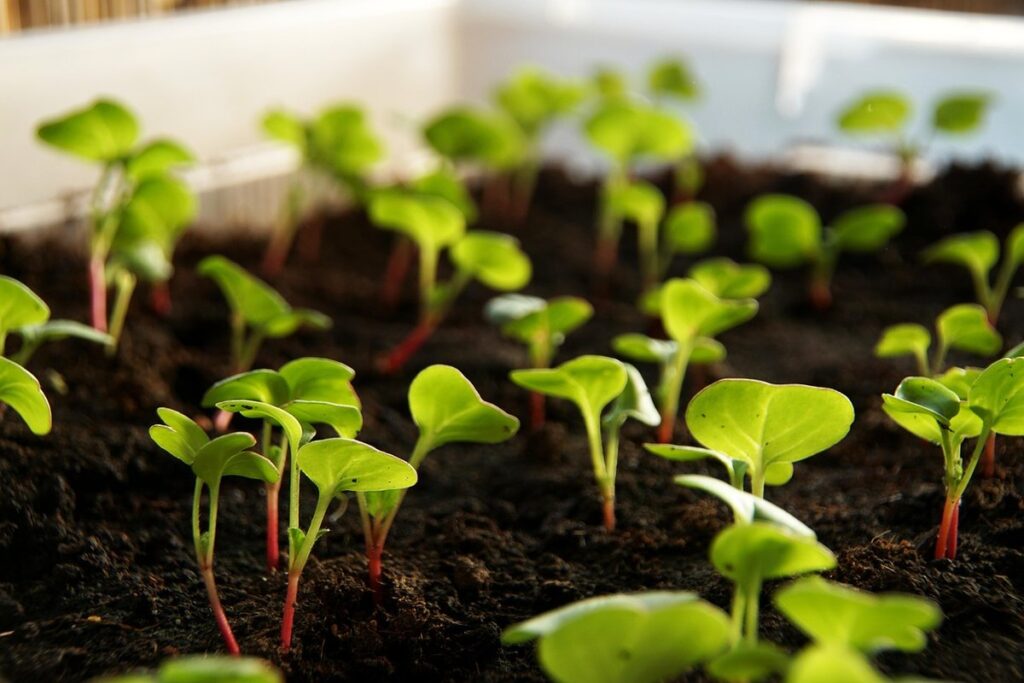
Introduction to Radish Leaves
You might be wondering what radish leaves are and where you can find them, as they’re often overlooked despite their numerous benefits. Let’s dive into the basics of these nutritious greens!
What are Radish Leaves?
Radishes are a common ingredient in many cuisines, but what often goes to waste is their nutritious and flavorful leaves. Radish leaves are the green, leafy parts that grow from the radish root, and they have been used in cooking for centuries in various cultures.
Unfortunately, many people tend to discard radish leaves, assuming they’re not edible or only fit for composting. However, these leaves are packed with vitamins A, C, and K, as well as minerals like potassium and iron, making them a valuable addition to salads, soups, and other dishes.
In fact, radish leaves have a slightly spicy flavor similar to their root counterparts, which pairs well with herbs like garlic and ginger. To incorporate radish leaves into your cooking, simply wash and chop them before adding them to your favorite recipes. You can also use them as a flavorful addition to salads or sauté them with some olive oil for a tasty side dish.
History and Cultural Significance of Radish Greens
Radish leaves have been a vital ingredient in various cuisines around the world for centuries. In many Asian cultures, particularly in China and Japan, radish greens are considered a staple and are often used in traditional dishes like stir-fries, soups, and salads. They’re also a key component in Korean kimchi, where they add a spicy kick and crunchy texture.
In European cuisine, radish leaves have been used for centuries to add flavor and nutrition to soups, stews, and sauces. In France, for example, radish greens are often paired with potatoes, garlic, and onions to create a hearty and flavorful soup called “Soupe à la Radis.” Similarly, in Italy, radish leaves are used in a variety of dishes, including pasta sauces and risottos.
The cultural significance of radish leaves extends beyond their culinary use. In many Asian cultures, they’re also believed to have medicinal properties and are used in traditional medicine to treat ailments like fever and indigestion. Whether you’re cooking with radish greens for their flavor or their potential health benefits, incorporating them into your diet is a great way to add variety and nutrition to your meals.
Nutritional Benefits of Radish Leaves
Packed with vitamins and minerals, radish leaves offer a wealth of nutritional benefits that make them an excellent addition to your diet. Let’s explore these advantages up close.
High-Quality Protein Content
Radish leaves are an excellent plant-based protein source that can be easily incorporated into your diet. A 100-gram serving of radish greens contains approximately 3.7 grams of protein, which is impressive considering their low calorie count. To put this into perspective, you’d need to consume a large amount of beans or legumes to achieve the same amount of protein.
The amino acid profile of radish leaves is noteworthy, as they contain all nine essential amino acids that humans require for optimal health. This makes them an excellent choice for vegetarians and vegans looking to boost their protein intake. The high-quality protein in radish leaves can be attributed to their unique combination of branched-chain amino acids (BCAAs) and polyphenolic compounds.
Radish greens are also rich in the amino acid glutamic acid, which has been shown to have antioxidant properties and support muscle growth. To get the most protein out of your radish leaves, be sure to consume them fresh or lightly cooked, as excessive heat can break down some of these delicate nutrients. Simply sautéing them with garlic and olive oil can make for a delicious and nutritious side dish that packs a punch in terms of plant-based protein.
Rich in Vitamins and Minerals
Radish leaves are an excellent source of essential vitamins and minerals that can significantly enhance your overall health. They are particularly rich in vitamin C, with a single serving providing over 10% of the recommended daily intake. This vitamin plays a crucial role in boosting the immune system and protecting against oxidative stress.
In addition to vitamin C, radish leaves are also abundant in other essential vitamins like A, K, and folate. Vitamin A is vital for maintaining healthy vision, skin, and mucous membranes, while vitamin K is necessary for blood clotting and bone health. Folate, a B-complex vitamin, helps prevent birth defects of the brain or spine.
The antioxidant properties of radish leaves make them an excellent addition to your diet, particularly in reducing inflammation and fighting off free radicals that can cause chronic diseases. Regular consumption may also lower cholesterol levels and improve cardiovascular health. To reap these benefits, incorporate radish leaves into salads, smoothies, or sauté them as a side dish. They pair well with herbs like garlic, ginger, and lemon for added flavor.
Culinary Uses for Radish Leaves
Radish leaves are a delicious and nutritious addition to many dishes, and today we’ll explore some tasty ways to use them in your cooking. From salads to sautés, get inspired by these creative ideas!
Sauteed or Stir-Fried as a Side Dish
Radish leaves make a fantastic addition to many Asian-inspired dishes, and when cooked just right, they can add a depth of flavor and texture that’s hard to beat. To prepare radish leaves as a side dish, start by washing them thoroughly to remove any dirt or debris. Chop the leaves into thin strips, about 1-2 inches in length.
When it comes to cooking radish leaves, sautéing or stir-frying is an excellent way to bring out their natural sweetness and flavor. Simply heat some oil in a pan over medium-high heat, then add minced garlic and grated ginger for added depth. Add the chopped radish leaves to the pan and stir-fry until they’re tender but still crisp – about 2-3 minutes should do it.
The result is a deliciously flavorful side dish that pairs perfectly with grilled meats or as a standalone accompaniment to your favorite Asian-inspired meals. Plus, with their slightly bitter undertones balanced by the sweetness of the radish, they add a delightful contrast to the palate.
Adding Freshness to Salads and Sandwiches
Radish leaves add an incredible crunch and freshness to salads and sandwiches, making them an excellent addition to your meals. To incorporate radish greens into your dishes, start by choosing a recipe that highlights their unique flavor profile. For example, try adding chopped radish leaves to a classic Caprese salad, combining the tangy greens with juicy tomatoes and creamy mozzarella.
You can also use radish leaves as a bed for grilled meats or vegetables in a sandwich, adding a peppery kick to each bite. To prepare radish greens for salads, simply rinse them thoroughly and chop them into small pieces. For sandwiches, you can use them raw or blanch them briefly to mellow out their flavor.
When using radish leaves in salads, pair them with ingredients that complement their spicy undertones, such as citrus vinaigrettes, nuts, or seeds. Experiment with different combinations to find your favorite way of enjoying radish greens.
Health Benefits of Radish Leaves
Radish leaves are not only a delicious addition to many dishes, but they also offer numerous health benefits when consumed as part of your diet. Let’s dive into the impressive advantages of incorporating radish leaves into your meals.
Anti-Inflammatory Properties
Radish leaves have been found to possess potent anti-inflammatory properties that can help reduce inflammation and improve cardiovascular health. The isothiocyanates present in radish leaves are responsible for their anti-inflammatory effects, which have been shown to inhibit the production of pro-inflammatory enzymes. This means that consuming radish leaves can help alleviate conditions such as arthritis, gout, and other inflammatory diseases.
One of the key compounds found in radish leaves is kaempferol, a flavonoid antioxidant with potent anti-inflammatory properties. Studies have demonstrated that kaempferol can reduce inflammation by suppressing the production of pro-inflammatory cytokines, which play a key role in the development of chronic diseases. To reap the benefits of radish leaves’ anti-inflammatory properties, try adding them to your meals as a garnish or incorporating them into soups and salads. You can also use radish leaf extract as a natural remedy for reducing inflammation and improving overall cardiovascular health.
Antioxidant Activity and Free Radical Scavenging
Radish leaves are packed with antioxidants that play a vital role in maintaining overall health. One of the primary benefits of radish leaves is their ability to scavenge free radicals and protect against oxidative stress. Oxidative stress occurs when there’s an imbalance between the production of free radicals and the body’s ability to neutralize them, leading to cell damage and various diseases.
The antioxidant activity in radish leaves can be attributed to the presence of flavonoids, phenolic acids, and ascorbic acid. These compounds have been shown to have potent antioxidant properties, effectively reducing inflammation and protecting against cell damage. For instance, a study on the antioxidant activity of radish leaves found that they exhibited strong scavenging activity against DPPH (2,2-diphenyl-1-picrylhydrazyl) radicals.
To harness the antioxidant power of radish leaves, simply chop them finely and add to salads, sandwiches, or sauté them as a side dish. Not only will you be reaping the benefits of their antioxidant activity but also enjoying a burst of flavor in your meals.
Growing and Harvesting Radish Leaves
Radish leaves are more than just a byproduct of radish cultivation, they can also be used as a fresh green for salads and sautés. Let’s explore how to grow and harvest them successfully.
How to Grow Radishes for Leaf Consumption
To grow radishes specifically for their leaves, you’ll want to create an environment that prioritizes leaf production over root growth. Start by choosing a climate with mild temperatures between 60°F and 70°F (15°C and 21°C), as this will promote healthy leaf development.
When selecting a location, ensure it receives partial shade to prevent scorching of the leaves. Radish plants grown for their leaves are typically more sensitive to intense sunlight than those cultivated for their roots. Well-draining soil with a pH between 6.0 and 7.0 is ideal, as this will facilitate nutrient uptake and promote healthy leaf growth.
Space radish plants about 2-3 inches apart to allow for adequate air circulation and prevent disease from spreading. Keep the soil consistently moist but not waterlogged, as excessive moisture can lead to root rot. With proper care and attention, you’ll be harvesting a bountiful supply of nutritious radish leaves in no time.
Best Practices for Harvesting Radish Greens
When it’s time to harvest radish greens, timing is everything. You want to catch them at their peak flavor and nutritional value, but you also need to leave enough foliage behind for the plant to regrow its roots. This balance is crucial for maintaining a healthy radish crop.
Here are some best practices to keep in mind:
* Wait until the leaves are 4-6 inches long, or about 1/3 of the way up from the base of the plant. This is usually around 20-25 days after sowing.
* Use scissors or a sharp knife to cut off the leaves at the base, leaving as much foliage behind as possible. This will encourage the radish to focus its energy on producing new growth rather than seed production.
By harvesting your radish greens at the right time and in the right way, you’ll be able to enjoy their delicious flavor and nutritional benefits while also promoting a healthy crop that will continue to produce for weeks to come.
Preserving and Storing Radish Leaves
Once you’ve harvested your radish leaves, it’s essential to preserve them properly so they remain fresh for future use. We’ll cover how to store and dry radish leaves effectively.
Methods for Freezing, Dehydrating, or Fermenting
To keep radish leaves fresh for an extended period and maintain their nutritional value, several preservation methods can be employed. One effective approach is freezing, which involves blanching the leaves to inactivate enzymes that cause spoilage. This method retains most of the nutrients found in raw radish leaves.
Freezing requires prepping the leaves by washing them thoroughly and pat drying them with a clean towel. Chop or slice the leaves into manageable portions before spreading them evenly on a baking sheet lined with parchment paper. Place the tray in the freezer until they are frozen solid, then transfer the leaves to an airtight container or freezer bag for long-term storage.
Dehydrating radish leaves is another preservation method that helps retain their nutritional content. Using a food dehydrator or oven on the lowest temperature setting can help dry the leaves to a crispy texture within several hours. This process not only extends shelf life but also concentrates the flavors of the radish leaves.
Fermentation offers yet another approach to preserving radish leaves while enhancing their flavor and nutritional profile. The method involves creating an environment for beneficial microorganisms like lactic acid bacteria to thrive, which helps break down cell walls and unlock nutrients within the leaves. A simple fermentation setup consists of a container with a lid, allowing for airflow while keeping contaminants out.
Before starting any preservation method, clean equipment thoroughly and handle radish leaves gently to avoid bruising or tearing. Storing the preserved radish leaves in a cool place or in an airtight container helps maintain their quality over time.
Frequently Asked Questions
Can I use radish leaves in place of other leafy greens like spinach or kale?
Yes, you can definitely substitute radish leaves for other leafy greens in many recipes! In fact, their slightly spicy flavor and crunchy texture make them a great addition to salads, sandwiches, and sautéed dishes. Just be sure to use them fresh and adjust the amount according to taste.
How long do radish leaves last after harvesting?
The shelf life of radish leaves depends on how they’re stored. If you keep them in the refrigerator, they can last up to 5 days. You can also freeze or dehydrate them for longer-term storage. Freezing preserves their nutrients and texture, while dehydrating makes them perfect for adding to soups or stews.
Can I grow radish leaves indoors?
Yes! Radishes are easy to grow indoors, making it simple to have a constant supply of fresh radish leaves year-round. Choose a container that’s at least 6 inches deep and has good drainage holes. Sow the seeds about 1 inch apart and keep the soil consistently moist.
Do radish leaves have any specific cooking requirements?
Radish leaves are relatively delicate, so they cook quickly – usually within 2-3 minutes of sautéing or stir-frying. Be gentle when handling them to avoid bruising their cells and losing their nutritional value.
Can I use radish leaves in place of green onions?
While not exactly a perfect substitute, you can definitely use radish leaves as a garnish or add them to dishes where green onions would be used. Their slightly spicy flavor pairs well with many Asian-inspired recipes.