
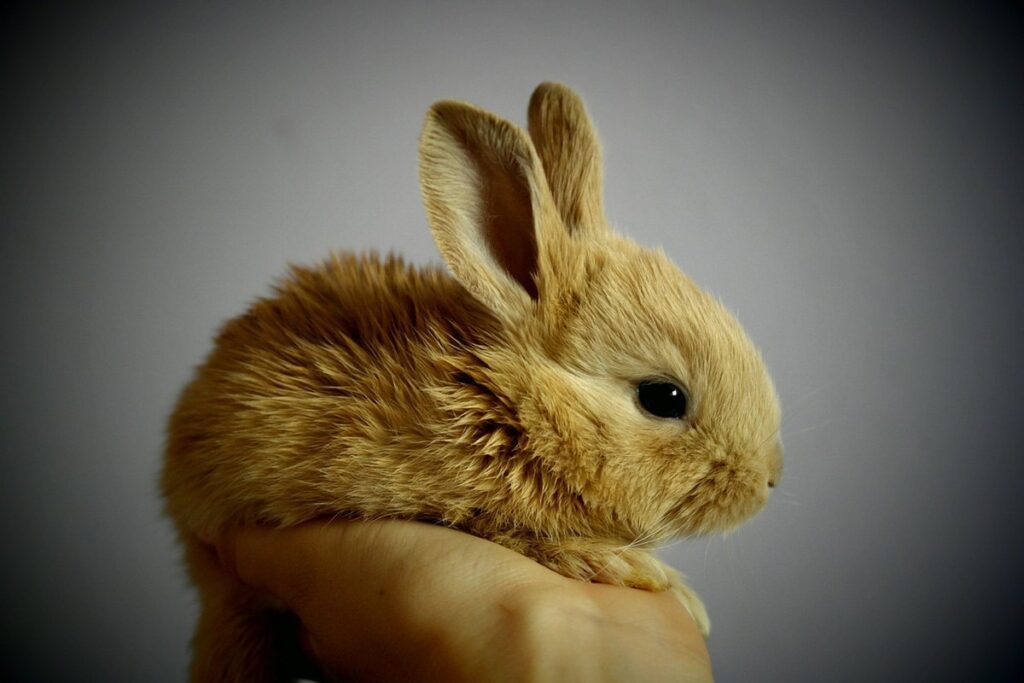
Rabbits can be adorable creatures, but they’re not always welcome in our gardens. These pesky critters have a way of ruining our carefully curated landscapes by munching on our favorite plants. If you’re tired of seeing your beloved shrubs disappear under a blanket of rabbit droppings and nibbled leaves, it’s time to take matters into your own hands. Choosing the right rabbit-resistant shrubs is key to safeguarding your garden from these furry pests. In this comprehensive guide, we’ll show you how to select, plant, and maintain effective deterrents that will keep those pesky rabbits at bay. From ornamental to evergreen options, we’ll cover it all, so you can enjoy a rabbit-free haven and preserve the beauty of your outdoor space.
Choosing the Right Shrubs
When selecting shrubs for your garden, it’s essential to consider their resistance to rabbit damage and choose varieties that will thrive despite these pesky critters. This section helps you narrow down your options.
Understanding What Attracts Rabbits to Plants
When it comes to choosing rabbit-resistant shrubs for your garden, understanding what attracts rabbits to certain plants is crucial. Rabbits are primarily attracted to plants that offer them a reliable source of nutrition and palatability.
The nutritional value of plants plays a significant role in attracting rabbits. Plants high in water content, such as leafy greens like lettuce and spinach, are particularly appealing to rabbits due to their thirst for hydration. Other nutrients like fiber, protein, and minerals found in vegetables like carrots and radishes also make them attractive to rabbits.
Some shrub species, such as lilacs and forsythia, may contain these desirable nutrients or have a succulent texture that makes them more palatable to rabbits. However, other shrubs, like boxwood and holly, are less appealing due to their dense foliage and unpalatable berries.
When selecting rabbit-resistant shrubs, take note of the specific plants you’re trying to protect your garden from. Consider replacing susceptible plants with species known to be less attractive to rabbits or using deterrents like fencing and repellents to discourage them from feeding on the surrounding vegetation.
Selecting Shrubs with Unappealing Properties
When it comes to selecting shrubs that are unappealing to rabbits, there are certain characteristics that can make a big difference. Rabbits tend to avoid plants with bitter taste, strong scent, or dense foliage. These characteristics can be a powerful deterrent against rabbit damage.
Some excellent examples of shrubs that fit these criteria include the Rosemary (Rosmarinus officinalis) and the Lavender (Lavandula spp.). Both of these plants have strong scents that are unappealing to rabbits, making them an excellent choice for gardens prone to rabbit damage. The dense foliage of the Holly (Ilex aquifolium) is another example of a characteristic that deters rabbits.
Other shrubs with bitter taste include the Pyracantha (Pyracantha coccinea) and the Barberry (Berberis thunbergii). These plants contain compounds that are unpalatable to rabbits, making them an excellent choice for gardeners looking to protect their plantings. By incorporating these rabbit-resistant shrubs into your garden design, you can minimize damage and enjoy a thriving and healthy garden.
Deer-Resistant vs. Rabbit-Resistant: What’s the Difference?
When it comes to choosing shrubs for your garden, you may have come across terms like deer-resistant and rabbit-resistant, but do you know what they really mean? Let’s break down the difference between these two types of plants.
Understanding the Distinctions Between Deer and Rabbit Resistance
When it comes to evaluating deer and rabbit resistance in plants, there are distinct differences. Deer resistance is often determined by a plant’s texture, taste, and smell, as these factors can deter deer from feeding on it. For example, plants with thick, fibrous leaves or stems may be unpalatable to deer, while those with strong odors or bitter tastes may also be avoided.
On the other hand, rabbit resistance is often associated with plant compounds that are toxic or unpalatable to rabbits. Plants containing salicylic acid, alkaloids, and glycosides can be particularly effective in deterring rabbit herbivory. For instance, plants like lavender and rosemary contain these compounds and are known for their rabbit-repellent properties.
Interestingly, a single plant may exhibit resistance to one type of animal but not the other. This highlights the importance of choosing plants that are specifically resistant to the local wildlife you’re trying to protect your garden from. By understanding the differences in deer and rabbit resistance, you can make informed decisions when selecting rabbit-resistant shrubs for your garden.
Factors Influencing Resistance in Shrubs
When choosing rabbit-resistant shrubs for your garden, it’s essential to consider the environmental factors that can impact their effectiveness. Climate, soil quality, and local wildlife populations can all play a significant role in determining how well these shrubs will perform.
Climate is a crucial factor to consider when selecting rabbit-resistant shrubs. For example, if you live in an area with extreme temperatures or high humidity, certain shrubs may not be able to thrive. Similarly, soil quality can affect the growth and resilience of shrubs. Rabbits are more likely to target plants that are stressed due to poor soil conditions.
Local wildlife populations can also impact the effectiveness of rabbit-resistant shrubs. If you live in an area with a high population of rabbits, it’s essential to choose shrubs that are specifically bred for resistance to these pests. Even if a shrub is resistant to rabbits, it may still be vulnerable to other local wildlife such as deer or squirrels.
In areas where the soil quality is poor or the climate is harsh, consider incorporating companion plants that can help repel rabbits naturally. For example, planting garlic near rabbit-resistant shrubs has been shown to deter these pests. By taking into account environmental factors and using a combination of resistant shrubs and companion plants, you can create a more effective barrier against rabbits in your garden.
Top Rabbit-Resistant Shrubs for Your Garden
As you’re searching for ways to protect your garden from those pesky rabbits, let’s explore some top shrub varieties that are naturally resistant to their nibbling.
Compact Options for Small Spaces
If you have limited space for gardening but still want to protect it from pesky rabbits, don’t worry – there are plenty of compact shrub options that fit the bill. For example, the ‘Little Spire’ Lavender is a small but mighty option that grows only 1-2 feet tall and wide. This drought-tolerant shrub repels rabbits with its strong scent and can thrive in containers or small garden beds.
Another great choice for compact spaces is the Boxwood (Buxus sempervirens). This dense, evergreen shrub grows to be around 2-3 feet tall and can be pruned to maintain a specific shape. It’s also relatively low-maintenance and rabbit-resistant. If you have even less space, consider the Dwarf Rosemary (Rosmarinus officinalis), which grows only 1-2 feet tall and is easy to care for in small containers.
Remember to plant these shrubs strategically around your garden beds to maximize their effectiveness against rabbits. For instance, plant them along borders or near areas with high rabbit activity. With the right selection of compact, rabbit-resistant shrubs, you can protect your garden from damage without sacrificing style or functionality.
Medium to Large Shrubs with Strong Resistance
If you’re looking for medium to large shrubs that can withstand rabbit attacks, consider these robust options. Hydrangea is a great choice, with its strong scent and unappealing texture making it less appealing to rabbits. These flowering shrubs come in various sizes, from compact to tall varieties, ensuring there’s an option for every garden.
Another effective option is the Russian Olive (Elaeagnus angustifolia), known for its silvery-gray leaves and dense growth habit. Its strong scent deters rabbits, making it a great choice for large gardens or hedges. Similarly, the Bay Laurel (Laurus nobilis) boasts a pungent aroma that repels rabbits.
In addition to these options, shrubs with thorny stems can also be effective deterrents. The Pyracantha (Pyracantha coccinea) is an excellent example, with its bright red berries and spiny branches making it uninviting to rabbits. Consider incorporating these medium to large shrubs into your garden design to protect your plants from rabbit damage.
Planting and Maintenance Tips
Now that you’ve chosen your rabbit-resistant shrubs, let’s dive into how to properly plant and maintain them for years of beautiful blooms. We’ll cover essential tips for a thriving garden.
Creating a Rabbit-Resistant Landscape
When designing a landscape that incorporates rabbit-resistant shrubs, it’s essential to consider several factors to ensure their success. First, assess the sun exposure and soil type of your yard. Rabbits tend to prefer areas with partial shade to full sun, so choose shrubs suitable for these conditions. For example, the ‘Rose Glow’ barberry is an excellent choice for sunny spots, while the ‘Silver Fountain’ weigela thrives in partial shade.
Consider the companion plants you’ll pair with your rabbit-resistant shrubs. Some options include lavender, rosemary, and thyme, which not only repel rabbits but also attract beneficial insects to your garden. Be mindful of the mature size of each plant to ensure they won’t overcrowd or compete for resources. For instance, the ‘Blue Rug’ juniper is an excellent groundcover that suppresses weeds while deterring rabbit activity.
When planning your landscape, remember to group rabbit-resistant shrubs together and interspers them with companion plants to create a layered defense system. This will help prevent rabbits from targeting specific areas of your garden. By considering these factors and choosing the right plants for your yard, you can create a beautiful and effective rabbit-resistant landscape that safeguards your garden investments.
Care and Pruning for Long-Term Effectiveness
To ensure that rabbit-resistant shrubs continue to effectively deter these pesky critters, regular care and pruning are essential. Here’s what you can do:
Firstly, water them properly – rabbits tend to avoid shrubs that are stressed due to lack of moisture. Aim for about 1 inch of water per week, either through rain or irrigation. Mulching around the base will also help retain soil moisture and suppress weeds.
Regular pruning is another vital aspect of maintaining their effectiveness. This not only keeps them looking neat and tidy but also encourages new growth, which rabbits are less likely to munch on. Cut back any dead or diseased branches in late winter or early spring, taking care not to remove more than one-third of the plant’s foliage at a time.
Also, keep an eye out for signs of overgrowth – if the shrub becomes too large or leggy, it may become more attractive to rabbits. Prune regularly to maintain a balanced shape and prevent it from becoming too appealing to these critters. By following these simple care and pruning tips, you’ll be able to enjoy the benefits of your rabbit-resistant shrubs for years to come.
Frequently Asked Questions
What if I have a small garden, but still want to incorporate rabbit-resistant shrubs?
If you’re working with limited space, consider compact options like Dwarf Boxwood or Japanese Andromeda, which offer robust resistance without overwhelming your yard. These smaller varieties can thrive in containers or tight spaces, allowing you to still maintain a beautiful and protected landscape.
Can I combine deer-resistant plants with rabbit-resistant ones in the same garden?
Yes, many shrubs exhibit dual resistance properties, making them ideal for mixed landscapes. Look for species like Inkberry Holly or Bay Laurel, which deter both deer and rabbits due to their unpalatable leaves and stems.
How do I prevent rabbits from damaging my newly planted shrubs?
To safeguard your new additions, consider applying a physical barrier around the base of the plants or using repellent granules containing predator urine or hot peppers. These deterrents can help discourage rabbits from nibbling on your newly planted shrubs while they establish themselves.
Can rabbit-resistant shrubs still be affected by other factors, like disease or pests?
Yes, even rabbit-resistant shrubs can fall prey to other threats like diseases, insects, or extreme weather conditions. Regular pruning, proper watering, and monitoring for signs of distress are essential to maintaining the health and resilience of your plants.
Are rabbit-resistant shrubs a one-time solution, or do I need ongoing maintenance?
Rabbit-resistant shrubs require regular care to maintain their effectiveness. This includes seasonal pruning, fertilization, and pest management. By staying on top of these tasks, you can enjoy long-term protection for your garden against rabbits and other pests.