
Are you tired of seeing your garden ravaged by hungry rabbits? It’s not just frustrating, but also costly to replace damaged plants. If you’re looking for a solution, you’ve come to the right place. In this article, we’ll explore a comprehensive list of rabbit-resistant plants that will help safeguard your garden from these pesky critters.
We’ll delve into expert tips on planting strategies and provide practical maintenance advice to ensure your new additions thrive. From vegetables to flowers, and trees to shrubs, our list covers a wide range of plants that rabbits tend to avoid. By the end of this article, you’ll be equipped with the knowledge to create a rabbit-proof garden oasis, saving you time, money, and stress in the long run.
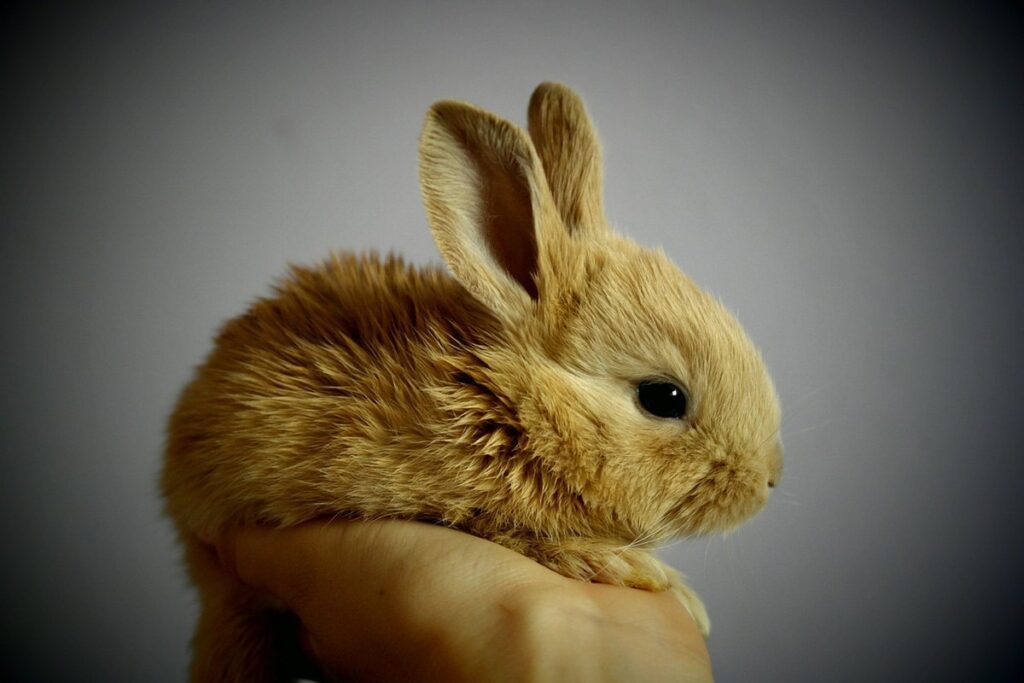
Introduction to Rabbits and Plant Damage
Before we dive into our list of rabbit-resistant plants, let’s talk about why these furry critters love to munch on your garden so badly.
Understanding Rabbit Behavior and Habitat
When it comes to understanding rabbit behavior and habitat, it’s essential to recognize that these furry creatures are primarily driven by their instinct to forage for food. As herbivores, rabbits thrive on vegetation, making them a common pest in gardens and backyards. They are attracted to plants with tender shoots, juicy leaves, and sweet flowers.
Rabbits have a unique way of exploring their surroundings, using their keen senses to detect even the slightest movement or scent of food. In the wild, they often live in areas with dense vegetation, where they can easily hide from predators and feed on an abundance of plants. This natural instinct is carried over into domestic settings, where gardens become their playground.
To minimize damage, it’s crucial to understand what types of plants rabbits find appealing. For example, young vegetables like lettuce, carrots, and spinach are often favored by rabbits due to their tender shoots and leaves. Similarly, flowering plants like roses and marigolds may be targeted for their sweet blooms. By recognizing these patterns, you can take proactive steps to protect your garden from these furry thieves.
The Cost of Rabbit Damage to Gardeners
The cost of rabbit damage to gardeners can be staggering. According to various estimates, these pests cause millions of dollars in losses each year. In fact, a study conducted by the University of California found that rabbits can cause up to $400 million in damages annually across the United States alone.
For individual gardeners, the financial impact can be just as significant. A single rabbit can devour a large portion of a garden in a matter of days, leaving behind destruction and a hefty bill for replacements or repairs. For example, if you’re growing lettuce, carrots, or other crops that are prized by rabbits, you could lose an entire crop to these pests.
To put this into perspective, consider the cost of replacing a few dozen lettuce plants that have been ravaged by rabbits. The financial loss can be substantial, and it’s not just limited to the initial cost of replanting. You’ll also need to factor in the time and effort required to repair damaged plots and prevent future infestations.
Plant Characteristics That Repel Rabbits
When it comes to keeping rabbits out of your garden, understanding what characteristics make a plant rabbit-resistant is key. Certain plants possess specific traits that repel rabbits, making them an excellent choice for your yard.
Leaf Texture and Shape: Unappealing to Rabbits
When it comes to deterring rabbits from feeding on plants, certain characteristics can be particularly effective. One such characteristic is leaf texture and shape. Rabbits tend to avoid plants with thick, prickly leaves that are difficult for them to bite into or digest.
Plants like succulents and cacti are great examples of this. Their fleshy, waxy leaves may look appealing to us, but rabbits find them unappealing due to their texture. Other plants, such as the rosemary shrub, have needle-like leaves that are hard for rabbits to chew on.
Some plants even have leaves with a rough or hairy texture, making it uncomfortable for rabbits to feed on them. The lamb’s ear plant is a good example of this, its woolly leaves being particularly uninviting to rabbits. When selecting rabbit-resistant plants, consider incorporating some of these textured and shaped varieties into your garden.
For instance, planting succulents alongside more tempting options can help deter rabbits from feeding on the latter.
Strong Smells and Tastes: Rabbits’ Worst Nightmare
When it comes to keeping rabbits out of your garden, some plants are naturally more effective than others. Certain plants have strong smells or tastes that repel these furry thieves, making them a great addition to your rabbit-resistant plant list.
Take for instance, the pungent aroma of garlic and chives. These members of the Allium family not only add flavor to many dishes but also deter rabbits from grazing on nearby plants. Planting rows of garlic or chives around the perimeter of your garden can create a barrier that keeps rabbits at bay.
Other plants like hot peppers, such as chili and jalapeno, contain capsaicin, which gives them their intense heat. Rabbits have a sensitive sense of smell and taste, and the pungency of these peppers is enough to keep them from venturing too close. Incorporating these spicy varieties into your garden can be an effective way to protect your plants.
Some other examples of strong-smelling or tasting plants include lemongrass, rosemary, and thyme. By planting a mix of these herbs around the edges of your garden, you can create a potent scent that repels rabbits without harming them.
Vegetables That Are Resistant to Rabbit Damage
If you’re growing a garden, there are some veggies that can withstand the nibbling of furry critters. Let’s take a look at some rabbit-resistant vegetables you might consider planting.
Leafy Greens: Kale, Collard Greens, and More
If you’re looking to protect your garden from those pesky furry thieves, incorporating rabbit-resistant leafy greens is a great starting point. Many of these plants have thick leaves or strong flavors that deter rabbits from feeding on them. For instance, kale and collard greens are both excellent choices for your garden. Kale’s bitter taste and tough texture make it unappealing to rabbits, while collard greens’ pungent aroma and slightly bitter flavor also keep them away.
Other leafy green options include mustard greens, arugula, and dandelion greens. Mustard greens have a spicy kick that repels rabbits, making them an excellent addition to your garden. Arugula’s peppery flavor is another deterrent for these pests. Dandelion greens’ strong bitterness also keeps rabbits at bay. To make the most of these rabbit-resistant plants, consider planting them in areas where you’ve noticed significant damage from rabbits in the past. This will not only save your other plants but also create a healthier and more diverse ecosystem in your garden.
Root Vegetables: Carrots, Beets, and Turnips
When it comes to root vegetables that are resistant to rabbit damage, there are several options to consider. Carrots, for instance, have a strong, pungent flavor and a firm texture that deters rabbits from feeding on them. They’re also relatively easy to grow and can thrive in a variety of conditions.
Beets are another excellent choice, with their earthy sweetness and crunchy texture making them unappealing to rabbits. Not only do beets repel rabbits, but they’re also packed with nutrients and can add a pop of color to your garden. To keep beets rabbit-proof, make sure to plant them deeply enough that the leaves are above ground level.
Turnips are also a great option, thanks to their strong, peppery flavor and firm texture. They’re easy to grow and can tolerate some frost, making them an excellent choice for cooler climates. To incorporate these root vegetables into your garden, try pairing them with other rabbit-resistant plants like lettuce or spinach. This will not only keep rabbits at bay but also create a diverse and thriving ecosystem in your garden.
Fruits That Are Resistant to Rabbit Damage
When it comes to fruits, you’re probably thinking of those tender shoots and juicy berries that rabbits love to munch on. Luckily, there are some hardy options that can withstand their nibbling.
Citrus Fruits: Oranges, Lemons, and Grapefruits
If you’re looking to grow citrus fruits in your garden and keep those pesky rabbits at bay, you’re in luck. Citrus fruits are known for their strong scents and tastes, making them unappealing to rabbits. In this section, we’ll cover some popular citrus options that are resistant to rabbit damage.
Oranges are one of the most widely cultivated citrus fruits, and they make an excellent choice for a rabbit-resistant garden. Rabbits tend to avoid oranges due to their sour taste and strong scent. Dwarf varieties like ‘Dwarf Washington’ or ‘Carolina’ are ideal for small gardens and can thrive in containers.
Lemons are another citrus fruit that’s often ignored by rabbits. Their intense acidity and pungent aroma make them less appealing to these furry critters. Use lemons in your cooking, or grow a dwarf variety like ‘Dwarf Meyer’ for a compact and pest-resistant tree.
Grapefruits, although larger than oranges and lemons, are also unappealing to rabbits due to their sour taste and strong scent. Dwarf varieties like ‘Red Blush’ or ‘White Marsh’ make great choices for small gardens and can tolerate cooler temperatures.
Berries: Rabbits’ Worst Enemy?
While rabbits can be cute and endearing, they’re notorious for their love of fruits, especially berries. But did you know that some berry varieties are actually rabbit-repellent? These plants have strong flavors or textures that deter rabbits from feeding on them.
For example, the Boysenberry plant is a great choice for a rabbit-resistant garden bed. With its tart flavor and thorny canes, it’s unappealing to these furry thieves. Another option is the Loganberry plant, which has a sweet-tart taste that deters rabbits from grazing. Both of these plants are relatively easy to grow in most climates, making them great additions to your rabbit-resistant garden.
When planting berry varieties like Boysenberry and Loganberry, be sure to trim back the canes in late winter or early spring to promote new growth and keep the plant healthy. You can also mix these plants with other rabbit-repellent fruits, such as citronella or lemongrass, to create a multi-layered defense system for your garden.
By incorporating these berry varieties into your garden design, you’ll be well on your way to creating a rabbit-resistant oasis that’s safe from those pesky furry visitors.
Trees and Shrubs That Repel Rabbits
Let’s tackle those pesky rabbits with some effective deterrents! This section highlights trees and shrubs that are naturally resistant to rabbit damage, perfect for garden protection.
Rosemary and Sage: The Perfect Companion Plants
When it comes to rabbit-resistant plants, we often think of thorny shrubs and prickly flowers. However, there’s a lesser-known group of companions that can help keep these furry thieves at bay: herbs with strong scents. Take rosemary and sage, for instance – both are natural repellents for rabbits due to their pungent aromas.
Rosemary, in particular, is a favorite among gardeners who want to deter rabbits from nibbling on their crops. Planting rosemary alongside other susceptible plants can create a protective barrier against rabbit damage. Simply sprinkle some rosemary seeds around the perimeter of your garden bed and watch as these fragrant herbs get to work.
Sage is another excellent choice for companion planting, with its distinctive purple flowers and savory scent driving rabbits away. You can interplant sage among vegetables like lettuce or carrots, which are often targeted by hungry bunnies. The result? A healthier, more rabbit-resistant garden that requires less maintenance. By incorporating these herbs into your garden design, you’ll be taking a proactive step towards protecting your plants from furry invaders.
Holly and Privet: Thorny Barriers Against Rabbits
When it comes to deterring rabbits from entering your garden, some trees and shrubs stand out for their thorny barriers. Holly and privet are two examples of plants that naturally repel these furry pests due to their prickly features.
Holly trees and shrubs (Ilex spp.) are notorious for their sharp, needle-like leaves that can cause discomfort to rabbits if they try to feed on them. The American Holly (Ilex opaca) is a popular variety that grows well in USDA zones 5-9, making it an excellent choice for gardeners in these regions. Privet shrubs (Ligustrum spp.), on the other hand, have long, sharp thorns that rabbits find unpalatable.
To use holly and privet to protect your garden, plant them strategically around the perimeter or along fences to create a barrier against rabbit entry. Keep in mind that while these plants can help deter rabbits, they may not be 100% effective if other food sources are readily available nearby. Regularly inspecting your garden for signs of rabbit activity and maintaining a balanced ecosystem will also play a crucial role in keeping these pests at bay.
Creating a Rabbit-Resistant Garden
To keep those pesky rabbits out of your garden, we’ll show you how to create a rabbit-resistant oasis by selecting the right plants and design. This section will focus on practical tips for designing an effective barrier.
Planting Strategies: Grouping Plants for Maximum Effect
When creating a rabbit-resistant garden, it’s crucial to group plants with similar characteristics together. This strategic approach not only makes your garden more aesthetically pleasing but also deters rabbits from targeting specific areas.
To begin with, consider the types of plants you’ve selected for your garden. If you have a mix of herbs and vegetables, group them separately from flowers or shrubs. For example, combine basil, rosemary, and thyme together in one section, while placing marigolds and daffodils nearby to repel nematodes and other pests.
Another essential aspect is plant height and texture. Tall plants like sunflowers or corn should be placed towards the north side of your garden to avoid shading smaller plants. Conversely, low-growing herbs like creeping thyme can spill over walls or containers, creating a visually appealing border.
Grouping plants by their growth habits also helps maintain a balanced ecosystem within your garden. This approach minimizes competition for resources and allows you to make the most of each plant’s unique characteristics. By organizing your plants in this way, you’ll not only outsmart rabbits but create a thriving, harmonious environment that rewards careful planning and attention to detail.
Maintenance and Upkeep: Tips for Keeping Your Garden Rabbits-Free
To keep your garden rabbit-free, regular maintenance is essential. This involves regular monitoring of your plants and taking prompt action whenever you notice any signs of rabbit damage. Start by inspecting your plants regularly for nibbled leaves or stems, and remove any affected areas to prevent the rabbits from returning.
Fencing around your garden can also help deter rabbits. Consider installing a sturdy fence that stands at least 3 feet high, extending it around all perimeter boundaries. Use materials such as chicken wire or hardware cloth to block rabbit entry points. Burying the fencing material 12 inches underground will further prevent burrowing by these clever creatures.
Additionally, ensure your garden’s trash cans are securely stored and kept clean of any food scraps that may attract rabbits. Secure your plants’ roots with plant ties if necessary. These simple steps can help you create a rabbit-resistant garden, protecting your prized flowers, shrubs, and vegetables from furry thieves.
Conclusion: Building a Rabbit-Resistant Garden
As you’ve learned about the best rabbit-resistant plants for your garden, it’s time to bring everything together. Remember that rabbits are attracted to lush foliage and tender shoots, so incorporating plants with bitter or unpalatable tastes can deter them from nibbling on other valuable blooms. By strategically placing these resistant varieties throughout your garden, you’ll create a multi-layered defense system against those furry thieves. Think of it like layering security measures for your home – each step increases the difficulty level for any potential intruder. To further reinforce this strategy, consider using physical barriers such as fencing or mesh to protect sensitive areas of your garden. This harmonious blend of plant selection and clever design will safeguard your hard work and allow you to enjoy a thriving, rabbit-free haven.
Frequently Asked Questions
Can I still have a diverse garden if I choose rabbit-resistant plants?
Yes, you can definitely have a diverse garden while keeping rabbits out. The key is to group plants with similar characteristics together, like those that are bitter or unpalatable to rabbits. This way, you’ll attract beneficial insects and pollinators without inviting the unwanted critters.
How often should I inspect my garden for signs of rabbit damage?
Regular inspections are crucial in maintaining a rabbit-resistant garden. Check your plants daily for any signs of nibbling or chewing. Be proactive and address potential issues before they become costly problems.
Can companion planting be used as an alternative to individual rabbit-proofing methods?
Yes, companion planting is a wonderful way to create a rabbit-repellent environment without individual barriers. Certain herbs like rosemary, sage, and thyme can repel rabbits when planted alongside your desired crops. This approach saves you time and resources while promoting a balanced ecosystem.
What if I have young plants that are still vulnerable to rabbit damage?
For young or delicate plants, consider using temporary rabbit-deterrent methods such as individual cages or row covers until they mature and develop their natural defenses. You can also plant companion crops like garlic or hot peppers nearby to enhance protection.
How do I maintain the effectiveness of my rabbit-resistant garden over time?
To keep your rabbit-resistant garden thriving, ensure regular maintenance tasks like watering, pruning, and fertilizing are performed on schedule. Monitor for signs of rabbit pressure and adjust your strategy as needed to prevent damage. By adapting to changing conditions, you’ll enjoy a peaceful, pest-free garden oasis.