
Rabbits can be adorable additions to any backyard, but they also have a knack for turning your beautiful flowers into lunch. If you’re a gardener who loves having a blooming flower garden, but is tired of seeing it ravaged by these furry critters, this article is for you. Creating a rabbit-proof flower garden requires understanding their behavior and knowing which plants are safe from their appetites. It also involves strategically designing your garden to prevent damage. Don’t worry; we’ve got expert tips on how to do just that. In this article, we’ll cover the essential elements of creating a rabbit-resistant garden, including choosing resistant plants and implementing effective design strategies. By following our advice, you can enjoy your flowers without worrying about them being lunch for local rabbits.
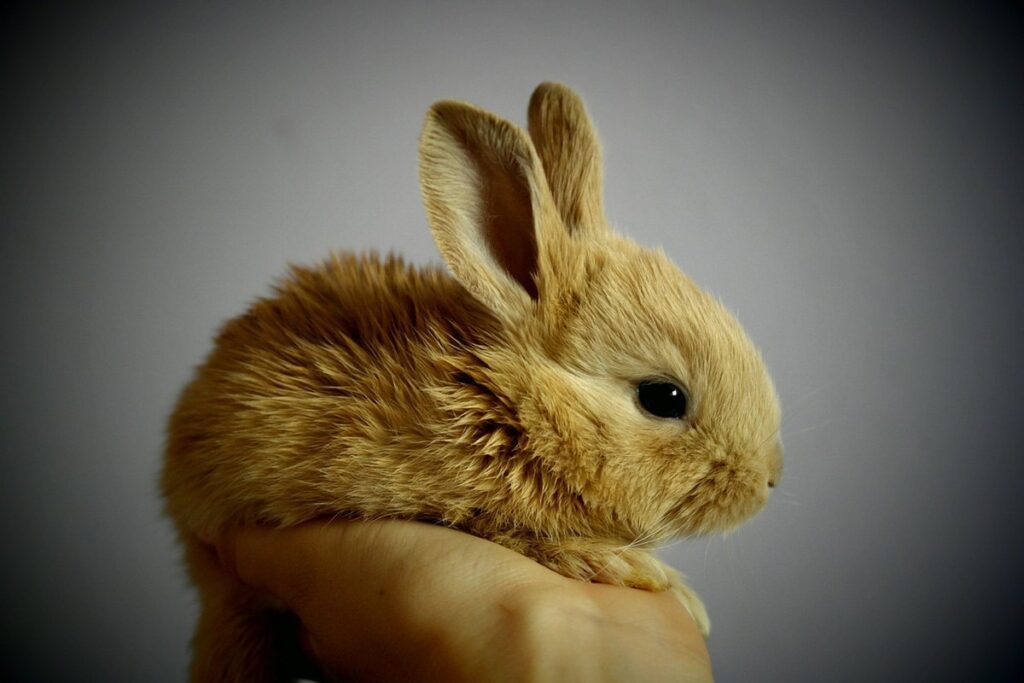
Understanding Rabbits and Their Behavior
To create a truly rabbit-proof flower garden, it’s essential to understand the behavior and habits of your furry visitors, including their likes and dislikes. Let’s dive into the world of rabbits!
Identifying Rabbit Dangers to Your Garden
Rabbits can be adorable additions to your garden, but their presence can also lead to significant damage. As a rabbit lover and gardener, it’s essential to understand the potential dangers they pose to your flower garden.
One of the most obvious threats is plant grazing. Rabbits are notorious herbivores that love to munch on succulent leaves, tender shoots, and ripe fruits. They’ll easily hop from one plant to another, devouring everything in their path. If left unchecked, this can lead to significant damage, especially if you have valuable or rare plants.
Another problem is digging. Rabbits are natural burrowers, and they love to dig holes for shelter, nesting, or escape routes. This can ruin the aesthetic appeal of your garden, not to mention create pathways that water and nutrients may follow, causing erosion. In extreme cases, their digging can even compromise the structural integrity of plant pots or raised beds.
To mitigate these risks, consider fencing off vulnerable areas with sturdy materials like chicken wire or hardware cloth, and using deterrents like sprinklers or repellents to discourage rabbits from visiting your garden in the first place.
Recognizing Rabbit Attraction Points
When it comes to creating a rabbit-proof flower garden, understanding what attracts rabbits to your outdoor space is crucial. Rabbits are naturally drawn to gardens that provide them with food sources, shelter, and access to water. If you’re not aware of these attraction points, you may find yourself constantly battling to protect your plants.
Rabbits are particularly fond of gardens rich in vegetation, so if you have a lush lawn or an abundance of leafy greens like lettuce, kale, or spinach, you’re basically rolling out the welcome mat. Other food sources that attract rabbits include fruits like strawberries, raspberries, and blueberries. In fact, a single serving of berries can satisfy a rabbit’s daily caloric needs.
Beyond food, rabbits seek shelter from extreme temperatures, predators, and harsh weather conditions. They often take refuge in gardens with dense vegetation, hollow logs, or burrows. To minimize the chances of rabbits making your garden their home, consider removing any hiding spots and keeping your garden well-maintained.
Choosing Rabbit-Resistant Plants
When selecting plants for your rabbit-proof garden, it’s essential to choose varieties that are naturally unappealing to these furry critters. We’ll walk you through some top picks and tips in this section.
Selecting Deterrent Flowers and Herbs
When it comes to selecting flowers and herbs that rabbits tend to avoid, there are several options you can consider incorporating into your garden design. Daffodils, for instance, are known to be particularly unpalatable to rabbits due to their toxic bulbs, which contain a chemical called lycorine.
Another good option is lavender, as its pungent scent and bitter taste make it an unwelcome choice for rabbits. Similarly, chamomile and lemongrass are herbs that tend to deter rabbits with their strong aromas. Hyacinths and foxgloves also contain toxic compounds that discourage rabbit feeding.
To incorporate these plants into your garden, consider grouping them together in a “deterrent border” around the perimeter of your flower bed. This can help funnel rabbits away from the more vulnerable plants you’ve chosen to include in your garden design.
Incorporating Native and Invasive Plant Options
When it comes to choosing rabbit-resistant plants for your garden, you may have come across the terms “native” and “invasive.” These types of plants can either attract or deter rabbits from your garden. It’s essential to understand their characteristics and how they might impact your rabbit-proof flower garden.
Native plants are those that grow naturally in your region without human intervention. They typically require less maintenance, support a local ecosystem, and may even serve as a natural barrier against pests like rabbits. For example, if you live in the Pacific Northwest, consider using native plants such as Western Sword Fern (Polystichum munitum) or Red Flowering Currant (Ribes sanguineum). These plants have evolved alongside local wildlife and are less likely to attract rabbits.
On the other hand, invasive plant species can be highly attractive to rabbits. These non-native plants often grow quickly and aggressively, which may make them appealing to hungry rabbits. However, their rapid growth can also lead to overcrowding and competition for water and nutrients in your garden. Be cautious when introducing new plants to your garden, as some examples of invasive species include Japanese Knotweed (Fallopia japonica) or English Ivy (Hedera helix), both of which are known rabbit attractants.
When incorporating native or invasive plant options into your garden design, consider the following tips:
* Research local regulations and ensure that any non-native plants you introduce are not considered invasive in your area.
* Choose a mix of plants with different growth habits and textures to create a diverse landscape that will less likely appeal to rabbits.
* Consider using native plants as a border or screen around sensitive areas, like vegetable beds or flowers that you want to protect.
Garden Design Strategies for Rabbits
When designing a flower garden that’s safe for your furry friends, it’s essential to consider their natural behaviors and habitats. Effective design strategies can help minimize damage and create a harmonious coexistence between rabbits and blooms.
Creating a Barrier with Fencing and Netting
When it comes to creating a barrier with fencing and netting for your rabbit-proof flower garden, the right materials and installation are crucial. You’ll want to opt for durable and sturdy options that can withstand the test of time – and those pesky rabbits! Consider using hardware cloth or chicken wire mesh as a cost-effective solution.
When selecting fencing, ensure it’s at least 3 feet high to prevent rabbits from easily jumping over it. If you’re dealing with particularly adventurous bunnies, consider investing in even higher fencing – up to 6 feet if necessary. Additionally, choose materials that are resistant to rust and corrosion, as these can compromise the integrity of your fence.
Netting is another effective option for keeping rabbits out. Choose a material that’s at least 1 inch square mesh size to prevent them from squeezing through. Install netting around plants or entire sections of your garden for added protection. Consider using a combination of fencing and netting for maximum effectiveness – this will provide an extra layer of security against determined bunnies.
Using Physical Barriers to Protect Plants
Physical barriers are an essential tool in protecting your flowers from rabbit damage. While fencing is often the most popular option, there are other physical barriers that can be just as effective. One such example is using cages around individual plants or groups of plants. These cages come in various shapes and sizes, and some even have a netting material to allow for air circulation and sunlight penetration.
Trellises are another excellent option for protecting your flowers from rabbits. By providing support for climbing plants like peas, beans, and roses, trellises keep them out of reach of hungry rabbits. Plant covers or individual plant protectors can also be used to shield sensitive blooms from rabbit grazing. These breathable fabrics allow light and air to reach the plants while keeping rabbits at bay.
When using physical barriers, consider your garden’s layout and the movement patterns of local wildlife. For instance, if you have a particularly pesky rabbit problem, it may be more effective to use cages around specific plants or areas rather than fencing off the entire garden.
Maintenance and Monitoring for Optimal Rabbit-Proofing
To keep your beautiful flower garden rabbit-proof, regular maintenance and monitoring are crucial to ensure that any new damage is caught before it gets out of hand. This section will walk you through essential upkeep tasks.
Regular Garden Inspections and Cleaning
Regular garden inspections are crucial to maintaining a rabbit-proof flower garden. These inspections help you identify any signs of rabbit damage or attractants that might be present in your garden. Rabbits can cause significant damage to plants, flowers, and other garden features if they’re not properly managed.
During regular inspections, look for signs of gnawing, such as chewed stems, leaves, or bark. Check for droppings, which can indicate the presence of rabbits in your garden. Also, inspect any areas where plants are growing, as rabbits often target succulents and young shoots.
To make inspection easier, divide your garden into sections and create a routine schedule to check each area regularly. Use this opportunity to clean up any debris or weeds that might be attracting rabbits. For example, if you notice rabbit droppings near a specific plant, it may indicate that the plant is particularly appealing to them.
By incorporating regular inspections and cleaning into your garden maintenance routine, you can minimize the risk of rabbit damage and keep your flower garden safe from these unwanted visitors. Remember to check for attractants like food, water sources, and shelter, which can also draw rabbits to your garden.
Effective Strategies for Removing Attractants
Removing attractants from your garden is an essential step in rabbit-proofing. Rabbits are drawn to gardens that provide them with food sources, shelter, and water. To discourage these pesky critters from visiting your flower garden, you need to remove or eliminate the things they love.
Start by removing any weeds, debris, or dead plants that might be providing shelter for rabbits. Keep your garden clean and tidy, and regularly prune trees and shrubs to deny them perches from which to jump into your garden. Make sure to also eliminate any standing water, as it can attract rabbits and other wildlife.
Consider using rabbit-deterrent plants, such as lavender, rosemary, or daffodils, which are known to repel rabbits. You can plant these flowers around the perimeter of your garden or interspersed throughout. Additionally, use a physical barrier, like chicken wire or hardware cloth, to protect specific plants that you don’t want to be nibbled.
By removing attractants and incorporating deterrents, you’ll significantly reduce the likelihood of rabbits visiting your flower garden, allowing you to enjoy your beautiful blooms without worry.
Additional Tips and Considerations
As you’ve worked through our comprehensive guide, there are a few extra things to consider when creating a truly rabbit-proof flower garden.
Integrating Other Wildlife-Friendly Features
As you design and implement your rabbit-proof flower garden, consider incorporating other wildlife-friendly features that will enhance biodiversity without compromising its safety for rabbits. Incorporating a mix of plants that attract pollinators like bees and butterflies can not only be beneficial to the local ecosystem but also help with pest control.
When selecting plants, look for species that provide nectar-rich blooms, which are essential for attracting these beneficial insects. Some examples include coneflower, black-eyed Susan, and butterfly bush. These plants will encourage pollinators to visit your garden while minimizing their interest in your rabbit-friendly flowers.
You can also incorporate other wildlife-friendly features like birdhouses or a birdbath. However, be sure to place them at a safe distance from the areas where rabbits frequent most often. In addition, consider using natural materials for garden structures and pathways instead of man-made ones that might attract predators or provide a hiding spot for unwanted critters.
By incorporating these features, you can create a diverse and thriving ecosystem within your rabbit-proof flower garden while maintaining its safety for rabbits.
Long-Term Planning for Your Rabbit-Proof Garden
When it comes to creating a rabbit-proof flower garden, long-term planning is crucial to ensuring its success. This involves not only designing and implementing effective barriers but also regularly assessing and adjusting your garden’s defenses as needed. It’s essential to remember that rabbits can be persistent pests, and their behavior may change over time.
To stay ahead of these furry critters, schedule periodic assessments of your garden every 6-12 months. Inspect the integrity of your barriers, checking for any signs of damage or weaknesses. Look out for areas where rabbits might find it easy to bypass your defenses, such as near plantings with low-hanging branches or near fence gaps.
As your garden evolves and plants mature, you may need to adjust its design to maintain effectiveness. This could involve adding new layers of protection or modifying existing ones. For example, if a particular type of fencing proves ineffective, consider replacing it with a more durable option like hardware cloth or electric netting.
Frequently Asked Questions
Can I use rabbit-resistant plants if they are not native to my area?
While it’s recommended to choose plants that are native to your region, there are many non-native options that rabbits tend to avoid. Consider incorporating some of these plants into your garden design, but be sure to research their specific growing requirements and potential invasive tendencies.
How often should I inspect my garden for signs of rabbit damage?
Regular inspections are crucial in maintaining a rabbit-proof garden. Set aside time each week to check for new damage or attractants, such as fresh burrows, nibbled plants, or scattered food debris. Take prompt action whenever you notice any issues to prevent further damage.
What if I have both rabbits and other wildlife visiting my garden?
While the main focus is on rabbit-proofing, it’s essential to consider other wildlife visitors who might be attracted to your flowers. Consider adding features that welcome beneficial species, such as bees or butterflies, while deterring others like deer or raccoons.
Can I use physical barriers to protect individual plants, rather than the entire garden?
While fencing and netting are effective for larger areas, you can also use physical barriers like copper tape or mesh to protect specific plants. These deterrents work by making it difficult for rabbits to access the plant’s tender shoots or leaves.