
Are you looking to add some drama and elegance to your garden or landscape design? Look no further than purple ornamental grass! Not only is this beautiful plant low-maintenance, but it’s also incredibly drought-tolerant, making it a perfect addition for areas with limited watering options. Whether you’re a seasoned gardener or just starting out, incorporating purple ornamental grass into your outdoor space can be a game-changer. In this article, we’ll delve into the different types of purple ornamental grass available, provide expert tips on planting and care, and show you how to maximize its beauty and functionality in your design. By the end of this guide, you’ll have all the knowledge you need to make the most of this stunning plant’s unique advantages.
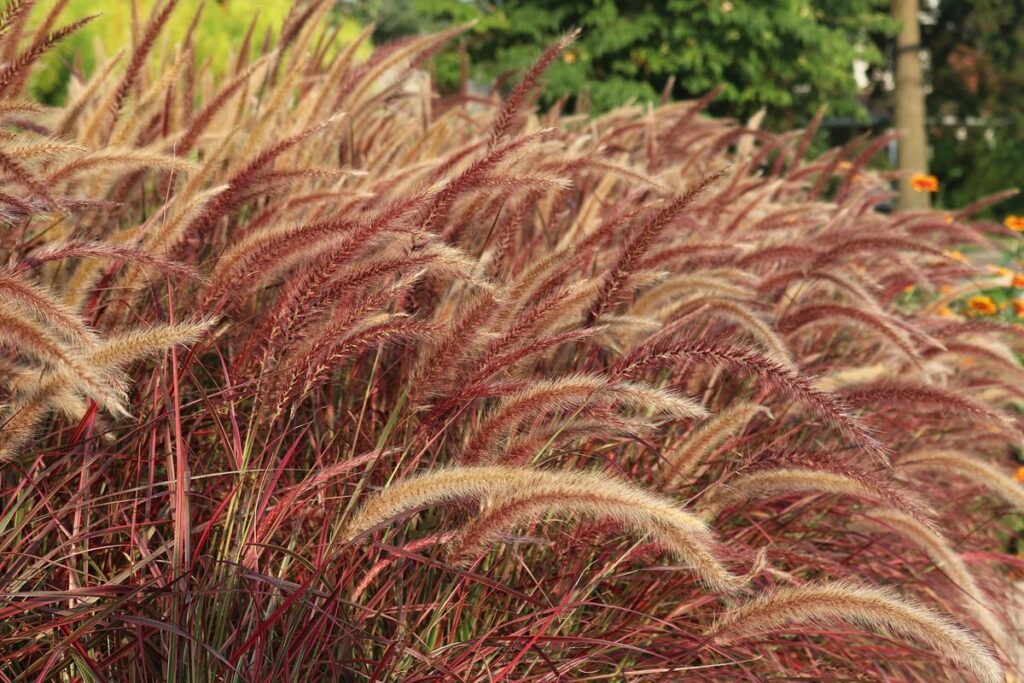
Introduction to Purple Ornamental Grass
If you’re new to ornamental grasses, starting with purple ornamental grass is a great place to begin, as it’s one of the most versatile and striking varieties. In this section, we’ll cover its unique characteristics.
What is Purple Ornamental Grass?
Purple ornamental grass is a stunning and versatile plant that has become increasingly popular among gardeners and landscapers. Native to various parts of the world, including North America, Europe, and Asia, this beautiful grass has been cultivated for centuries for its unique foliage and striking color.
Belonging to the Poaceae family, purple ornamental grass is classified under several species, with some of the most common being Muhlenbergia capillaris, Pennisetum setaceum, and Pennisetum villosum. These species exhibit distinct characteristics that make them ideal for various garden settings, from modern landscapes to traditional gardens.
One of the key features that set purple ornamental grass apart is its vibrant foliage color, ranging from soft lavender hues to deep plum tones. This striking coloration not only adds visual interest but also provides a unique backdrop for other plants and garden elements. With proper care and maintenance, purple ornamental grass can thrive in a variety of conditions, making it an excellent choice for gardeners seeking low-maintenance yet visually stunning additions to their outdoor spaces.
Benefits of Planting Purple Ornamental Grass
When it comes to adding some vibrant color and texture to your garden or landscape design, purple ornamental grass is an excellent choice. Not only does it provide a striking visual appeal, but it also offers numerous benefits that make it a low-maintenance and eco-friendly option.
One of the most significant advantages of planting purple ornamental grass is its exceptional drought tolerance. This means you can save time and resources by watering it less frequently than other plants. In fact, many species of purple ornamental grass can thrive in areas with as little as 10-20 inches of annual rainfall. For example, Purple Fountain Grass (Pennisetum setaceum ‘Rubrum’) is a popular choice for dry climates due to its ability to survive with minimal watering.
In addition to its drought tolerance, purple ornamental grass also attracts wildlife such as birds and butterflies. The delicate plumes and foliage provide a food source and shelter for these creatures, making it an excellent choice for gardeners who want to create a wildlife-friendly space. To encourage even more biodiversity, consider planting a mix of native plants that will attract local pollinators.
By incorporating purple ornamental grass into your landscape design, you’ll not only enjoy its stunning appearance but also reap the benefits of reduced maintenance and increased wildlife attraction.
Types of Purple Ornamental Grass
There are many varieties of purple ornamental grass, each offering unique characteristics and benefits for your garden. In this section, we’ll explore some popular types to help you choose the perfect one.
Muhlenbergia Reeds (Muhlenbergia capillaris)
Muhlenbergia reeds (Muhlenbergia capillaris) are a popular choice for landscaping due to their attractive purple foliage and hardy growth habits. Native to North America, these ornamental grasses thrive in full sun and well-drained soil, making them an ideal addition to gardens with hot climates.
In terms of characteristics, Muhlenbergia reeds typically grow 1-3 feet tall, with a spread of around 12-18 inches. Their purple foliage can range from light lavender to deep plum tones, adding a pop of color to any landscape design. They are also known for their delicate, feathery plumes that emerge in the fall, providing a beautiful contrast to the surrounding environment.
When it comes to growth habits, Muhlenbergia reeds are relatively low-maintenance and drought-tolerant once established. However, they do require regular watering during their first growing season to establish a strong root system. In terms of uses, these ornamental grasses work well as a natural screen or border, adding texture and movement to any landscape design.
Incorporating Muhlenbergia reeds into your garden can be done by planting them in groups for maximum visual impact. They pair particularly well with drought-tolerant plants like succulents and wildflowers, creating a stunning display of color and texture.
Blue Fescue Grass (Festuca glauca)
Blue fescue grass (Festuca glauca) is a popular choice for ornamental landscaping due to its striking blue-gray foliage and ability to thrive in dry conditions. One of the primary benefits of this type of grass is its low maintenance requirements. Blue fescue can tolerate drought and requires infrequent watering, making it an excellent option for water-conscious gardeners.
In addition to its water-saving properties, blue fescue also offers a unique textural element to landscapes. Its dense clumps of fine-textured leaves create a visually appealing contrast with other plants and add depth to gardens. When used in mass plantings or as a border, blue fescue can create a stunning display of color.
However, it’s worth noting that blue fescue may not be the best option for areas with high foot traffic or where soil quality is poor. Its delicate foliage can become damaged if trodden upon excessively, and it prefers well-draining soil to prevent root rot. If you’re considering incorporating blue fescue into your landscape, be sure to choose a location with suitable conditions and provide regular maintenance to keep the plant looking its best.
Planting and Care for Purple Ornamental Grass
When it comes to growing purple ornamental grass, proper planting and care are crucial for its beauty and longevity. In this section, we’ll walk you through the essential steps to keep your purple grass thriving.
Choosing the Right Location
When it comes to planting purple ornamental grass, choosing the right location is crucial for its health and vibrancy. Before selecting a site, consider the sunlight requirements of this beautiful plant. Purple ornamental grass thrives in full sun to partial shade conditions, so ensure that the area receives at least four to six hours of direct sunlight per day.
In terms of soil conditions, purple ornamental grass can tolerate a wide range of soils but prefers well-draining ground. If your site has heavy clay or sandy soil, amend it with organic matter like compost or well-rotted manure to improve drainage and fertility. Also, be mindful of the space constraints around your plant. Purple ornamental grass grows relatively slowly, reaching a height of 2-4 feet in one year, but it can spread out significantly over time.
When selecting a location, consider these factors carefully to ensure your purple ornamental grass receives the right amount of sunlight and has room to grow without becoming crowded or competing with neighboring plants for resources. By choosing the right spot, you’ll be setting your plant up for success and enjoying its stunning beauty for years to come.
Watering and Fertilization Strategies
When it comes to watering and fertilizing your purple ornamental grass, it’s essential to strike the right balance. As you now know, this versatile grass is drought-tolerant, but it still needs regular hydration to thrive.
Here are some tips for effective watering:
* Water your purple ornamental grass when the top inch of soil feels dry to the touch.
* Aim for about 1-2 inches of water per week, either from rainfall or irrigation.
* Avoid overwatering, as this can lead to root rot and other issues. Check your soil regularly to ensure it’s not too moist.
When it comes to fertilization, purple ornamental grass has relatively low nutrient requirements. However, a balanced fertilizer during the growing season (spring-fall) will promote healthy growth. You can use a slow-release fertilizer that provides essential nutrients for 6-8 weeks.
To be more specific, consider using a mix with an N-P-K ratio of 10-10-10 or 20-5-5. This will provide your grass with adequate nitrogen, phosphorus, and potassium without overloading it with excess nutrients.
Landscaping with Purple Ornamental Grass
When it comes to incorporating purple ornamental grass into your outdoor space, landscaping is where its full potential shines through. We’ll explore creative ways to design with this gorgeous foliage.
Design Ideas for Small Gardens
When working with small gardens or containers, it’s essential to choose plants that can thrive in compact spaces while still providing visual interest. Purple ornamental grass is an excellent choice for this type of gardening due to its versatility and striking color. One way to use purple ornamental grass in a small garden is as a focal point. Plant a single statement piece in the center of your container or bed, surrounding it with smaller plants that complement its purple hue.
Consider pairing purple ornamental grass with plants like succulents or low-growing shrubs for a beautiful and harmonious combination. For example, you can surround a small potted purple ornamental grass plant with miniature roses or thyme, creating a lovely contrast between the soft colors of the flowers and the bold color of the grass.
When choosing containers for your purple ornamental grass, select those that are at least 6-8 inches deep to accommodate the grass’s root system. This will ensure healthy growth and prevent the plant from becoming waterlogged.
Incorporating into Large-Scale Designs
When incorporating purple ornamental grass into large-scale designs, consider its unique characteristics to create visually appealing and dynamic spaces. This versatile plant can be grouped with other plants to add texture, color, and movement to a landscape.
One way to use purple ornamental grass is as part of a border design. Plant it alongside low-growing perennials or shrubs that complement its deep plum tones. For instance, pairing it with vibrant flowers like lavender or blue salvias creates a stunning contrast. Alternatively, combine it with plants featuring soft pastels or muted earth tones to create a soothing atmosphere.
Another approach is to use purple ornamental grass as a groundcover. It can thrive in areas where other plants may struggle, such as under trees or in sloping yards. Apply a layer of mulch to help retain moisture and suppress weeds, allowing the grass to spread naturally. With its ability to tolerate drought and heat, it’s an ideal choice for busy homeowners who need low-maintenance groundcover solutions.
Remember that purple ornamental grass grows up to 3 feet tall, so be mindful of its mature height when grouping it with other plants or using as a border element.
Maintenance and Pruning Techniques
To keep your purple ornamental grass looking its best, you’ll need to learn some essential maintenance and pruning techniques that promote healthy growth and vibrant color. Let’s dive into the specifics of caring for this lovely plant.
How to Propagate Purple Ornamental Grass
Propagating purple ornamental grass is a wonderful way to share your existing plant stock with friends and family, or create new ones for your garden. There are several methods to achieve this, including division, seed, and cuttings.
Division is one of the most common methods of propagating purple ornamental grass. To do so, carefully dig up the entire clump in the spring or fall when it’s dormant. Gently separate the individual plants using a sharp knife or spade, making sure each section has at least one growing point. Replant them immediately, and water thoroughly to prevent transplant shock.
Seed propagation is another option, but it can be a longer process as it takes several months for the seeds to germinate and grow into mature plants. Collect seeds from mature flowers in late summer or early fall and sow them indoors 6-8 weeks before the last frost date in your area. Keep the soil consistently moist until they’re about 6 inches tall, then transplant outside.
Cuttings can also be taken from established plants during the growing season. Cut sections of stem, typically around 3-4 inches long, just above a node and remove lower leaves. Dip the cut end into rooting hormone powder or liquid to encourage root development, and plant in a pot filled with a well-draining mix. Water regularly until roots form, usually within 2-3 weeks.
It’s essential to note that purple ornamental grass can be sensitive to over-watering, so make sure not to waterlog the soil when propagating. With proper care, your new plants should thrive and grow into healthy, vibrant specimens in no time.
Winter Care for Purple Ornamental Grass
As winter approaches, it’s essential to prepare your purple ornamental grass for the cold months ahead. Extreme temperatures, wind, and moisture can be detrimental to these beautiful plants, causing damage or even death if not properly cared for.
To protect your purple ornamental grass from extreme cold, start by cutting back the dead foliage to about 3-4 inches from the ground. This will help prevent rotting and encourage new growth in the spring. You can also apply a layer of mulch around the base of the plant to insulate it from freezing temperatures.
In regions prone to heavy snowfall or ice, consider providing additional protection by covering the plant with a breathable cloth or tarp. Make sure to weigh down the coverings to prevent them from being blown away in strong winds. Keep an eye on weather forecasts and remove any protective coverings when warmer temperatures return.
Regularly inspect your purple ornamental grass for signs of winter damage, such as yellowing leaves or brittle stems. If you notice any issues, prune back affected areas to promote healthy growth and prevent the spread of disease. By following these simple steps, you’ll be able to enjoy your vibrant purple ornamental grass for years to come.
Common Pests and Diseases Affecting Purple Ornamental Grass
As you enjoy your beautiful purple ornamental grass, be aware that it’s not immune to common pests and diseases that can damage its foliage and flowers. This section will help you identify and manage these issues effectively.
Identifying and Addressing Common Issues
As you tend to your purple ornamental grass, it’s essential to be aware of common pests and diseases that can impact its health. Rodents, such as mice and rabbits, are known to nibble on the leaves and stems, causing damage and potentially spreading disease.
Insects like aphids, spider mites, and scale insects can also infest your grass, sucking sap and leaving behind sticky honeydew residue. These pests can be difficult to spot, but look for curled or distorted leaves, white powdery patches, or a sticky film on the plant’s surface.
Fungal diseases, like rust and powdery mildew, can appear as yellowing leaves, black spots, or a white cottony coating. Bacterial leaf spot is another common issue, causing small, dark spots to form on the leaves. To manage these problems, inspect your grass regularly for signs of infestation or disease.
If you notice any issues, treat the affected areas with neem oil, insecticidal soap, or fungicides specifically labeled for use on ornamental grasses. For severe infestations or diseases, consider pruning infected areas to prevent further spread and promote healthy growth. By staying vigilant and taking prompt action, you can protect your purple ornamental grass from common pests and diseases.
Integrated Pest Management Strategies
Implementing integrated pest management (IPM) strategies is crucial for maintaining healthy purple ornamental grass populations while minimizing chemical use. This approach involves a holistic understanding of the ecosystem and targets specific pests rather than resorting to broad-spectrum chemicals.
To start, conduct regular inspections to identify pest issues early on. Monitor for signs of infestation such as yellowing leaves, distorted growth patterns, or actual insect sightings. For instance, aphids can be identified by their pear-shaped bodies and waxy secretions on the plant’s surface.
When detecting pests, select targeted control methods that address the issue without harming beneficial insects. For example, neem oil or horticultural oil can effectively manage soft-bodied pests like aphids and whiteflies without harming pollinators or other beneficial insects. Biological controls such as introducing beneficial nematodes to combat grubs are also effective.
By combining these targeted approaches with cultural practices like crop rotation and soil management, you’ll create a balanced ecosystem that promotes plant health while reducing chemical reliance.
Frequently Asked Questions
Can I grow purple ornamental grass in containers?
Yes, you can grow purple ornamental grass in containers, but make sure to choose a large enough pot with good drainage to accommodate the plant’s root system and provide sufficient water retention. Use a well-draining potting mix and fertilize regularly for optimal growth.
How do I prevent pest infestations on my purple ornamental grass?
Yes, regular monitoring and integrated pest management strategies can help prevent pest infestations on your purple ornamental grass. Inspect the plant regularly for signs of pests, such as white powdery patches or tiny moving dots. Use neem oil or insecticidal soap to treat infestations, and consider using physical barriers like fine mesh to prevent aphids and other small insects.
Can I propagate purple ornamental grass through division?
Yes, you can propagate purple ornamental grass through division during the dormant season, typically in late winter or early spring. Dig up the entire clump, gently separate the rhizomes, and replant the divisions in a new location with well-draining soil and full sun to partial shade.
How do I care for my purple ornamental grass during extreme weather conditions?
During extreme heatwaves, water your purple ornamental grass deeply but infrequently to encourage deep root growth. During harsh winters, mulch around the base of the plant to protect it from frost damage and maintain moisture levels. In areas prone to heavy rainfall or flooding, consider planting in raised beds with good drainage.
Can I mix purple ornamental grass with other plants to create a visually appealing landscape design?
Yes, you can combine purple ornamental grass with other drought-tolerant plants like succulents, shrubs, and flowering perennials to create a stunning and low-maintenance landscape design. Consider the mature size of each plant, their growth habits, and color schemes when selecting companion plants to complement your purple ornamental grass.