
Are you tired of the same old green foliage in your garden? Look no further! Purple leaf shrubs are taking over, and for good reason. Not only do they add a pop of color to any landscape, but they also offer numerous benefits like low maintenance care and vibrant year-round interest. But with so many types of purple leaf shrubs available, it can be overwhelming to choose the right one for your space.
In this ultimate guide, we’ll cover everything you need to know about purple leaf shrubs, from popular varieties like the Loropetalum and the Purple Fountain Beech, to essential care tips and troubleshooting common issues. Whether you’re a seasoned gardener or just starting out, this article will provide you with the expertise needed to ensure your purple leaf shrubs thrive in any environment. By the end of it, you’ll be well on your way to creating a stunning and low-maintenance garden that’s sure to impress!
What are Purple Leaf Shrubs?
Let’s start with the basics, so you know exactly what we’re working with: purple leaf shrubs come in a stunning array of shapes and sizes.
Characteristics of Purple Leaf Shrubs
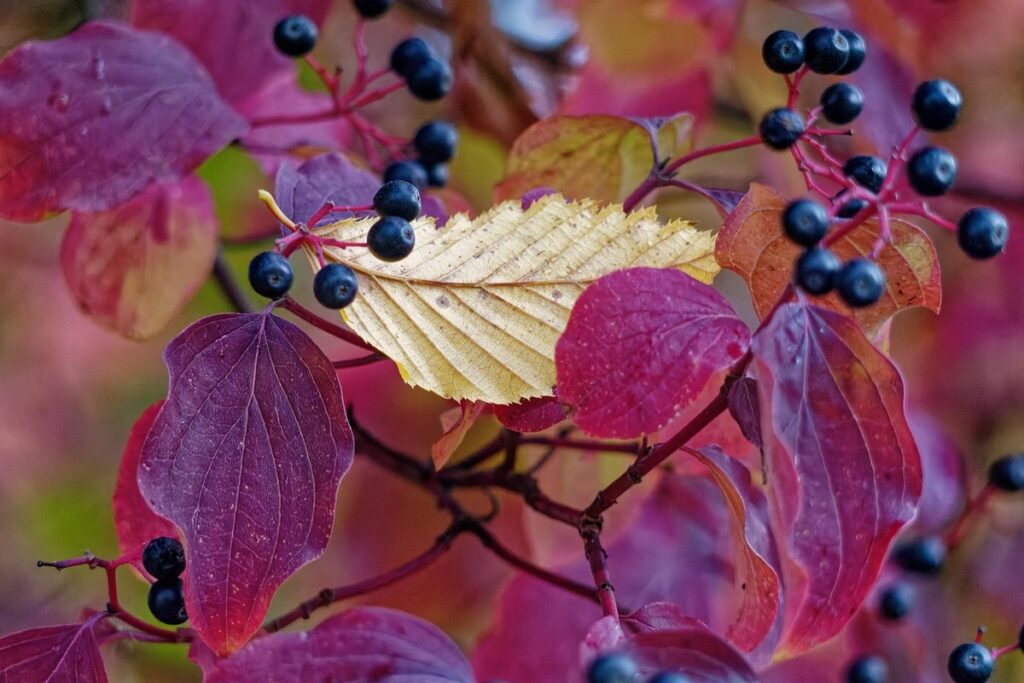
Purple leaf shrubs are characterized by their unique foliage color, growth habits, and hardiness zones. One of the most distinctive features of these plants is their purple-tinged leaves, which can range in shade from deep plum to lavender. This striking coloration makes them a popular choice for gardeners looking to add some visual interest to their outdoor spaces.
In terms of growth habits, purple leaf shrubs can vary significantly. Some species are compact and bushy, growing only a few feet tall, while others can reach heights of 10 feet or more. They often have a dense, full shape that makes them an excellent choice for hedges, borders, or even container gardens.
When it comes to hardiness zones, purple leaf shrubs are generally adaptable to a range of climates and conditions. However, they tend to thrive in USDA zones 5-9, where temperatures remain relatively mild. With proper care and pruning, these shrubs can provide years of beauty and enjoyment for gardeners across the country.
Some popular varieties, such as ‘Royal Purple’ and ‘Purpurea’, are known for their vibrant purple foliage, while others like ‘Crimson Pygmy’ offer more subtle tones. When selecting a purple leaf shrub for your garden, consider factors like mature size, sun requirements, and desired color intensity to ensure the best results.
Types of Purple Leaf Shrubs
When it comes to purple leaf shrubs, you’re not limited to just one type. In fact, there are numerous varieties to choose from, each with its unique characteristics and growth habits. Let’s take a look at some popular species that will add a pop of color and vibrancy to your garden.
Crape Myrtle (Lagerstroemia indica) is a heat-tolerant option that thrives in warm climates. It produces stunning purple flowers in the summer months, making it a favorite among gardeners. Panicle Hydrangea (Hydrangea paniculata), on the other hand, boasts large panicles of delicate purple flowers in late summer. Smokebush (Cotinus coggygria) is another popular choice, known for its wispy smoke-like plumes that add a dramatic flair to any landscape.
If you’re looking for a more compact shrub, consider the Royal Purple Smokebush or the Little Gem Crape Myrtle. Both options offer a smaller profile without sacrificing color and texture. Whether you choose one of these varieties or explore other options, remember to select a purple leaf shrub that suits your climate, soil type, and desired level of maintenance.
Benefits of Planting Purple Leaf Shrubs
When it comes to choosing a low-maintenance shrub, purple leaf varieties offer numerous benefits that can enhance your outdoor space and add beauty to your garden, too!
Aesthetic Appeal
When it comes to enhancing the aesthetic appeal of your landscaping, purple leaf shrubs are an excellent choice. These stunning plants offer a unique and vibrant splash of color that can add depth and visual interest to your outdoor space. The deep, rich tones of their foliage create a beautiful backdrop for a variety of other plants, flowers, and decorative elements.
One of the key benefits of incorporating purple leaf shrubs into your landscaping is their ability to provide year-round interest. Unlike some other plants that may only bloom during specific seasons, purple leaf shrubs retain their stunning coloration even when they’re not in flower. This means you can enjoy their beauty throughout the growing season and beyond.
Incorporating purple leaf shrubs into your landscape design is relatively easy. Consider planting them as a standalone feature or interspersing them among other plants to create a visually appealing mix of textures and colors. When selecting purple leaf shrubs, look for varieties with deep, rich tones that will provide the most dramatic impact in your landscaping. With proper care and maintenance, these beautiful plants can thrive and become a stunning focal point in your outdoor space.
Wildlife Habitat Creation
When it comes to creating wildlife habitat, purple leaf shrubs are an excellent choice for attracting local wildlife such as birds, bees, and butterflies. These shrubs provide a source of food, shelter, and breeding grounds for various species.
Purple leaf shrubs attract pollinators like bees and butterflies with their vibrant flowers that produce nectar-rich blooms. For example, the ‘Purpurea’ variety produces clusters of small, fragrant flowers in shades of pink to purple. By incorporating these shrubs into your garden or landscape design, you can support local bee populations and contribute to their food source.
Birds also benefit from purple leaf shrubs as they provide a haven for nesting and roosting sites. The dense foliage of these shrubs offers protection from harsh weather conditions and predators, making them an ideal choice for birds seeking shelter. By planting multiple varieties of purple leaf shrubs with varying growth habits and sizes, you can create a diverse habitat that supports a range of bird species.
To maximize the wildlife habitat potential of your purple leaf shrubs, consider planting native species that are adapted to your local climate and soil conditions. This will not only attract more wildlife but also reduce maintenance requirements and ensure a healthier ecosystem.
Choosing the Right Purple Leaf Shrub
When selecting a purple leaf shrub, there are several factors to consider to ensure you choose one that fits your specific needs and preferences perfectly. This involves weighing things like growth habits, size requirements, and maintenance levels.
Climate Considerations
When choosing a purple leaf shrub, it’s essential to consider the climate conditions of your area. Purple leaf shrubs are generally hardy plants that can thrive in various climates, but they still have specific needs. To ensure you select a variety that will perform well in your region, let’s break down the different climate zones suitable for these beautiful plants.
In general, purple leaf shrubs prefer temperate to subtropical climates with moderate temperatures and humidity levels. They tend to do poorly in extreme cold or heat. If you live in USDA Hardiness Zones 6-9, you have a wide range of varieties to choose from. For example, the ‘Crimson Royalty’ cultivar is ideal for warmer regions like Zone 8, while the ‘Royal Purple’ variety performs better in cooler climates like Zone 7.
If you’re located in areas with harsh winters or extreme heatwaves, look for shrubs with specific adaptations, such as cold hardiness or drought tolerance. Always check the plant’s label or consult with a local nursery to ensure you choose a variety that can thrive in your unique climate conditions.
Soil and Lighting Requirements
When selecting a purple leaf shrub for your garden, it’s essential to consider the soil and lighting conditions necessary for healthy growth. Purple leaf shrubs generally prefer well-draining soil with a slightly acidic pH between 6.0 and 7.0. Avoid planting in areas with dense clay or sandy soils, as these can cause root rot and poor nutrient uptake.
In terms of lighting, purple leaf shrubs thrive in partial shade to full sun conditions. However, some varieties may be more sensitive to intense sunlight than others. For example, the ‘Royal Purple’ smoke bush prefers partial shade to prevent scorching of its delicate leaves.
To ensure optimal growth, make sure your chosen variety is exposed to at least 4-6 hours of direct sunlight per day. East-facing or north-facing locations work well for purple leaf shrubs, as they provide gentle, indirect light throughout the day.
Remember that these requirements can vary depending on your specific climate and region. Research the specific needs of your chosen variety and take necessary steps to create a suitable environment for it to thrive.
Care and Maintenance Tips
To keep your purple leaf shrubs thriving, regular care and maintenance are essential, which is why we’ve put together some valuable tips to follow. By following these simple steps, you’ll be able to enjoy your beautiful shrubs for years to come.
Watering and Fertilization
Watering and fertilizing are two crucial aspects of maintaining healthy purple leaf shrubs. When it comes to watering, it’s essential to find a balance between overwatering and underwatering. Purple leaf shrubs prefer well-draining soil and can be susceptible to root rot if the soil is too moist for an extended period. Aim to water your shrub when the top 2-3 inches of soil feels dry to the touch, usually once or twice a week depending on weather conditions.
As for fertilization, purple leaf shrubs require a balanced diet of nutrients to maintain their vibrant color and promote healthy growth. You can use a general-purpose fertilizer during the growing season (spring-fall), but make sure to choose a formula with a slightly higher nitrogen content to enhance foliage growth. Alternatively, you can opt for a slow-release fertilizer that provides sustained nutrition over an extended period.
It’s also worth noting that purple leaf shrubs are more sensitive to fertilizers than other shrub species. Be cautious not to overfertilize, as this can damage the roots and potentially harm the plant. A general rule of thumb is to follow the manufacturer’s instructions for application rates and timing.
Pruning and Training
Pruning and training are essential techniques for maintaining the shape of your purple leaf shrub and promoting healthy growth. By pruning regularly, you’ll encourage new shoots to grow, which will keep your shrub full and bushy. However, it’s crucial to prune at the right time – typically in late winter or early spring when the plant is dormant.
When pruning, make clean cuts just above a leaf node using sharp, sterile tools to prevent damage to the plant. Remove any dead, diseased, or damaged branches, cutting them back to about 1-2 inches from the main stem. This will help prevent the spread of disease and encourage new growth. It’s also essential to thin out congested areas to allow air and light to penetrate, promoting healthy foliage.
To maintain a desired shape or promote a specific type of growth, you can use training techniques such as staking or pruning in a way that encourages branching. Regular pruning will help keep your purple leaf shrub looking its best and encourage new growth throughout the year.
Popular Purple Leaf Shrub Varieties
Whether you’re a seasoned gardener or just starting out, let’s explore some of the most popular and stunning purple leaf shrub varieties that’ll add a pop of color to your outdoor space. We’ve got six favorites to share with you!
Crape Myrtle (Lagerstroemia indica)
Crape Myrtle (Lagerstroemia indica) is one of the most popular purple leaf shrubs, prized for its stunning foliage and vibrant summer blooms. Native to Asia, this deciduous shrub has been widely cultivated for decades due to its adaptability and low-maintenance requirements.
When choosing a Crape Myrtle, look for varieties like ‘Muskogee’, ‘Tuskegee’, or ‘Natchez’ that offer deep purple leaves with rich pink or lavender flowers. These plants thrive in USDA zones 6-9, tolerating temperatures as low as -20°F and up to 100°F.
Crape Myrtles prefer well-draining soil and full sun to partial shade. Water them regularly during their first year of growth but reduce watering after establishment. Fertilize annually with a balanced fertilizer for optimal performance.
To keep your Crape Myrtle looking its best, prune it in late winter or early spring to maintain a compact shape. Remove dead branches and cut back new growth by about one-third to promote healthy growth and flowering. With proper care, your Crape Myrtle will become a stunning centerpiece in any landscape, providing beautiful foliage year-round.
Panicle Hydrangea (Hydrangea paniculata)
Panicle Hydrangea (Hydrangea paniculata) is a stunning addition to any garden, offering a unique combination of striking flowers and attractive foliage. This shrub boasts large panicles of white or pink flowers that turn a lovely shade of pink or red as they mature, creating a beautiful display throughout the summer months.
In terms of care requirements, Panicle Hydrangea prefers well-drained soil and full sun to partial shade. It’s also relatively low-maintenance, tolerating drought and requiring minimal pruning. To ensure optimal growth, fertilize your Panicle Hydrangea in the spring with a balanced fertilizer.
One of the key benefits of this shrub is its ability to provide a dramatic splash of color in late summer when many other plants have finished blooming. Its large, conical flowers can reach up to 12 inches long and are a favorite of bees and butterflies. With proper care, Panicle Hydrangea can grow up to 10 feet tall and wide, making it an excellent choice for hedges or specimen planting.
By incorporating Panicle Hydrangea into your garden design, you’ll add a touch of elegance and sophistication while providing a haven for pollinators.
Troubleshooting Common Issues
You’ve planted your purple leaf shrubs, but are facing some unexpected problems? Don’t worry, we’re here to help you troubleshoot common issues and get your garden back on track.
Pests and Diseases
Purple leaf shrubs are generally low-maintenance and easy to care for, but they can be susceptible to certain pests and diseases that can impact their health. One of the most common pests affecting purple leaf shrubs is spider mites, which feed on sap and cause yellowing or bronzing of leaves. To prevent infestations, ensure good air circulation around your plants by keeping them at least 6-8 inches apart.
Another common pest is scale insects, which can also cause damage to the plant’s leaves and stems. Regularly inspect your shrubs for any signs of pests, such as white cottony patches or sticky substance on the leaves. For infestations, treat with insecticidal soap or horticultural oil according to the product’s instructions.
Some common diseases affecting purple leaf shrubs include root rot, leaf spot, and powdery mildew. These can be caused by overwatering, poor drainage, or high humidity. To prevent disease, ensure good air circulation around your plants and avoid watering them in the evening to reduce the risk of fungal growth. Regularly inspect your shrubs for any signs of disease and treat promptly with fungicides if necessary.
Some popular organic treatments include neem oil and garlic spray, which can help control pests and diseases without harming beneficial insects or the environment. Always read and follow product instructions carefully to ensure safe and effective use.
Environmental Stressors
Purple leaf shrubs can be sensitive to environmental stressors, which can impact their health and appearance. One common issue is heat stress, particularly during periods of extreme temperatures. To mitigate this, ensure your purple leaf shrub receives partial shade, especially during the hottest part of the day. Watering deeply but infrequently also helps to encourage deep root growth, making it more resilient to heat.
Drought can be another significant challenge for purple leaf shrubs. Be cautious not to overwater, as this can lead to root rot and other problems. However, consistent moisture is essential during prolonged dry spells. Mulching around the base of the plant retains soil moisture and reduces evaporation.
Nutrient deficiencies can also arise from environmental stressors. If your purple leaf shrub appears pale or wilted, it may be lacking essential nutrients like nitrogen, iron, or magnesium. A balanced fertilizer application can help address these issues. Prune any damaged or dying branches to maintain the plant’s overall health and promote healthy growth.
Adequate soil pH is also crucial for optimal nutrient uptake by your purple leaf shrub. Test your soil regularly and adjust its pH accordingly to ensure it falls within the optimal range of 6.0-7.0.
Frequently Asked Questions
Can I plant purple leaf shrubs in containers?
Yes, many varieties of purple leaf shrubs can thrive in containers, provided they receive adequate sunlight and have well-draining soil mix. Be sure to choose a container that’s at least 12-18 inches deep to accommodate the root system, and use a high-quality potting mix specifically designed for acid-loving plants.
How do I prune my purple leaf shrubs for maximum growth?
Pruning is an essential part of maintaining your purple leaf shrub’s health and appearance. For optimal growth, prune your plant in late winter or early spring, removing any dead or damaged branches, and shaping the plant to maintain its desired form. Be sure to use clean, sharp pruning tools to prevent spreading diseases.
Can I mix different types of purple leaf shrubs together for a unique landscape design?
Mixing different varieties can add visual interest to your garden, but be mindful of their growth habits and hardiness zones. Combine plants with similar growing conditions and prune them regularly to maintain a cohesive look. Loropetalum and Purple Fountain Beech are excellent choices for a mixed planting bed.
How do I protect my purple leaf shrubs from extreme weather conditions?
Purple leaf shrubs can be sensitive to extreme temperatures, wind, and drought. To ensure their survival, provide them with protection during harsh winter months by applying a layer of mulch or using anti-desiccant sprays. Also, make sure they receive regular watering during dry spells.
Can I use purple leaf shrubs as a natural fence or screen?
Yes, many varieties of purple leaf shrubs can serve as a beautiful and functional barrier for your garden. Use them to create a natural hedge or screen by planting multiple specimens close together, pruning regularly to maintain their desired shape and size.