
As the crisp autumn air sets in, you might find yourself with an abundance of pumpkins from your garden or a local patch. But instead of letting them go to waste, why not turn them into nutrient-rich compost for your soil? Composting pumpkins is a game-changer for gardeners and eco-conscious individuals alike. Not only does it reduce waste and minimize your environmental footprint, but it also creates a treasure trove of organic matter that will make your plants thrive. In this article, we’ll dive into the world of pumpkin composting, covering expert tips on methods, benefits, and common challenges. We’ll explore how to create a thriving compost pile using pumpkins as a primary ingredient, and provide you with practical advice on getting the most out of this valuable resource.
What is Pumpkin Compost?
Pumpkin compost is a nutrient-rich soil amendment made from broken-down pumpkin vines and rinds, providing essential minerals for your garden.
We’ll explore what makes this eco-friendly technique so effective.
Definition and History of Pumpkin Compost
Pumpkin compost, also known as pumpkin manure or pumpkin waste management, is a natural and sustainable way to convert kitchen scraps and yard trimmings into nutrient-rich fertilizer. The concept of using pumpkins as a medium for composting has its roots in ancient farming practices, particularly in the Americas where indigenous communities would use pumpkins as a biodegradable and renewable resource.
The idea of pumpkin compost gained significant attention in recent years due to its numerous benefits, including reducing waste disposal costs, increasing crop yields, and promoting soil health. With the growing interest in sustainable living and organic gardening, many gardeners and farmers have started adopting this eco-friendly practice. Pumpkin compost has become an attractive alternative to traditional composting methods, which often require large amounts of carbon-rich materials like leaves or straw.
Today, pumpkin compost is widely recognized as a valuable tool for reducing waste and promoting environmental sustainability.
Importance of Composting with Pumpkins
Using pumpkins in composting is an excellent way to create nutrient-rich soil while reducing waste. One of the main benefits of using pumpkins in composting is that they are high in organic matter and rich in nutrients like nitrogen, phosphorus, and potassium. When you add pumpkin scraps to your compost pile, they break down quickly, releasing these essential nutrients into the soil.
By incorporating pumpkins into your compost, you’ll be creating a soil amendment that’s perfect for improving the structure and fertility of your garden beds. Composting with pumpkins can help reduce waste by diverting organic matter away from landfills and towards the creation of nutrient-dense soil. To get started, simply add pumpkin scraps to your compost pile in moderation – about 20-30% of the total volume.
As an added benefit, using pumpkins in composting can also help attract beneficial microorganisms that break down organic matter even further. This process creates a rich humus that retains moisture and suppresses diseases, making it an excellent natural fertilizer for your garden.
Methods for Making Pumpkin Compost
Now that you have a basic understanding of the benefits, it’s time to dive into the methods for making pumpkin compost at home. We’ll cover two effective approaches: layering and brewing.
Backyard Composting with Pumpkins
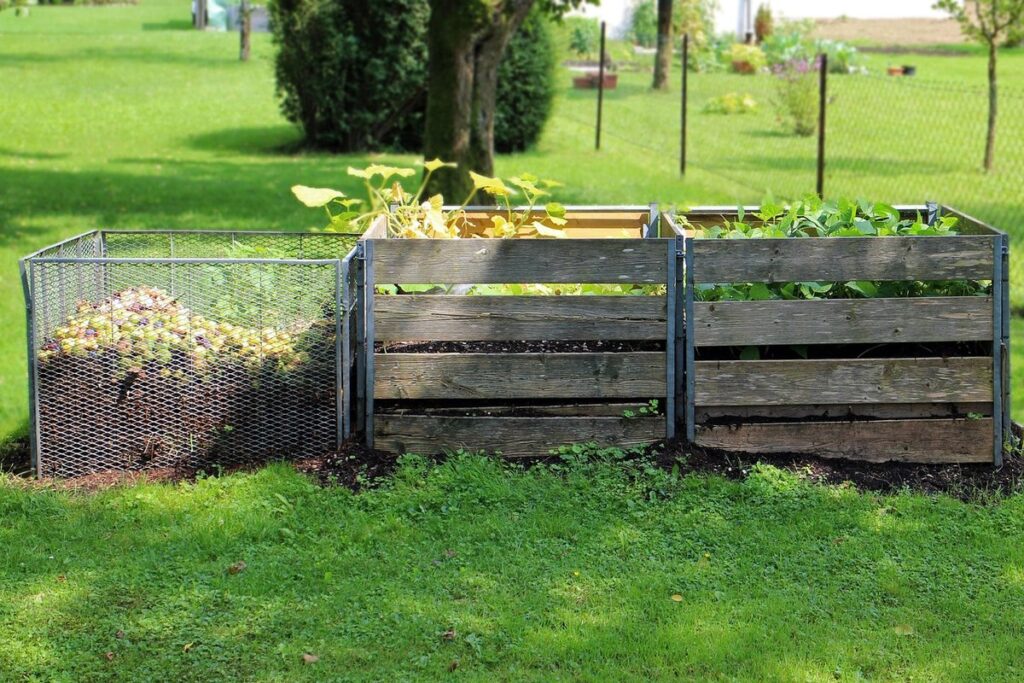
Creating a backyard compost bin is an excellent way to recycle pumpkin scraps and other kitchen waste. To get started, choose a spot with good airflow and accessibility. Then, select a bin that suits your needs – you can opt for a wooden pallet or wire mesh enclosure. Make sure it has drainage holes to prevent waterlogged conditions.
Now, let’s talk about the essential components of composting: carbon-to-nitrogen (C:N) ratios and turning frequency. A balanced mix is crucial; aim for 2/3 “brown” materials (dried leaves, straw, or shredded paper) and 1/3 “green” materials (food scraps, grass clippings). Pumpkin scraps are rich in nitrogen, so add them sparingly to avoid attracting pests.
Turn your compost pile regularly – about once a week during the active decomposition phase. This helps maintain oxygen levels, prevents anaerobic conditions, and speeds up the process. For example, mix in 2-3 cups of finished compost or soil into the bin every 7-10 days to improve structure and nutrient balance.
When adding pumpkin scraps, aim for 5-10% of the total pile composition. Balance this with more carbon-rich materials to maintain the C:N ratio. Remember, patience is key – it can take several months for your compost to mature.
Indoor Composting with Pumpkins
Indoor composting is a great option for urban gardeners who want to reduce their waste and create nutrient-rich soil for their plants. When it comes to incorporating pumpkin waste into indoor composting, there are several methods you can try.
One popular method is worm composting, also known as vermicomposting. This involves maintaining a worm bin in your home or basement where red wiggler worms break down food scraps, including pumpkin flesh and seeds, into a nutrient-rich compost. To set up a worm bin, start by purchasing a plastic bin or container with holes drilled in the bottom for drainage. Add a layer of bedding material such as coconut coir or shredded newspaper, followed by a layer of worms and their food waste.
Another method is bokashi composting, which uses microorganisms to ferment food waste. To incorporate pumpkin into your bokashi compost, add it to the fermentation bin along with other organic materials like fruit and vegetable scraps. The microorganisms will break down the pumpkin and other waste over time, producing a nutrient-rich liquid fertilizer.
In both methods, make sure to balance the C:N ratio by adding carbon-rich materials like coconut coir or shredded newspaper to your worm or bokashi compost bin. This will help speed up the decomposition process and prevent unpleasant odors.
When space is limited in urban areas, consider using compact indoor composting systems or containers specifically designed for worm or bokashi composting. These units can be placed on a balcony or patio, making it easy to compost even in small spaces. By following these methods and incorporating pumpkin waste into your indoor composting routine, you’ll be creating a nutrient-rich soil amendment for your garden while reducing your environmental impact.
Pumpkin Compost Benefits for Gardening
Pumpkin compost is a nutrient-rich soil amendment that can supercharge your garden’s growth, and we’re going to explore its benefits in more detail here. You’ll see how it can boost yields and improve overall plant health.
Soil Enrichment and Structure Improvement
Adding pumpkin compost to your garden soil is one of the most effective ways to improve its structure, drainage, and overall health. As a result, you’ll be providing your plants with the best possible growing conditions. Pumpkin compost contains essential nutrients like nitrogen, phosphorus, and potassium that are released slowly as they break down, promoting balanced nutrient levels.
Balanced nutrient levels are crucial for optimal plant growth. When soil lacks one or more essential nutrients, it can lead to weak roots, stunted growth, and reduced yields. By adding pumpkin compost, you’ll be addressing any nutrient deficiencies in your soil, resulting in healthier plants that are better equipped to resist disease and pests.
To incorporate pumpkin compost into your gardening routine, aim for a mix of 20-30% compost and 70-80% existing soil. Start with small amounts and gradually increase the proportion as you observe improvements in soil structure and plant growth.
Reduced Chemical Use and Increased Yields
When you use pumpkin compost as part of your gardening routine, one of the most significant benefits is reduced chemical use and increased yields over time. A study conducted by the University of California found that incorporating compost into the soil can reduce synthetic fertilizer usage by up to 50% while also increasing crop yields by 20-30%.
This is because pumpkin compost acts as a natural nutrient booster, providing essential micronutrients and minerals to the plants. By using pumpkin compost, you’re essentially giving your plants the perfect mix of nutrients they need to thrive without relying on synthetic fertilizers that can harm the environment.
To get the most out of this benefit, make sure to apply pumpkin compost at the right time – usually before planting or during the growing season. Aim for a 2-3 inch layer of compost spread evenly across the soil surface. As your plants grow and mature, you’ll start to notice an improvement in yields, and with continued use, you can reduce your reliance on synthetic fertilizers altogether.
This not only improves soil health but also enhances biodiversity by reducing the need for chemical-based fertilizers that can harm beneficial microorganisms in the soil.
How to Prepare Pumpkin Scraps for Composting
To create a nutrient-rich pumpkin compost, you’ll want to properly prepare your scraps before adding them to the pile. We’ll walk you through this simple process step by step.
Removing Seeds, Rinds, and Other Inedible Parts
When preparing pumpkin scraps for composting, it’s essential to remove all inedible parts to prevent contamination and ensure a healthy, balanced compost. This includes seeds, rinds, and any moldy or rotten sections. Seeds can be toxic to humans if ingested, and while they’re not directly harmful to microorganisms in the compost pile, they can slow down decomposition.
Rinds are primarily composed of cellulose and lignin, making them difficult for most microbes to break down. Leaving them in the compost can lead to a buildup of carbon-rich materials, potentially causing an imbalance in your pile’s carbon-to-nitrogen ratio. Moldy or rotten sections should be removed immediately as they can harbor pathogens that may harm microorganisms or even contaminate adjacent edible areas.
To prepare pumpkin scraps for composting, simply remove any seeds and rinds, as well as any moldy or rotten sections. Cut the remaining flesh into smaller pieces to increase surface area and facilitate faster decomposition.
Mixing with “Green” Materials for Balance
To balance pumpkin scraps with “green” materials for optimal decomposition, you’ll want to aim for a mix of 2/3 “brown” materials like dried leaves, straw, and shredded newspaper, and 1/3 “green” materials. The latter can include grass clippings, animal manure, or kitchen scraps rich in nitrogen.
Grass clippings, for instance, are an excellent addition to your pumpkin compost pile as they’re high in nitrogen and will help speed up the decomposition process. However, be cautious not to add too many, as this can lead to anaerobic conditions that produce unpleasant odors and hinder microbial activity.
Manure from herbivores like horses or cows is another valuable green material to incorporate into your compost. It’s rich in nutrients and will help create a balanced carbon-to-nitrogen ratio. Just be sure to mix it well with other materials, as its strong odor can overwhelm the pile if left unchecked.
Remember, kitchen scraps are also a great way to add nitrogen-rich “green” materials to your pumpkin compost. Simply shred them before adding to prevent attracting pests and speed up decomposition. By balancing these green materials with brown ones, you’ll create an ideal environment for your pumpkin scraps to break down efficiently and produce rich, nutrient-dense compost.
Common Challenges and Solutions in Pumpkin Composting
As you start composting with pumpkin scraps, it’s essential to be aware of the common challenges that can arise and how to troubleshoot them for a smooth composting process. We’ll explore these obstacles together in this section.
Pest Control and Odor Management
When composting pumpkins, it’s common to encounter two significant challenges: attracting pests and producing unpleasant odors. These issues can be frustrating, especially if you’re new to composting. However, with some simple precautions and practical solutions, you can minimize these problems.
Pests like rodents, raccoons, and flies are attracted to the high nitrogen content in pumpkins. To deter them, consider adding a physical barrier around your compost pile or using repellents containing predator urine or hot peppers. For example, you can sprinkle cayenne pepper around the perimeter of your pumpkin pile to keep pests at bay.
To manage odors, ensure good airflow within your compost pile by turning it regularly and maintaining a mix of “green” (nitrogen-rich) and “brown” (carbon-rich) materials. You can also add a 2-3 inch layer of finished compost or well-rotted manure to absorb excess moisture and neutralize odors. By implementing these measures, you’ll be able to successfully compost pumpkins without the hassle of pests and unpleasant smells.
Troubleshooting pH Levels and Nutrient Imbalances
Monitoring pH levels is crucial to ensure that your pumpkin compost doesn’t harm plants with excessive acidity. A pH level between 6 and 7 is ideal for most plants. However, some plants like blueberries and azaleas require a more acidic environment, while others like carrots and beets prefer a slightly alkaline soil.
To check the pH levels of your pumpkin compost, you can purchase a pH testing kit or send a sample to a lab for analysis. Some common household items can also help indicate if your compost is too acidic, such as burnt smell or slimy texture. If the pH level is too high or too low, it’s essential to adjust it before using the compost.
To balance the pH levels, you can add materials like peat moss, sulfur, or limestone to your pumpkin compost. It’s also crucial to mix in well-rotted organic matter, which helps neutralize acidity and create a stable environment for beneficial microbes.
Conclusion and Next Steps
Now that you’ve learned how to make the most of pumpkin compost, let’s summarize what we’ve covered and discuss your next steps for a greener garden.
Recap of Pumpkin Compost Benefits and Methods
In conclusion, we’ve explored the numerous benefits and methods of using pumpkin compost to enrich your garden. As you may recall from our previous discussions, one of the primary advantages of pumpkin compost is its high nutrient content, which can significantly improve soil fertility and structure. By incorporating this natural fertilizer into your gardening routine, you can expect enhanced plant growth, increased crop yields, and a more resilient ecosystem.
Another key benefit of using pumpkin compost is its ability to suppress weeds and retain moisture in the soil. This is particularly valuable for gardeners who struggle with managing water resources or combating invasive weed species. As we’ve seen through case studies and real-world examples, even small additions of pumpkin compost can have a profound impact on overall soil health.
To reap these benefits, it’s essential to prepare your pumpkin compost correctly. A balanced mix of “green” materials (high in nitrogen) and “brown” materials (high in carbon) is crucial for creating an optimal nutrient profile. Aim to maintain a 2:1 or 3:1 ratio of brown to green materials, and don’t forget to add sufficient bulking agents like straw or shredded leaves.
Incorporating pumpkin compost into your existing gardening practices is simpler than you think. Start by setting aside dedicated space for composting, then begin layering your prepared pumpkin scraps alongside other organic materials. As the mixture breaks down, turn it regularly and allow it to mature for at least three months before using it in your garden beds.
With these simple steps and a commitment to proper preparation, you can unlock the full potential of pumpkin compost and take your gardening endeavors to the next level.
Frequently Asked Questions
Can I use pumpkin seeds and pulp for composting, or should I remove them?
Yes, you can definitely include pumpkin seeds and pulp in your compost pile. In fact, the high oil content in pumpkins will help attract beneficial microorganisms to break down other organic matter more efficiently.
How long does it take for pumpkin compost to be ready for use in my garden?
The time it takes for pumpkin compost to mature depends on various factors such as temperature, moisture levels, and carbon-to-nitrogen ratio. As a general rule of thumb, you can expect your compost to be ready within 3-6 months, but this may vary from batch to batch.
Can I use pumpkin compost in indoor plants, or is it best suited for outdoor gardens?
Pumpkin compost is suitable for both indoor and outdoor use. However, if you plan on using it indoors, make sure the finished product has reached a more mature stage (around 6-9 months) to ensure there are no strong odors or pests present.
How do I balance the carbon-to-nitrogen ratio in my pumpkin compost pile?
To achieve an ideal carbon-to-nitrogen ratio of around 25:1, you can mix your pumpkin scraps with a higher proportion of “brown” materials like dried leaves, straw, or shredded newspaper. This will help absorb excess nitrogen and create a more stable environment for beneficial microorganisms.
Can I add meat, dairy, or oils to my pumpkin compost pile?
No, it’s generally recommended not to add meat, dairy, or oils to your compost pile as they can attract pests, create odors, or even lead to the growth of pathogens. Stick to adding vegetable scraps, yard trimmings, and other carbon-rich materials for optimal results.