
Are you ready to unlock your Weigela’s full potential? Pruning is often overlooked, but trust us, it makes all the difference in promoting healthy growth and vibrant blooms. A well-pruned Weigela is not only more aesthetically pleasing, but it also ensures your plant receives the right amount of sunlight and air circulation. But pruning can be intimidating if you’re new to gardening or haven’t worked with this specific shrub before. In our comprehensive guide, we’ll walk you through the best techniques and tips for pruning Weigela like a pro. From when to prune to how to maintain your plant’s shape, we’ve got you covered. With these expert tips, you’ll be on your way to enjoying stunning blooms and a lush, thriving garden all season long.
Understanding Weigela’s Growth Habits
Understanding how weigela grows and changes is crucial for effective pruning. Let’s dive into its natural habits, so you can tailor your approach to encourage healthy growth and beautiful blooms.
Recognizing When Weigela Needs Pruning
Weigela is a flowering shrub that requires regular pruning to maintain its shape and promote healthy growth. One of the most obvious signs that weigela needs pruning is when it becomes overgrown with long, leggy branches that are no longer compact or bushy. This can make your plant look unkempt and uninviting.
Look for branches that have grown outward at a 45-degree angle or more, which can cause your shrub to lose its natural shape. Check for any broken or damaged branches, as well as those with signs of disease or pests. Remove these branches completely to prevent the spread of disease and encourage new growth.
Regular deadheading is also crucial in promoting vibrant blooms on weigela. By removing spent flowers as soon as they fade, you’re sending a signal to your plant that it needs to produce more blooms. This simple task can be done every week or two during the blooming season, and it’s a great way to keep your shrub looking its best.
Benefits of Regular Pruning for Weigela
Pruning weigela is not just about maintaining its shape, but also about promoting healthy growth and vibrant blooms. By pruning this shrub regularly, you can improve air circulation around the plant, which helps to prevent fungal diseases that thrive in humid environments. In fact, a study found that air circulation reduces the risk of disease by up to 70% in weigela plants.
Regular pruning also enhances the overall appearance of your weigela. When left unpruned, the shrub can become leggy and overgrown, making it look unkempt and unsightly. Pruning encourages new growth, producing bushy stems that are more compact and visually appealing. Additionally, pruning allows you to remove dead or diseased branches, which not only improves the plant’s appearance but also prevents the spread of disease.
By incorporating regular pruning into your weigela care routine, you can enjoy a healthier, more vibrant shrub with an improved air circulation system and enhanced overall appearance.
When to Prune Weigela: Timing is Everything
When pruning weigela, timing is everything to ensure optimal results. Pruning at the right moment can stimulate new growth and encourage healthy development of blooms for next year.
As a general rule, it’s best to prune weigela after they have finished blooming in late spring or early summer. This allows you to remove spent flowers without cutting off any developing buds that will produce next year’s blooms. Cut back about one-third of the branches, focusing on removing deadwood and shaping the plant for a balanced appearance.
However, pruning just after blooming isn’t the only time you can prune weigela. Before new growth begins in late winter or early spring, you can also trim back your weigela to maintain shape and promote healthy growth. This is an excellent opportunity to remove any dead or damaged branches that may be detrimental to the plant’s overall health.
When pruning in the fall or winter, make sure not to prune too heavily, as this can shock the plant and lead to disease or pest problems. Instead, focus on light trimming to maintain shape and encourage new growth.
Preparing Your Tools and Workspace
Before you begin pruning your Weigela, make sure you have all the right tools within arm’s reach to ensure a safe and efficient process. This includes gloves, loppers, and a pair of sharp hand pruners.
Choosing the Right Pruning Tools
When it comes to pruning weigela, having the right tools can make all the difference. You’ll want to invest in a few essential items that will help you tackle this task efficiently and effectively.
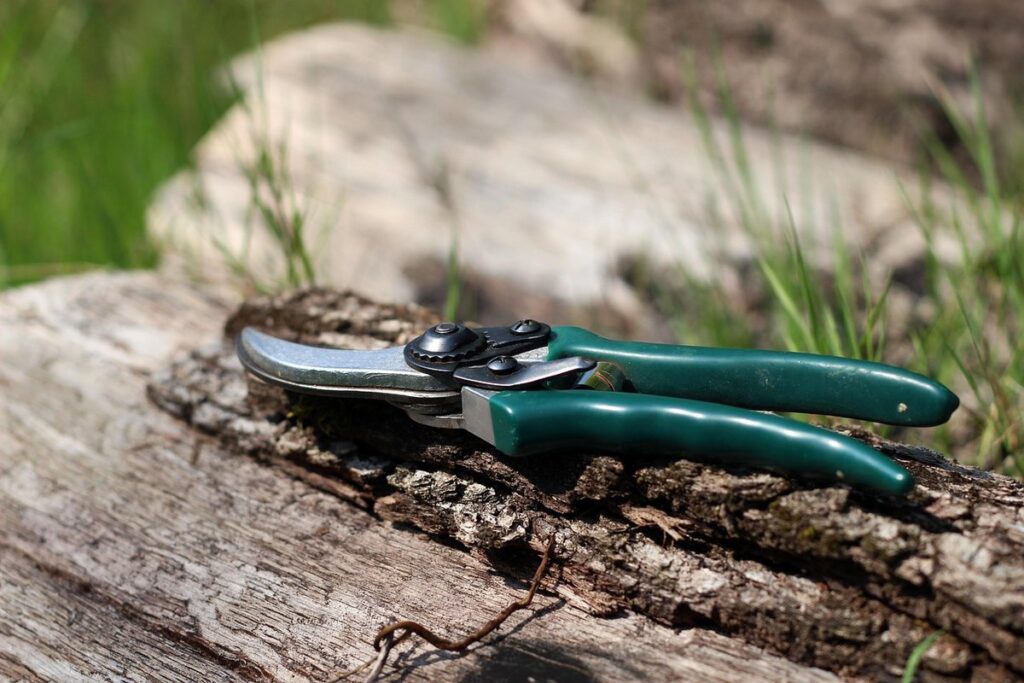
Start with hand pruners, also known as clippers or secateurs. These are perfect for cutting smaller stems and branches, typically up to 1 inch in diameter. Look for high-quality pruners with sharp blades and comfortable grips. A good pair of hand pruners will make it easy to cut through Weigela’s slender stems without straining your hands.
Loppers are another must-have for pruning weigela. These long-handled pruning shears can reach further into the plant, allowing you to tackle thicker branches that may be harder to access with hand pruners. Choose loppers with a sturdy design and sharp cutting edges.
A pruning saw is also a valuable addition to your toolkit. This comes in handy for cutting thicker branches or those with a diameter of over 2 inches. A good pruning saw should have a sharp blade, comfortable handle, and be easy to maneuver through the plant’s dense foliage.
Remember, using dull or poorly maintained tools can lead to torn branches and a poor pruning experience. Make sure to keep your pruning tools clean, dry, and well-sharpened for optimal performance.
Creating a Safe Workspace for Pruning
When pruning weigela, it’s essential to prioritize your safety and well-being. Weigela plants are known for their thorns, which can cause puncture wounds if you’re not careful. To avoid injury, start by clearing the area around your plant of any obstacles that could get in the way or cause tripping hazards.
Next, put on some protective gear. Wear long sleeves, long pants, and gloves to protect your skin from those thorns. Safety goggles or glasses are also a good idea, especially if you’re using power tools. A dust mask can help prevent inhaling any debris that may be kicked up during pruning.
Clearing the area not only helps with physical safety but also prevents damage to nearby plants. Make sure to remove any nearby objects or plants that could get damaged by falling branches or debris. Once you’ve cleared the area and put on your protective gear, you’re ready to begin pruning your weigela plant safely and effectively.
Basic Pruning Techniques for Weigela
To get started, let’s cover the basic pruning techniques that will help you shape and maintain your weigela plant. This includes understanding how to properly prune branches and remove dead wood.
Removing Dead, Diseased, or Damaged Branches
When removing dead, diseased, or damaged branches from your weigela, it’s essential to prioritize the health of the plant. Start by inspecting your shrub carefully, looking for sections that are wilted, discolored, or showing signs of decay. These branches can weaken the overall structure of your weigela and create an environment conducive to disease and pests.
To remove dead or diseased wood, cut it back to a healthy stem or branch using sharp, sterile pruning tools. Make clean cuts just above a bud or growth node, about 1/4 inch from the stem. This will help the plant direct its energy towards new growth rather than trying to repair damaged areas.
Be sure to remove any branches that are rubbing against each other or those that are growing inward, as these can cause damage and create an entry point for disease. Always disinfect your pruning tools between cuts to prevent spreading disease from one area of the shrub to another. By removing dead, diseased, or damaged branches, you’ll help promote healthy growth and encourage vibrant blooms on your weigela.
Shaping and Thinning Weigela for Optimal Growth
When shaping and thinning your weigela, it’s essential to consider its growth habits to promote optimal development. This involves creating a balanced shape that allows for air circulation, which is crucial for preventing disease and encouraging healthy blooms.
To shape your weigela, start by identifying the main branches that will serve as the framework of the plant. Remove any weak or dead wood using pruning shears or loppers. Next, select the longest stem on each section of the plant and cut it back to about one-third to encourage branching. This will help distribute the weight evenly and promote a fuller appearance.
Thinning involves removing some of the smaller branches to increase air circulation within the plant. Remove any weak or spindly growth, as well as any stems that are rubbing against each other. Prune these branches at their base, making clean cuts just above a bud or leaf node. This will allow sunlight to reach all areas of the plant and promote even growth.
Removing about one-third of the smaller branches on your weigela should be sufficient for thinning. This can vary depending on the specific variety you’re working with, so it’s essential to observe its natural growth patterns when deciding how much to prune.
The goal is to create an open, balanced shape that allows sunlight and air to penetrate evenly throughout the plant.
Advanced Pruning Techniques for Specialized Goals
To really get the most out of your weigela’s growth potential, you’ll want to master some advanced pruning techniques that target specific goals. These specialized methods will take your pruning skills to the next level.
Topiary Weigela: Creating Uniform Shapes
To create a topiary shape on your weigela, you’ll need to employ specialized pruning techniques that promote uniform growth and maintain the desired form. Start by selecting a few of the healthiest stems and cutting them back to about one-third from their tips. This will encourage new growth to emerge from these points, allowing you to shape the plant into a more defined form.
As new shoots grow, continue to prune selectively, removing any wayward or weak branches that detract from the overall shape. You can also use twigs and small branches to create a framework for your topiary, weaving them in among the main stems to provide support and structure. Regular maintenance is crucial; every few weeks, gently trim back any stray growth to maintain the defined shape.
Consider using plant clips or stakes to help train new shoots into place, especially during the early stages of development. With patience and regular pruning, your weigela will eventually take on a beautiful, uniform topiary shape that adds a unique touch to your garden or indoor space.
Espalier Weigela: Training for Space Efficiency
Training your weigela into an espalier shape is a fantastic way to maximize space in small gardens or tight areas. Espalier pruning involves training the branches of the plant to grow in a two-dimensional pattern, against a wall or trellis. To achieve this with your weigela, start by selecting a variety that is naturally more compact or has a smaller growth habit.
Once you’ve chosen the right variety, begin by pruning back the main stem of your weigela to about 6-8 inches from the ground. This will encourage new growth and help the plant develop a strong framework for training. Next, prune the lateral branches to promote horizontal growth, securing them to the trellis or wall using wire or twine.
As the seasons progress, continue to prune selectively, removing any weak or spindly growth and encouraging the remaining branches to fill out the espalier shape. By the end of the first growing season, your weigela should have developed a beautiful, space-efficient structure that’s perfect for small gardens. With regular maintenance, this technique will not only save space but also promote healthy growth and vibrant blooms.
Post-Pruning Care and Maintenance
Now that you’ve pruned your weigela, it’s time to focus on post-pruning care, which includes watering, fertilizing, and mulching to promote healthy growth. This section will guide you through these essential steps.
Aftercare for Pruned Weigela: Watering and Fertilizing
After pruning your weigela, it’s crucial to provide the right care to ensure its recovery and promote healthy growth. When it comes to watering, be cautious not to overwater, as this can lead to root rot. Instead, water your weigela deeply but infrequently to encourage a strong root system. Aim to provide about 1-2 inches of water per week, either from rainfall or irrigation.
In the first growing season after pruning, it’s essential to fertilize your weigela regularly. Use a balanced, slow-release fertilizer (10-10-10) to promote healthy growth and blooming. Follow the manufacturer’s instructions for application rates and timing. For example, you can fertilize your weigela in early spring when new growth begins, and again after it finishes blooming in summer.
Some key points to keep in mind are:
* Water deeply but infrequently to encourage a strong root system
* Fertilize with a balanced, slow-release fertilizer (10-10-10) during the first growing season after pruning
* Follow the manufacturer’s instructions for application rates and timing
Mulching and Deadheading for Continued Growth
Mulching around your weigela can make a huge difference in its overall health and appearance. Not only does it help retain moisture in the soil, but it also suppresses weeds that might compete with your plant for water and nutrients. To mulch effectively, start by applying a 2-3 inch layer of organic material such as wood chips or bark around the base of the plant. Keep the mulch a few inches away from the trunk to prevent rot and make sure to replenish it as needed.
Deadheading is another essential care tip that encourages continued blooming on your weigela. When you remove spent blooms, you’re essentially telling the plant to focus its energy on producing new flowers rather than seed production. Simply snip off the faded blooms with a pair of clean scissors or pruning shears, making sure to cut just above a leaf node for the best results. By combining mulching and deadheading, you’ll be amazed at how vibrant your weigela blooms become throughout the growing season.
Conclusion: Tips for Mastering Weigela Pruning
Now that you’ve mastered the basics of pruning weigela, it’s time to put your newfound skills into practice with these expert tips for optimal results. Let’s refine your technique and achieve stunning blooms!
Common Mistakes to Avoid When Pruning Weigela
When pruning weigela, it’s easy to make mistakes that can hinder its growth and flowering. One common error is over-pruning, which involves cutting back too much of the plant at once. This can shock the plant, making it more susceptible to disease and pests. For example, if you prune a mature weigela in late winter or early spring, it may drop all its leaves and fail to produce new growth until summer.
Another mistake is pruning at the wrong time. Pruning during the active growing season (spring-fall) can stimulate new growth, but may not give the plant enough time to recover before winter. On the other hand, pruning in late fall or early winter can cause the plant to push out weak growth that’s susceptible to frost damage.
To avoid these mistakes, prune your weigela in late winter or very early spring, removing only what’s necessary to maintain shape and promote new growth. This will give the plant time to recover before the growing season begins. Remember, it’s better to err on the side of caution and take small cuts than to risk over-pruning your weigela.
Final Thoughts on Nurturing Your Weigela through Regular Pruning
As you’ve progressed through this comprehensive guide on pruning weigela, it’s essential to remember that regular pruning is crucial for maintaining a healthy, thriving plant. By now, you should have gained a solid understanding of the right techniques and timing for pruning your weigela.
To reinforce what you’ve learned, make sure to continue practicing your pruning skills to achieve optimal results with your weigela plants. Regular pruning will not only encourage new growth but also promote vibrant blooms. Don’t be afraid to experiment with different pruning methods and observe how they affect your plant’s overall health and appearance.
Remember to prune your weigela at the right time – during the dormant season or after it finishes blooming. This will help prevent shocking the plant and minimize stress. With consistent practice, you’ll develop a keen eye for identifying areas that need attention, and your weigela will reward you with an abundance of flowers and lush foliage. By following this guide’s principles and continuing to prune regularly, you’ll be well on your way to becoming a weigela pruning master.
Frequently Asked Questions
How often should I prune my Weigela, even after the initial pruning?
Prune your Weigela regularly throughout the growing season to maintain its shape and promote healthy growth. For most varieties, aim for a light pruning every 6-8 weeks during the spring and summer months.
What if I accidentally cut into a branch that’s dead or diseased but not yet visible on the surface?
If you accidentally cut into an unseen dead or diseased branch while pruning, try not to panic! Just clean your tool with soap and water, then disinfect it with a solution of 1 part bleach to 3 parts water before resuming pruning. This will minimize the risk of spreading disease.
How can I prevent Weigela from becoming leggy again after pruning?
To maintain a bushy shape and encourage healthy growth, prune your Weigela at a 45-degree angle, making cuts just above a leaf node (where a branch meets a stem). Remove any dead or damaged wood, but avoid over-pruning, as this can stress the plant.
Can I prune my Weigela in the fall, or should I wait until spring?
While you can prune your Weigela in the fall, it’s generally recommended to do so in late winter or early spring. This allows the plant to focus its energy on producing new growth and blooms for the upcoming season. Pruning in the fall can stimulate new growth that may not have time to harden off before winter.
What if I’m unsure about how much of my Weigela’s foliage to remove during pruning?
A good rule of thumb is to remove only 1/3 to 1/2 of the plant’s foliage at a time. This will allow your Weigela to recover from pruning stress and prevent shocking the plant too severely. Start with small, gentle cuts and gradually work your way up to more extensive pruning as needed.