
Pruning tomatoes is one of those gardening secrets that can make all the difference between a mediocre harvest and a bountiful one. If you’re tired of dealing with tangled vines, poor fruit production, or worse – diseased plants – it’s time to learn the art of pruning like a pro. Not only will this technique help your tomato plants grow stronger and healthier, but it’ll also increase yields and make them more resistant to disease. But timing is everything when it comes to pruning tomatoes, so when should you prune, how often, and what are the best techniques to use? In our ultimate guide, we’ll cover all these questions and more, giving you the confidence to take your tomato gardening to the next level.
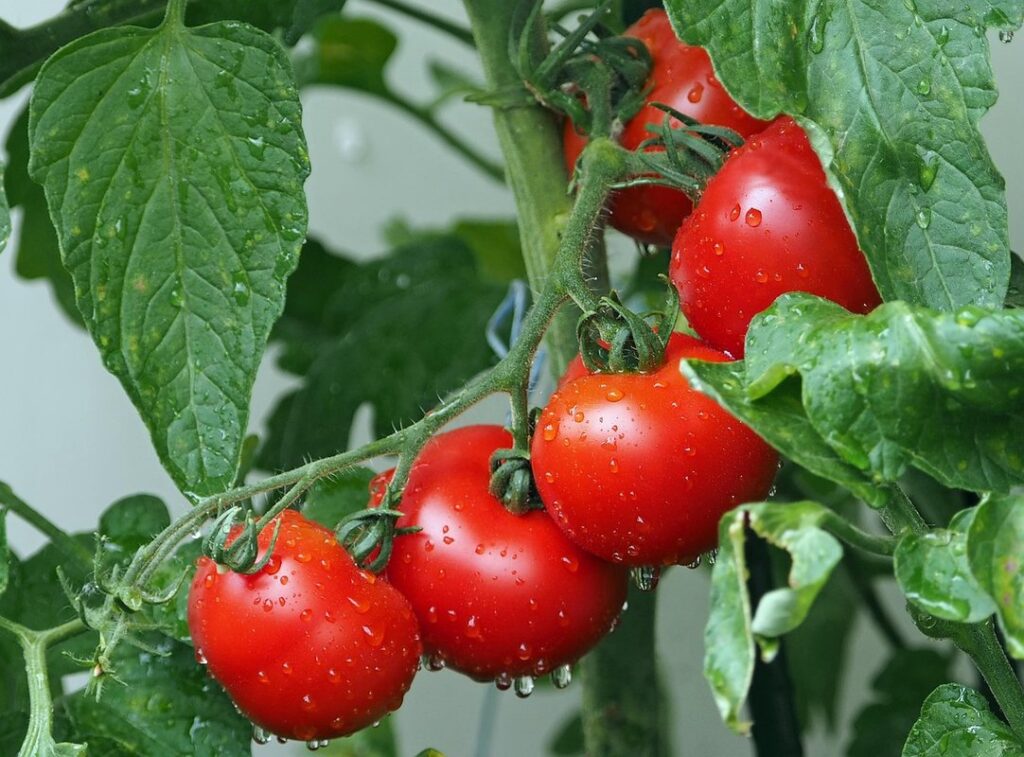
Understanding Tomato Plant Growth
Tomato plant growth is influenced by pruning techniques, and understanding how it works will help you prune your tomatoes effectively. Let’s dive into the details of what drives tomato plant growth.
When to Start Pruning Tomatoes
When it comes to pruning tomatoes, timing is everything. But when exactly should you start pruning those juicy plants? Determining readiness for pruning involves observing signs of maturity and considering the growing conditions.
As a general rule, tomato plants typically require pruning about 2-3 weeks after transplanting or once they reach around 6-8 inches in height. This allows them to establish a strong root system and develop a balanced canopy before you start shaping their growth. In warmer climates with long growing seasons (above 60°F), you may be able to prune your tomatoes slightly earlier, around 1-2 weeks after transplanting.
On the other hand, cooler climates or those with shorter growing seasons require more patience. Delay pruning until the plants have reached at least 12 inches in height and show clear signs of maturity, such as an abundance of new growth and fruit set. Keep in mind that these guidelines are approximate and can vary depending on your specific tomato variety, soil type, and weather conditions.
Why Prune Tomatoes
Pruning tomatoes is an essential technique that many gardeners overlook, but it has numerous benefits for your plants. By pruning tomatoes, you can promote healthy growth, increase fruit production, and prevent disease. When tomato plants are not pruned, they tend to grow leggy and weak, making them more susceptible to pests and diseases.
Proper pruning techniques can encourage bushy growth, which allows the plant to produce more flowers and, consequently, more fruit. Pruning also helps to remove any diseased or damaged leaves, preventing the spread of disease throughout the plant. This is particularly important for indeterminate tomato varieties, which can grow quite large and are more prone to diseases.
Regular pruning can increase your yields by up to 20-30%, making it a worthwhile investment of time and effort in your garden. By pruning tomatoes regularly, you’ll not only improve their overall health but also get the most out of your plant’s potential.
Basic Pruning Techniques
When it comes to pruning tomatoes, mastering a few basic techniques can make all the difference. In this section, we’ll break down the essential methods for trimming and shaping your tomato plants effectively.
Removing Suckers
When pruning tomato plants, it’s essential to focus on removing suckers – those unwanted stems that grow between the main stem and a branch. These suckers not only divert energy from the plant but also create an entry point for disease. To identify suckers, look for thin, weak stems with no fruiting nodes.
To remove suckers effectively, use sharp, clean pruning shears to cut them off just above a leaf node. This will help prevent damage to the surrounding tissue and encourage healthy growth. Alternatively, you can pinch off suckers using your thumb and index finger, taking care not to crush the stem. Remove suckers as soon as they appear, ideally when the plant is around 6-8 inches tall.
Be cautious not to remove too much of the plant’s foliage, as this can lead to sunscald or nutrient deficiencies. Prune only what’s necessary, and make clean cuts to prevent spreading diseases. Regularly removing suckers will direct your tomato plant’s energy towards producing more fruit and promoting a robust, healthy structure. By doing so, you’ll be rewarded with an abundance of juicy tomatoes come harvest time.
Reducing Branches
When growing indeterminate tomato varieties, it’s essential to regularly reduce branches to maintain a balanced canopy and promote air circulation. This process is crucial for healthy plant development, as overgrowth can lead to disease susceptibility and reduced fruit production.
To start reducing branches, select the strongest growth from the base of the plant and remove any weak or spindly shoots. Cut back these branches about 6-8 inches above a leaf node using sharp, clean pruning tools. Make sure your cuts are at an angle, following the natural direction of the stem. This will help water run off and prevent fungal diseases.
Reduce lateral growth by trimming off tips to encourage bushy growth. For example, if you have two main branches on either side of the plant, trim the tip of each one back about 1-2 inches. This will direct energy towards fruit production rather than excessive leaf growth.
Regularly inspect your plants for dead or damaged wood and remove these sections completely. By maintaining a balanced canopy through regular pruning, you’ll be creating an environment that promotes healthy growth and robust fruiting.
Advanced Pruning Strategies
As you refine your pruning techniques, advanced strategies can help you optimize growth, promote fruiting, and reduce disease susceptibility in your tomato plants. We’ll dive into these expert methods now.
Top-Pruning
When it comes to pruning tomatoes, top-pruning is a game-changer for determinate varieties. This technique involves removing the lower leaves and weak growth from the top of the plant, promoting a more balanced structure and encouraging upward growth.
By top-pruning, you’ll be amazed at how much your tomato yields increase. For instance, research has shown that topping determinate plants can boost fruit production by up to 20%. This is because removing the lower leaves allows for better air circulation and sunlight penetration, which in turn promotes healthy fruit growth.
To try this technique yourself, simply remove all but two or three sets of leaves from the top 6-8 inches of your determinate plant. Be sure to leave any lateral shoots intact, as these will continue to produce new growth and fruits. Regular pruning throughout the season will also help control pests and diseases, making it easier to maintain a healthy and thriving tomato crop. With its benefits in terms of yield and plant structure, top-pruning is an essential skill for any serious gardener to master.
Tip-Pruning
Tip-pruning is a technique that involves removing the tips of branches to control vegetative growth and direct energy towards fruiting. By doing so, you’re essentially telling the plant where to focus its energy – on producing more flowers and fruits rather than just growing leaves.
When to tip-prune your tomato plants depends on their stage of development. If your seedlings are still young, wait until they have at least two sets of true leaves before starting the process. For established plants, consider removing tips during the early stages of fruiting, when you notice a shift in energy towards vegetative growth.
To tip-prune effectively, snip off about one-third to half of the terminal bud on each main stem and lateral branches using clean, sharp scissors or pruning shears. Make sure your cuts are at a 45-degree angle, just above a node (where a leaf meets the stem). This will encourage new growth from the nodes below the cut, promoting bushy growth and more fruiting sites.
Tip-pruning can be done throughout the growing season to maintain optimal balance between vegetative and reproductive growth.
Pruning for Different Tomato Varieties
When it comes to pruning tomatoes, not all varieties require the same approach – some benefit from more aggressive pruning than others. Let’s dive into the specific needs of popular tomato types.
Determinate vs. Indeterminate Tomatoes
When it comes to pruning tomatoes, understanding the difference between determinate and indeterminate varieties is crucial. Determinate tomatoes are compact, bushy plants that grow to a certain height and then stop, producing all their fruit at once. Indeterminate tomatoes, on the other hand, are vining plants that continue to grow and produce fruit throughout the season.
When pruning determinate tomatoes, focus on maintaining shape and promoting even growth. Remove any weak or spindly branches, but avoid over-pruning, as this can reduce yields. For indeterminate varieties, prune more extensively to encourage horizontal growth and prevent the plant from becoming too leggy. This involves removing lower leaves to promote air circulation and prevent disease.
Some key considerations for each type are:
* Determinate tomatoes: Prune less frequently to maintain a bushy shape
* Indeterminate tomatoes: Prune regularly to control height and promote even fruiting
By understanding these differences, you can tailor your pruning techniques to suit the specific needs of your tomato plants.
Cherry and Patio Tomatoes
When it comes to compact or dwarf tomato varieties like Cherry and Patio Tomatoes, pruning requires a bit more finesse. These smaller plants have unique growth habits that need to be respected when shaping their structure.
Cherry Tomatoes, for instance, are bred specifically for their high yield of small fruits, often produced on indeterminate vines. To maximize fruiting, prune these plants lightly, focusing on removing lower leaves and weak growth to encourage a bushy shape and promote air circulation around the fruit zone. This helps prevent disease and encourages even ripening.
Patio Tomatoes, another compact variety, benefit from pruning similar to Cherry Tomatoes but require more support due to their determinate growth habit. Provide these plants with a trellis or cage and prune them back by one-third to half when planted to direct energy towards fruiting rather than vegetative growth. Be cautious not to over-prune, as this can stress the plant and reduce overall production.
Common Mistakes to Avoid
When pruning tomatoes, it’s easy to get things wrong and end up harming your plants. This section will highlight key mistakes to watch out for when cutting back your tomato vines.
Over-Pruning
Over-pruning is one of the most common mistakes gardeners make when it comes to pruning tomatoes. It’s essential to understand that less is often more when it comes to pruning, as excessive removal of leaves and stems can lead to reduced fruit production and increased susceptibility to disease.
When you over-prune your tomato plants, they become stressed, which can cause them to focus their energy on producing new growth rather than fruit. This not only reduces the overall yield but also makes the plant more vulnerable to pests and diseases that thrive in weakened conditions. For instance, a study by the University of California found that pruning tomatoes too heavily resulted in a 20% reduction in fruit production.
To avoid over-pruning, focus on removing only the weak or damaged growth from your tomato plants. This will help maintain their overall health without compromising their ability to produce fruit. A good rule of thumb is to prune no more than one-third of the plant’s total foliage at any given time. By pruning judiciously and allowing your tomatoes to develop a strong, balanced structure, you can enjoy a bountiful harvest while keeping your plants healthy and resilient.
Under-Pruning
Under-pruning can be just as detrimental to your tomato plants as over-pruning. When you don’t prune enough, you’re essentially letting the plant grow unchecked, which can lead to weak and leggy stems. This type of growth can compromise yields and overall plant health.
Think of it like a tree: if you don’t prune its branches, they’ll just keep growing in every direction, without any structure or support. Eventually, this can cause the tree to become top-heavy and vulnerable to breakage. Similarly, an unchecked tomato plant will focus its energy on producing more and more foliage, rather than fruit.
As a result, you might end up with a plant that’s producing fewer tomatoes overall, even if each individual fruit is larger. This can be especially true for determinate varieties, which are bred to produce all their fruit at once. By pruning regularly, you’ll encourage bushy growth and promote the plant to direct its energy towards producing more fruit.
Conclusion: Pruning for Success
Now that you’ve mastered the techniques and timing of pruning your tomato plants, let’s summarize the key takeaways to ensure a bountiful harvest. Pruning for success requires attention to detail and a few simple principles.
Recap of Key Takeaways
To successfully cultivate a bountiful tomato harvest, regular pruning is crucial. Throughout this comprehensive guide, we’ve emphasized the significance of understanding when and how to prune tomatoes effectively.
Firstly, it’s essential to recognize that pruning tomatoes is not merely about removing unwanted growth but also about promoting healthy development and maximizing yields. By strategically pruning your tomato plants at different stages of growth, you can enhance their overall structure, increase fruit production, and even reduce the risk of diseases.
Key takeaways from our guide include:
* Prune seedlings within a week or two after transplanting to encourage bushy growth and prevent legginess.
* Remove lower leaves to prevent soil-borne diseases from reaching the plant’s crown and promote better air circulation.
* Thin fruit on indeterminate varieties to optimize sunlight penetration, reduce congestion, and allow for more even ripening.
* Trim back side shoots to direct energy towards fruiting rather than foliage growth.
To reinforce these points, consider this analogy: pruning tomatoes is like editing a manuscript. Just as an editor removes unnecessary words to clarify the author’s message, you’re pruning away non-essential growth to reveal the plant’s full potential.
Incorporating regular pruning into your tomato care routine will significantly impact the health and productivity of your plants. By being diligent about removing unwanted growth and promoting healthy development, you’ll be well on your way to enjoying a bountiful tomato harvest that meets or exceeds your expectations.
Frequently Asked Questions
How Often Should I Prune My Tomato Plants for Optimal Growth?
Pruning frequency depends on the growth stage of your tomato plants. For the first few weeks, focus on establishing a strong root system and balanced canopy through minimal pruning (about every 2-3 weeks). As the plant grows, prune more frequently (every week or two) to maintain its shape and encourage fruiting.
What Are the Key Signs of Over-Pruning in Tomato Plants?
Over-pruning can lead to reduced yields and weakened plants. Look out for signs such as: excessive leaf loss, sparse foliage, and a lack of new growth. If you notice any of these symptoms, reduce your pruning frequency or adjust your technique to avoid cutting too many leaves or stems.
Can I Prune My Indeterminate Tomato Plants in the Same Way as Determinate Ones?
While indeterminate tomato plants share some similarities with determinate ones, their pruning needs differ due to their vining growth habit. For optimal fruiting and structure, prune indeterminate tomatoes more frequently (about every 1-2 weeks) than determinate varieties, focusing on shaping their main stem and removing weak growth.
How Do I Know If My Tomato Plant is Ready for Top-Pruning?
Before top-pruning your tomato plant, ensure it has reached a height of around 6-8 feet (1.8-2.4 meters). This allows you to remove the weakest branches and promote vertical growth without compromising fruit production.
Can Pruning Help Improve Tomato Plant Resistance to Diseases?
Yes, pruning can help reduce disease pressure on your tomato plants by removing diseased leaves or stems before they spread infection. Regularly inspect your plants for signs of disease and prune accordingly to prevent further damage.