
Pruning your tomato plants can be a daunting task, especially if you’re new to gardening. But did you know that pruning is one of the most effective ways to boost your tomato yield? By learning how to prune tomatoes for maximum yield, you’ll not only increase the number of fruits on your plant but also promote healthy growth and prevent disease.
In this comprehensive guide, we’ll take you through the world of tomato pruning, explaining what happens during plant growth and why pruning is essential for optimal fruit production. You’ll learn techniques for pruning different types of tomatoes, including indeterminate and determinate varieties. With our expert advice, you’ll be able to master the art of pruning and enjoy a bountiful harvest, maximizing your yield and enjoying the fruits of your labor – literally!
Understanding Tomato Plant Growth and Why Pruning Matters
As you tend to your tomato plants, it’s essential to grasp how they grow and why pruning is crucial for optimal yields, as well as its impact on plant health. Let’s dive into the world of tomato growth habits.
How Tomatoes Grow and Produce Fruit
A tomato plant is essentially a fruit-bearing vine that consists of several key parts, including the stem, leaves, roots, and flowers. The stem supports the entire plant, while the leaves are responsible for photosynthesis, which fuels growth and development. The roots anchor the plant firmly in the soil and absorb essential nutrients and water.
To produce fruit, tomato plants require a complex process that involves pollination, fertilization, and ripening. Flowers on the plant are self-pollinating, but they often require some assistance from external agents, such as bees or butterflies. After successful pollination and fertilization, the flowers develop into green fruits that gradually ripen to their characteristic red color.
Pruning is a crucial process that helps optimize this fruit-bearing capacity by promoting healthy growth, encouraging bushy development, and directing plant energy towards fruit production. Proper pruning techniques involve removing weak and spindly branches, encouraging lateral growth, and allowing for adequate sunlight penetration. By prunning tomatoes regularly, growers can ensure maximum yields and improve overall fruit quality. This process is most effective when done in conjunction with other cultivation practices like watering, fertilizing, and pest management.
The Importance of Pruning in Tomato Production
When you prune your tomato plants, you’re not just tidying up their appearance – you’re also giving them a boost to produce more fruit. One of the primary benefits of pruning tomatoes is increased yields. By removing weak and spindly growth, you allow your plant’s energy to focus on developing stronger, healthier fruit.
Proper air circulation is another essential benefit of pruning. When plants are overcrowded or have a dense canopy, it creates an environment where diseases like fungal infections thrive. Pruning helps maintain space between leaves and promotes airflow, which reduces the likelihood of disease susceptibility. This is especially crucial for tomato plants, as they’re susceptible to issues like powdery mildew.
To reap these benefits, prune your tomatoes when they have around 12-18 inches of growth. Remove any weak or spindly stems, as well as suckers (shoots that grow between the main stem and a branch). This will direct more energy toward fruit production and keep your plant healthy.
Pre-Pruning Preparation: Assessing Your Tomato Plants
Before you start pruning, it’s essential to assess your tomato plants’ growth and identify any potential issues that may impact their yield. Take a close look at your plants to determine their overall health and readiness for pruning.
Evaluating Plant Health and Stress Levels
Evaluating plant health and stress levels is crucial before pruning your tomato plants to ensure you’re making the right cuts for maximum yield. Start by inspecting your plants for signs of stress, such as yellowing leaves, droopy stems, or an uneven canopy.
Look out for pests like aphids, whiteflies, or hornworms that can weaken your plant and reduce fruit production. Check the soil moisture level to avoid waterlogged conditions that can lead to root rot. Make sure your plants are receiving adequate sunlight – tomato plants need at least six hours of direct sunlight per day.
Check for nutrient deficiencies by looking for discolored leaves or stunted growth. Tomatoes require a balanced diet of nitrogen, phosphorus, and potassium to thrive. Consider getting a soil test to determine the optimal fertilizer application.
If you notice any issues, address them before pruning to prevent further stress on your plant. Prune only what’s necessary to promote healthy growth and maximize yield. Remove weak or diseased branches, and cut back overgrown stems to encourage bushy growth and increased fruiting.
Choosing the Right Tools for Pruning
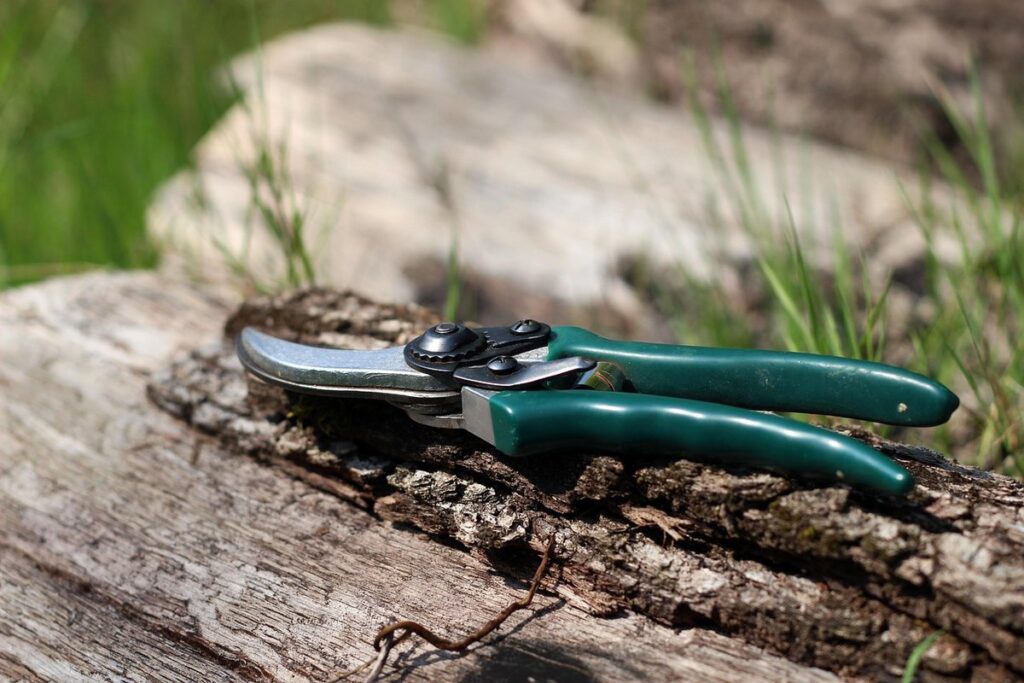
When it comes to pruning tomatoes, having the right tools can make all the difference. The type of tool you choose will depend on the size and thickness of the branches you need to prune. For smaller stems and delicate flowers, hand pruners are usually sufficient. These versatile tools come in various sizes and types, such as bypass or anvil pruners.
For thicker branches, loppers are a better option. They offer more leverage and can cut through woody material with ease. Secateurs, also known as pruning shears, are similar to hand prunners but have longer handles and are designed for heavier-duty use. These tools typically have a curved blade that allows for easy access to hard-to-reach areas.
When selecting the right tool, consider the specific needs of your tomato plants. For example, if you’re dealing with particularly thick branches, loppers may be the best choice. But for more precise work or delicate pruning, hand pruners are usually the way to go.
The Pruning Process: Techniques and Best Practices
Now that you know why pruning is essential for a bountiful harvest, let’s dive into the techniques and best practices for effectively pruning your tomato plants.
Removing Suckers and Side Shoots
When it comes to pruning tomatoes, one of the most important techniques is removing suckers and side shoots. These unwanted growths can divert energy away from fruit production, reducing yields and affecting overall plant health.
Identify suckers as they emerge by looking for small leaves or shoots growing between the main stem and a branch or leaf node. They often look like tiny seedlings and can be removed at any time during the growing season. To remove a sucker, simply pinch or cut it off just above a node using clean pruning shears.
Side shoots are similar to suckers but grow from the top of the plant where a branch meets the main stem. They can also be removed by pinching or cutting them off just above a node. This will encourage the plant to focus its energy on producing fruit rather than developing new growth. Remember, removing these unwanted growths will not harm your tomato plants but will actually promote healthier and more productive growth.
Reducing Branches and Promoting Air Circulation
When pruning tomatoes, reducing branch length and promoting air circulation are essential techniques to maximize yield. Reducing long branches not only improves fruit quality but also directs the plant’s energy towards producing more fruit.
One method to achieve this is by tipping or pinching off the tips of the longest stems. This technique encourages branching, which allows for a greater surface area for fruiting and promotes air circulation within the canopy. By removing 1-2 inches from the tip of the stem, you stimulate the plant to grow new lateral shoots that will eventually produce more flowers and fruits.
To further promote horizontal growth and increase air circulation, prune your tomato plants to maintain an open center system. Remove any weak or spindly growths that are competing with the main stems for resources. This simple yet effective technique helps to reduce disease susceptibility and promotes better fruiting by allowing light and air to penetrate deeper into the plant canopy.
By implementing these pruning techniques, you’ll not only improve your tomato plants’ structure but also boost their overall productivity. Remember to prune regularly throughout the growing season to maintain a healthy balance between vegetative growth and fruit production.
Pruning for Specific Tomato Types: Variations in Approach
Different tomato varieties require unique pruning approaches, so it’s essential to understand how to tailor your technique to specific types, like cherry tomatoes and indeterminate vines.
Determinate vs. Indeterminate Tomatoes
When it comes to pruning tomatoes, understanding the unique growth habits of determinate and indeterminate varieties is crucial for maximizing yield. Determinate (bush) tomatoes, on the other hand, have a more compact and bushy growth habit, with a predetermined number of stems that grow from a central point.
These plants produce fruit all at once, so pruning should focus on promoting air circulation and preventing disease, rather than encouraging new growth. Simply remove any weak or spindly growth to encourage the plant’s energy to focus on producing fruit. For example, if you’re growing ‘Patio’ or ‘Tiny Tim’, two popular determinate varieties, remove any leaves that are touching the soil to prevent fungal diseases from taking hold.
Indeterminate (vining) tomatoes, like ‘Brandywine’ and ‘Cherokee Purple’, will continue to grow and produce fruit throughout the season. For these plants, pruning should focus on promoting a strong, balanced structure that can support the weight of heavy fruit. Remove any weak or spindly growth, but also encourage new growth by pinching off the tips of long stems. This will help promote branching and increase overall yield.
Other Specialized Tomato Varieties
Cherry and patio tomatoes are two popular varieties that require specialized pruning techniques to maximize their yield. These compact plants produce an abundance of small fruit, making them ideal for containers and small gardens. When pruning cherry and patio tomatoes, it’s essential to focus on promoting a bushy shape with plenty of lateral growth.
For cherry tomatoes, prune the tips of the main stem when they reach about 12-18 inches tall. This will encourage the plant to branch out and produce more fruiting sides. Remove any weak or spindly growth to prevent the plant from becoming leggy. Regularly pinch off the top sets of leaves on each stem to direct the plant’s energy towards producing more fruit.
When it comes to patio tomatoes, which are often determinate varieties, prune them more aggressively to encourage a compact shape. Remove about one-third of the foliage when planting, and continue to thin out the plant as needed to promote air circulation and sunlight penetration. By pruning these specialty tomato varieties correctly, you can enjoy an abundance of delicious fruit throughout the growing season.
Post-Pruning Care: Maximizing Results
Now that you’ve pruned your tomatoes, it’s essential to provide them with the right conditions for optimal growth and maximum yield in the days leading up to harvest. Proper post-pruning care can make a huge difference in your results.
Watering and Fertilization Strategies
After pruning your tomato plants, it’s essential to focus on providing them with optimal care to maximize their yield. When it comes to watering, remember that overwatering is just as detrimental as underwatering. A good rule of thumb is to water your tomatoes when the top 2-3 inches of soil feels dry to the touch.
To establish a consistent watering schedule, consider monitoring the weather and adjusting your watering days accordingly. For example, if you live in an area with high temperatures or intense sunlight, you may need to water every other day. On the other hand, if it’s been raining regularly, you can space out your watering sessions further apart.
In terms of fertilization, aim for a balanced diet that includes a mix of nitrogen, phosphorus, and potassium (NPK) fertilizers. A general-purpose 10-10-10 NPK fertilizer is an excellent starting point. However, keep in mind that your tomato plants will require more nutrients as they produce fruit, so you may need to supplement with additional fertilizers like calcium and magnesium to prevent blossom-end rot.
Monitoring for Pests and Diseases
As you’ve worked hard to prune your tomato plants, it’s essential to monitor them for common pests and diseases that can significantly impact their health. Regular checks will allow you to catch issues early on and prevent them from spreading.
Some of the most common pests that target pruned tomato plants include aphids, whiteflies, and hornworms. These tiny insects can cause significant damage by sucking sap from leaves or eating away at fruit. To manage these pests, use neem oil or insecticidal soap to control infestations. Encourage beneficial insects like ladybugs and lacewings, which prey on common tomato pests.
Diseases such as powdery mildew, fusarium wilt, and septoria leaf spot can also harm your pruned plants. These diseases often thrive in warm temperatures, high humidity, or poor air circulation. To prevent disease outbreaks, ensure that plants receive adequate spacing for airflow, prune leaves to improve light penetration, and water at soil level rather than overhead.
Keep an eye out for early warning signs like yellowing leaves, black spots, or powdery patches on the surface of leaves. Catching issues promptly will allow you to implement targeted treatments before they become more severe problems.
Advanced Pruning Techniques: Experimenting with Different Approaches
Now that you’ve mastered the basics of pruning, it’s time to take your skills to the next level by experimenting with unique and advanced techniques that will boost your tomato yields even further.
Espalier and Trellising Methods
When it comes to maximizing space and promoting better fruiting in your tomato plants, advanced pruning techniques like espalier and trellising are essential. These methods allow you to train your tomatoes to grow up a support system, making the most of vertical space and keeping the fruits closer together.
Espalier involves training your plant to grow along a flat plane or wall, using wire or stakes to provide support. This method is particularly useful for small gardens where space is limited. By growing your tomatoes against a wall or fence, you can create a hedge-like structure that maximizes yield and keeps pests away. For example, in a narrow garden bed, espaliered tomato plants can be trained to grow along the length of the bed, allowing for up to 6-8 fruiting stems per plant.
Trellising is another effective method that allows your tomatoes to grow up a vertical support system. This can be achieved using trellises, arbors, or even a simple wooden fence post. By providing a framework for the plant to climb on, you encourage the growth of more fruiting stems and promote better air circulation around the plants.
Tips for Pruning Large or Mature Plants
When dealing with larger or more established tomato plants, pruning can be a delicate process. These plants have developed a complex root system and may be more sensitive to shock and stress caused by aggressive pruning.
To minimize the risk of stressing your plant, prune only what is necessary to promote healthy growth and air circulation. Avoid removing too much foliage at once, as this can cause the plant to become shocked and potentially lead to disease or pest issues. Instead, focus on removing lower-growing branches and any suckers that are competing with the main stem for resources.
Consider pruning in stages, allowing your plant time to recover between each session. This will also give you a better understanding of how your plant responds to pruning, enabling you to make adjustments as needed. Remember that patience is key when working with mature plants, as they require more TLC than younger varieties.
Frequently Asked Questions
Can I still prune my tomato plants if they’re already producing fruit?
Yes, you can definitely prune your tomato plants while they’re producing fruit. In fact, pruning during the mid-season is crucial for promoting healthy growth and increasing yields. Focus on removing weak or spindly growth to direct energy towards fruit production.
What are some common mistakes beginners make when pruning their tomato plants?
One of the most common mistakes is over-pruning, which can shock the plant and lead to reduced yields. Another mistake is not identifying the correct growth habits of your specific tomato variety, leading to incorrect pruning techniques. To avoid these mistakes, carefully read through our guide on understanding tomato growth habits.
How often should I water my tomato plants after pruning?
Watering after pruning is crucial for promoting healthy recovery and preventing shock. Water your plant thoroughly 1-2 days before pruning, and then provide a gentle soaking immediately after pruning. For the next few weeks, maintain consistent moisture levels to encourage new growth and fruit production.
Can I use regular household scissors or pruning shears on my tomato plants?
No, it’s recommended to use dedicated pruning shears specifically designed for gardening. Regular household scissors can crush plant tissues, leading to damage and disease entry points. Invest in a good pair of garden pruners for clean cuts and reduced risk of infection.
What are some signs that my tomato plant needs more support or trellising?
Look out for weak or top-heavy growth, which can lead to branch breakage under the weight of fruit. Also, monitor for a lack of air circulation, which can foster disease development. Implementing a trellis system can help provide necessary support and promote healthy growth patterns in your tomato plants.