
Pruning your spirea can be intimidating if you’re not sure where to start, but don’t worry – with the right techniques and timing, you’ll have healthy shrubs and vibrant blooms in no time. Pruning is an essential part of maintaining a beautiful and thriving spirea, as it encourages new growth, promotes blooming, and even helps prevent disease. But with so many pruning methods and tools out there, it’s easy to get overwhelmed.
In this comprehensive guide, we’ll walk you through the ins and outs of pruning your spirea like a pro. We’ll cover the best pruning techniques for different types of spirea, when to prune for optimal results, and the essential tools you’ll need to get started. Plus, we’ll share common mistakes to avoid so you can enjoy a lush, blooming garden all season long.
Benefits and Importance of Pruning
Pruning spirea not only helps maintain its shape, but also promotes healthy growth, increases blooming potential, and enhances overall appearance. Let’s dive into the key benefits of pruning your spirea.
Why Prune Your Spires?
When it comes to spirea plants, pruning is not just a cosmetic task; it’s essential for their overall health and appearance. By pruning your spires regularly, you’re giving them the best chance to thrive and look their absolute best.
First and foremost, pruning encourages healthy growth in your spirea plant. Regular cuts help maintain a strong shape, promote bushy foliage, and even out new growth. This is especially important for spireas, which can become leggy and top-heavy if left unpruned. By pruning back overgrown branches, you’re allowing the plant to focus its energy on producing new shoots and leaves rather than supporting weak or dead wood.
In addition to promoting healthy growth, pruning also has a significant impact on your spirea’s flowering performance. Regular pruning encourages bushy growth, which in turn stimulates more blooms throughout the growing season. This means you’ll enjoy vibrant flowers from spring to fall, making your plant a stunning centerpiece for your garden or landscape.
Pruning also plays a crucial role in pest and disease resistance. By removing dead, diseased, or damaged branches, you’re reducing the risk of pests like aphids and spider mites taking hold. Regular pruning also allows you to inspect your plant more closely for signs of disease like powdery mildew or black spot, making it easier to treat any issues before they become severe.
In fact, many gardeners swear by annual pruning as a way to keep their spireas looking their best and prevent common problems like root rot and fungal infections. By incorporating regular pruning into your maintenance routine, you’ll enjoy healthier, more vibrant plants that thrive in your care.
When pruning your spires, be sure to remove no more than one-third of the plant’s foliage at any given time. This will help prevent shock and give the plant time to adjust to its new shape. By following these simple tips and incorporating regular pruning into your routine, you’ll be well on your way to enjoying robust, beautiful spirea plants that bring joy and beauty to your garden or landscape year-round.
Types of Pruning Techniques
When it comes to pruning spirea, understanding the different types of pruning methods is crucial for maintaining its shape, promoting healthy growth, and encouraging blooming. There are three primary pruning techniques: renewal, reduction, and rejuvenation.
Renewal pruning involves cutting back old stems to encourage new growth from the base of the plant. This method is ideal for rejuvenating overgrown spirea plants that have become leggy or bare in certain areas. To perform renewal pruning, cut back about one-third to one-half of the oldest stems to the ground, making clean cuts just above a bud eye.
Reduction pruning, on the other hand, involves cutting back new growth by about half to maintain shape and promote bushy growth. This method is suitable for maintaining spirea’s compact shape after flowering. By reducing new growth, you’ll encourage the plant to focus its energy on producing more flowers. To reduce new growth, cut stems just above a bud eye or node.
Rejuvenation pruning is a drastic method that involves cutting back almost all of the plant to about 6-12 inches from the ground. This technique should be used sparingly and only when spirea plants have become severely overgrown or neglected. After rejuvenation pruning, the plant will likely require some time to recover before producing new growth and flowers.
When choosing a pruning method, consider the age, size, and health of your spirea plant. By selecting the right technique for your specific needs, you’ll be able to maintain a beautiful, thriving spirea that adds vibrancy to your garden or landscape.
Choosing the Right Tools for Pruning
To prune spirea effectively, you’ll need the right tools for the job. This section will walk you through choosing the best pruning shears and other equipment to get the task done efficiently.
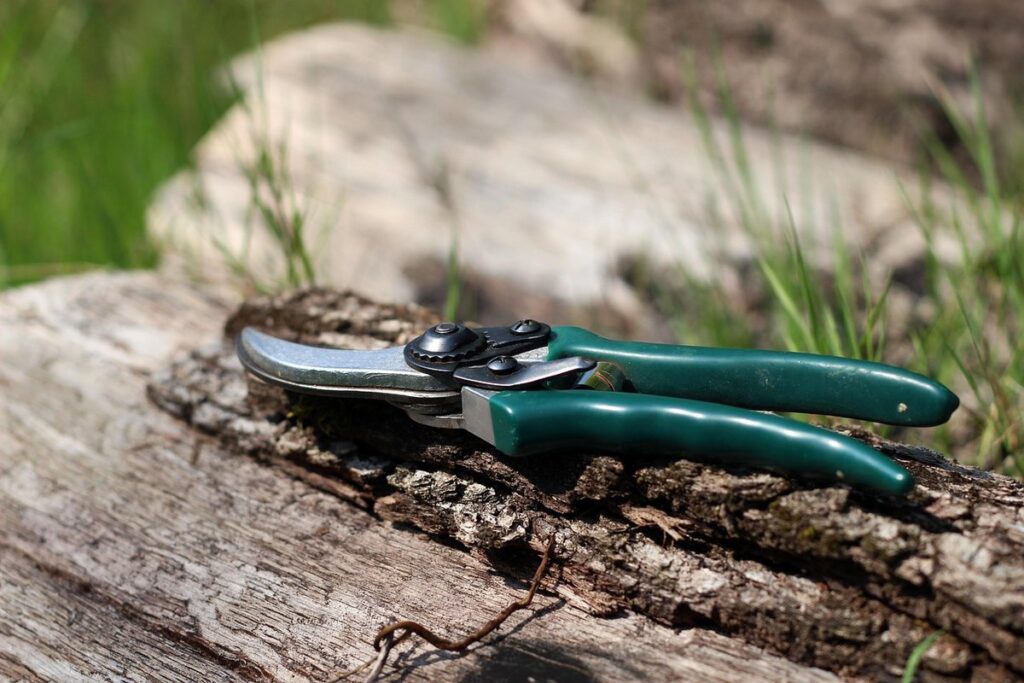
Pruning Shears: Selection and Care
When it comes to pruning spirea, having the right tools is essential for making clean cuts and preventing damage to the plant. One of the most critical tools for this task is a good pair of pruning shears.
When selecting pruning shears, consider factors such as size and material. Look for shears that are specifically designed for heavy-duty use and are made from high-quality materials like stainless steel or carbon steel. These materials will provide durability and resistance to rust. Additionally, ergonomic handles can make a big difference in comfort and reduce fatigue during long pruning sessions.
To maintain your pruning shears, clean them after each use with soap and water to prevent the buildup of sap and debris. Store them in a dry place when not in use, such as in a shed or garage. Regular sharpening will also help keep your shears cutting efficiently. With proper care and maintenance, your pruning shears will remain in good condition and make the pruning process much easier.
It’s worth noting that investing in a good pair of pruning shears may seem like an added expense upfront, but it can save you time and energy in the long run.
Loppers and Pruning Saw: When to Use Each
When working with spirea, you’ll often find yourself needing to cut thicker branches. In these situations, loppers and pruning saws are two common tools that serve different purposes and can help you achieve the best results.
Loppers are perfect for cutting thinner branches up to 1-2 inches thick. They’re usually longer than pruning shears and feature curved blades that make it easier to cut through smaller stems. When using loppers, be sure to choose a model with sharp blades and comfortable grips to avoid fatigue.
On the other hand, pruning saws are designed for cutting thicker branches, typically up to 4 inches in diameter. They come in different types, including handheld and curved models, each suited for specific tasks. For spirea pruning, a handheld pruning saw is ideal for cutting larger branches close to the trunk.
It’s essential to use the right tool for the job to avoid damaging your tools or causing unnecessary stress on yourself. Always inspect your loppers and pruning saws before use and keep them well-maintained to ensure optimal performance.
Timing and Frequency of Pruning
When it comes to pruning spirea, timing is everything. Let’s dive into how often you should prune your spirea and the best times to do so for optimal growth.
Determining the Best Time to Prune
When it comes to pruning spirea, timing is everything. The changing seasons have a significant impact on plant growth, and understanding these cycles will help you determine the best time to prune your spirea.
In the spring, after the last frost, is an excellent time to prune spirea. At this stage, new growth begins to emerge, making it easier to see which branches are dead or damaged. Removing any dead or diseased wood during this period will prevent the spread of disease and encourage healthy growth. Additionally, pruning in the spring allows you to shape your plant and maintain its desired form.
In contrast, summer pruning is generally not recommended as it can cause stress to the plant and lead to a surge in new growth that may not have enough time to harden off before winter. Fall pruning, however, is also beneficial for spirea. Prune back any leggy branches or stems to maintain shape and promote healthy growth. This timing allows the plant to focus its energy on root development over the winter months.
It’s essential to remember that spirea typically goes dormant in the winter, so it’s best to prune immediately after the last frost when new growth begins. By pruning at this time, you’ll be able to enjoy a lush, healthy display of flowers and foliage throughout the growing season.
How Often Should You Prune?
Pruning frequency can vary depending on whether you’re maintaining shape and promoting new growth or rejuvenating a mature spirea bush. For regular maintenance, prune every 3-4 weeks during the growing season to keep your spirea shrub looking neat and tidy. Remove no more than one-third of the foliage at a time to avoid shocking the plant.
For rejuvenation pruning, you can cut back your mature spirea by as much as half in late winter or early spring before new growth begins. This allows the plant to regrow from the base, promoting healthy new stems and blooms. Schedule this major renovation for every 5-7 years to keep your spirea looking its best.
To determine the best pruning schedule for your specific needs, consider factors like your plant’s age, size, and health. Younger plants require more frequent maintenance pruning, while older bushes may benefit from less frequent rejuvenation pruning.
Techniques for Specific Spirea Varieties
Some spirea varieties require special attention when it comes to pruning, and understanding their unique needs can make a big difference in their appearance. Let’s dive into the techniques for specific types of spirea.
Pruning Different Types of Spires
When it comes to pruning different types of spirea, the approach may vary depending on the specific variety. For flowering spirea varieties like ‘Goldflame’ and ‘Little Princess’, prune them immediately after they finish blooming. Cut back about one-third to one-half of the stems to maintain shape and encourage new growth.
For non-flowering compact forms like ‘Nanho Blue’ and ‘Goldmound’, prune in late winter or early spring before new growth begins. This type of pruning helps control their size and encourages bushy growth.
Shrub-form spirea varieties, such as ‘Eastern Star’, require more extensive pruning. Cut back about one-third to one-half of the oldest stems to the ground each year. This technique promotes healthy growth and prevents the shrub from becoming leggy.
It’s essential to note that regular pruning can help prevent disease and pest issues in spirea plants. Prune only what is necessary, as excessive cutting can stress the plant and lead to problems.
Special Considerations for Container-Grown Spires
When pruning spirea grown in containers, there are several special considerations to keep in mind. One key challenge is maintaining adequate root growth, as container-grown plants often have limited space for their roots to expand. This can lead to reduced water and nutrient uptake, making it essential to prune more frequently to promote healthy new growth.
Another consideration is the increased risk of drying out due to the smaller root system and potentially faster evaporation rates in containers. Prune your spirea more regularly to encourage a bushy shape and prevent legginess, which can further exacerbate water loss. Keep an eye on your plant’s moisture levels, and adjust your pruning schedule accordingly.
In addition, container-grown spireas may require more frequent fertilization due to their limited root zone. When pruning, consider incorporating a balanced fertilizer into the soil to promote healthy growth and flowering. By taking these unique challenges into account, you can ensure your container-grown spirea remains healthy and thriving with regular pruning.
Common Mistakes to Avoid When Pruning Spirea
Pruning spirea can be a bit tricky, and making these common mistakes can actually do more harm than good to your shrub. Let’s take a closer look at what to avoid when pruning your spirea.
Removing Too Much at Once
When pruning spirea, it’s easy to get carried away and remove too much at once. However, this can be a recipe for disaster. Over-pruning can stress the plant to the point where it may not recover, leading to reduced growth, weak stems, and an increased risk of disease and pest infestations.
One common mistake is removing all new growth in one session. This can leave the plant vulnerable to environmental stresses and make it more susceptible to damage from insects and diseases. For example, if you prune off all the new shoots on a spirea bush, you’ll be removing the plant’s energy sources for the current growing season.
To avoid this mistake, it’s essential to prune in stages, taking no more than 25-30% of the plant’s foliage at one time. This allows the plant to recover and rebuild its defenses before being subjected to further stress. By pruning in moderation and following proper techniques, you can promote healthy growth and maintain your spirea bush’s natural beauty for years to come.
Failing to Make Clean Cuts
When pruning spirea, one of the most critical aspects to focus on is making clean cuts. Failing to do so can lead to a host of problems, including poor healing, disease entry points, and unattractive growth patterns. One common mistake is cutting too close to the trunk or branch, which can cause damage to the bark and create an entry point for pests and diseases.
To avoid this, it’s essential to make cuts at a 45-degree angle, about one-quarter inch above a bud or node. This allows for better healing and reduces the risk of disease. Another mistake is cutting during the wrong time – pruning in the heat of summer can stress the plant further, making it more susceptible to pests and diseases.
To ensure clean cuts, use sharp, sterile tools and disinfect them between cuts. Make precise, deliberate cuts, rather than hacking at the branches with a dull tool. This will not only improve the appearance of your spirea but also promote healthy growth and reduce maintenance requirements in the long run. Regularly inspecting your pruning tools can also help prevent the spread of diseases.
Conclusion: Putting It All Together
Now that you’ve learned how to prune your spirea effectively, it’s time to summarize the key takeaways from our comprehensive guide. Let’s put all the pruning techniques together to ensure beautiful blooms and a healthy plant.
Recap of Key Points
Pruning spirea regularly is crucial for maintaining its optimal health and appearance. Throughout this comprehensive guide, we’ve discussed the importance of pruning to promote healthy growth, encourage new blooms, and prevent disease. To recap, here are the key points to keep in mind:
By pruning your spirea annually, you can control its size, shape, and density. This helps maintain a neat and tidy appearance, which is especially important if your spirea is planted in a border or container. Pruning also encourages new growth, leading to more vibrant blooms and a fuller plant.
Additionally, regular pruning helps prevent disease and pests from taking hold. By removing any dead or diseased branches, you reduce the risk of infection spreading throughout the plant. Regular pruning also allows you to monitor your spirea for signs of pests, such as aphids or spider mites.
To ensure optimal health and appearance, be sure to prune your spirea at the right time – typically late winter or early spring. By incorporating these simple pruning techniques into your gardening routine, you’ll be rewarded with a thriving, beautiful spirea that brings joy to your garden for years to come.
Final Tips for Success
As you’ve now mastered the art of pruning spirea, it’s time to integrate this skill into your regular maintenance routine. Pruning is an essential part of a spirea’s health and appearance, so make sure to schedule it as frequently as needed. A good rule of thumb is to prune your spirea at least twice a year: once in the late winter or early spring, and again in mid-summer.
Don’t forget to also inspect your spirea regularly for any signs of disease, pests, or damage. Early detection can save you from more severe problems down the line. For example, if you notice any fungal diseases, act quickly to treat them before they spread to other parts of the plant.
To make pruning a breeze, keep all necessary tools within easy reach and practice regular maintenance tasks like fertilizing and watering your spirea on the same schedule as pruning. This will help maintain its overall health and appearance throughout the growing season.
Frequently Asked Questions
Can I Prune My Spires During the Winter Months?
Yes, you can prune your spires during the winter months, but it’s essential to do so at a time when the plant is dormant and not actively growing. This will help prevent any potential stress on the plant.
Pruning during dormancy can also make it easier to see the plant’s overall shape and structure, allowing for more effective pruning techniques. Just be sure to prune only what’s necessary, as excessive pruning can cause shock to the plant.
How Do I Handle Dead or Diseased Branches?
When dealing with dead or diseased branches on your spires, it’s crucial to remove them promptly to prevent the spread of disease and encourage healthy growth.
Use clean, sharp pruning shears or loppers to make a cut just above a bud or a node, as this will help promote new growth. Make sure to disinfect your tools between cuts to avoid transferring any potential pathogens to other areas of the plant.
What’s the Best Way to Prune for Different Spirea Varieties?
The best pruning technique for different spirea varieties depends on their specific growth habits and needs.
For example, Japanese spirea typically requires more aggressive pruning to maintain its shape and promote blooming. Meanwhile, bridal wreath spirea can be pruned less frequently, as it tends to retain its foliage year-round.
Can I Use a Hedge Trimmer for Pruning My Spires?
While hedge trimmers can be useful for maintaining the overall shape of your spires, they’re not always the best tool for pruning.
For more delicate or intricate work, consider using pruning shears or loppers, which allow for greater precision and control. Save hedge trimmers for larger areas or coarser branches that need to be thinned out.
How Often Should I Inspect My Pruned Spires for New Growth?
After pruning your spires, it’s essential to regularly inspect them for new growth and adjust your pruning schedule accordingly.
Check your plants every 1-2 weeks during the growing season to ensure they’re developing as expected. Make any necessary adjustments to maintain a healthy shape and promote blooming.