
Pruning your shrubs to achieve the perfect shape can be a daunting task, especially if you’re new to gardening. But don’t worry, with some basic knowledge and practice, you’ll be on your way to creating beautiful, lush hedges in no time. Pruning is an essential part of maintaining healthy growth, as it encourages dense foliage and promotes a balanced shape. However, timing and technique are crucial for achieving the desired outcome.
In this comprehensive guide, we’ll walk you through everything you need to know about pruning shrubs for shape. We’ll cover the right tools to use, the best time of year to prune, and expert techniques to get the job done efficiently. From preparing your shrubs for aftercare to ensuring they continue to thrive, we’ve got you covered. By following our step-by-step advice, you’ll be able to achieve a stunning shape that will elevate your garden’s curb appeal and leave you feeling proud of your gardening skills.
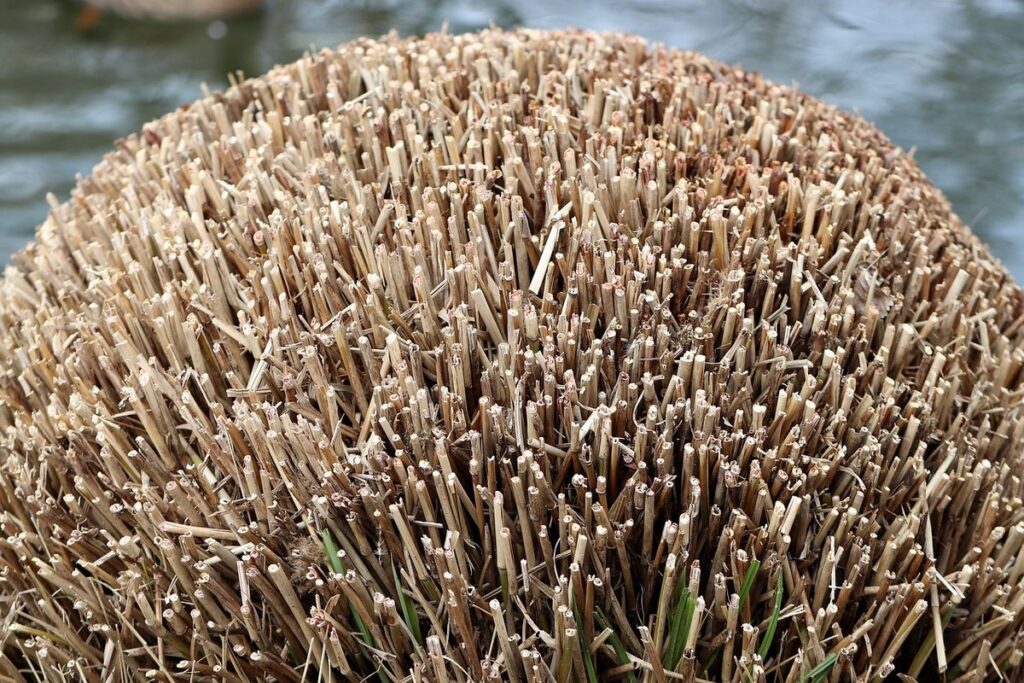
Understanding Your Shrubs and Their Needs
To prune shrubs effectively, you need to understand their growth habits, preferred light conditions, and water requirements. Let’s take a closer look at your shrub’s unique needs.
Identifying the Right Tools for the Job
When it comes to pruning shrubs for shape, having the right tools is essential. You can’t expect to achieve professional-looking results with dull or inadequate equipment. Let’s take a closer look at the must-have tools you’ll need for this task.
Hand pruners are the most frequently used tool in any pruning job, including those involving shrubs. They’re perfect for making precise cuts on small branches and stems. When selecting hand pruners, make sure they have sharp blades and comfortable grips to prevent fatigue. Loppers, on the other hand, are ideal for thicker branches that are too large for hand pruners but too small for pruning saws.
Pruning saws are a crucial addition to your toolkit as well. They come in various types, including curved and straight-blade models. Curved blades are suitable for cutting through thick branches at odd angles, while straight blades provide more control when dealing with thicker stems.
Keep your tools sharp by cleaning them regularly and storing them properly after each use. A clean blade not only ensures precise cuts but also helps prevent the spread of diseases.
Choosing the Right Time for Pruning
When it comes to pruning shrubs for shape, timing is everything. You can’t just grab your pruning shears and start cutting away at random – you need to consider the right time of year for your specific shrub type.
Different plants grow at different rates, depending on their growth patterns, climate, and even soil quality. Some shrubs are perennials, meaning they die back in winter but regrow in spring, while others are evergreen and keep their leaves year-round. For example, flowering shrubs like lilacs and forsythias typically bloom in spring and summer, so it’s best to prune them after blooming has finished.
In general, it’s a good idea to prune deciduous shrubs (those that lose their leaves in winter) during their dormant season – usually late winter or early spring. This allows the plant to focus its energy on new growth rather than trying to heal from pruning wounds. On the other hand, evergreen shrubs can be pruned almost year-round, but it’s best to avoid pruning too much of the foliage at once, as this can shock the plant.
When in doubt, consider the specific needs of your shrub type. Some plants, like hydrangeas and azaleas, are sensitive to extreme weather conditions and should be pruned during milder times of year. By understanding your shrubs’ growth patterns and pruning them at the right time, you’ll keep them healthy, thriving, and looking their best.
Preparing Your Shrubs for Pruning
Before you start pruning, it’s essential to prepare your shrubs by checking for any signs of disease or pests and removing dead or damaged branches. This step will help prevent further damage during the pruning process.
Removing Dead, Diseased, or Damaged Branches
When it comes to pruning shrubs for shape, removing dead, diseased, or damaged branches is an essential step. These types of branches can weaken the plant and make it more susceptible to further damage from disease, pests, or environmental stressors.
To identify these problem branches, look for signs like black or brown spots, yellowing leaves, or a brittle texture. Diseased branches may also have fungal growths or lesions. Damaged branches might be broken or torn. Once you’ve identified the problematic areas, use pruning shears to carefully cut them off at the base of the branch.
Remove any dead wood entirely, cutting it back to a healthy bud or node. For diseased or damaged branches, make cuts 12-18 inches above a healthy growth area to promote new growth and prevent re-infection. Don’t forget to disinfect your pruning tools between cuts to prevent spreading disease.
By removing these problem branches, you’ll not only improve the overall health of your shrub but also create a more balanced shape for future pruning efforts. Remember to always prioritize safety when working with sharp objects, and consider wearing protective gear like gloves and safety glasses.
Reducing Overgrown Branches
Reducing overgrown branches is an essential part of maintaining the shape and health of your shrubs. When large branches become unruly, it’s not just a matter of cutting them back; you want to do so safely and effectively to avoid causing damage or stress to the plant.
Before tackling those pesky branches, make sure you have the right tools for the job: pruning saws, loppers, and long-handled shears. When making the cut, use a clean, sharp blade to reduce the risk of tearing the bark, which can lead to disease and pest issues down the line.
Cutting back large branches requires some finesse. To begin, identify the branch you want to remove and consider its structure. You may need to trim smaller branches first to access larger ones. When making a cut, follow the natural angle of the branch and remove no more than one-third of its diameter at once. This will help prevent shock to the plant.
By following these steps and taking your time, you’ll be able to safely reduce overgrown branches and restore balance to your shrub’s shape.
Pruning Techniques for Different Shrubs
Pruning shrubs can be a challenge, especially when it comes to different types of plants. In this section, we’ll break down pruning techniques specifically tailored for various popular shrub varieties.
Evergreen Shrubs: Focusing on Shape and Density
When it comes to evergreen shrubs, maintaining their shape and density is crucial for their overall appearance. These shrubs can quickly become overgrown if not pruned regularly, losing their natural shape and becoming leggy. To prevent this, focus on pinching, thinning, and shearing techniques.
Pinching involves removing the terminal bud of new growth to encourage branching and a fuller shape. This is particularly effective for young evergreen shrubs that need to develop a balanced structure. Simply pinch off the tip of each stem with your thumb and index finger, making sure not to damage any of the surrounding foliage.
Thinning removes individual branches to allow more light to reach the inner parts of the shrub, promoting healthy growth and preventing disease. Remove no more than one-third of the oldest or largest stems per year to maintain the shrub’s shape without stressing it. Thinning is best done in late winter or early spring when the shrub is dormant.
Shearing involves cutting back branches to maintain a specific shape or size. This can be used to create topiaries, hedges, or simply to keep an evergreen shrub looking neat and tidy. Use sharp, clean pruning tools and make cuts just above a bud eye (the small swelling on the stem from which new growth emerges) to encourage healthy regrowth.
Deciduous Shrubs: Balancing Growth Patterns
Deciduous shrubs require regular pruning to maintain their shape and promote healthy growth. However, it’s essential to understand their unique growth patterns when developing a pruning plan. Deciduous shrubs typically experience significant growth during the spring and summer months, followed by a dormant period in winter.
To balance pruning with plant health, focus on removing no more than 1/3 of the shrub’s branches each year. This will help prevent shock to the plant and reduce the risk of disease or pest infestations. Prune deciduous shrubs during their dormant season (winter or early spring) to minimize the risk of spreading diseases.
When pruning deciduous shrubs, consider their growth patterns in mind. For example, if you have a shrub like forsythia that blooms on old wood, prune immediately after it finishes blooming to allow new flower buds to form. On the other hand, shrubs like lilac that bloom on new wood can be pruned in late winter or early spring without affecting their flowering. By taking these growth patterns into account and pruning with care, you’ll maintain your deciduous shrub’s shape while promoting its overall health.
Common Pruning Mistakes to Avoid
When pruning shrubs for shape, it’s easy to fall into common mistakes that can hinder growth and ruin your plant’s appearance. Let’s explore some of these errors together.
Over-Pruning: How to Balance Shape with Plant Health
When pruning shrubs for shape, it’s easy to get carried away and over-prune. This can be devastating for the plant’s overall health, potentially even killing it if not caught in time. Over-pruning removes too much of a shrub’s foliage, leaving it vulnerable to disease and pests. It also disrupts the plant’s natural growth pattern, making it difficult to recover.
To avoid over-pruning, first determine if your shrub truly needs pruning. Look for dead or diseased branches that are clearly visible. If the shrub is looking a bit scraggly or has some uneven growth, prune only what’s necessary to even out the shape. Don’t remove more than one-third of the plant’s foliage in a single session.
When pruning, take small cuts and step back frequently to assess the plant’s shape. It’s better to make several smaller cuts over time than to risk cutting too much at once. Remember, pruning is not just about shaping the shrub; it’s also about maintaining its health. Be gentle with your plants, and they’ll reward you with beautiful blooms and lush foliage.
Under-Pruning: The Consequences of Not Enough Pruning
Under-pruning can have severe consequences on shrub health and appearance. When shrubs are not pruned enough, they may continue to grow unevenly, resulting in a disfigured shape that detracts from the overall aesthetic of your garden. This is because shrubs need regular pruning to maintain their natural growth habits and promote balanced branching.
If left unpruned, shrubs can become leggy, with weak and spindly stems that are more susceptible to disease and pests. Regular pruning helps to redirect new growth back into the plant’s framework, encouraging a fuller, healthier shape. To recognize under-pruning issues, look for signs of overgrowth, such as sparse foliage or uneven branch patterns.
To adjust your pruning strategy, try pruning shrubs at a slightly denser schedule than usual, focusing on removing only the longest and most unruly stems. This will help to control growth and encourage bushy, compact shapes. Remember that it’s better to err on the side of caution when pruning – under-prune rather than over-prune to avoid stressing the plant further.
Aftercare and Maintenance
Now that you’ve pruned your shrubs, keep them looking their best by learning essential aftercare tips to promote healthy growth and maintain their desired shape. Proper maintenance is key to their continued success.
Watering and Mulching: Supporting Healthy Growth
Proper watering and mulching are crucial steps after pruning shrubs to support their healthy growth. Adequate water supply helps shrubs recover from pruning wounds and maintain their shape. Water newly pruned shrubs gently but thoroughly, taking care not to wash away soil or fertilizers.
Mulching around the base of the shrub prevents moisture loss through evaporation, regulates soil temperature, and suppresses weeds that compete with shrubs for water and nutrients. Organic mulches like wood chips or bark are effective options, but avoid over-mulching which can lead to moisture accumulation and root rot.
Water your shrubs when the top inch of soil feels dry to the touch. Adjust watering schedules according to climate, soil type, and plant species. Mulch at a depth of 2-3 inches, keeping it 6-8 inches away from the shrub’s base to prevent moisture buildup.
Regularly inspect your pruned shrubs for signs of stress or disease, adjusting your aftercare routine as needed. Remember that healthy shrubs require consistent care and attention to maintain their shape and appearance throughout the growing season.
Monitoring for Pests and Diseases
As you’re enjoying the fruits of your labor after pruning those shrubs to perfection, it’s essential to keep an eye out for potential pests and diseases that can affect their health. Shrubs are susceptible to various issues, especially during the growing season when they’re most vulnerable. Some common culprits include aphids, whiteflies, spider mites, and scale insects, which feed on sap and cause curled or distorted leaves.
To monitor for these pests, inspect your shrubs regularly, checking for signs of infestation like sticky honeydew droplets, yellowing leaves, or actual insect sightings. Be sure to examine the undersides of leaves and stems as well. For diseases, look out for black spots, powdery mildew, or root rot – all indicative of fungal or bacterial infections.
To address these issues early on, practice integrated pest management (IPM) by combining physical removal methods with organic controls like neem oil, insecticidal soap, or horticultural oil. Always follow product instructions and take necessary safety precautions when using chemicals. By being proactive and monitoring your shrubs closely, you can prevent the spread of pests and diseases and keep them healthy and thriving.
Conclusion: Mastering the Art of Pruning Shrubs for Shape
By following the steps outlined in this guide, you’ll be well on your way to mastering the art of pruning shrubs for shape. Remember to always inspect your plants regularly, identifying any areas that need attention or correction. Take note of the unique characteristics and needs of each plant species, and adjust your pruning techniques accordingly. For example, flowering shrubs should be pruned immediately after blooming to encourage new growth, while evergreen shrubs can be trimmed year-round.
With patience, practice, and persistence, you’ll develop a keen eye for identifying potential issues and knowing just what to do to restore shape and balance to your shrubs. So don’t be discouraged if it takes time – the end result is worth it! With regular pruning and care, your shrubs will not only look their best but also thrive in their outdoor environment.
Frequently Asked Questions
How do I know if I’m over-pruning my shrubs, causing more harm than good?
Over-pruning can be detrimental to your shrubs’ health. A good rule of thumb is to remove no more than one-third of the plant’s foliage at a time. If you’re unsure, start by pruning smaller branches and gradually work your way up to larger ones.
Can I use electric pruners for delicate or small shrubs?
While electric pruners are ideal for thicker branches, they may not be suitable for delicate or small shrubs. For these types of plants, it’s best to stick with manual tools like hand pruners or loppers to maintain precision and avoid causing damage.
How often should I water my shrubs after pruning to support healthy growth?
Watering is crucial during the first few weeks after pruning. Ensure your shrubs receive adequate moisture by watering them deeply once or twice a week, depending on weather conditions. Mulching around the base will also help retain moisture and suppress weeds.
What’s the best way to handle uneven growth patterns in my evergreen shrubs?
Evergreen shrubs can be more challenging to prune due to their dense foliage. To address uneven growth patterns, use a technique called “layering.” Prune branches at different levels to create a balanced shape, and don’t be afraid to remove entire stems if necessary.
Can I prune shrubs in the fall or winter, even though it’s not the ideal season?
While spring and summer are the best times for pruning, you can still prune your shrubs during the fall or winter. However, be cautious of frost damage and avoid pruning when the soil is frozen or waterlogged. Prune only what’s necessary to maintain shape, and delay more extensive pruning until the next growing season.