
Are you tired of your rose bush looking lackluster or failing to bloom as much as you’d like? Pruning is often misunderstood, but it’s a crucial step in maintaining healthy and vibrant roses. By pruning your rose bushes correctly, you can encourage maximum blooming and prevent damage from deadheading. But where do you start? With so many tools and techniques available, it’s easy to get overwhelmed.
This comprehensive guide will walk you through the essential tools and techniques for pruning rose bushes, covering everything from the right time to prune to how to properly shape your plants after cutting. You’ll learn about post-pruning care and how to prevent common mistakes that can harm your roses’ health and appearance. Whether you’re a seasoned gardener or just starting out with roses, this guide will give you the knowledge and confidence to keep your rose bushes thriving all year round.
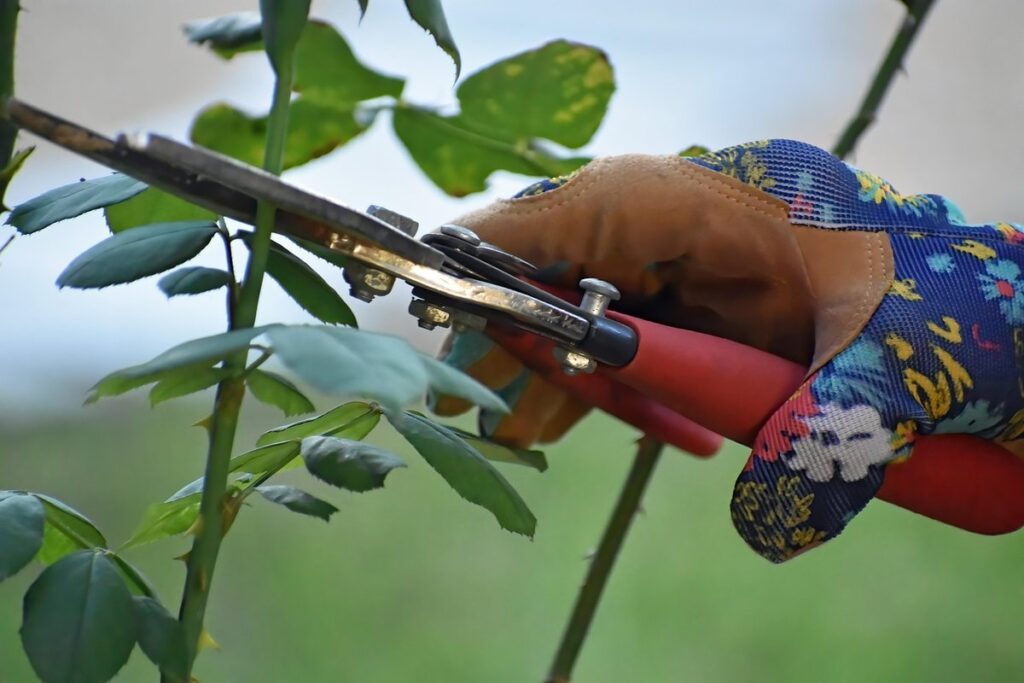
Benefits of Pruning Rose Bushes
Pruning rose bushes offers a multitude of benefits, from encouraging new growth and blooms to increasing the overall health and resilience of your plants. By pruning wisely, you can unlock these advantages and enjoy a more vibrant garden.
Why Prune Rose Bushes
Pruning rose bushes is essential for maintaining their health, promoting blooming, and encouraging new growth. When done correctly, pruning can have a significant impact on the overall appearance and vitality of your roses.
One of the main reasons to prune rose bushes is to promote blooming. Pruning helps to remove dead or diseased wood, which in turn allows the plant to focus its energy on producing new flowers. By removing old, woody stems, you’re giving your roses the opportunity to produce more blooms throughout the growing season.
Pruning also plays a crucial role in maintaining the overall health of your rose bushes. Dead and diseased branches can harbor diseases and pests, which can quickly spread to other parts of the plant if left unattended. By pruning these areas, you’re helping to prevent the spread of disease and maintain a healthy environment for your roses.
Furthermore, pruning helps to control the shape and size of your rose bushes. This is especially important for smaller gardens or containers where space is limited. Regular pruning can help keep your roses bushy and compact, making them easier to care for and more visually appealing.
How Often to Prune Rose Bushes
When it comes to pruning rose bushes, timing is everything. The frequency of pruning depends on several factors, including the age of the bush and seasonal considerations.
For young rose bushes (typically under 2 years old), prune them back by about one-third to half in late winter or early spring. This allows for new growth and encourages a strong root system. As your rose bush matures, you’ll want to prune it regularly throughout the growing season to maintain its shape and promote healthy growth.
Watch for signs that indicate pruning is needed: deadheading (removing spent blooms), removing diseased or damaged branches, and cutting back leggy stems. Regular pruning will also help control pest populations and reduce disease susceptibility.
Aim to prune your rose bush every 4-6 weeks during the growing season, from spring through fall. This might seem like a lot, but trust us – it’s worth it for the bounty of blooms you’ll enjoy. Remember, pruning is an ongoing process, not a one-time task. With regular attention, your rose bush will thrive and provide years of beauty and fragrance.
Preparing for Pruning
Before you start pruning, it’s essential to prepare your rose bushes and tools properly to ensure a safe and effective pruning experience. This step is often overlooked but can make all the difference in achieving healthy growth.
Choosing the Right Tools
When it comes to pruning rose bushes, having the right tools is essential for a successful and healthy outcome. You’ll want to start with the basics: pruners, loppers, and gloves.
Pruners are ideal for cutting smaller stems and can be used to remove deadheading or trim new growth. Look for high-quality pruners with sharp blades that won’t slip during use. Loppers, on the other hand, are perfect for thicker stems, allowing you to cut through branches up to 2 inches in diameter.
Gloves are a must-have when pruning rose bushes, as they protect your hands from thorns and provide grip when handling tools. Choose gloves made of durable material that can withstand regular use.
In addition to these basics, consider investing in a few more specialized tools, such as long-handled pruners for reaching hard-to-access areas or a garden knife for making precise cuts. Regularly maintain your tools by cleaning them with soap and water after each use and storing them in a dry place. This will ensure they remain sharp and effective throughout the pruning season.
Pre-Pruning Inspection
Before you start pruning your rose bushes, it’s essential to conduct a thorough inspection to identify any potential issues that may arise during or after pruning. This step is often overlooked, but it can save you from costly mistakes and ensure the overall health of your plant.
Start by examining the entire bush for signs of disease, pests, or nutrient deficiencies. Look for yellowing leaves, black spots, or white powdery patches on the stems and leaves. Check for any signs of infestation, such as tiny eggs or larvae on the undersides of leaves or around the base of the plant.
Also, inspect the structure of the bush to identify any dead, diseased, or damaged wood that needs to be removed. This includes branches that are rubbing against each other, causing damage, or ones that are growing inwards towards the center of the plant.
Make a note of any areas that require special attention during pruning, such as weak spots or uneven growth patterns. By identifying these issues beforehand, you can plan your pruning strategy accordingly and ensure a healthy, thriving rose bush.
Basic Pruning Techniques
When pruning rose bushes, it’s essential to learn basic techniques that will help you trim your plants without causing damage. This section covers the fundamentals of pruning.
Removing Dead Wood and Debris
When pruning rose bushes, one of the most essential steps is to remove dead, diseased, or damaged branches. This process not only maintains the overall health of the plant but also prevents the spread of disease and encourages healthy growth. Start by examining your rose bush carefully, looking for any branches that are clearly dead or dying. These will often be brittle, grayish in color, or have visible signs of decay.
To remove these unwanted branches, cut them back to about 1/4 inch from a bud eye (where the leaf meets the stem) using sharp, clean pruning tools. This will help prevent any potential disease spores from being spread to other parts of the plant. Make sure to disinfect your pruning tools between cuts to prevent the spread of disease.
Remove any damaged or diseased branches as soon as you notice them to prevent further damage and promote healthy growth. By removing dead wood and debris, you’ll be creating an environment where new blooms can thrive and the overall health of the plant can flourish.
Shaping the Bush
When shaping the bush, it’s essential to consider its natural growth habit. For instance, hybrid tea and floribunda roses tend to grow upright, while shrub roses like Knock Out and Drift are more compact and spreading. If you have limited space, choose a compact variety or prune your existing rose bush to maintain a manageable size.
To shape the bush according to its desired form, follow these steps:
* Start by evaluating the plant’s overall structure. Look for any dead, diseased, or damaged branches that need removal.
* Remove crossing branches to allow sunlight and air to reach all parts of the bush. This will also prevent damage from wind and weather.
* Consider the space around the rose bush. If it’s situated in a narrow bed, prune the sides of the bush to create a more balanced shape.
In areas with full sun (six hours or more of direct sunlight), you can trim back the tips of stems to encourage branching and promote even growth. Conversely, if your rose bush is shaded, avoid over-pruning as this can weaken the plant’s ability to produce blooms.
Advanced Pruning Techniques
Now that you’ve mastered the basics, let’s dive into more advanced pruning techniques to take your rose bush care to the next level and maximize blooms.
Renewal Pruning for Old or Established Rose Bushes
Renewal pruning is an essential technique for old or established rose bushes that have lost their vigor and blooms. Over time, these plants can become leggy, produce fewer flowers, and may even die back to the ground. By cutting back canes to encourage new growth, you can rejuvenate your rose bush and promote healthy, vigorous growth.
To renewal prune a mature rose bush, start by identifying and removing any dead, diseased, or damaged stems. Cut these off at the base, making sure each cut is made just above a bud eye (the small swelling on the stem from which new growth emerges). Next, select the oldest canes (those in the center of the plant) and cut them back to about 12-18 inches from the ground. This will encourage the bush to produce new stems and blooms.
By pruning your rose bush this way, you’ll be giving it a fresh start and promoting healthy growth for years to come. For example, a rose bush that has been neglected or not pruned in several years can be transformed with a single renewal prune.
Espalier and Topiary Pruning
Training your rose bush into an espalier or topiary is an advanced pruning technique that requires patience and dedication. Espaliers are trained to grow against a wall or trellis, creating a flat plane of blooms. To achieve this look, you’ll need to prune the canes regularly, selecting two to three strong stems to train along the support. Remove any weak or spindly growth, and tie the selected canes gently to the trellis using twine or wire.
For topiaries, you’ll want to create a spherical or conical shape by pruning the rose bush into regular, rounded forms. This involves pruning the stems to about 12-18 inches from the ground in early spring, then pinching off new growth at the tips of the branches as it appears throughout the season.
To maintain these shapes and encourage healthy growth, prune your espalier or topiary regularly, removing any dead, diseased, or damaged wood. This will help keep the shape intact and promote a strong, blooming rose bush.
Post-Pruning Care
Now that you’ve pruned your rose bushes, it’s time to focus on post-pruning care to promote healthy growth and encourage new blooms throughout the season. Proper after-care is crucial for optimal results.
Watering After Pruning
Proper watering is crucial after pruning to help your rose bush recover from the stress caused by cutting back its growth. When you prune a rose bush, you’re essentially creating wounds on the stems and branches. Watering helps these wounds heal faster, reducing the risk of infection and promoting healthy regeneration.
To water your rose bush effectively after pruning, make sure the soil is consistently moist but not waterlogged. Check the soil daily by inserting your finger into it up to the first knuckle. If the soil feels dry, it’s time to water. Water deeply, but avoid getting excess water on the leaves or crown of the plant.
Aim for about 1-2 inches of water per week, either from rain or irrigation. You can also use a soaker hose or a watering can with a long spout to deliver water directly to the roots without wetting the foliage.
Remember that overwatering can be just as detrimental as underwatering after pruning. Keep an eye on your rose bush’s response and adjust your watering schedule accordingly.
Fertilizing and Mulching
Fertilizing and mulching are crucial steps in post-pruning care for rose bushes. After pruning, your bush may look a bit bare, but it’s an ideal time to give it a nutrient boost. Choose a balanced fertilizer with a ratio of 10-10-10 (nitrogen-phosphorus-potassium) that promotes healthy growth and blooms. Organic options like fish emulsion or alfalfa meal are excellent choices for rose bushes.
When it comes to mulching, select materials that retain moisture, suppress weeds, and regulate soil temperature. Organic mulch like bark chips, straw, or pine needles work well. Avoid using fresh grass clippings or weedy material as they can introduce diseases into your garden.
Apply a 2-inch layer of mulch around the base of your rose bush, keeping it a few inches away from the stem to prevent moisture buildup. Refrain from piling mulch against the trunk, which can encourage rot and disease. Water the soil gently before applying mulch to settle it in place. Regularly replenish mulch as needed to maintain its effectiveness.
Common Mistakes to Avoid
When pruning rose bushes, it’s easy to make mistakes that can damage your plants, so let’s explore some common errors to steer clear of.
Over-Pruning
When it comes to pruning rose bushes, one of the most common mistakes gardeners make is over-pruning. This can be a costly mistake, as excessive pruning can lead to reduced blooming and even plant death.
Over-pruning occurs when you remove too much foliage or cut back too many stems, leaving your rose bush vulnerable and stressed. This can cause a range of problems, from delayed flowering to disease susceptibility. In severe cases, over-pruning can be fatal for the plant.
To avoid this mistake, it’s essential to understand the difference between deadheading (removing spent flowers) and pruning back the entire stem. Deadheading is a gentle process that helps promote repeat blooming, while pruning back stems should only be done minimally and as needed.
When pruning your rose bush, remember the 3-cut rule: make one cut at the base of the plant to maintain height, another to remove any dead or diseased wood, and a final cut to thin out overgrown branches. By being mindful of these simple guidelines, you can avoid over-pruning and keep your rose bushes healthy and thriving.
Under-Pruning
Under-pruning is just as detrimental as over-pruning when it comes to maintaining the health and growth of your rose bushes. When you don’t remove enough dead, diseased, or damaged branches, it can lead to a host of problems, including reduced blooming, weak growth, and increased susceptibility to pests and diseases.
In fact, under-pruning can actually promote disease and pest issues by allowing infected areas to remain on the bush, creating an environment for further infection. For example, fungal diseases like black spot and powdery mildew can spread quickly through a rose bush if not properly pruned.
To avoid under-pruning, it’s essential to establish a regular pruning schedule that balances maintenance with allowing the plant to grow and thrive. This typically means pruning your rose bushes 2-3 times per year, depending on their growth rate and your desired level of blooming. Be sure to remove no more than one-third of the bush’s growth at any given time, and take care to leave enough stem length for next year’s blooms.
Frequently Asked Questions
What are the most critical steps to take after pruning rose bushes for optimal growth and blooming?
After pruning, it’s essential to provide your roses with proper care, including watering, fertilizing, and mulching. Water your plants thoroughly after pruning, but avoid overwatering, which can lead to disease and pest issues. Fertilize your roses once a month during the growing season, using a balanced fertilizer that promotes blooming. Mulch around the base of the plant to retain moisture and suppress weeds.
Can I prune my rose bushes at any time of year, or are there specific seasons when it’s best to do so?
While pruning can be done throughout the year, the best time for pruning roses depends on the type of rose bush and its growth cycle. In general, spring-flowering roses should be pruned immediately after blooming, while summer-flowering roses should be pruned in late winter or early spring.
How do I prevent over-pruning my rose bushes, which can lead to disease and pest issues?
Over-pruning can stress your rose bushes, making them more susceptible to disease and pests. To avoid this, prune only the necessary branches, cutting back no more than one-third of the plant’s foliage at a time. Also, consider pruning in stages, removing dead or damaged wood first, then shaping the bush.
What are some common mistakes to watch out for when pruning rose bushes?
Some common mistakes include over-pruning, under-pruning, and neglecting post-pruning care. Over-pruning can lead to disease and pest issues, while under-pruning may not promote blooming or new growth. Neglecting post-pruning care can result in poor plant health and appearance.
Can I prune my rose bushes if they’re already established or old?
Yes, you can prune established or old rose bushes, but it’s essential to be more cautious when removing dead or damaged wood. Take smaller increments and focus on restoring the bush’s natural shape and promoting new growth. Renewal pruning for old or established roses can help revitalize their appearance and encourage blooming.