
Pruning perennials is one of those gardening tasks that can be a bit intimidating, especially for beginners. Not only do you want to get it right to encourage healthy growth and flowering, but you also don’t want to damage your plants in the process. In this comprehensive guide, we’ll walk you through the benefits of pruning perennials, from promoting bushy shapes and vibrant blooms to preventing disease and pests.
We’ll cover the key techniques for pruning different types of perennials, including how to identify which stems to cut back and when to prune for optimal results. We’ll also touch on some common mistakes to avoid, such as over-pruning or neglecting certain plants altogether. Whether you’re a seasoned gardener or just starting out, this guide will give you the confidence and knowledge to become a pro at pruning perennials and enjoy thriving, beautiful plants all season long.
Benefits of Pruning Perennials
Pruning perennials has several advantages, including improved plant shape and size, increased blooming performance, and enhanced disease resistance. Let’s explore these benefits in more detail!
Why Prune Perennials?
When you take the time to prune perennials, you’re not just tidying up your garden – you’re giving those plants a vital boost that can make all the difference in their health and vibrancy. Pruning is one of the most important maintenance tasks for perennials, as it helps them stay healthy, promotes new growth, and even enhances their aesthetic appeal.
By pruning perennials regularly, you’ll remove dead or diseased stems, which can prevent the spread of disease and encourage new, vigorous growth from the remaining healthy tissue. Think of it like a haircut – when your hair grows unevenly, a trim helps maintain its shape and keeps it looking its best. Pruning perennials works in much the same way.
In addition to promoting plant health, pruning also encourages perennials to produce more flowers or foliage, which is especially beneficial if you’re growing plants for their blooms or leafy growth. For example, pruning lavender regularly will encourage it to produce a profusion of purple flowers, while regular pruning of ornamental grasses will keep them looking full and healthy.
Pruning also helps perennials maintain their desired shape and size, which is especially important if you’re growing plants in crowded spaces or have limited room for expansion. By pruning strategically, you can control the growth habits of your perennials and ensure they stay within bounds.
Types of Pruning Cuts
When it comes to pruning perennials, understanding the different types of cuts is crucial for optimal results. There are three main types of pruning cuts: thinning, reduction, and rejuvenation.
Thinning cuts involve removing select branches or stems to maintain the plant’s shape, promote air circulation, and encourage new growth. These cuts should be made at a 45-degree angle, about one-quarter inch above a bud or leaf node. For example, if you’re pruning a hydrangea, thinning cuts can help reduce congestion and allow more sunlight to reach inner flowers.
Reduction cuts are used to control the size of overgrown perennials by cutting back branches to about half their length. This type of cut is best made in late winter or early spring, just before new growth begins. For instance, if your daylily has become leggy and top-heavy, reduction cuts can help restore balance and promote healthy growth.
Rejuvenation cuts are the most aggressive type of pruning and should only be used when a plant has become severely overgrown or diseased. These cuts involve cutting back the entire plant to about six inches from the ground, allowing it to regrow from new shoots.
Best Time to Prune Perennials
When it comes to pruning perennials, timing is everything. Understanding your plant’s growth cycle and considering climate and weather conditions are crucial factors to determine the best time for pruning.
Most perennials grow new leaves and flowers during specific seasons, and pruning at the right time helps promote healthy growth and encourages blooming. Spring-flowering perennials like peonies and lilacs should be pruned immediately after they finish blooming, typically in late spring or early summer. This allows for new growth to emerge before the next growing season.
On the other hand, summer-flowering perennials such as coneflowers and black-eyed Susans can be pruned back by about one-third in mid-summer to promote new blooms and prevent legginess. For fall-blooming perennials like asters and chrysanthemums, prune them right after they finish blooming in late summer or early fall.
Consider your climate and weather conditions when pruning perennials. In areas with extreme cold winters, it’s best to prune deciduous perennials in late winter or early spring before new growth begins.
Choosing the Right Tools for Pruning
When it comes to pruning perennials, the right tools can make all the difference. Next, we’ll discuss how to choose the perfect pruners and other essential equipment for a successful pruning job.
Pruning Shears and Tools Overview
When it comes to pruning perennials, having the right tools for the job is essential. While some gardeners may think that a single tool can handle all pruning tasks, the truth is that different tools are designed for specific tasks and plant types.
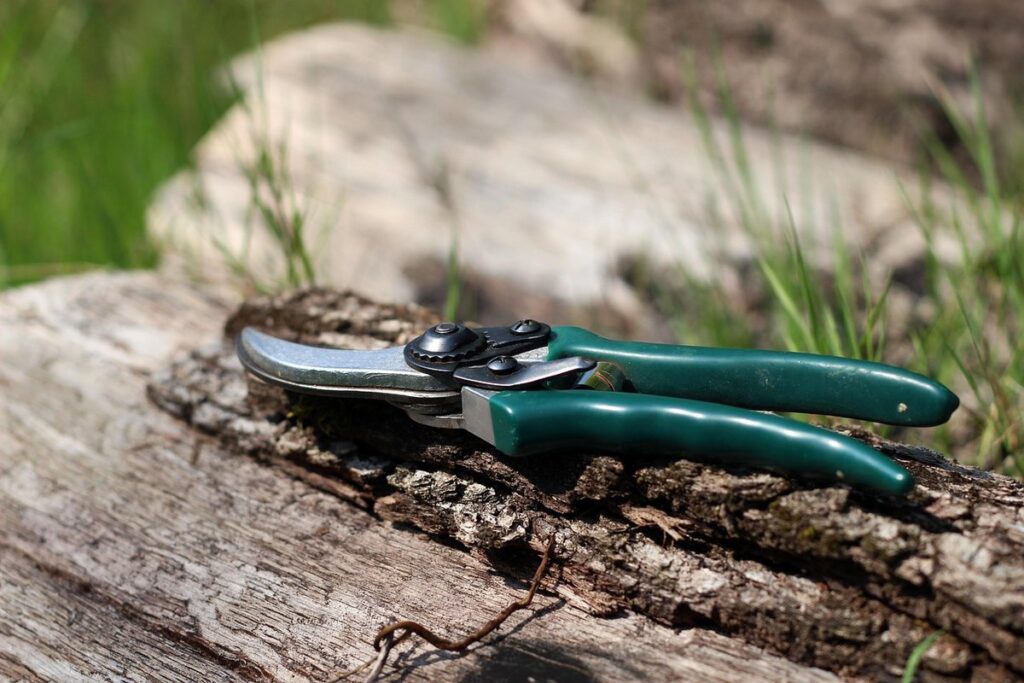
For basic pruning tasks such as cutting stems and deadheading flowers, hand pruners (also known as clippers or secateurs) are a good starting point. These handheld tools come in various shapes, sizes, and blade types, making them suitable for most gardeners. Look for sharp blades with a comfortable grip to ensure easy use.
For thicker branches, loppers are the way to go. With longer handles and curved or angled blades, loppers provide extra leverage and control for pruning thicker stems. Some loppers also feature specialized blades designed for cutting through specific types of plant material.
A pruning saw is another essential tool in your pruning arsenal. Ideal for removing larger branches or making precise cuts on thick stems, a good-quality pruning saw will make the task much easier. When choosing a pruning saw, consider factors like blade length and tooth type to ensure it’s suitable for your pruning needs.
How to Maintain and Sharpen Pruning Tools
Maintaining your pruning tools is just as important as using them correctly. A dull blade can cause more harm than good to your plants, and a rusty cutter can spread disease from one plant to another. To keep your tools in top condition, make sure to clean them after each use with soap and water. This will prevent dirt and debris from building up and causing rust or corrosion.
For metal blades, use a sharpening stone or steel to hone the edge. Regularly sharpening your pruning tools will not only maintain their effectiveness but also extend their lifespan. It’s essential to learn how to properly sharpen each type of tool, as different materials require unique techniques. For example, curved loppers can be sharpened using a curved file, while pruning shears can benefit from a dedicated pruning shear sharpener.
Check your tools regularly for wear and tear. Inspect the blades for nicks or chipping, and replace them if necessary. By maintaining and sharpening your pruning tools, you’ll ensure that your perennials receive clean, precise cuts every time, promoting healthy growth and encouraging them to thrive.
Step-by-Step Pruning Techniques
Now that you know why pruning is essential for your perennials, let’s move on to the step-by-step techniques to help you trim and shape them correctly.
Preparing for Pruning
Before you start pruning your perennials, it’s essential to prepare the area and yourself for the task. This may seem like a minor step, but trust us, it makes all the difference in ensuring a safe and effective pruning experience.
Begin by removing any debris or obstructions from the pruning site. This includes dead leaves, branches, and weeds that could get in the way of your pruning shears or other equipment. Clearing the area will not only make it easier to access the plants but also prevent accidental damage to surrounding areas.
Next, don your protective gear – we can’t stress this enough! Wear long sleeves, gloves, safety glasses, and sturdy boots to protect yourself from thorns, sap, and other potential hazards. This may seem like overkill, but trust us, it’s better to be safe than sorry when working with sharp tools and potentially prickly plants.
Additionally, make sure you have all the necessary pruning equipment within arm’s reach, including your shears, loppers, or pruning saw, depending on the size of the plant. With a clear workspace and proper gear in place, you’ll be well-prepared to tackle even the most challenging pruning tasks.
Thinning and Reduction Pruning Techniques
When it comes to thinning and reduction pruning, it’s essential to identify the right branches to cut. Look for weak, spindly growth, and remove one-third to one-half of these stems. This will encourage bushy growth and prevent legginess. For more mature plants, focus on reducing branch length by cutting back selected stems to about one-quarter to one-third of their original length.
To maintain a balanced shape, consider the plant’s overall structure and remove branches that are growing inward or rubbing against each other. Make clean cuts just above a growth node (where a leaf meets the stem), using sharp, sterile pruning tools. This will help prevent disease and promote healthy growth.
By removing select branches, you can achieve a more balanced and attractive shape without sacrificing plant health. For example, if you’re working with a coneflower, remove taller stems to encourage shorter branching. This technique also helps control the mature size of your perennials, making it ideal for smaller gardens or containers.
Rejuvenation Pruning Techniques
Rejuvenation pruning is an essential technique for mature perennials that have lost their vigor and shape. This method involves selective pruning to promote new growth and restore the plant’s overall health. When rejuvenating a perennial, it’s crucial to identify the oldest stems and remove them at the base. These old stems often become woody and can inhibit new growth.
To rejuvenate your perennials, start by examining their structure. Identify the oldest stems, which are typically thicker and more woody than newer growth. Cut these stems as close to the ground as possible using sharp, clean pruning tools. This will help stimulate new growth from the remaining healthier stems. Be sure to prune in late winter or early spring when the plant is dormant, allowing it to put its energy into producing new shoots.
By rejuvenating your perennials through selective pruning, you can expect to see a renewed sense of vigor and vitality. This technique can be applied to a variety of perennial plants, including roses, peonies, and daylilies.
Common Mistakes to Avoid When Pruning Perennials
When pruning perennials, it’s easy to make mistakes that can harm your plants, so let’s take a look at some common errors to steer clear of. By avoiding these pitfalls, you’ll be on the right track to healthy and thriving perennials.
Over-Pruning and Under-Pruning
When pruning perennials, it’s easy to get carried away with cutting back more than you need to. However, over-pruning and under-pruning can have serious consequences for the health and appearance of your plants.
Over-pruning refers to removing too much foliage or branches from a perennial plant at once. This can lead to increased stress on the plant as it struggles to recover from the trauma. Without sufficient leaves to produce energy through photosynthesis, the plant may become vulnerable to disease and pests. For example, if you remove more than one-third of a hydrangea’s stems in a single session, it may not be able to produce the flowers or foliage you’re hoping for.
On the other hand, under-pruning is just as problematic. Leaving too much dead or diseased material on the plant can create an environment where disease and pests thrive. This can spread to the rest of the plant, causing damage and potentially killing it altogether. A good rule of thumb is to remove only 10-20% of the plant’s stems at a time, allowing you to gradually shape the plant without putting too much stress on it.
To avoid these mistakes, take a step back and assess your pruning needs before making any cuts. Consider the type of perennial, its growth habits, and how much maintenance it requires. By being mindful of your pruning efforts, you can enjoy healthy, thriving plants that bring beauty to your garden for years to come.
Incorrect Cutting Techniques
When pruning perennials, it’s essential to avoid common mistakes that can cause more harm than good. One of the most critical errors is making incorrect cuts. This can be done by cutting at a 90-degree angle or even worse, leaving stubs on the plant. Not only does this not promote healthy growth, but it also leaves your perennial vulnerable to disease and pests.
Damaging the bark during pruning is another common mistake. When using sharp tools, it’s easy to accidentally scrape the bark, especially if you’re new to pruning. However, this can lead to sunscald, a condition where the exposed tissue becomes scorched by direct sunlight. To avoid this, use a clean, sharp tool and prune just above a bud or node.
Another mistake is not using proper technique. This includes holding the tool at an awkward angle, applying too much pressure, or making sloppy cuts. Not only can these mistakes damage the plant, but they also increase your risk of injury from a flying branch or slipping on a wet surface.
Tips for Pruning Specific Perennial Types
When it comes to pruning perennials, different types require specific techniques to keep them healthy and thriving. Learn how to prune popular varieties like daylilies, hostas, and black-eyed susans.
Grasses and Ornamental Grasses
When it comes to pruning grasses and ornamental grasses, timing is everything. Unlike many perennials that thrive after a late winter or early spring trim, grasses typically require maintenance during the growing season. For cool-season grasses like blue oat grass (Helictotrichon sempervirens) and feather reed grass (Calamagrostis x acutiflora), prune in mid-to-late summer, after they’ve finished blooming but before new growth begins.
For warm-season grasses such as pampas grass (Cortaderia selloana) and fountain grass (Pennisetum setaceum), delay pruning until late fall or early winter, when the plant is dormant. Use sharp, clean blades specifically designed for cutting grasses to prevent spreading disease. Cut them back to about one-third of their original height to maintain shape and promote new growth.
Keep in mind that ornamental grasses often require more frequent maintenance due to their rapid growth rate. Regularly removing seed heads and dead flowers will keep your plants looking tidy and encourage a fuller, more bushy appearance.
Roses and Other Deciduous Shrubs
When it comes to pruning roses and other deciduous shrubs, timing is everything. While spring-blooming perennials may be done with their deadheading, summer-flowering varieties like roses require regular attention to promote healthy growth and encourage repeat blooming.
Deadheading, the process of removing spent flowers, is crucial for maintaining the appearance of your rose bushes. Simply snip off the faded blooms just above a leaf node, using sharp, clean pruning tools to prevent spreading disease. This will not only remove unsightly spent flowers but also direct the plant’s energy towards producing new growth and blooms.
Cutting back canes in late winter or early spring is another essential task for maintaining the health and shape of your rose bushes. Remove any dead, diseased, or damaged stems at ground level to prevent the spread of disease and encourage new growth from the base of the plant. This process will also help maintain a balanced structure and promote air circulation within the plant.
During harsh winter months, protect your deciduous shrubs with a thick layer of mulch or burlap to shield them from extreme cold temperatures and drying winds. By taking these simple steps, you’ll be well on your way to growing thriving, healthy roses and other deciduous shrubs that bring joy and beauty to your garden for years to come.
Conclusion and Aftercare
Now that you’ve pruned your perennials, it’s time to tie up loose ends by learning how to care for them post-pruning. This includes tips on watering, mulching, and more.
Final Tips for Pruning Success
As you’ve navigated through this comprehensive guide on pruning perennials, it’s essential to remember that patience and proper technique are key factors in achieving healthy and thriving plants. Pruning isn’t a one-time task but an ongoing process that requires dedication and attention to detail.
To ensure your perennials continue to flourish, make sure to inspect them regularly for signs of stress or disease. This may include yellowing leaves, black spots, or unusual growth patterns. Address these issues promptly by adjusting your pruning schedule or incorporating targeted treatments into your care routine.
In addition to regular inspections, prioritize the maintenance of your pruning tools. Clean and sterilize them after each use to prevent the spread of diseases between plants. Regular sharpening will also improve cutting performance and reduce fatigue.
Remember that every plant is unique, so it’s crucial to tailor your pruning approach to meet their specific needs. Stay adaptable, observe changes in your perennials’ behavior, and adjust your care routine accordingly.
Aftercare Instructions
After pruning your perennials, it’s essential to provide them with proper care to ensure they recover quickly and thrive. Watering is a critical aspect of aftercare, especially during the first few weeks following pruning. Check the soil moisture by inserting your finger into the soil up to the knuckle. If the soil feels dry, water your perennial thoroughly until the water drains out of the bottom of the pot or container.
Fertilizing is also crucial at this stage. Pruning can stimulate new growth, which means your plant will require more nutrients to support its development. Use a balanced, water-soluble fertilizer (20-20-20) and follow the manufacturer’s instructions for application rates. You can start fertilizing 2-3 weeks after pruning, when new growth begins to emerge.
Monitor your plant’s health closely during the first few months following pruning. Keep an eye out for signs of pests or diseases, such as yellowing leaves, black spots, or white powdery patches. Regularly inspect your plants and take action promptly if you notice any issues.
Frequently Asked Questions
Can I Prune Perennials in the Spring or Fall?
While the main article covers when to prune perennials, you may still have questions about specific seasons. Generally, spring is a great time for perennials that bloom in the summer, while fall is ideal for those that flower in the spring. However, if your perennial type flowers at other times of the year, it’s best to check its specific pruning needs.
How Do I Know Which Tools to Use for Pruning?
Choosing the right tools can be overwhelming, especially with so many options available. To keep things simple, consider the type and size of your perennials. For delicate stems or small plants, use sharp, clean scissors or clippers. For thicker branches or larger perennials, opt for loppers or pruning saws.
What’s the Difference Between Thinning and Reduction Pruning?
These two techniques are often confused with each other, but they serve distinct purposes. Thinning pruning removes select stems to improve air circulation, promote healthy growth, and maintain a balanced shape. Reduction pruning, on the other hand, reduces the overall size of a perennial by cutting back branches more extensively.
Can I Prune Perennials in Extreme Weather Conditions?
It’s generally not recommended to prune perennials during extreme weather conditions like intense heat, heavy rain, or when the plants are under stress. Wait for milder temperatures and dry conditions before pruning, as this will help prevent damage to your plants and reduce the risk of disease.
How Do I Maintain My Pruning Tools Between Seasons?
To keep your pruning tools in good condition, regularly clean them with soap and water, then dry thoroughly. Store them in a safe place away from children and pets. Before each use, inspect your tools for sharpness and make any necessary adjustments or sharpening. This will ensure your tools remain effective throughout the growing season.