
If you’re an Italian plum tree owner, you know how rewarding it is to harvest those delicious fruits. However, with great rewards come great responsibilities – like pruning! Pruning your Italian plum tree may seem daunting, but trust us, it’s a crucial step in maintaining its health and productivity. A well-pruned tree is not only more resistant to diseases and pests, but it also encourages new growth, promotes fruiting, and boosts overall yields.
In this guide, we’ll take you through the ins and outs of pruning your Italian plum tree like a pro! From understanding its specific needs to advanced techniques for shaping and training, we’ve got everything covered. Whether you’re a seasoned gardener or just starting out with your first tree, our expert tips will help you achieve that perfect balance between beauty and bounty.
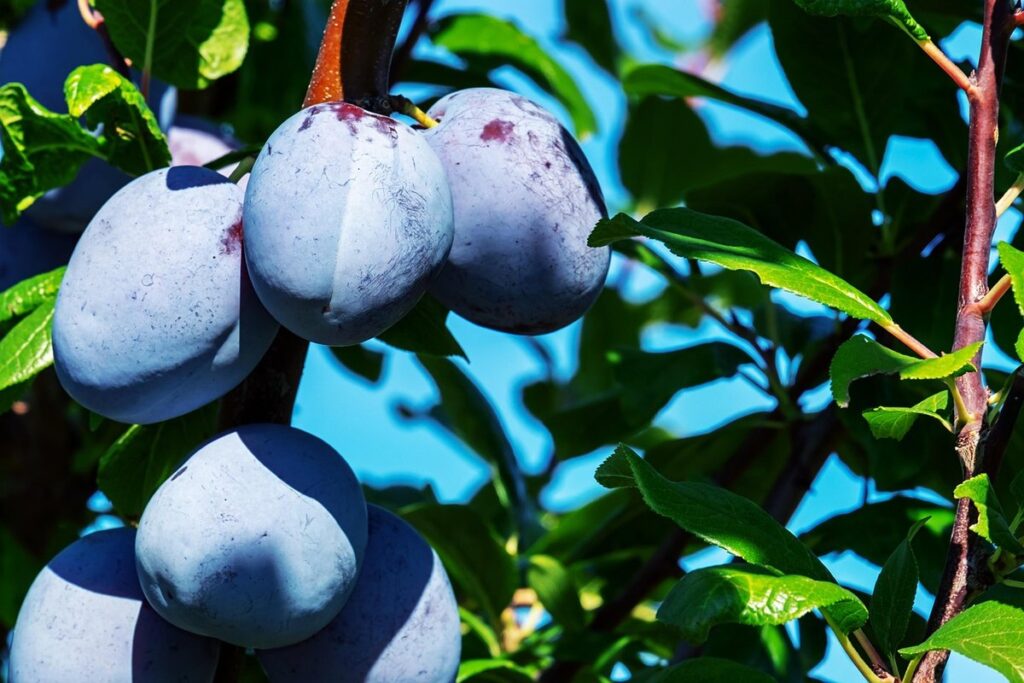
Understanding Your Italian Plum Tree’s Needs
To keep your Italian plum tree thriving, it’s essential to understand its specific needs and how pruning can impact its overall health and productivity. Let’s dive into what makes these trees tick.
Why Prune an Italian Plum Tree?
Pruning an Italian plum tree is essential for maintaining its overall health, promoting fruit production, and encouraging proper growth. By pruning regularly, you’ll be able to control the tree’s shape, increase air circulation, and reduce disease susceptibility. Pruning also encourages new growth, which in turn leads to more abundant fruiting.
When left unpruned, Italian plum trees can become overgrown and sprawling, making them more vulnerable to pests and diseases. This is particularly true for young trees, as their delicate branches are more susceptible to damage. Regular pruning helps to remove dead, diseased, or damaged wood, which in turn reduces the risk of infection.
For optimal fruit production, prune your Italian plum tree during its dormant season, typically between late winter and early spring. Prune at least 20-30% of the current season’s growth to encourage new branch development. This will also help to promote a balanced canopy structure, allowing sunlight to penetrate evenly throughout the tree.
Identifying the Right Time to Prune
When it comes to pruning your Italian plum tree, timing is everything. You want to prune at the right moment to promote healthy growth, maximize fruit production, and maintain the overall shape of the tree. In general, there are two optimal times to prune an Italian plum tree: during dormancy or after harvesting.
Pruning during dormancy, which typically occurs in late winter or early spring, is ideal for making major structural changes to the tree. This is because the tree is at its most dormant state, and pruning won’t stimulate new growth that might be damaged by cold temperatures. In colder climates, this may mean waiting until the ground has thawed and any chance of frost has passed.
In warmer climates, where winter dormancy is less pronounced, you can prune your Italian plum tree during the active growing season, but it’s best to do so after harvesting in late summer or early fall. This allows for new growth to occur before the tree goes dormant again, reducing the risk of disease and pests.
Preparing for Pruning
Before you pick up your pruning tools, take a moment to review our essential checklist to ensure you’re properly prepared for pruning your Italian plum tree. This includes gathering necessary equipment and safety gear.
Gather Essential Tools and Equipment
To prune an Italian plum tree effectively, you’ll need the right tools and equipment. Start by investing in a good pair of pruning shears, also known as secateurs. These will come in handy for making precise cuts on smaller branches. Loppers are another essential tool, suitable for thicker branches that require more force to cut through. Choose loppers with long handles to reduce strain on your back and arms.
You’ll also need a pruning saw for cutting larger branches. A curved blade is ideal for navigating around the tree’s structure. Don’t forget gloves, as they will protect your hands from thorns and splinters. In addition to these basic tools, consider investing in a rope or pulley system for safely lifting heavy branches.
To maintain your tools, keep them clean and dry after each use. Regularly sharpen pruning shears and loppers using a whetstone or file. This will ensure precise cuts and prevent damage to the tool’s blades. Store your equipment in a cool, dry place, away from direct sunlight. By investing in the right tools and maintaining them properly, you’ll be well-prepared for pruning your Italian plum tree.
Inspect Your Tree Before Pruning
Before you start pruning your Italian plum tree, it’s essential to inspect it thoroughly. This may seem like a no-brainer, but trust us, it’s crucial to identify any potential issues before you begin cutting away. Take a close look at the tree’s branches, leaves, and trunk for signs of disease or pests.
Check for any unusual growth patterns, discoloration, or lesions on the bark. These could be indicative of fungal diseases like powdery mildew or black knot. Also, keep an eye out for insect infestations like aphids, scales, or borers. If you notice any of these issues, take necessary precautions to address them before pruning.
Look for signs of canker, which can cause significant damage if left untreated. Cankers are usually characterized by sunken areas on the trunk or branches with a rough texture. Regularly inspecting your tree will help prevent the spread of disease and keep your Italian plum tree healthy and thriving.
Basic Pruning Techniques
When pruning Italian plum trees, mastering basic techniques is essential for a healthy and productive harvest. In this next section, we’ll walk you through the key methods to get started.
Removing Dead, Diseased, or Damaged Branches
When pruning Italian plum trees, it’s essential to remove dead, diseased, or damaged branches to maintain the tree’s health and promote fruiting. To do this safely and effectively, follow these step-by-step instructions.
Start by identifying which branches need removal. Look for signs of death, disease, or damage such as yellowing leaves, black spots, or cracks in the bark. Use clean and sharp pruning tools to prevent spreading diseases further.
For dead or diseased branches, cut them at a 45-degree angle just above an outward-facing bud or branch. This helps water run off and reduces the risk of disease reoccurring. Cut no more than one-third of the branch’s diameter to avoid weakening the tree. For damaged branches, assess their stability before cutting. If it’s unstable, remove it entirely.
When pruning near a main trunk, use a sawing motion to cut through the branch, working from the underside up. This helps prevent bark damage and reduces the risk of the branch tearing off in a storm.
Reducing Branches for Better Air Circulation and Light Penetration
When pruning your Italian plum tree, reducing branches to improve air circulation and light penetration is crucial for its overall health. Air circulation helps prevent disease by drying out leaves and reducing the spread of fungal spores. Light penetration promotes healthy fruiting and prevents over-shading, which can lead to weak growth.
To select the right branches for reduction, look for those that are growing towards the center or crossing with other branches. These should be removed to allow more sunlight to reach the fruiting wood. Cut at a 45-degree angle, making sure the cut is about one-quarter inch above a bud eye. This will help prevent water from collecting and promote new growth.
Consider reducing branches by one-third to one-half, depending on the tree’s age and health. For younger trees, focus on removing any weak or damaged growth. For more mature trees, prune larger branches that are competing with other fruiting wood for resources. Always remove no more than 10% of the tree’s canopy at a time to avoid shocking the roots.
Advanced Pruning Techniques
To take your pruning skills to the next level, we’ll delve into advanced techniques that will help you achieve a more precise and efficient prune for optimal fruit production.
Shaping the Tree’s Structure
When it comes to shaping the tree’s structure, more advanced pruning techniques come into play. Italian plum trees are notorious for producing water sprouts – long shoots that grow straight up from the trunk or branches – and root suckers – shoots that emerge from the roots of the tree. To maintain a healthy and visually appealing shape, you’ll want to address these issues.
To remove water sprouts, identify them early on and cut them back to about an inch from the point where they meet the main branch. This will encourage new growth to develop along the branches, rather than allowing the water sprout to continue growing upwards. Be sure to make clean cuts just above a bud or node, as this will help promote healthy growth.
Reducing root suckers requires a bit more effort, but is still a crucial step in maintaining your Italian plum tree’s structure. Cut back root suckers to about an inch from the soil line, making sure to clean up any remaining stumps to prevent regrowth. By removing these unwanted shoots, you’ll encourage your tree to focus its energy on producing a strong and balanced canopy.
Encouraging Fruiting Wood
When it comes to pruning Italian plum trees for optimal fruiting, encouraging fruising wood is a crucial aspect. To start, select branches that are at least two years old and have a diameter of about 1-2 inches (2.5-5 cm). These should be the main limbs you’ll focus on developing into fruiting spurs.
When selecting branches for training, look for those with a relatively flat or horizontal orientation. This allows them to receive maximum sunlight and promotes even growth. Next, identify the strongest limb in each set of three, and trim the weaker ones about one-third of their length to encourage vigor.
Remember, the goal is to create an open center structure that receives sufficient air circulation. Remove any water sprouts or suckers as they appear, and top-dress with a balanced fertilizer to promote healthy growth. By following these steps, you’ll be on your way to creating a well-balanced Italian plum tree with ample fruiting wood.
Pruning for Specific Goals
When pruning Italian plum trees, you may have specific goals in mind, such as increasing fruit production, maintaining a certain shape, or promoting healthy growth. This section will walk you through how to achieve these objectives effectively.
Increasing Fruit Production
When pruning Italian plum trees with the goal of increasing fruit production, it’s essential to focus on techniques that promote a balanced tree structure and optimize fruiting. One effective method is thinning the fruit load. By reducing the number of fruits per branch, you allow the remaining ones to grow larger and more flavorful.
To thin your Italian plum tree, select the largest and most vigorous fruits, leaving about 6-8 inches between each one. This allows sunlight to reach all the fruits, preventing overcrowding, and reduces competition for water and nutrients. Remove any weak or deformed fruits to direct the tree’s energy towards healthy growth.
A well-balanced tree structure is also crucial for maximizing fruit production. Prune your Italian plum tree to maintain a central leader and an open center, allowing air and sunlight to circulate freely around the branches. This promotes healthy growth, encourages fruiting, and reduces disease susceptibility. By implementing these pruning techniques, you’ll be on your way to increasing fruit production and enjoying a bountiful harvest from your Italian plum tree.
Maintaining Tree Size and Shape
Regular maintenance pruning is crucial to maintain the size and shape of Italian plum trees. As these trees can grow quite large, it’s essential to prune them regularly to keep their size under control and promote healthy growth.
Prune your Italian plum tree annually during its dormant season, typically in late winter or early spring. Remove any dead, diseased, or damaged branches as you would on any other day. Use sharp pruning tools and make clean cuts just above a bud or lateral branch to encourage new growth.
To maintain the desired shape, consider thinning out select branches to allow more sunlight penetration and air circulation within the canopy. This will also help prevent disease and pest issues. Remove crossing or rubbing branches, as these can cause damage to the surrounding bark.
Consider pruning your Italian plum tree in stages over several years if you’re unsure about its size or shape. This approach allows you to make adjustments gradually without shocking the tree too much. For example, prune the lower third of the tree one year and work your way up over subsequent years.
Common Pruning Mistakes to Avoid
When pruning Italian plum trees, it’s easy to fall into common mistakes that can harm your tree’s health and reduce fruit production. Let’s look at some of these mistakes to avoid in your next pruning session.
Over-Pruning: A Recipe for Disaster
Over-pruning is one of the most common mistakes made when pruning Italian plum trees. It’s a recipe for disaster, as it can lead to a weakened tree that’s more susceptible to disease and pests. When you over-prune, you’re removing too much of the tree’s foliage, which can stress the tree and make it harder for it to produce fruit.
Pruning too much of the old wood can also reduce the tree’s ability to produce new growth, leading to a decrease in fruit production. This is especially true for Italian plum trees, which are known for their vigorous growth habits. To avoid over-pruning, it’s essential to prune only what’s necessary, removing any dead, diseased, or damaged branches.
A good rule of thumb is to remove no more than one-third of the tree’s foliage in a single pruning session. This will help prevent shock and stress on the tree. It’s also crucial to prune at the right time – typically during the dormant season or just after new growth has begun. Pruning too early can encourage suckering, which can lead to a multitude of problems down the line.
Under-Pruning: Allowing Problems to Develop
Under-pruning can be just as detrimental to an Italian plum tree’s health and productivity as over-pruning. By not removing enough branches, you’re allowing problems to develop that could have been prevented with regular maintenance. For instance, weak or diseased branches may continue to grow, spreading disease to other parts of the tree.
When pruning is done too minimally, it can lead to a buildup of deadwood and encourage pests like borers and beetles to infest the tree. This not only harms the tree but also reduces fruit quality and yield. To strike a balance between minimal pruning and necessary maintenance, consider the following:
* Remove any branches that are crossing or rubbing against each other, as these can cause damage and create entry points for disease.
* Take out any dead or diseased wood to prevent the spread of disease and encourage healthy growth.
* Prune back any vigorous shoots that may be competing with fruiting branches for water and nutrients.
By addressing these issues regularly, you’ll maintain a healthy tree that produces bountiful harvests. Remember, regular pruning is an essential part of Italian plum tree care.
Conclusion
Now that you’ve learned how to prune your Italian plum tree, let’s summarize the key takeaways and reinforce the importance of regular pruning for a healthy tree.
Recap Key Takeaways
When it comes to pruning Italian plum trees, there are several key takeaways from our comprehensive guide that you should remember. First and foremost, timing is everything – prune your Italian plum tree during its dormant season to minimize the risk of disease and promote healthy growth.
You’ll also want to focus on removing any dead, diseased, or damaged branches, as these can compromise the overall health and productivity of your tree. Look for signs of dieback, such as yellowing leaves or brittle twigs, and trim them off at a 45-degree angle to prevent water from collecting in the wound.
Another crucial aspect of pruning Italian plum trees is maintaining their shape and promoting a strong structure. Remove any crossing branches that may be rubbing against each other, and thin out the canopy to allow sunlight to reach the fruiting branches. This will not only improve air circulation but also encourage more fruit production.
It’s also essential to note that over-pruning can do more harm than good – it’s better to err on the side of caution and remove only what’s necessary. A general rule of thumb is to prune no more than one-third of the tree’s canopy at a time, allowing for a balance between growth and fruit production.
Remember to clean up your pruning tools after each use to prevent the spread of disease, and dispose of any debris responsibly. With these key takeaways in mind, you’ll be well on your way to successfully pruning your Italian plum trees and enjoying a bountiful harvest year after year. By following these simple tips and techniques, you can keep your tree healthy, productive, and looking its best.
Frequently Asked Questions
What are the signs of over-pruning, and how can I avoid it?
Over-pruning occurs when too much of a tree’s foliage is removed, leaving it vulnerable to disease and pests. Signs include stunted growth, reduced fruiting, and an increased risk of disease. To avoid over-pruning, prune only what is necessary, focusing on removing dead, diseased, or damaged branches. Consider pruning in stages, gradually reducing the number of branches to maintain the tree’s overall shape and structure.
Can I prune my Italian plum tree during its dormant season, even if it’s not the ideal time?
While the optimal time for pruning an Italian plum tree is during its active growth phase, you can still prune it during dormancy. However, be cautious not to remove too much foliage at once, as this may shock the tree and lead to disease susceptibility. Limit your pruning to removing dead or damaged branches, and consider delaying more extensive pruning until the next growing season.
How often should I inspect my Italian plum tree after pruning?
Inspecting your tree regularly after pruning is essential to ensure it’s recovering well and adjusting to its new shape. Check for signs of stress, such as yellowing leaves or reduced growth. Look out for pests like aphids or borers, which may be attracted to the newly exposed areas of the tree.
What’s the best way to care for my Italian plum tree immediately after pruning?
After pruning, your Italian plum tree will need time to recover and adjust to its new shape. Provide it with plenty of water and nutrients to help it recover quickly. Avoid fertilizing too heavily in the first year after pruning, as this can encourage weak growth.
Can I use power pruning tools or is hand-pruning the only option for an Italian plum tree?
Power pruning tools, such as loppers or pruners, can be used on larger branches and when working with a particularly thick canopy. However, it’s essential to exercise caution and precision when using these tools to avoid causing damage to surrounding areas. Hand-pruning is still recommended for more delicate work, such as shaping the tree’s structure or encouraging fruiting wood.