
When it comes to hydrangea care, one of the most common questions we receive is when to prune these beautiful blooms. Bigleaf and panicle hydrangeas are two popular varieties that require different pruning techniques depending on the time of year. Pruning at the right time can make all the difference in promoting healthy growth, encouraging blooming, and maintaining your plant’s overall shape. But what’s the best approach: pruning in spring or fall? In this article, we’ll explore the tools, techniques, and tips you need to know for successful hydrangea pruning in both seasons. Whether you’re a seasoned gardener or just starting out, learn how to get the most from your bigleaf or panicle hydrangeas by mastering the art of spring and fall pruning.
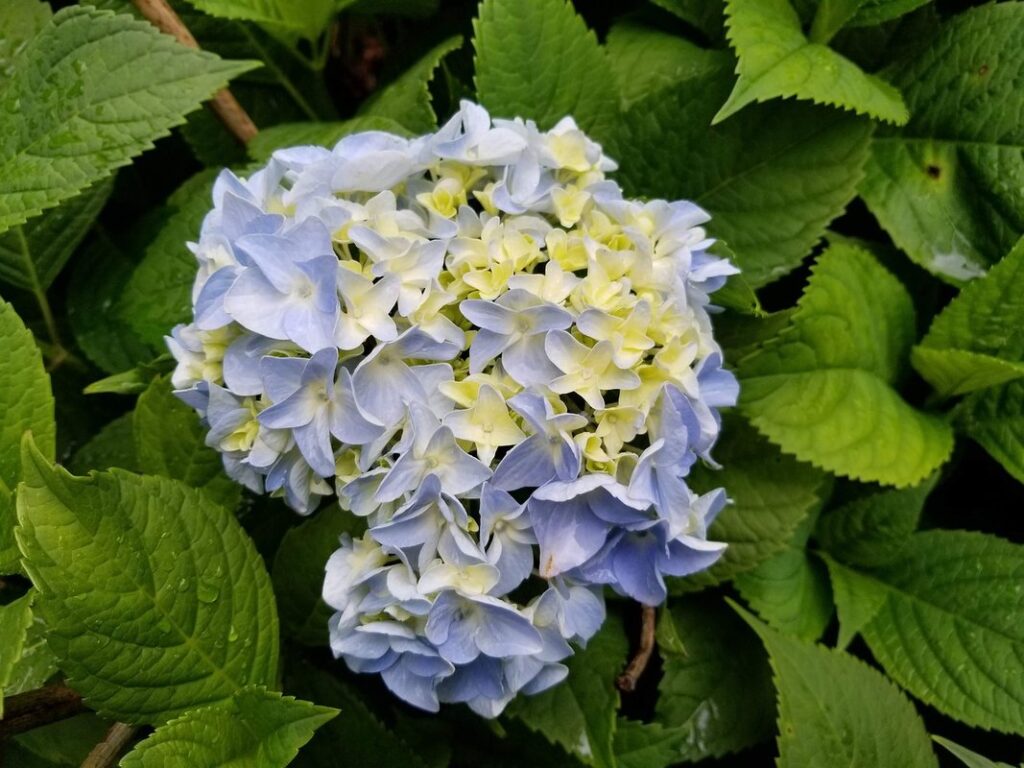
Benefits of Pruning Hydrangeas
Pruning hydrangeas can have a significant impact on their overall health and appearance, making it essential to understand the benefits before deciding when to prune. Regular pruning can also help prevent common issues like deadheading.
Understanding the Importance of Pruning
Pruning hydrangeas is not just a matter of aesthetics; it’s essential for maintaining their overall health and promoting vibrant growth. When left unpruned, hydrangeas can become leggy and lose their shape, making them look unkempt and uninviting. Regular pruning helps maintain the desired shape and size of your plant, ensuring that it continues to thrive in its environment.
Pruning also plays a crucial role in promoting healthy growth by removing dead or damaged wood, which can harbor diseases and pests. By cutting back spent flowers and foliage, you’re allowing your hydrangea to direct its energy towards producing new growth, leading to a more vigorous and resilient plant.
In fact, studies have shown that pruning can increase flower production by up to 50% in some cases! This is especially important for bigleaf and panicle hydrangeas, which produce flowers on the current season’s growth. By pruning these plants correctly, you’re setting them up for a bountiful bloom come springtime.
In addition to promoting healthy growth, pruning can also help control pests and diseases that might be present in your plant. Regular maintenance through pruning helps keep your hydrangea looking its best all year round.
Tools and Equipment Needed for Pruning
When it comes to pruning hydrangeas, having the right tools and equipment is essential for a successful outcome. To get started, you’ll need some basic pruning shears that are specifically designed for cutting thicker branches. Pruning shears with a curved blade will make it easier to navigate tight spaces around the plant. You may also want to consider investing in loppers, which are long-handled pruning tools ideal for reaching and cutting thicker branches.
In addition to your pruning shears and loppers, you’ll need some protective gear to prevent injury from thorns or sap. Gardening gloves with a good grip will help you maintain control while pruning and protect your hands from dirt and debris. Safety glasses can also come in handy when working with power tools or dealing with broken branches.
Before you begin pruning, make sure your equipment is clean and sharp. Dull blades can cause damage to the plant, so take some time to sharpen your shears before starting work.
Timing and Frequency of Pruning
When it comes to pruning hydrangeas, timing and frequency are crucial factors that can make all the difference. The optimal time for pruning depends on the type of plant and its growth habits. Bigleaf hydrangeas (Hydrangea macrophylla), for example, should be pruned after they finish blooming in the summer, as cutting them back too early can reduce flower production.
In contrast, panicle hydrangeas (Hydrangea paniculata) and smooth hydrangeas (Hydrangea arborescens) require more frequent pruning. For these types of plants, it’s recommended to prune them in late winter or early spring, as this will encourage new growth and prevent deadheading.
For optimal results, it’s essential to prune your hydrangeas at the right frequency. This can vary from plant to plant, but a general rule of thumb is to prune bigleaf hydrangeas once a year, while panicle and smooth hydrangeas require pruning twice a year: in late winter or early spring, and again after they finish blooming.
Remember to observe your plants’ specific needs, as some varieties may require more frequent or infrequent pruning. By following these guidelines, you’ll be able to enjoy vibrant blooms and a healthy, thriving plant all season long.
Spring Pruning: When to Cut Back Hydrangea Stems
When it comes to hydrangeas, spring pruning is a delicate matter, especially when cutting back last year’s stems. Knowing when to prune can make all the difference in your plant’s growth and blooming cycle.
Identifying Dormant vs. Active Growth
To determine whether your hydrangea is in a dormant or active growth phase, you’ll need to observe its behavior and appearance. Typically, dormant hydrangeas have a reduced water requirement and their stems will appear woody and brittle. They may also shed some leaves.
In contrast, actively growing hydrangeas are lush and full of life. Their stems are typically green and pliable, with an increased water demand. This is the best time to prune your hydrangea as it will promote new growth and blooms for the current season.
To confirm whether your hydrangea is dormant or active, gently scratch the bark on a stem using your fingernail. If you see a layer of green underneath, the plant is actively growing. Conversely, if the bark is dry and woody, it’s likely dormant.
When pruning in spring, aim for removing around 1/3 to 1/2 of the previous year’s growth to encourage new blooms and maintain shape. Avoid cutting back more than this as it can shock the plant and reduce blooming potential.
Cutting Back Old Wood
When cutting back old wood on hydrangea stems, it’s essential to focus on encouraging new growth. Start by identifying last year’s growth, which is typically characterized by woody stems and leaves that are more mature. To encourage new shoots to emerge from the base of the plant, cut back these older stems to about a third of their length.
This process will help to promote vigorous new growth, while also removing any dead or damaged wood that may be present. When cutting, make clean cuts just above a bud eye, using sharp, sterile pruning tools. This will help prevent disease and encourage the plant to produce new growth from those points.
By cutting back old wood in this way, you’ll not only remove debris but also create an opportunity for new shoots to emerge, resulting in fuller and healthier hydrangea plants. Remember to prune only what’s necessary, as over-pruning can stress the plant. By taking a gentle approach, you’ll be rewarded with lush new growth come summer.
Pruning Tips for Bigleaf Hydrangeas
When pruning bigleaf hydrangeas in the spring, it’s essential to shape and maintain their size while also promoting healthy growth. Start by removing dead, diseased, or damaged branches, cutting them back to about 6-12 inches from the ground. This will help control the plant’s size and encourage new growth.
To maintain a specific shape or size, prune selectively, focusing on individual stems rather than making large cuts. For example, if you want to control the height of your hydrangea, cut the longest stem back by about one-third to half its length. Be cautious not to remove too much foliage at once, as this can stress the plant.
If your bigleaf hydrangea has grown leggy or out of balance, prune it back more extensively in the spring. Cut stems that are growing beyond their neighbors or are overcrowding the plant. This will help restore a balanced shape and promote air circulation around the plant.
Remember to make clean cuts just above a growth node using sharp pruning tools to minimize damage and encourage new growth. By following these steps, you’ll be able to maintain your bigleaf hydrangea’s desired size and shape while promoting healthy growth throughout the season.
Fall Pruning: Preparing for Winter
As we near winter, it’s essential to prepare your hydrangeas for dormancy by pruning them in fall, a process that can help prevent disease and promote healthy growth come spring. This section will walk you through the steps involved.
Why Prune in the Fall?
Pruning your hydrangea in the fall is one of the most beneficial times to prune this beautiful flowering shrub. As winter approaches, your plant goes dormant, and pruning during this time can help it prepare for the cold months ahead. By pruning in the fall, you’re giving your hydrangea a head start on its winter dormancy.
When you prune in the spring, you may accidentally remove buds that would have produced flowers in the following year. In contrast, fall pruning allows you to cut back dead or damaged branches without affecting next year’s bloom. It also helps control disease and pests by removing any infected areas, promoting healthy growth. Plus, with cooler temperatures, fall is an ideal time for making larger cuts since new growth will have a chance to harden off before winter.
By pruning in the fall, you’re essentially giving your hydrangea a “makeover” that sets it up for success when spring returns. As you prune, focus on cutting back any weak or damaged branches about one-third of its length. This will allow your plant to direct its energy towards producing strong new growth come springtime.
Cutting Back Dead or Damaged Wood
Removing dead or damaged wood from your hydrangeas is an essential part of fall pruning. This process not only helps to maintain the plant’s appearance but also promotes healthy growth and prevents the spread of disease. Dead or damaged wood can be a haven for pests and diseases, which can further compromise the plant’s health.
To effectively remove dead or damaged wood from your hydrangeas in the fall, start by inspecting the plant thoroughly. Look for any branches that are diseased, damaged, or dying. Cut these branches back to about 6-12 inches from the ground using pruning shears or loppers, depending on the size of the branch. Make clean cuts just above a growth node (where a leaf meets the stem) to encourage new growth.
It’s also essential to disinfect your pruning tools between cuts to prevent the spread of disease. Use a solution of 1 part bleach to 9 parts water and wipe down your tools before moving on to the next cut. By removing dead or damaged wood from your hydrangeas in the fall, you’ll be giving your plant the best chance to thrive come springtime.
Pruning Tips for Panicle Hydrangeas
When it comes to panicle hydrangeas, fall pruning is essential for maintaining their shape and promoting healthy growth. Unlike bigleaf and oakleaf hydrangeas, which bloom on old wood, panicle hydrangeas produce flowers on new growth. This means that the best time to prune them is in late winter or early spring, but if you must prune in the fall, here are some tips to keep in mind.
First, avoid cutting back more than one-third of the plant’s stems. Panicle hydrangeas can be pruned quite hard, but doing so too frequently can weaken the plant and make it more susceptible to disease. Instead, focus on removing any dead or damaged branches, as well as any that are rubbing against each other.
To maintain your panicle hydrangea‘s shape, prune the stems back to about one-third of their height in late winter or early spring. This will help promote new growth and encourage a bushy habit. If you prefer a more compact form, you can also pinch off the tips of the stems in the summer after new growth has finished.
It’s worth noting that panicle hydrangeas can grow quite large, so be sure to provide regular maintenance to keep them under control. With proper pruning and care, your panicle hydrangea will thrive for years to come.
Comparison: Spring vs Fall Pruning Methods
When it comes to pruning your hydrangeas, timing is everything. In this section, we’ll explore the key differences between spring and fall pruning methods to help you get it right.
Differences Between Spring and Fall Pruning
When it comes to pruning hydrangeas, timing is everything. Spring and fall are two distinct seasons with their own set of considerations when it comes to pruning these beautiful blooms. While both methods have their advantages, there are key differences between spring and fall pruning that you should be aware of.
One major difference is the timing of pruning. Spring pruning typically takes place in late winter or early spring, just before new growth begins. This allows for a clean slate, as any dead or damaged branches can be removed without affecting the upcoming bloom cycle. On the other hand, fall pruning occurs after the blooming period has ended and new growth has slowed down. This approach encourages root growth and promotes healthy stem development.
In terms of tools, spring pruning often requires more aggressive cutting to remove winter-damaged stems, while fall pruning typically involves a more delicate touch to encourage new growth. When it comes to techniques, consider “deadheading” in the spring – removing spent flowers – to promote repeat blooming. In contrast, fall pruning may involve selective thinning or shaping to maintain desired plant shape and size.
When to Choose Each Method
When deciding on whether to prune your hydrangeas in spring or fall, it’s essential to consider the type of hydrangea you have and its specific needs. Bigleaf (H. macrophylla) and panicle hydrangeas are generally more forgiving when it comes to pruning timing. For these varieties, a light pruning in early spring can help control size and promote blooming. On the other hand, panicle hydrangeas can also benefit from a late fall pruning to encourage new growth.
Oakleaf (H. quercifolia) and smooth hydrangeas require more caution when it comes to pruning timing. For these varieties, prune only what’s necessary in early spring, as heavy pruning can reduce blooms for the current season. If you need to remove dead or damaged branches, consider doing so in late fall, after the plant has gone dormant.
Remember that each hydrangea variety responds differently to pruning, and it’s crucial to understand their specific needs based on growth habits and blooming patterns.
Safety Precautions for Pruning Hydrangeas
Before you start pruning your hydrangeas, make sure to take necessary precautions to avoid injury and damage to yourself and the plant. Proper safety gear is essential for a successful pruning session.
Protective Gear and Equipment
When pruning hydrangeas, it’s crucial to prioritize your safety and well-being. To ensure you can tackle this task with confidence, invest in the right protective gear and equipment.
Start by donning a good pair of gardening gloves that will shield your hands from thorns and scratches. Look for ones made from thick, puncture-resistant materials like leather or synthetic fabrics. Gardening glove brands like Magid or Mechanix offer excellent protection without compromising dexterity. Wear safety glasses with side shields to safeguard your eyes from flying debris. Opt for goggles with anti-fog coatings to maintain visibility.
Your pruning shears should be sharp and of good quality, with comfortable grips that fit your hands. Use bypass pruners specifically designed for hydrangeas, as they can cut through thicker stems more effectively. Regularly clean and disinfect your tools to prevent the spread of diseases and pests. Keep your work area clear, and ensure proper storage for your equipment when not in use. By equipping yourself with these essential items, you’ll be better equipped to handle any pruning challenges that come your way.
Common Injuries to Avoid
When pruning hydrangeas, it’s essential to prioritize your safety and well-being. One of the most common injuries that can occur is cuts and lacerations from sharp tools like pruners and saws. To avoid this, always wear protective gloves, preferably ones with grip for better control over your tools.
Scratches are another potential hazard when working with branches. Be mindful of thorns and spines on some hydrangea varieties, and consider using a long-sleeved shirt or pruning jacket to protect your skin.
Back strain is also a significant concern when lifting heavy branches or pruning in awkward positions. To prevent this, take regular breaks to stretch and reposition yourself as needed. Additionally, invest in a good pair of pruning shears or loppers that can handle thicker stems with minimal effort.
Conclusion: Pruning Hydrangeas with Confidence
Now that you’ve learned how and when to prune your hydrangeas, let’s put it all together with some final tips for confident pruning.
Recap of Key Takeaways
As we wrap up this comprehensive guide to pruning hydrangeas in spring vs fall, let’s recap the key takeaways that will help you prune these beautiful flowers with confidence.
Pruning at the right time is crucial for maintaining healthy and thriving hydrangea plants. As we’ve discussed, spring pruning can promote new growth, but it may not produce blooms for the current season. On the other hand, fall pruning allows for better control over bloom color, as the flower buds are already set on the stems.
To prune effectively, remember to cut back dead or damaged branches in both seasons. Also, don’t be afraid to trim back older stems to encourage new growth and prevent over-maturity. Regular maintenance, such as removing spent blooms and cleaning up debris, is essential for keeping your hydrangeas looking their best.
By following these tips and understanding the importance of timing, you’ll be able to prune your hydrangeas like a pro. Whether it’s in spring or fall, with the right techniques and attention to detail, you can enjoy beautiful blooms and a thriving plant for years to come.
Encouragement to Get Started
Now that you’ve learned the ins and outs of pruning hydrangeas in spring vs fall, it’s time to put your newfound knowledge into action. Pruning your hydrangea can seem daunting at first, but with a bit of practice, you’ll be a pro in no time.
Remember, confidence comes from taking action, so don’t wait any longer to start pruning those gorgeous blooms. Begin by identifying the type of hydrangea you have – Bigleaf, Panicle, or Oakleaf. Knowing your variety will help you determine the best pruning technique for optimal growth and blooming.
Next, inspect your plant and remove any dead or damaged branches. This is a crucial step in maintaining your hydrangea’s health and preventing disease from taking hold. Make clean cuts just above a node, using sharp, sterile pruning tools to minimize damage to the stem.
Take small steps at first, focusing on one section of the plant each session. As you gain more experience and confidence, you’ll be able to tackle larger areas and make more significant changes. The key is to have patience and work at your own pace – with a bit of persistence, you’ll soon be enjoying beautiful blooms year after year.
Frequently Asked Questions
Can I Prune My Hydrangeas During a Frost?
Yes, it’s generally safe to prune your hydrangeas during a light frost, but avoid heavy or prolonged frosts that can damage the plant further. Wait until any frost has passed before pruning.
What If I Missed the Optimal Pruning Time for Spring and Fall?
Don’t worry! While timing is essential, it’s not the only factor in hydrangea care. Prune your plants as soon as possible after realizing you’ve missed the optimal time. This will help maintain their health and encourage new growth.
How Do I Identify Dead or Damaged Wood on My Hydrangeas?
Look for signs like wilted leaves, brittle stems, and discoloration. Check for any broken or damaged branches that may be affecting the plant’s overall shape and health. Use clean pruning tools to remove these sections, making sure not to spread disease.
Can I Prune My Bigleaf Hydrangeas in the Fall if They’re Not Showing Any Signs of Dormancy?
Yes, you can still prune your bigleaf hydrangeas in the fall, even if they appear healthy. This will help prepare them for winter and encourage new growth come spring. Make sure to follow proper pruning techniques to avoid damaging the plant.
What Are Some Safety Precautions I Should Take When Pruning Hydrangeas?
Always wear protective gear like gloves, safety glasses, and a dust mask when pruning your hydrangeas. Use clean, sharp tools to prevent spreading disease, and keep an eye out for any branches that may be under tension or likely to snap back.