
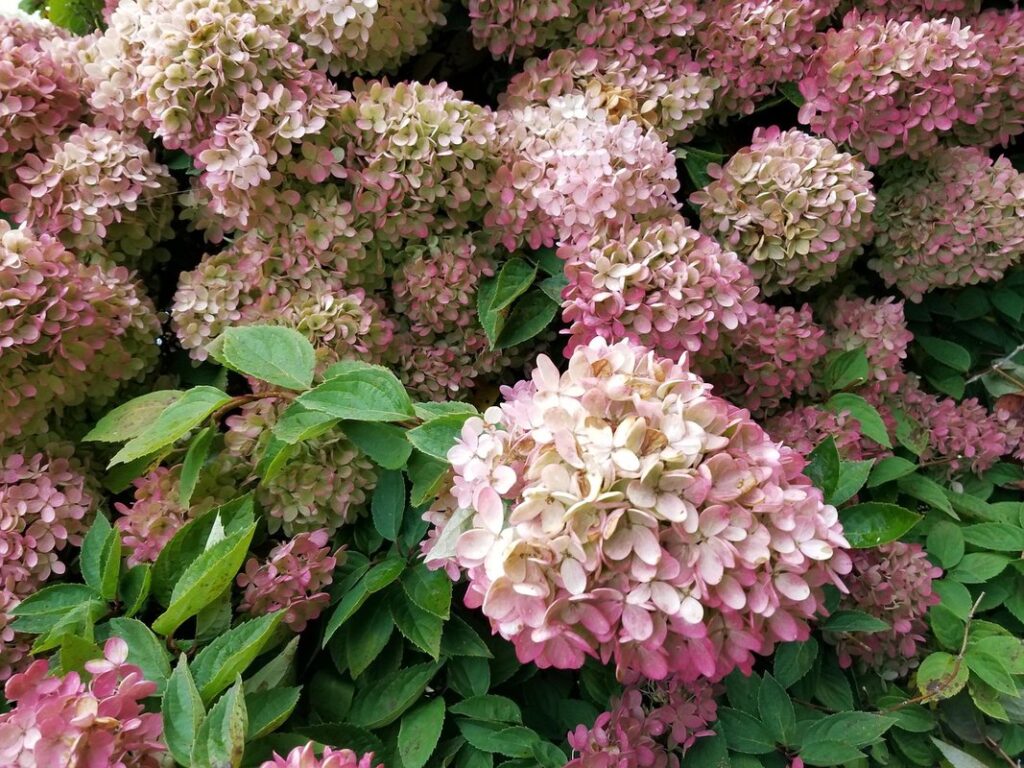
Hydrangea paniculata is one of the most beautiful additions to any garden, with its stunning white or pink blooms that attract pollinators all season long. But did you know that pruning your hydrangea paniculata correctly can make a huge difference in its overall health and flowering performance? Timing is everything when it comes to pruning these gorgeous shrubs, and getting it right can mean more blooms, thicker foliage, and less maintenance down the line. However, many gardeners struggle with how and when to prune their hydrangea paniculata, leading to disappointment or even damage to the plant. In this comprehensive guide, we’ll walk you through the best techniques for pruning hydrangea paniculata, including the perfect timing, common mistakes to avoid, and expert tips to help your shrub thrive all season long.
Choosing the Right Time to Prune
When it comes to pruning your Hydrangea Paniculata, timing is everything – understanding when to prune will make all the difference in its growth and blooms. In this section, we’ll explore the key factors to consider for optimal results.
Early Spring Pruning (February-March)
Early spring is an ideal time to prune hydrangea paniculata, and for good reason. As the last wisps of winter weather dissipate, your panicle hydrangea begins to stir from its dormant state. This is the perfect opportunity to assess the damage from harsh winter conditions and remove any dead or damaged branches that can compromise the health and appearance of your plant.
By pruning in early spring, you’re also giving yourself a head start on promoting new growth. Panicle hydrangeas typically bloom on new wood, meaning that removing old growth encourages the production of fresh stems that will produce vibrant flowers later in the season. In fact, studies have shown that panicle hydrangeas pruned in late winter or early spring experience an average increase of 20-30% more blooms than those pruned at other times of year.
So what can you expect to achieve by pruning your hydrangea paniculata in early spring? By removing dead wood and promoting new growth, you’ll be rewarded with a fuller, healthier plant that’s poised for a vibrant display of blooms later in the season.
Late Summer/Fall Pruning (August-September)
Late summer and fall pruning is an essential part of hydrangea paniculata care. While it’s often overlooked, this period offers a unique opportunity to control the shape of your plant and encourage next year’s blooms.
By pruning your hydrangea paniculata in late August or September, you’re allowing the plant to focus its energy on developing new growth that will produce buds for next year’s flowers. This is particularly important for hydrangea paniculata varieties that bloom on old wood, as it ensures a bountiful display of white or pink blooms come spring.
To prune effectively during this period, remove any dead, diseased, or damaged stems, cutting them back to about 6-8 inches from the ground. This will help prevent the spread of disease and encourage new growth from the remaining healthy stems. You can also trim back overgrown branches to maintain a balanced shape and promote air circulation, which is crucial for preventing fungal diseases that thrive in humid conditions.
By incorporating late summer/fall pruning into your hydrangea paniculata care routine, you’ll be rewarded with a healthier, more vibrant plant that will provide years of stunning blooms.
Understanding the Different Types of Pruning
When it comes to pruning your Hydrangea Paniculata, understanding the different types of pruning is essential for optimal growth and blooming. Let’s explore the various methods that suit this specific variety.
Hard Pruning vs. Soft Pruning
When it comes to pruning hydrangea paniculata, two main methods are commonly used: hard pruning and soft pruning. The choice between these techniques depends on the age of the plant, its health, and the desired outcome.
Hard pruning involves cutting back most of the branches to about one-third or even half of their original length. This method is typically used for younger hydrangea paniculata plants (those under 2-3 years old) that need to be trained into a desired shape. Hard pruning also helps remove any dead, diseased, or damaged wood, promoting healthy growth and encouraging new stems.
On the other hand, soft pruning involves removing only about one-third of the oldest branches each year, usually in late winter or early spring. This method is best for mature hydrangea paniculata plants that have already developed a good structure. Soft pruning helps maintain shape, encourages blooming, and controls size without sacrificing too much foliage.
It’s essential to note that hard pruning can be stressful for the plant, so it’s usually performed every 2-3 years. Conversely, soft pruning is typically done annually. By understanding when to use each method, you’ll be able to prune your hydrangea paniculata effectively and promote healthy growth throughout the year.
The Role of Thinning in Pruning
Thinning branches is an essential aspect of pruning hydrangea paniculata. By carefully removing select stems, you’ll not only maintain your plant’s desired shape but also encourage healthy growth and maximize blooming potential. When the shrub becomes congested, it can become more susceptible to disease and pests, so thinning helps improve air circulation and reduce moisture retention around the flowers.
To thin effectively, remove about one-third of the oldest stems each year. This will allow for better sunlight penetration and promote new growth from the base of the plant. Select branches that are damaged, diseased, or crossing over other stems, and cut them back to a healthy bud or the base of the stem. This will help control the shrub’s size while maintaining its natural beauty.
Remember, thinning should be done in conjunction with other pruning techniques, such as deadheading and shaping, for optimal results. By incorporating thinning into your regular pruning routine, you’ll enjoy improved plant health and a more vibrant display of flowers year after year.
Basic Pruning Techniques
To effectively prune a Hydrangea Paniculata, you’ll need to learn two fundamental techniques: cutting back old wood and deadheading spent flowers. Let’s start with the basics!
Removing Dead or Damaged Wood
When pruning hydrangea paniculata, it’s essential to remove dead or damaged wood to maintain the plant’s health and appearance. To do this safely, make sure you’re wearing protective gear such as gloves and safety glasses.
Start by examining the branches for signs of damage, decay, or death. Look for cracks, splits, or soft spots in the bark, as well as any areas where leaves are wilting or turning yellow. Cut these sections off using a pair of clean, sharp pruning shears or loppers.
Cut just above a bud eye, making sure each cut is about one-quarter inch from it. This will help direct new growth towards the outside of the plant, promoting air circulation and reducing the risk of disease. When cutting thicker branches, use a saw to avoid crushing the branch collar – this can lead to infection or further damage.
Cut away any weak or spindly growth, but be cautious not to over-prune, as this can shock the plant. Keep your cuts at an angle, sloping away from the center of the plant to prevent water from collecting and promoting disease.
Cutting Back New Growth
Cutting back new growth on hydrangea paniculata can be a bit tricky, as it requires a delicate balance between maintaining the plant’s natural shape and promoting healthy growth. When to cut back new growth depends on the time of year and the stage of the plant’s development.
In general, it’s best to wait until late winter or early spring, when the new shoots are about 6-8 inches long. This allows you to prune away any weak or spindly growth while still retaining the plant’s natural shape. To maintain the plant’s bushy habit, cut back the longest stems by about one-third to one-half of their length. Cut just above a leaf node (the point where a leaf meets the stem), using clean, sharp pruning tools to minimize damage.
For example, if you have a hydrangea paniculata with stems that are 3 feet long, prune them back to about 2 feet tall. This will help control the plant’s size and encourage more compact growth. By cutting back new growth in this way, you’ll be able to maintain your hydrangea paniculata’s natural shape while promoting healthy, vigorous growth throughout the season.
Pruning for Specific Objectives
When pruning Hydrangea paniculata, you might have specific goals in mind, such as encouraging more blooms or maintaining a particular shape. Let’s explore how to tailor your pruning strategy for these objectives.
Encouraging Big Blooms (Next Year)
When it comes to encouraging big blooms on your hydrangea paniculata for next year’s season, pruning plays a crucial role. You see, the size and quantity of flowers produced by these plants are directly influenced by the previous year’s growth and pruning techniques.
To promote large flowers, you’ll want to prune your hydrangea paniculata in late winter or early spring, removing any dead, diseased, or damaged branches. This will help control the plant’s size and encourage new growth from the base of the stems. Make sure to cut back any weak or spindly growth to about one-third of its original length.
This technique is called “tip pruning,” and it’s essential for promoting a full, bushy shape and encouraging big blooms. By removing the tips of the branches, you’re forcing the plant to produce new shoots from the base, which will result in larger, more robust flowers come next year. Think of it as giving your hydrangea a trim to keep it healthy and focused on producing show-stopping blooms!
Maintaining a Specific Shape or Size
Maintaining a specific shape or size is crucial for hydrangea paniculata, especially if you want to keep its elegant appearance throughout the growing season. Pruning plays a significant role in achieving this goal.
When pruning to maintain a certain shape or size, it’s essential to consider the plant’s growth habit and natural form. Hydrangea paniculata is a large shrub that can grow up to 6-8 feet tall and wide, but with regular pruning, you can control its spread and keep it compact. To maintain a smaller size, prune your hydrangea paniculata in late winter or early spring, cutting back the stems by about one-third to half.
For a more specific shape, use a technique called “topping,” where you remove the topmost growth tips to encourage branching. This will help create a fuller plant with a balanced structure. Be cautious not to over-prune, as this can stress the plant and lead to disease or pest issues.
Common Pruning Mistakes to Avoid
When pruning hydrangea paniculata, it’s easy to make mistakes that can harm your plant. We’ll cover the most common errors to watch out for in this next section.
Over-Pruning
When it comes to pruning hydrangea paniculata, it’s easy to get carried away and remove too much of the plant. But over-pruning can have serious consequences for your hydrangea’s health. Removing too much of the stem and foliage can leave the plant vulnerable to disease and pest issues.
This is because hydrangea paniculata relies on its leaves to photosynthesize and produce energy, just like all plants do. When you remove too many leaves, you’re essentially starving the plant. This can lead to weak growth, reduced flower production, and an increased risk of fungal diseases like powdery mildew.
To avoid over-pruning your hydrangea paniculata, focus on removing only what’s necessary. Cut back the stems by one-third or one-quarter each year, depending on the plant’s growth. This will encourage new growth while maintaining the overall shape and size of the plant. Remember to prune in the late winter or early spring, before new growth begins, to minimize the risk of disease and pest issues. By pruning carefully, you can keep your hydrangea paniculata healthy and thriving for years to come.
Under-Pruning
When it comes to pruning hydrangea paniculata, under-pruning is just as detrimental as over-pruning. By not removing enough stems and branches, you can end up with a plant that’s not only unshapely but also more susceptible to disease and pests. This is because dead, diseased, or damaged wood remains on the plant, creating an ideal environment for pathogens to thrive.
In fact, if left unchecked, under-pruning can lead to an unruly shape, with stems growing in random directions and branches tangling together. Not only does this affect the plant’s overall appearance, but it also makes it more challenging to prune effectively in the future. To avoid this scenario, make sure to remove at least one-third of the old wood each year. This will encourage new growth and help maintain a balanced shape.
By being mindful of under-pruning and taking proactive steps to address any issues that arise, you can enjoy a healthy, thriving hydrangea paniculata with beautiful blooms.
Additional Tips and Considerations
Now that you’ve learned how to prune your Hydrangea Paniculata, here are some extra tips and considerations to keep in mind for optimal growth.
Tools and Equipment Needed for Pruning
To effectively prune hydrangea paniculata, you’ll need to have the right tools and equipment on hand. A good pair of pruning shears is essential for making clean cuts, but it’s equally important that they are sharp. Dull blades can cause damage to the plant by tearing or ripping the stems, which can lead to disease and pest issues.
Look for high-quality pruning shears with rust-resistant blades made from materials like stainless steel or titanium. These will hold their edge longer and require less maintenance than lower-end options. It’s also a good idea to keep a pair of loppers on hand for thicker stems that are harder to cut with pruning shears.
In addition to these, you’ll need a few other supplies, including garden gloves to protect your hands from thorns and sap, and a bucket or tarp to collect any debris. Regularly cleaning and maintaining your pruning tools will also help prevent the spread of disease between plants. This is especially important for hydrangea paniculata, which can be susceptible to certain diseases when not properly cared for.
When to Call a Professional
While pruning hydrangea paniculata can be a straightforward process for experienced gardeners, there are situations where it’s best to seek professional help. If you’re unsure about the health of your plant or lack experience with hydrangeas, it’s always better to err on the side of caution and consult a gardening expert.
Consider seeking professional advice if:
* You notice signs of disease or pests that you can’t identify or control
* Your hydrangea is severely damaged due to weather conditions or animal damage
* You’re unsure about the best pruning technique for your specific plant variety
* You need guidance on how to prune your hydrangea at an awkward angle or location
A professional arborist or gardener will be able to assess your plant’s needs and provide personalized advice on the best pruning schedule, techniques, and after-care. They may also be able to recommend additional steps you can take to promote healthy growth and prevent future problems.
Don’t hesitate to seek help if you’re unsure about any aspect of pruning your hydrangea paniculata – a little investment in professional guidance now can save your plant’s long-term health and appearance.
Frequently Asked Questions
Can I prune my hydrangea paniculata in the fall if I missed pruning it in early spring?
Yes, you can still prune your hydrangea paniculata in late summer or early fall if you missed pruning it during its optimal time. However, be aware that this may impact next year’s blooms, as some flower buds may have formed on the branches by then. Try to remove only what’s necessary and leave some stems intact to ensure a good bloom.
How do I know which branches to cut back when hard pruning my hydrangea paniculata?
When hard pruning, focus on removing about one-third of the oldest branches, cutting them back to about 6-8 inches from the ground. Look for branches that are dead, diseased, or damaged, and remove any crossing or rubbing branches to maintain air circulation and promote healthy growth.
What happens if I prune my hydrangea paniculata too late in the season? Will it still bloom next year?
While pruning during its optimal time is essential for maximum blooms, pruning too late can still have some benefits. Removing dead or damaged wood will help prevent disease and encourage new growth. However, be aware that this may impact the quality and quantity of next year’s blooms.
Can I use regular garden shears to prune my hydrangea paniculata, or do I need specialized pruning tools?
While regular garden shears can work for some tasks, it’s best to invest in a good pair of pruning loppers or secateurs when dealing with larger branches. These specialized tools will make the job easier and help you maintain precision.
What if I’m not sure whether my hydrangea paniculata needs hard pruning or soft pruning? How do I decide?
If your hydrangea paniculata is looking a bit overgrown, but still has some decent blooms, it’s likely best to use soft pruning techniques. Remove any dead or damaged wood, thin out the center, and cut back new growth by about one-third. If you’re dealing with a neglected shrub or want to drastically change its shape, hard pruning may be necessary. Consult your plant’s specific needs and don’t hesitate to consult an expert if unsure.