
Pruning is an essential part of maintaining healthy and thriving ground cherry plants. But did you know that improper pruning techniques can actually do more harm than good? If you’re not careful, you might end up sacrificing fruit production or even inviting diseases to take hold. That’s why we’ve put together this comprehensive guide on how to prune your ground cherry plants like a pro.
In the following pages, we’ll walk you through expert pruning techniques that will promote healthy growth, increase fruit production, and prevent disease in your ground cherry plants. From basic trimming and shaping to more advanced pruning methods, we’ll cover it all. Whether you’re a seasoned gardener or just starting out with ground cherries, this guide is designed to help you master the art of pruning and get the most out of your plants. Let’s dive in!
Understanding Ground Cherries
To truly master ground cherry pruning, you need a solid understanding of what these unique fruits are and how they grow, so let’s start by diving into their characteristics.
What are Ground Cherries?
Ground cherries (Physalis pruinosa) are small, round fruits with a papery husk and sweet-tart taste. They grow on a sprawling vine that can reach up to 6 feet in length, making them an excellent choice for trellises or arbors. Ground cherries prefer well-drained soil and full sun, thriving in zones 3-9.
In terms of growth habits, ground cherries are unique in that they produce their fruit within a papery husk, which protects the delicate arils from pests and diseases. This adaptation has allowed them to thrive in areas with heavy frost and cold temperatures. Ground cherries have been cultivated for centuries, with indigenous tribes using them as a staple food source.
In many Latin American cultures, ground cherries are considered a delicacy and are often eaten raw or used in jams and preserves. They’re also high in antioxidants, vitamins A and C, and potassium, making them a nutritious addition to any diet. Understanding the characteristics of ground cherries is crucial for pruning, as it allows you to tailor your techniques to their specific needs and promote healthy growth.
Importance of Pruning for Ground Cherries
Pruning is an essential aspect of ground cherry care, and it’s surprising how many gardeners overlook its importance. By pruning regularly, you’ll promote healthy growth, increase fruit production, and prevent disease. Let’s start with the benefits of pruning for plant health.
Regular pruning helps control the shape and size of your ground cherry plants, allowing them to produce more fruits efficiently. Think of it like a haircut for your plants – by removing overgrown branches, you’re giving them room to breathe and focus their energy on fruiting. This is especially crucial for ground cherries, which can become leggy if not pruned regularly.
Pruning also plays a significant role in disease prevention. When branches are densely packed, moisture accumulates, creating an ideal environment for fungal diseases like powdery mildew. By pruning your plants to maintain air circulation, you’re reducing the risk of infection and keeping your ground cherries healthy. Remember, it’s not just about cutting back overgrown branches – prune strategically to encourage new growth and promote a balanced plant structure.
Pre-Pruning Preparation
Before you start pruning, make sure your ground cherry plant is ready for a trim. Review our checklist to ensure a healthy and successful pre-pruning preparation process.
Choosing the Right Tools
When it comes to pruning ground cherries, having the right tools for the job is essential. The equipment you choose will not only make the process easier but also ensure that you’re able to achieve precise cuts and avoid damaging the plant.
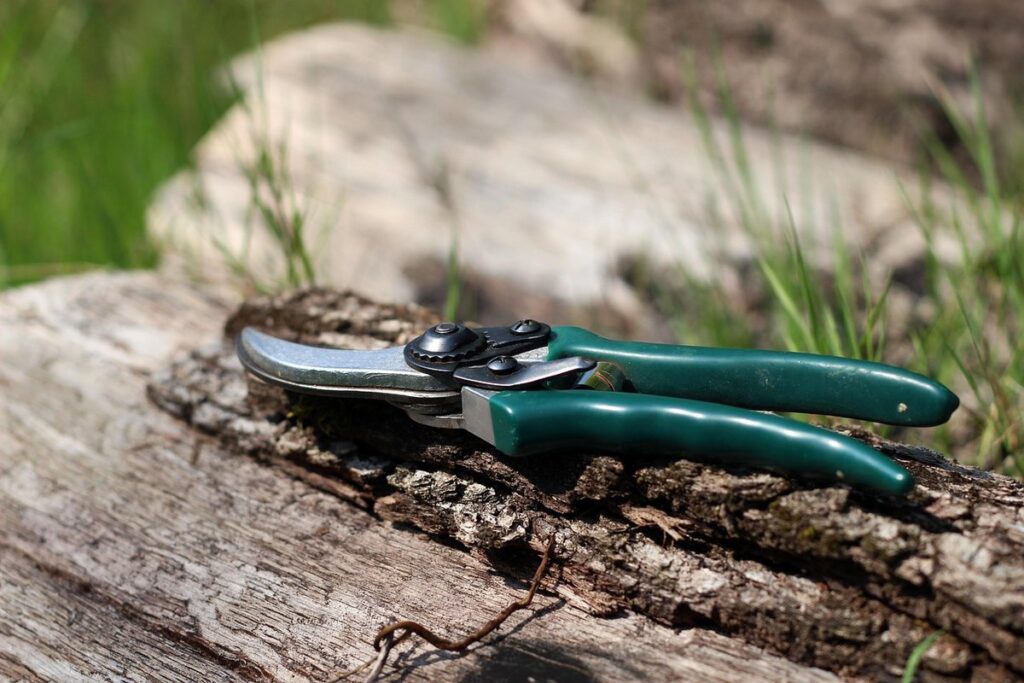
For basic pruning tasks such as removing suckers or trimming back overgrown branches, hand pruners are a great place to start. Look for a pair with sharp blades and comfortable grips to reduce fatigue during extended use. Loppers are also useful for thicker stems and can be used to prune branches that are up to 1-2 inches in diameter.
A pruning saw is necessary for larger cuts or when dealing with particularly thick branches. Choose one with fine teeth and a curved blade to allow for precise cuts and easy navigation through dense foliage. When selecting your tools, consider factors such as durability, ease of maintenance, and rust resistance to ensure they withstand regular use and harsh weather conditions.
When choosing the right equipment, also consider the size and weight of the tool, as well as any additional features that may be beneficial, such as ergonomic handles or adjustable blades.
Inspecting the Plant
Before you start pruning your ground cherry plant, it’s essential to inspect it carefully. This step is crucial to ensure that you’re removing only the necessary branches and preserving the overall health of the plant.
Begin by walking around the plant and visually assessing its condition. Look for any dead, diseased, or damaged branches, which can be identified by their discoloration, brittleness, or unusual growth patterns. Check for signs of pests or diseases such as powdery mildew, black spot, or spider mites.
Next, gently remove some of the leaves and stems to inspect the underlying structure. This will help you identify any internal issues that may not be visible from the surface. Look for any branches that are crossing over each other, which can cause rubbing and damage to the surrounding tissues.
Check for any suckers or water sprouts growing from the base of the plant, as these can divert energy away from the rest of the plant. By taking the time to inspect your ground cherry plant carefully before pruning, you’ll be able to identify areas that need attention and make more informed decisions about how to prune.
Pruning Techniques for Ground Cherries
Now that you’ve learned how to identify and prepare your ground cherry plants, let’s dive into pruning techniques to maximize their growth and productivity. We’ll cover the best methods for harvesting a bountiful crop.
Removing Dead and Diseased Wood
When pruning ground cherry plants, it’s essential to remove dead and diseased wood to prevent the spread of infection and maintain the overall health of the plant. This is especially crucial for ground cherries, which are prone to fungal diseases like powdery mildew and root rot.
To identify dead or diseased wood, inspect your plant regularly for signs of decay, such as blackened stems, soft spots, or a sour smell. Cut off any affected areas using clean, sharp pruning tools to prevent the spread of infection. Make cuts at a 45-degree angle just above a growth node, taking care not to crush the remaining stem.
When removing diseased wood, disinfect your pruning tools between cuts with a solution of 1 part bleach to 10 parts water. This will help prevent the transfer of fungal spores and other pathogens from one area of the plant to another. By following these steps and maintaining good hygiene practices, you can help keep your ground cherry plants healthy and thriving.
Shaping the Plant
When shaping your ground cherry plant to promote healthy growth and encourage fruit production, it’s essential to prune strategically. One technique is thinning, where you selectively remove select branches to allow more sunlight to reach the remaining stems. This helps prevent overcrowding, which can lead to disease and pest issues.
Thinning can be done at any time of year, but it’s most effective during the dormant season when the plant is less active. Remove about 10-20% of the branches, making clean cuts just above a growth node (where a leaf meets the stem). This will help direct energy towards producing fruit and encourage new growth.
Another technique is reduction pruning, which involves cutting back overgrown stems to maintain shape and control size. Cut these stems back to about one-third of their original length, removing any weak or spindly growth. This encourages branching and produces a more balanced plant with increased yields.
Post-Pruning Care
Now that you’ve pruned your ground cherry plant, it’s essential to provide proper care to ensure a bountiful harvest and maintain its overall health. This includes tasks like watering and fertilizing.
Watering and Fertilization
After pruning your ground cherry plants, it’s essential to provide them with optimal care to promote healthy growth and fruit production. Watering is crucial during this period as the plant has just been subjected to physical stress from pruning.
Water your ground cherry plants deeply about a day or two after pruning to help them recover from any shock caused by the pruning process. Make sure the soil is moist but not waterlogged, as this can lead to root rot and other issues. As a general rule of thumb, aim to provide about 1-2 inches of water per week, either through rainfall or irrigation.
In terms of fertilization, you can apply a balanced fertilizer (10-10-10 NPK) about two weeks after pruning. This will help promote healthy growth and encourage fruiting. However, be cautious not to over-fertilize as this can damage the plant’s roots and lead to poor fruit quality.
Monitor your plants closely for any signs of nutrient deficiency or pest infestation. Adjust your fertilization schedule accordingly based on the specific needs of your ground cherry plants.
Pest and Disease Management
As you tend to your ground cherry plants after pruning, it’s essential to keep an eye out for pests and diseases that can compromise their health. Aphids, those tiny sap-sucking insects, can quickly spread from plant to plant, weakening the entire crop. To manage aphid infestations, spray your plants with a strong jet of water, followed by a soap-based insecticide if necessary.
Powdery mildew, caused by fungal spores, can also appear on ground cherries as white, powdery patches on leaves and stems. Regularly inspect your plants for these symptoms and treat promptly with a fungicide specifically designed to combat powdery mildew. Preventive measures like providing good air circulation and watering carefully can also help prevent the spread of fungal infections.
Regular monitoring is key in preventing pest and disease issues from taking hold. Check your plants regularly, looking for signs of infestation or infection. With quick action and the right management strategies, you’ll be able to enjoy a healthy and productive ground cherry harvest.
Common Pruning Mistakes to Avoid
When pruning ground cherries, it’s easy to make mistakes that can harm your plant. Here are some common errors to steer clear of for a healthy and thriving harvest.
Over-Pruning
When it comes to pruning ground cherry plants, it’s easy to get carried away and remove too much foliage. But over-pruning can have serious consequences for the health and productivity of your plant. Not only will it stunt the growth of your ground cherry, but it will also reduce fruit production and make the plant more susceptible to disease.
When a ground cherry plant is pruned excessively, it can’t produce enough energy to support its own growth, let alone produce fruit. This can lead to stunted or leggy growth, making the plant look unhealthy and unproductive. Furthermore, over-pruning will leave the plant vulnerable to pests and diseases, as it’s less able to defend itself.
To avoid over-pruning your ground cherry plants, be sure to only remove dead or diseased wood. Prune no more than one-third of the plant at a time, and only prune in the dormant season to minimize stress. By pruning wisely, you’ll encourage healthy growth and maximize fruit production from your ground cherry plant. Remember, it’s better to err on the side of caution and take smaller, more gentle prunings, rather than risking damage with over-aggressive pruning.
Under-Pruning
Under-pruning can be just as detrimental to your ground cherry plant’s health as over-pruning. When you don’t remove enough branches and leaves, the plant becomes too dense, stifling air circulation. This lack of airflow creates an ideal environment for fungal diseases like powdery mildew and leaf spot to thrive.
As a result, under-pruning can also lead to pest infestations, as insects like aphids and whiteflies are drawn to the plant’s stagnant conditions. To achieve the right balance, prune your ground cherry plant to maintain a moderate density of branches and leaves.
Remove about 1/3 to 1/2 of the oldest, innermost stems each year to promote air circulation and prevent disease. This will also encourage new growth and fruiting. By striking this delicate balance between under- and over-pruning, you’ll give your ground cherry plant the best chance to thrive and produce an abundance of delicious fruit. Regular pruning will help maintain its overall health and vigor.
Seasonal Pruning Considerations
When it comes to ground cherry pruning, timing is everything. Let’s dive into seasonal considerations for pruning your ground cherry plants to keep them healthy and thriving throughout the year.
Spring Pruning
Spring is a prime time to prune ground cherry plants, as it promotes healthy growth and encourages fruiting for the upcoming season. However, timing is crucial – typically, late winter to early spring is ideal, around February or March, depending on your region’s climate.
When pruning in the spring, be mindful of the plant’s dormant phase. Avoid cutting into live wood, which can lead to infection and pest issues. Instead, focus on removing any dead, diseased, or damaged branches that may have accumulated over winter.
For tools, use sharp, clean pruners specifically designed for fruiting plants like ground cherries. Consider wearing gloves to protect yourself from thorns and sap. Prune in a way that allows sunlight to penetrate the canopy, promoting even growth and fruit distribution.
When pruning, remove any suckers or weak growth around the base of the plant, as these can divert energy away from the main stem. Cut back overgrown branches to maintain a balanced shape and encourage air circulation. By doing so, you’ll create an environment that supports healthy ground cherry production and maximizes your harvest yield.
Summer Pruning
When it comes to summer pruning, timing is everything. Pruning during this season can impact fruit production and plant growth in a significant way.
Pruning in the summer months, typically between June and August for ground cherries, can reduce the overall yield of fruit. This is because new growth on the plant will be encouraged by pruning, which may lead to more energy being directed towards vegetative development rather than fruiting. However, this doesn’t mean you should avoid pruning altogether.
In fact, summer pruning can be beneficial if done strategically. Removing weak or diseased branches during this season can help promote healthy growth and prevent the spread of disease. It’s essential to prune only what’s necessary, as excessive removal of foliage can shock the plant and lead to reduced yields in subsequent seasons.
When to prune depends on your specific climate and region. If your area experiences extreme heat or drought, it may be best to delay pruning until the temperature cools down slightly.
Expert Tips and Variations
For even more advanced gardeners, we’ve got expert tips and variations on pruning ground cherries to share, from timing adjustments to tool recommendations.
Pruning for Specific Ground Cherry Varieties
When it comes to pruning ground cherries, different varieties may require unique approaches. For instance, ‘White Pineapple’ and ‘Red Malinowksi’ cultivars have a more compact growth habit and can be pruned heavily without sacrificing fruit production. However, ‘Purple Haze’ and ‘Tanya’s Pink’ varieties are more vigorous and should be pruned lightly to encourage lateral branching.
For example, the ‘Husky Red’ variety benefits from a “topping” approach, where the main stem is removed to encourage bushy growth and increase fruit yield. On the other hand, ‘Aunt Ruby’s Green’ variety requires minimal pruning, as its natural growth habit already produces plenty of fruit on a compact plant.
To determine the best pruning strategy for your specific ground cherry variety, research the cultivar’s growth habits and requirements. Consult with local nurseries or extension services for advice tailored to your region and climate. By adapting your pruning techniques to suit your ground cherry variety, you’ll be well on your way to optimizing fruit production and maintaining a healthy, thriving plant.
Incorporating Companion Planting
Companion planting is an excellent technique to enhance the overall health and productivity of your ground cherry plants. By strategically placing certain plants alongside your ground cherries, you can reap numerous benefits, including reduced pest pressure and improved growth.
For example, marigolds are a natural deterrent for nematodes, which can be detrimental to ground cherry roots. Planting marigolds around the perimeter of your ground cherry patch can help keep these pests at bay. Additionally, basil and mint repel aphids and whiteflies, common pests that target ground cherries.
Other suitable companion plants for ground cherries include borage, which attracts beneficial pollinators like bees and butterflies, and nasturtiums, which release chemicals that deter squash bugs and other pests. By incorporating these plants into your garden design, you can create a balanced ecosystem that promotes healthy growth and minimizes the need for pesticides.
Remember to plant companion species at different heights and maturity rates to ensure they don’t compete with your ground cherries for resources. A diverse and harmonious plant community will lead to a more resilient and productive ground cherry harvest.
Frequently Asked Questions
How often should I inspect my ground cherry plants for signs of disease or pests after pruning?
Inspecting your ground cherry plants regularly is crucial to preventing diseases and pests from taking hold, especially after pruning. Check your plants at least once a week during the growing season (spring-fall) for any signs of damage, discoloration, or unusual growth. Yes, it’s that simple – regular inspections can save you from dealing with more severe issues down the line.
Can I prune my ground cherry vines too early in the spring, before they start producing new growth?
While it might be tempting to get a head start on pruning your ground cherry vines, it’s generally best to wait until late winter or early spring when new growth starts. Pruning too early can stimulate new growth that may not have time to harden off before frost sets in, potentially damaging the plant.
What if I accidentally over-prune my ground cherry plant? Can I still recover from it?
If you’ve accidentally over-pruned your ground cherry plant, don’t panic! While it’s best to avoid over-pruning altogether, there are ways to recover. Provide extra support for the remaining stems, and ensure your plant receives optimal care, including proper watering and fertilization. With time, your plant should be able to regrow and thrive.
Can I use the same pruning techniques for all types of ground cherry varieties?
While some general pruning principles apply across different ground cherry varieties, specific species may require tailored approaches. For instance, some varieties might benefit from more aggressive pruning to control their vigorous growth, while others may need a lighter touch. Research your plant’s specific needs and adjust your pruning strategy accordingly.
How do I know when it’s time to stop pruning my ground cherry vines? Are there any telltale signs?
Pruning is an ongoing process for ground cherry vines, but knowing when to stop can be tricky. Generally, you’ll want to stop pruning once the plant has reached its desired shape and size, or when new growth slows down significantly. Pay attention to your plant’s responses to pruning – if it starts producing fewer new shoots or becomes more susceptible to disease, it may be a sign that you’ve over-pruned.