
Summer is here, and with it comes the perfect opportunity to prune your grapevine for a healthy and productive harvest. Pruning your grapevine during the growing season may seem counterintuitive, but it’s actually an essential part of maintaining its overall health and promoting fruit production. By pruning in summer, you’ll not only encourage new growth but also help prevent disease and pests from taking hold. But if done incorrectly, summer pruning can be detrimental to your vine’s productivity. In this article, we’ll guide you through the benefits of summer pruning, key techniques to keep in mind, and common mistakes to avoid for a bountiful harvest. Whether you’re an experienced grapevine owner or just starting out, learn how to prune your grapevine like a pro with our expert advice on pruning techniques, timing, and more.
Benefits and Timing of Summer Pruning
When it comes to pruning your grapevine, timing is everything. Let’s dive into the benefits and optimal times for summer pruning to ensure a healthy and thriving vine.
Why Prune in Summer
Summer pruning may seem counterintuitive for grapevines, but it offers numerous benefits. One of the most significant advantages is improved air circulation around the plant. When you prune in summer, you remove excess foliage, which can prevent diseases like powdery mildew and black rot from spreading. This is especially important during hot summer months when humidity is high.
By removing diseased or damaged leaves, you’re also reducing the risk of fungal infections that can severely impact fruit production. In fact, a study conducted by the University of California found that proper pruning techniques can reduce disease incidence by up to 70%. Furthermore, summer pruning encourages healthy growth and promotes even ripening of the remaining fruit.
To maximize the benefits of summer pruning, focus on removing weak or spindly growth, cutting back canes to about one-third of their length, and shaping the vine to maintain an open, balanced structure. This will not only improve air circulation but also enhance fruit quality by allowing more sunlight to reach each cluster.
Understanding the Growth Cycle
Grapevines go through distinct growth stages throughout the year, and summer pruning is an essential part of this cycle. In early spring, grapevines begin to produce new shoots from dormant buds. These shoots grow rapidly during the first few weeks, producing leaves and developing a complex system of branches.
As shoot development continues, the vine’s energy focus shifts towards fruit production. This is a crucial stage where summer pruning plays a vital role. Pruning in summer helps control vigor, promoting even fruit ripening and preventing over-production. A well-pruned grapevine can produce higher-quality grapes with better flavor and texture.
Key to successful summer pruning is timing – prune just before the vine’s energy shifts towards fruit ripening. This usually occurs around mid-summer, when the berries are about 1/4 inch in diameter. By removing excess shoots and allowing air to circulate, you’ll improve sunlight penetration and reduce disease susceptibility.
Determining the Best Time to Prune
When it comes to pruning grapevines in summer, timing is everything. To determine the best time to prune, you need to take into account factors such as climate, region, and weather conditions. In general, the ideal time for summer pruning is when the vine is actively growing, usually during the late spring or early summer.
In warmer climates, it’s essential to prune in June or July, just before the heat of summer sets in. This allows new growth to develop before the intense heat, which can cause stress to the plant. In cooler regions, you may be able to prune as late as August or September, depending on the specific weather conditions.
Look for signs that your grapevine is ready for pruning, such as vigorous new growth and a well-developed canopy. Avoid pruning during periods of extreme heat, drought, or frost, as this can cause damage to the plant. By prunning at the right time, you’ll be able to promote healthy growth, increase yields, and reduce disease susceptibility.
It’s also worth noting that in regions with hot summers, it’s better to prune lightly, removing only what’s necessary, rather than risking damaging the plant with heavy pruning during peak heat.
Pre-Pruning Preparation
Before you start pruning, make sure your grapevine is healthy and free of pests or diseases that could spread through cuts. Check for signs of stress or nutrient deficiencies as well.
Assessing Vine Health
Before you start pruning your grapevine, it’s essential to assess its health. This step may seem minor, but it’s crucial for making informed decisions about the type of pruning cuts you’ll make and the potential risks associated with them. Start by inspecting your vine for any signs of disease, pests, or nutrient deficiencies.
Check for yellowing leaves, wilting, or black spots on the foliage, which can indicate a fungal infection such as powdery mildew or downy mildew. Look for aphids, spider mites, or mealybugs on the stems and leaves, as these pests can weaken the vine and spread disease.
Nutrient deficiencies can also affect vine health, causing symptoms like yellowing leaves or stunted growth. Common nutrient deficiencies in grapevines include nitrogen, iron, and potassium. If you notice any of these issues, address them before pruning to prevent further damage.
Use this opportunity to prune diseased or damaged wood, which will help promote healthy new growth. By taking a close look at your vine’s condition, you’ll be better equipped to make pruning decisions that support its overall health and productivity.
Choosing the Right Tools
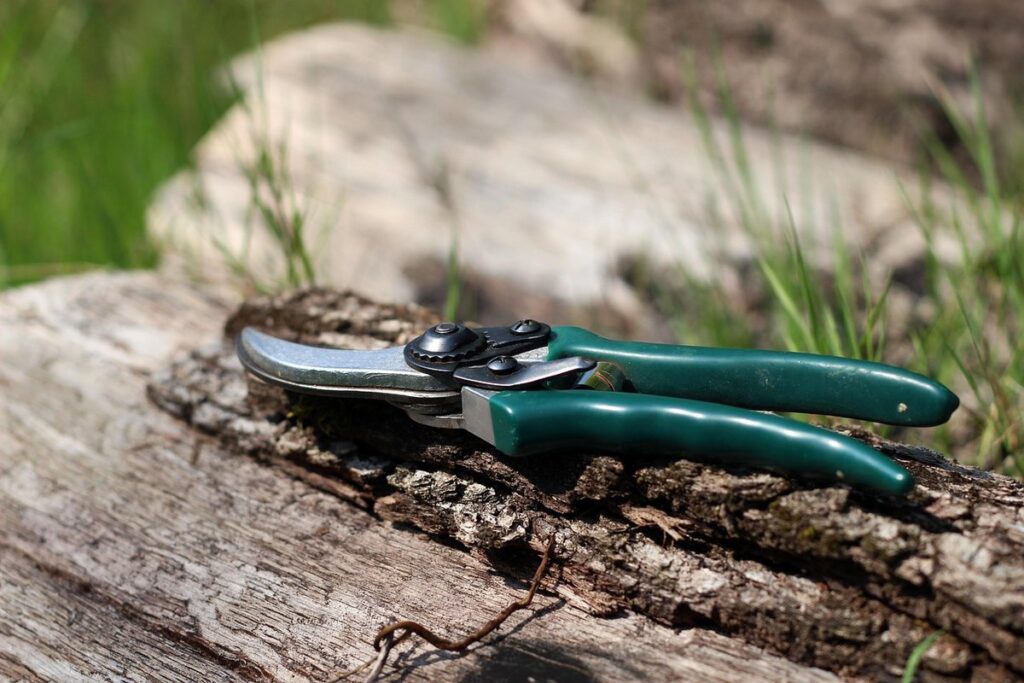
When it comes to summer pruning of grapevines, having the right tools is essential for efficient and safe pruning. You’ll need a combination of hand pruners, loppers, and saws to tackle the various branches and canes.
Hand pruners are ideal for making clean cuts on small branches up to 1 inch in diameter. Look for high-quality pruners with sharp blades and comfortable grips. Regularly sharpen your pruners to maintain their effectiveness.
Loppers are perfect for cutting thicker branches, up to 2 inches in diameter. Choose loppers with long handles (around 30-40 inches) for better leverage and control. When using loppers, always keep your hands away from the blade’s path to avoid accidents.
Saws are necessary for removing larger canes or branches. Use a pruning saw specifically designed for grapevine pruning, which typically has a curved or angled blade. Always sanitize your tools with water and a mild detergent after each use to prevent disease transmission.
Remember to store your tools in a dry place when not in use to maintain their quality and extend their lifespan.
Creating a Pruning Plan
Creating a personalized pruning plan is crucial to ensure your grapevine receives the right amount of care during the summer months. To create an effective pruning plan, consider the unique characteristics and needs of your specific grapevine.
Firstly, take note of your grapevine’s canopy management. Are there any sections that are overgrown or producing less fruit than others? Make a mental map or sketch out a rough outline to identify these areas. This will help you determine where to focus your pruning efforts. Next, think about the fruiting habits of your grapevine. When do they typically produce fruit? Are there any areas with high yields that require more attention?
To create a plan, consider the following steps: inspect your vine’s growth pattern; identify areas of congestion or weak growth; and prioritize pruning based on these findings. Consider pruning at least 50% of last year’s growth to maintain a balanced structure and promote healthy new growth. Don’t forget to factor in any specific needs for disease prevention or pest control. By taking the time to create a personalized plan, you’ll be able to tailor your pruning strategy to address the unique requirements of your grapevine.
Summer Pruning Techniques
When pruning grapevine in summer, it’s essential to focus on reducing the vine’s vigor and promoting healthy growth through specific techniques that will guide you every step of the way.
Removing Water Sprouts and Suckers
Removing water sprouts and suckers is an essential part of summer pruning techniques for grapevines. Water sprouts are vigorous shoots that grow straight up from the base of the vine, often competing with the fruiting canes for nutrients and resources. Suckers, on the other hand, emerge from below the graft union or from lateral roots, also taking valuable energy away from the rest of the plant.
To remove water sprouts and suckers, use a sharp, clean pruning tool to cut them off as close to the base as possible. Make sure to disinfect your tools between cuts to prevent the spread of disease. Remove any weak or spindly growth that’s growing inwards towards the center of the vine, as this can lead to disease and pest issues.
Removing these unwanted shoots promotes healthy growth by directing the plant’s energy towards producing high-quality fruit. By removing water sprouts and suckers regularly, you’ll also reduce the risk of disease and pests taking hold. This task should be done during the summer months when the vine is actively growing, making it an ideal time for summer pruning techniques.
Cutting Back Canes and Spurs
When it comes to summer pruning, cutting back canes and spurs is an essential technique for maintaining a balanced canopy and promoting fruiting wood. To start, identify the primary canes that will provide next year’s framework, typically the strongest and healthiest ones. Cut these canes back by about one-third to one-half of their length, making clean cuts just above a bud eye or a lateral branch.
For spurs, which are short, fruiting branches that grow directly from the main stem, remove any weak or dead growth, but take care not to over-prune. Leave at least two buds on each spur to allow for healthy regrowth and fruit production. By cutting back canes and spurs judiciously, you’ll maintain a balanced canopy, direct energy towards the remaining wood, and encourage a more productive harvest.
Remember that summer pruning is all about fine-tuning your grapevine’s growth, rather than drastically reshaping it. Keep in mind that excessive pruning can stress the plant, so be sure to prune only what’s necessary for optimal health and productivity.
Thinning Fruit Buds and Shoots
Thinning fruit buds and shoots is an essential aspect of summer pruning for grapevines. By doing so, you can control the amount of fruit produced, allowing the vine to focus its energy on ripening a smaller, yet more concentrated crop.
Excessive fruit load can lead to reduced air circulation within the vine, creating an environment conducive to disease development and pests. To prevent this, identify clusters with too many buds and remove them, leaving only 5-7 of the most promising ones per cluster. This process is called “redundant bud removal.”
When thinning shoots, focus on removing weaker or more damaged growth. Leave about one-third of the shoot intact to allow for proper air circulation around remaining stems. Prune at a 45-degree angle, cutting just above an bud eye (the small bump where a new branch emerges). This encourages lateral growth and promotes healthy branching.
By thinning fruit buds and shoots during summer pruning, you’ll not only improve air circulation but also promote better fruit ripening.
Post-Pruning Care
Now that you’ve pruned your grapevine, it’s essential to provide it with proper care during the recovery period to ensure a bountiful harvest next season. We’ll cover the key tasks involved in post-pruning care.
Watering and Mulching
After pruning your grapevine in summer, it’s essential to provide the necessary care for its recovery and growth. Proper watering and mulching are crucial steps that will help your plant thrive.
When it comes to watering, remember that newly pruned grapevines need more moisture than usual due to increased water loss through the cuts made during pruning. Aim to water your vine at least once a week, but make sure not to overwater as this can lead to fungal diseases. To maintain soil moisture, you can also use a layer of organic mulch around the base of the plant. This will help retain moisture and regulate soil temperature.
When choosing a mulch, opt for materials like straw, bark chips, or grass clippings that are rich in nutrients and won’t compete with your grapevine for water and light. As weeds start to emerge, simply pull them out by hand to prevent competition for resources. Regularly inspect the area around your vine and replenish the mulch as needed to ensure a healthy environment for growth.
Monitoring for Pests and Diseases
Monitoring for pests and diseases is crucial after pruning to prevent infestations and infections that can harm your grapevine. Check your vine regularly for signs of damage, such as holes in leaves, yellowing or browning of foliage, and presence of insects like aphids, whiteflies, or spider mites.
Use a magnifying glass to inspect the undersides of leaves and stems for eggs, larvae, or actual pests. Look out for disease symptoms like powdery mildew, downy mildew, or botrytis, which can be caused by fungi. If you notice any issues, remove affected areas immediately to prevent further damage.
To prevent pest infestations, keep your vine clean and well-ventilated. Remove weeds that can harbor pests, and ensure good air circulation around the plant. Use organic methods like neem oil or insecticidal soap to control pests, and fungal diseases can be treated with copper-based products or sulfur dust.
In addition to monitoring and prevention, it’s essential to have a treatment plan in place for common grapevine pests and diseases.
Fertilizing and Pruning Maintenance
After pruning your grapevine in summer, it’s essential to focus on fertilizing and maintaining your pruning tools to ensure a healthy growth cycle. Fertilizing at the right time is crucial for grapevines, as they require specific nutrients during different stages of their growth.
For summer pruning, you’ll want to apply a balanced fertilizer that contains nitrogen (N), phosphorus (P), and potassium (K) in the ratio of 10-10-10. This type of fertilizer promotes leaf growth, fruit development, and overall vine health. You can either use granular or liquid fertilizers, but make sure to follow the instructions on the label for proper application rates.
To maintain your pruning tools, clean them thoroughly after each use with soap and water. Disinfect them regularly by dipping them in a solution of 1 part bleach to 9 parts water. This will prevent the spread of diseases and pests between cuts. Schedule regular maintenance checks every 2-3 months to ensure your tools remain sharp and clean.
By fertilizing and maintaining your pruning tools, you’ll be able to enjoy a bountiful harvest come autumn.
Common Mistakes to Avoid
Pruning grapevine in summer can be a delicate process, and it’s easy to make mistakes that hinder healthy growth. Let’s explore common errors to watch out for when pruning your vine.
Over-Pruning and Under-Pruning
When pruning grapevines in summer, it’s easy to get carried away and either over-prune or under-prune. Both scenarios can have serious consequences for the health and productivity of your vineyard.
Over-pruning involves cutting back more than 25% of the current season’s growth, which can lead to reduced yields in the short term. If you’re new to pruning grapevines, it’s tempting to remove as much wood as possible to control the plant’s size and shape. However, this approach can be counterproductive, as it stresses the plant and makes it more susceptible to disease.
On the other hand, under-pruning allows the vine to grow unchecked, which can lead to stunted growth and reduced yields in the long term. This is particularly true if you’re growing varieties that are prone to over-vigour, such as Thompson Seedless or Flame Seedless. By allowing the vine to produce excessive foliage, you’re diverting energy away from fruit production.
To avoid these pitfalls, it’s essential to prune your grapevines judiciously, taking into account their specific variety and growth habits. A good rule of thumb is to remove no more than 10-15% of the current season’s growth per year. This will help maintain a balance between vegetative growth and fruit production, ensuring that your vineyard remains healthy and productive for years to come.
Pruning at the Wrong Time
When it comes to pruning grapevines in summer, timing is everything. Pruning at the wrong time can have severe consequences for your vine’s productivity and overall health. For instance, pruning too late in the season can disrupt fruit development, leading to reduced yields and lower quality grapes.
If you prune your grapevine during the fruiting phase, which typically occurs between June and September, you may inadvertently cut off developing flowers or fruit clusters. This can significantly impact your harvest, as the vine will have less energy to devote to ripening existing fruits. In severe cases, excessive pruning can even promote pest infestations, such as powdery mildew or black rot, which thrive in weakened plant tissue.
To avoid these issues, it’s essential to prune your grapevine before the new growth begins, usually around late winter or early spring. This allows you to maintain a balanced canopy structure and encourages healthy growth throughout the growing season. Remember, pruning is an ongoing process, and regular maintenance will help prevent any potential problems that might arise from improper timing.
Conclusion and Next Steps
Now that you’ve mastered the art of pruning grapevine in summer, it’s time to take action and apply your newfound knowledge to achieve a bountiful harvest next season. Let’s discuss what comes next!
Recap of Key Takeaways
When pruning grapevines in summer, it’s essential to keep in mind the specific challenges and opportunities that come with this season. Here are the key takeaways from our comprehensive guide:
Make sure to prune for air circulation by removing inward-growing shoots, allowing sunlight to reach all parts of the vine. This is crucial for disease prevention and overall plant health.
Identify the mature wood on your grapevine and remove any dead, diseased, or damaged canes to maintain the vine’s strength and promote healthy growth.
Be mindful of the timing: prune during the dormant season or late winter/early spring for optimal results. However, if you missed this window or have a vigorous vine that requires regular pruning, summer is still a viable option, albeit with caution.
Keep your pruning tools clean and sharp to prevent spreading diseases and make precise cuts. Make sure to water your grapevine thoroughly after pruning to reduce stress and encourage recovery.
Remember to monitor your grapevine’s response to pruning and adjust your strategy accordingly, taking into account factors like climate, soil type, and varietal characteristics.
Encouraging Further Learning and Practice
As you’ve successfully pruned your grapevine in summer, it’s time to take your skills to the next level. To continue learning and improving your pruning techniques, we recommend exploring online resources, attending workshops, or gaining hands-on experience with an experienced pruner.
Online platforms such as YouTube, Udemy, and online gardening forums offer a wealth of information on grapevine pruning. Websites like Gardening Know How and Fine Gardening feature in-depth tutorials, videos, and articles on pruning techniques, pest management, and soil care. Take advantage of these resources to refine your skills and stay updated on the latest methods.
Consider attending workshops or seminars focused on viticulture or pruning specifically. These events provide opportunities to learn from experts, network with fellow gardeners, and gain practical experience under the guidance of seasoned professionals. Alternatively, find a local gardening club or cooperative where you can join hands-on pruning sessions with experienced pruners.
Practicing your skills in real-world scenarios is essential for mastering grapevine pruning. Reach out to local nurseries, vineyards, or gardening groups to see if they offer internships, volunteer opportunities, or mentorship programs that will allow you to gain hands-on experience and learn from experts in the field.
Frequently Asked Questions
Can I Prune My Grapevine at Any Time During the Summer?
While summer pruning is beneficial, it’s essential to prune your grapevine during the hottest part of the day or early morning when the sun is not intense. Pruning in extreme heat can cause stress to the plant, making it more susceptible to disease and pests.
How Often Should I Water My Grapevine After Pruning?
Proper watering is crucial after pruning. Water your grapevine deeply once or twice a week, depending on weather conditions. Mulching around the base of the vine will also help retain moisture and regulate soil temperature. Monitor for signs of overwatering, such as yellowing leaves.
What If I’ve Been Pruning My Grapevine Incorrectly for Years?
Don’t worry; it’s never too late to correct your pruning techniques. Analyze your current methods and compare them with the information provided in this article. Make adjustments gradually to avoid shocking your vine. Focus on removing diseased or damaged wood, encouraging new growth, and promoting air circulation.
Can I Use Regular Garden Shears for Pruning My Grapevine?
No, it’s recommended to use high-quality pruning shears specifically designed for grapevines. These tools are longer-handled, which reduces strain on your back, and have curved blades that allow for precise cuts without crushing the wood. This will also help prevent spreading diseases.
How Long Does It Take to See the Effects of Summer Pruning?
The benefits of summer pruning may not be immediately apparent, but with proper care and patience, you should start noticing improvements within 2-3 months after pruning. Keep an eye out for increased fruit production, healthier-looking foliage, and reduced pest and disease issues.