
When it comes to growing healthy and productive grape vines, there’s one crucial technique that can make all the difference: pruning. Proper pruning is essential for improving yields, enhancing quality, and maintaining plant health. But with so many different methods and systems out there, it can be overwhelming to know where to start. Whether you’re a seasoned viticulturist or just starting out, learning the basics of grape vine pruning is key to getting the most from your vines. In this article, we’ll break down the fundamental principles of pruning, covering basic methods and offering specific guidance on cordon and lyre systems. By the end of it, you’ll have a solid understanding of how to prune your grape vines for maximum success.
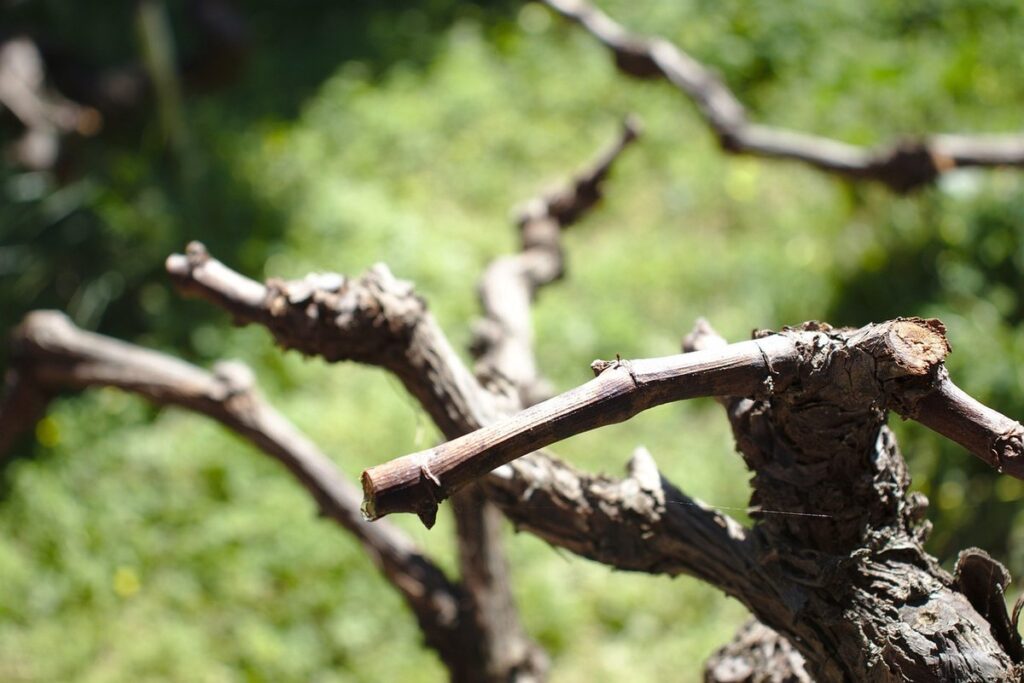
Understanding the Importance of Pruning
Pruning grape vines isn’t just a matter of tidying up their appearance, but also plays a crucial role in determining their overall health and productivity. Let’s explore why pruning is essential for these beautiful plants.
Benefits of Pruning
When you prune grape vines, you’re not just removing unwanted growth – you’re also giving your plant a boost in several key areas. For one, pruning helps to improve yields. By carefully cutting back the vine, you’re directing energy towards producing more fruit, rather than just leafy green growth. This means you can expect a bigger harvest come season’s end.
Pruning also has a direct impact on fruit quality. When vines are allowed to become too dense and overgrown, their grapes may develop uneven ripening, reduced sugar content, and increased susceptibility to disease. By pruning regularly, you’re promoting air circulation, sunlight penetration, and even water distribution – all of which contribute to healthier, more flavorful grapes.
But the benefits don’t stop there. Pruning is also essential for maintaining overall plant health. By removing diseased or damaged branches, you’re preventing the spread of pests and diseases throughout the vineyard. This simple step can save you a world of trouble down the line – not to mention reduce your reliance on chemical treatments.
When to Prune
When it comes to pruning grape vines, timing is everything. The ideal time to prune depends on factors such as climate, region, and vine age.
In general, the best time to prune grape vines is during their dormant season, which typically falls between late winter and early spring. This allows the plant to recover from any damage caused by pruning before new growth begins. In warmer climates, this period may extend into late February or early March, while in cooler regions, it may be as late as April.
Younger vines (less than 5 years old) should be pruned more severely to promote a strong, balanced structure. Remove about one-third of the previous year’s growth to encourage new shoots and increase yields. For older vines, prune selectively, focusing on removing weak or damaged wood and maintaining air circulation within the canopy.
In regions with harsh winters, it may be necessary to delay pruning until late winter or early spring when temperatures are more stable. In areas with mild winters, you can prune in late fall or early winter, but avoid pruning too close to harvest time to prevent stress on the plant.
Basic Pruning Techniques
When it comes to pruning grape vines, it’s essential to start with some basic techniques that will form the foundation for more advanced methods. One of the first steps is to remove dead wood, which can be identified by its brown or gray color and brittle texture. This not only improves the overall appearance of the vine but also prevents disease from spreading.
Another critical technique is shaping the canopy, which involves removing select shoots to control the growth direction and promote even fruiting. To do this, identify the main branches (or cordons) that will support the majority of the fruit load, and remove any weaker or competing shoots. Cut back these shoots to about a third of their length to encourage new growth from the remaining buds.
When pruning grape vines, always use clean and sharp tools to prevent spreading disease. Cut just above a bud eye (the small swelling where a shoot meets a branch), making sure not to crush the eye with your cut. This will help promote healthy growth and reduce the risk of infection.
Pruning Tools and Equipment
Now that you know the basics of pruning grape vines, it’s time to gear up with the right tools for the job. Here are the essential equipment and tools you’ll need to prune your vines like a pro.
Choosing the Right Tools
When it comes to pruning grape vines, having the right tools can make all the difference. You’ll want to choose equipment that’s durable, efficient, and suitable for the task at hand.
For most pruning jobs, you’ll need a combination of hand pruners, loppers, and saws. Hand pruners are perfect for precision cuts on small stems and branches. Look for ones with sharp blades and comfortable grips to reduce fatigue. Loppers, on the other hand, are ideal for thicker branches up to 1-2 inches in diameter. Choose a pair with long handles to give you leverage and reach those hard-to-access areas.
When it comes to saws, a pruning saw or a foldable saw is a must-have for grape vine pruning. A good pruning saw should have a sharp blade with a curved or angled design to make precise cuts. If you’re planning to prune more extensive sections of the vine, consider investing in a high-quality loppers or pruning saw.
When selecting equipment, also keep an eye out for materials that can withstand the rigors of regular use and harsh weather conditions. A good set of pruning tools will last you through many seasons, making it worth investing in quality over cheap alternatives.
Sanitation and Sterilization
When working with pruning tools on grape vines, it’s essential to prioritize proper sanitation and sterilization techniques to prevent disease transmission. Pruning can be a breeding ground for fungal diseases like Powdery Mildew and Botrytis, which can spread rapidly through infected pruning wounds.
To keep your vines healthy and thriving, always clean your pruning tools between cuts using soap and water or a dedicated sanitizer solution. A 10% bleach solution is an effective sterilizing agent that kills bacteria, fungi, and viruses on contact. Soak your pruning shears for 10 minutes after cleaning to ensure maximum effectiveness.
Regularly inspect your pruning tools for any visible signs of damage or wear, replacing them as needed. Store tools in a dry, well-ventilated area when not in use to prevent the growth of bacteria and fungi. By adopting these simple yet crucial practices, you can minimize the risk of disease transmission through your pruning activities and keep your grape vines strong and healthy throughout the growing season.
Pruning Techniques by Vine Type
When pruning grape vines, it’s essential to understand that different varieties require specific techniques. Let’s break down how to prune Chardonnay, Merlot, and Cabernet Sauvignon vines effectively.
Cordons and Spur-Pruned Vines
When it comes to pruning cordon and spur-pruned vines, understanding their unique requirements is crucial for optimal growth and fruit production. These systems are popular among grape growers due to their ability to produce high yields while maintaining a manageable canopy.
Training the canopy of cordon-pruned vines involves creating an open, airy structure that allows sunlight to penetrate and promote even ripening. This is achieved by pruning the lateral shoots to about two-thirds of their length in late winter or early spring. Remove any weak or spindly growth, as these can be indicators of potential problems.
Spur-pruned vines require a slightly different approach. Here, the goal is to create short, vigorous wood that will produce an abundance of fruiting spurs. Prune the laterals back by about one-third in late winter or early spring, and remove any dead, diseased, or damaged wood. This encourages strong, healthy growth and promotes even fruit distribution throughout the vine.
Controlling vigor is also essential for both cordon and spur-pruned vines. Remove any weak or spindly shoots that may be competing with stronger growth for resources. Regularly monitoring your vines’ health will help you make informed pruning decisions to maintain optimal growth and production.
Lyre and Geneva Double Curtain
When it comes to pruning grape vines, two common training systems are lyre and Geneva double curtain. While both methods aim to promote healthy growth and maximize yields, they differ significantly in terms of training and management.
The Lyre system involves training the vine onto a trellis with two arms that are spaced apart to allow for air circulation and sunlight penetration. This system requires regular pruning to maintain its unique shape and ensure that the arms remain evenly spaced. Pruning techniques for the Lyre system include removing lateral shoots, thinning fruit clusters, and cutting back canes to encourage new growth.
In contrast, the Geneva Double Curtain system involves training the vine onto a trellis with two rows of wires, one above the other, which are used to support the canopy. This system allows for more flexible pruning practices, as it’s designed to accommodate a wider range of vine varieties and growing conditions. Pruning for the Geneva Double Curtain system typically focuses on removing water sprouts, thinning fruit clusters, and promoting lateral shoot growth.
When using either system, it’s essential to prune in late winter or early spring, just before new growth begins. This allows you to remove any dead, diseased, or damaged wood while minimizing the risk of infection or disease transmission. By pruning according to the specific needs of your chosen training system, you’ll be able to promote healthy, productive grape vines that thrive under your care.
Tips for Pruning Young Vines
When it comes to young vines, pruning is crucial for establishing a strong foundation and promoting healthy growth. Learn how to prune your grape vines at the right time and for optimal results.
Establishing a Healthy Structure
When pruning young grape vines, establishing a healthy structure is crucial for their long-term success. The goal is to promote even growth and development, which will ultimately lead to a more balanced and productive vine.
To achieve this, begin by removing any weak or spindly growth that may be competing with the main stem. This is usually evident in new plantings where multiple shoots emerge from the base of the vine. By carefully selecting and pruning these unwanted growths, you’ll direct energy towards the chosen leader, promoting healthy development.
Next, focus on maintaining an open center system by pruning lateral canes to about two-thirds their length. This will encourage a balanced canopy structure and allow for adequate air circulation, which is essential for disease prevention.
As new shoots emerge during the growing season, continue to prune selectively, removing any that are crossing or rubbing against each other. By doing so, you’ll maintain an even distribution of growth and prevent damage to the vine’s framework.
Encouraging Fruiting Wood
When pruning young vines, it’s essential to focus on encouraging fruiting wood. Fruiting wood refers to the branches that produce grapes, and promoting their development will ultimately lead to a more productive and healthy vine.
Remove weak growth, such as spindly shoots or water sprouts, which compete with more desirable growth for nutrients and resources. These weak growths often emerge from low on the cane or near the base of the plant, and removing them will redirect energy to the lateral branches that produce fruit.
Promote lateral branches by cutting back vigorous vertical growth (called “tip pruning”) to encourage branching. This technique directs the vine’s energy into producing more fruitful laterals rather than relying on a single stem. By promoting these lateral branches, you’ll increase your vine’s potential for grape production and overall health. Regular pruning practices will help develop strong, productive fruiting wood that sets the stage for a bountiful harvest.
Common Mistakes to Avoid
When pruning grape vines, it’s easy to make mistakes that can harm your plants and reduce their productivity. Let’s review some common errors to watch out for as you work through this process.
Over-Pruning
Over-pruning is a common mistake that many grape vine growers make, often with devastating consequences. When you remove too much of the plant’s foliage and wood, you’re essentially stressing the vine, making it more susceptible to disease and pests. This can lead to reduced yields, as the vine has fewer resources to devote to fruit production.
In extreme cases, over-pruning can even kill the vine altogether. It’s not just a matter of aesthetics; cutting back too much growth can disrupt the vine’s delicate balance and cause irreparable harm. For example, if you remove more than 30% of the canopy in one season, you may be setting yourself up for disaster.
To avoid over-pruning, it’s essential to prune with intention and restraint. Take a step back before each pruning session and ask yourself: “Is this cut really necessary?” Cut only what is truly dead or diseased, leaving enough growth to maintain the vine’s overall health. With careful attention to detail and a willingness to learn from your mistakes, you can avoid over-pruning and grow healthy, productive grape vines for years to come.
Under-Pruning
Under-pruning can be just as detrimental to grape vine health as over-pruning. When you don’t remove enough of the previous season’s growth, it can lead to reduced fruit quality and a weakened plant. The resulting grapes may lack flavor, texture, and overall quality, which can impact the final product whether it’s for wine, table consumption, or fresh sales.
Another critical consequence of under-pruning is an increased risk of pest and disease issues. When vines are not pruned regularly, they become more susceptible to common problems like powdery mildew, black rot, and Botrytis bunch rot. These diseases can quickly spread throughout the vineyard, causing significant damage and reducing yields.
To avoid these issues, it’s essential to prune your grape vines at the correct time each year. Remove any weak or damaged growth, as well as about one-third of last season’s wood. This will encourage a balanced and vigorous plant that is better equipped to resist pests and diseases. Regular pruning also helps maintain a healthy canopy structure, ensuring even sunlight penetration and promoting air circulation – both critical factors in disease prevention.
Conclusion and Next Steps
Now that you’ve mastered the art of pruning grape vines, let’s recap what we’ve covered so far and explore next steps for continued success.
Reviewing Key Takeaways
As we conclude our comprehensive guide to pruning grape vines, it’s essential to review the key takeaways that will help you cultivate a healthy and productive vineyard. Proper pruning techniques are crucial for maintaining the balance between fruit production and vine health.
Firstly, we discussed the importance of timing when it comes to pruning grape vines. Pruning should be done during the dormant season, typically in late winter or early spring, before new growth begins. This allows for optimal regrowth and helps prevent disease.
Another critical aspect is understanding the type of pruning cut to make. A clean, angled cut just above a bud eye will stimulate new growth, while cutting too close to the bud can damage the vine’s structure. Remember to remove any dead, diseased, or damaged wood to maintain air circulation and promote healthy growth.
Lastly, don’t forget to leave some buds intact for future growth and pruning cycles. By following these key takeaways, you’ll be well on your way to becoming a skilled grapevine pruner, ensuring a bountiful harvest year after year.
Scheduling Pruning Sessions
Scheduling pruning sessions effectively is crucial for maintaining healthy grape vines and optimizing fruit production. The ideal time to prune depends on various factors, including climate, region, and vine age.
In general, it’s best to prune grape vines during the dormant season, typically between late winter and early spring. This allows you to assess the vine’s structure and make any necessary adjustments before new growth begins. However, in warmer climates or regions with mild winters, pruning may be done later in the year.
For young vines (typically under 2 years old), it’s recommended to prune more extensively, focusing on developing a balanced and open framework. For mature vines, prune less aggressively, aiming for selective removal of old wood to maintain air circulation and promote fruiting.
In areas with harsh winters or extreme weather conditions, consider pruning in stages. Prune the most vulnerable sections (such as those near the base of the vine) first, then follow up with further pruning once new growth emerges. This approach helps minimize damage from cold snaps or other environmental stressors.
Frequently Asked Questions
What are the key differences between cordon, lyre, and Geneva Double Curtain pruning systems?
These three pruning systems serve specific purposes depending on factors like climate, soil type, and desired fruit characteristics. Cordon pruning is ideal for small spaces, lyre pruning suits well-drained soils, while Geneva Double Curtain excels in hot climates. Consider your vineyard’s specifics when deciding which system best suits your needs.
How do I know if I’m over-pruning or under-pruning my grape vines?
Both over- and under-pruning can significantly impact yields and plant health. To avoid this, observe your vines’ growth closely during the pruning season. Remove no more than one-third of the previous year’s wood, keeping in mind that some branches should be left intact to provide structural support.
Can I prune my grape vines at any time of the year?
While it’s possible to perform minor maintenance tasks on grape vines throughout the growing season, major pruning is best done during the dormant period. This ensures minimal disruption to the plant and maximizes the effectiveness of your efforts.
What are some essential tools for a safe and efficient pruning process?
A good pair of sharp hand pruners or loppers, gloves, safety glasses, and a pruning saw (optional) form the core toolkit for grape vine pruning. Remember to always disinfect your tools between cuts to prevent disease spread.
How often should I schedule pruning sessions throughout the year?
For mature vines, prune once annually during the dormant period. Younger vines may require more frequent pruning (up to three times a year), focusing on shaping their structure and promoting healthy growth patterns.