
Pruning your gooseberry bush might seem daunting at first, but trust us, it’s a crucial step in promoting healthy growth and maximizing fruit production. If you’re new to gardening or struggling with overgrown bushes, don’t worry – we’ve got you covered! Pruning gooseberries can actually be beneficial for the plant’s overall well-being, as it helps control its shape, encourages new growth, and increases yields.
In this comprehensive guide, we’ll walk you through the benefits of pruning gooseberries, introduce you to the necessary tools and techniques, and share expert tips on how to prune like a pro. We’ll also cover post-pruning care to ensure your bush continues to thrive. Whether you’re looking to revamp your garden or simply want to get the most out of your gooseberry harvest, this article will provide you with everything you need to know to prune your gooseberries effectively and efficiently.
Importance of Pruning Gooseberries
Pruning gooseberries is crucial for their healthy growth and fruit production, so let’s dive into why it matters most for your plants. Proper pruning techniques ensure a bountiful harvest.
Benefits of Regular Pruning
Regular pruning is essential for promoting healthy growth, increasing fruit production, and maintaining the overall shape of your gooseberry bushes. When done correctly, pruning encourages new growth, which leads to a more vigorous and productive plant.
One of the primary benefits of regular pruning is that it allows air and light to penetrate the interior of the bush, reducing disease susceptibility and promoting healthy growth. This is particularly important for gooseberries, as they are prone to fungal diseases like powdery mildew and black spot. By removing any weak or damaged branches, you can prevent these issues from taking hold.
Pruning also plays a crucial role in increasing fruit production. By removing select branches, you can direct the plant’s energy towards producing more fruiting wood. This means that your gooseberry bush will be able to produce more berries throughout the growing season. To achieve this, focus on removing any weak or spindly growth, as well as any crossing branches that may be competing for light and nutrients.
In addition to promoting healthy growth and increasing fruit production, regular pruning helps maintain the overall shape of your gooseberry bush. This is especially important if you’re trying to train your plant into a specific shape, such as a hedge or espalier. By regularly pruning your gooseberries, you can achieve the desired form while also encouraging new growth and promoting healthy development.
Common Problems Caused by Neglecting Pruning
When you neglect pruning gooseberry bushes for an extended period, several problems can arise. One of the most noticeable issues is overgrown branches that can become a hindrance to air circulation and sunlight penetration. This leads to reduced yields as gooseberries require adequate light to produce fruit efficiently. Without regular pruning, your gooseberry bush may look unkempt, but it’s not just aesthetics – overgrowth also increases susceptibility to diseases like powdery mildew and leaf spot.
As the canopy becomes dense due to unpruned branches, moisture can accumulate on leaves, creating a perfect breeding ground for fungal pathogens. This, in turn, affects fruit quality, reducing yields even further. Furthermore, neglected pruning can lead to branch breakage during strong winds or when you need to access the bush for maintenance.
To avoid these issues, make it a point to prune your gooseberry bushes annually to maintain their shape and promote healthy growth. Prune at least once a year, ideally in late winter or early spring before new growth begins, to keep your gooseberries thriving and producing well.
Tools and Equipment Needed for Pruning
To prune your gooseberry bushes effectively, you’ll need the right tools and equipment to make the process easier and safer. Let’s take a look at what you should have on hand.
Choosing the Right Pruning Tools
When it comes to pruning gooseberries, having the right tools for the job can make all the difference. You’ll want to choose pruning tools that are designed specifically for gardening and are suited to the size and type of branch you’re working with.
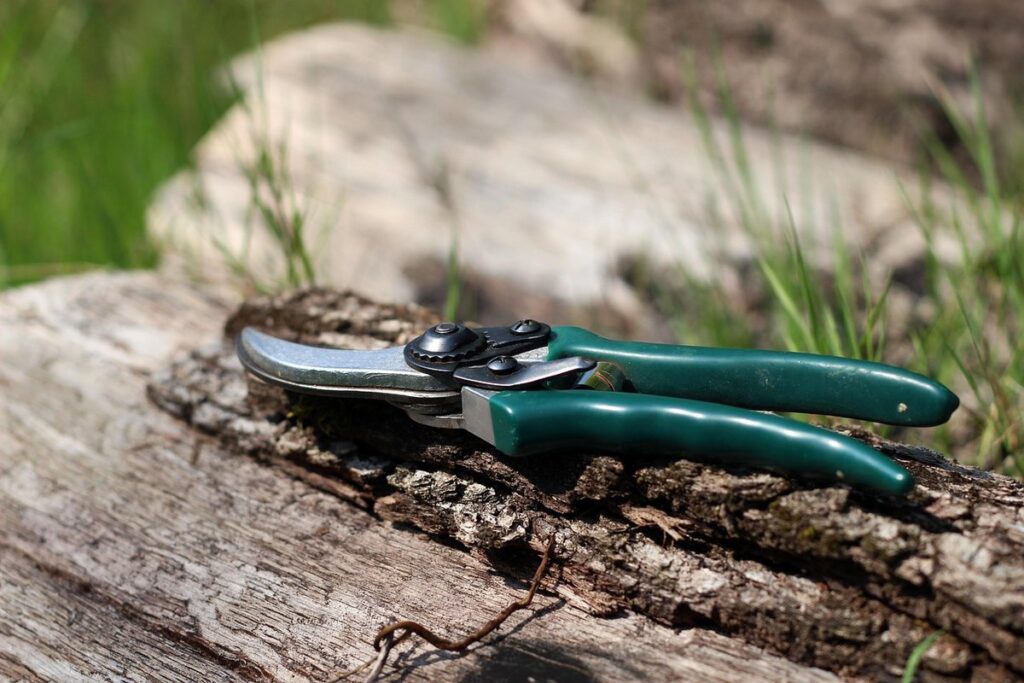
Hand pruners, also known as secateurs, are ideal for small branches up to 1-2 inches in diameter. They’re great for making precise cuts and are perfect for shaping and maintaining the overall structure of your gooseberry bush. Look for hand pruners with sharp blades made from high-carbon steel or titanium, which will stay sharp for longer.
Loppers are another essential tool for pruning gooseberries. They’re designed to cut thicker branches up to 2-3 inches in diameter and come in different lengths to suit your needs. When choosing loppers, consider the type of handle material – aluminum or fiberglass handles are lightweight and durable, while steel handles offer added strength.
When selecting pruning tools, also consider ergonomics and comfort. Look for handles with cushioning or grips that fit comfortably in your hand, making it easier to prune for extended periods.
Preparing the Plant for Pruning
Before you start pruning your gooseberry plant, it’s essential to prepare it for the process. Begin by removing any debris or weeds that may be surrounding the plant, as these can harbor pests and diseases that could spread to your gooseberries during pruning. Use a soft brush or a hose to gently sweep away any loose material.
Next, inspect the plant for signs of disease or pests. Check the leaves, stems, and fruit for any visible damage, discoloration, or unusual growths. Look for aphids, spider mites, or other common pests that can weaken the plant. If you notice any issues, treat the plant with organic or chemical controls before pruning.
Also, take a closer look at the plant’s structure to identify any dead, diseased, or damaged branches. These should be removed during pruning to prevent the spread of disease and encourage healthy growth. Take your time to inspect the entire plant carefully, as this will ensure that you’re not spreading potential problems while pruning.
Timing and Techniques for Pruning
When pruning gooseberries, understanding when and how to do it is crucial for maintaining a healthy and productive plant. This section will explore the best times and techniques for pruning your gooseberry bush.
Determining the Best Time to Prune
When it comes to pruning gooseberries, timing is everything. The optimal time for pruning depends on various factors such as climate, season, and plant growth stage. In general, it’s best to prune gooseberry bushes during their dormant period, which typically falls between late winter and early spring.
In temperate climates with cold winters, wait until the threat of frost has passed before pruning. This is usually around late March or early April in the Northern Hemisphere. Avoid pruning during active growth periods, as this can cause stress to the plant. If you’re unsure about the timing, observe your gooseberry bushes and look for signs that they’re ready for a trim. These may include dead, diseased, or damaged branches, which should be removed immediately.
Check the new growth on your plants by gently grasping a stem between your thumb and index finger. If it’s still flexible and can be bent easily, it’s likely still too early to prune. However, if the stem feels brittle and snaps when bent, it’s ready for pruning.
Basic Pruning Techniques
When it comes to pruning gooseberries, you’ll need to employ some basic techniques to keep your plants healthy and thriving. One of the first steps is to cut back overgrown branches. This not only improves air circulation but also allows sunlight to reach all parts of the plant. To do this, use a pair of clean pruning shears or loppers and remove any long, leggy stems that are growing outside of the central leader.
Next, inspect your plants for dead or diseased wood. Remove any branches that show signs of decay, such as soft spots, cracks, or fungal growth. This is especially important for gooseberries, which can be susceptible to disease if not properly pruned. Use a disinfectant spray on your pruning tools between cuts to prevent the spread of disease.
As you prune, take the opportunity to shape the plant’s structure. Remove any crossing branches that rub against each other and create an open, vase-like shape. This allows for easy harvesting and reduces the risk of fungal diseases that thrive in dense foliage. Remember to make clean cuts just above a bud or lateral shoot, as this encourages healthy growth and fruiting.
Advanced Pruning Methods
Now that you’ve mastered the basics, it’s time to take your pruning skills to the next level by learning advanced techniques for shaping and rejuvenating mature gooseberry bushes. We’ll dive into specialized methods for controlling disease and promoting fruiting.
Reducing Fruiting Wood
When pruning gooseberry bushes, one of the key goals is to promote even growth and maximize fruit production. One important aspect of this is identifying and reducing excessive fruiting wood. Fruiting wood refers to the branches that produce flowers and berries on the bush. While it may seem counterintuitive to prune these branches, allowing them to remain unchecked can actually lead to reduced overall productivity.
Look for branches that are producing a high number of berries or those that appear over-fruitful. These should be pruned back by one-third to one-half of their length to encourage more even growth and prevent the bush from becoming too leggy. This will also help direct energy towards new, unproductive growth, resulting in an overall increase in fruit production. By judiciously pruning these branches, you’ll be promoting a healthier, more balanced bush that’s better equipped to produce high-quality berries year after year.
Encouraging New Growth
When encouraging new growth on your gooseberry plant, it’s essential to focus on creating an environment that fosters healthy development. One of the most critical aspects is making clean cuts when pruning. This might seem obvious, but it’s surprising how often gardeners neglect this simple yet crucial step.
Clean cuts help prevent damage to the plant and encourage new growth by minimizing the risk of disease and pests entering through wounds. To make a clean cut, use sharp, sterile pruning tools and cut just above a bud or lateral branch, making sure not to leave any stubs that can become infected.
Another technique for promoting new growth is removing weak shoots, which will actually weaken the plant in the long run if left intact. By cutting out these weaker branches, you’re directing energy towards more desirable areas of the plant and encouraging it to focus on producing fruit. This process should be done regularly throughout the growing season to keep your gooseberry bush healthy and thriving.
Post-Pruning Care and Maintenance
Now that you’ve pruned your gooseberry bushes, it’s time to focus on post-pruning care and maintenance to keep them healthy and thriving in the coming seasons. This includes tasks like watering, fertilizing, and protecting against pests and diseases.
Watering and Fertilizing After Pruning
After pruning your gooseberry bushes, it’s essential to provide them with proper care and attention to ensure they recover quickly and continue to thrive. Watering is a crucial aspect of post-pruning care, as the plant will need to replenish lost fluids and nutrients. Be sure to water your gooseberries thoroughly after pruning, taking into account the soil type and moisture levels in your area.
As for fertilizing, it’s best to wait until new growth appears before applying any fertilizer. This is usually around 1-2 weeks after pruning, depending on weather conditions. Choose a balanced, water-soluble fertilizer (e.g., 20-20-20 NPK) and follow the manufacturer’s instructions for application rates. You can also consider adding compost or well-rotted manure to maintain soil health and provide essential nutrients.
Remember that over-fertilizing can be detrimental to your plant, so it’s better to err on the side of caution. Stick to recommended application rates, and avoid fertilizing during periods of drought or extreme heat, as this can cause more harm than good.
Monitoring for Pests and Diseases
Monitoring for pests and diseases is crucial after pruning gooseberry bushes. Goosberries are susceptible to various problems that can arise due to stress caused by pruning. Common pests include aphids, whiteflies, and spider mites, which can be identified by their presence on the leaves or stems. These infestations can weaken the plant, making it more vulnerable to disease.
Some common diseases affecting gooseberry bushes include powdery mildew, botrytis, and leaf spot. Look for signs such as white powdery patches on leaves (powdery mildew) or soft, grayish-brown spots with darker centers on leaves (leaf spot). Prune any affected branches to prevent the spread of disease.
Regular monitoring is key in preventing pest and disease issues. Inspect your gooseberry bushes regularly for signs of infestation or infection, and act promptly if you notice anything unusual. Regularly clean pruning tools between cuts to prevent the spread of disease, and use organic or integrated pest management methods whenever possible.
Troubleshooting Common Pruning Mistakes
We’ve all been there: pruning your gooseberries only to discover a few mistakes that can harm their health. Let’s identify and fix these common errors together.
Recognizing Common Errors
When pruning gooseberries, it’s easy to get caught up in the process and make mistakes that can harm your plants. One common error is cutting too much at once. This might seem like a quick fix, but removing large sections of branches can shock the plant and lead to disease or pest problems down the line.
To avoid this mistake, prune only what’s necessary, taking off no more than 1/3 of the branch in one cut. If you need to remove a larger section, do it over several sessions, allowing the plant time to recover between prunings.
Another common error is neglecting proper sanitation procedures. This includes not cleaning your pruning tools regularly and not removing dead or diseased branches immediately. Failing to do so can spread disease throughout the plant and even contaminate other nearby plants. Always clean your tools with soap and water after each use, and make sure to dispose of any debris in a way that prevents it from coming into contact with other plants.
By being mindful of these common mistakes, you can help ensure your gooseberry plants stay healthy and thrive under your care.
Correcting Common Pruning Issues
When pruning gooseberries, it’s not uncommon to encounter common mistakes that can have lasting effects on the plant. If you’ve over-pruned, pruned at the wrong time, or neglected regular maintenance, don’t worry – there are steps you can take to correct these errors and get your bush back on track.
Start by assessing the damage: inspect your gooseberry for signs of stress, such as yellowing leaves or reduced fruit production. If you’ve over-pruned, it may be tempting to cut back further to compensate, but resist this urge – instead, focus on promoting new growth from the remaining branches.
To correct pruning mistakes, try these recovery strategies:
• Reduce water and fertilize sparingly until the bush shows signs of renewed vitality
• Prune in stages, removing no more than one-third of the plant’s growth at a time to prevent shock
• Encourage new growth by providing optimal growing conditions, including sunlight, temperature, and soil quality
By following these tips and being patient with your gooseberry’s recovery process, you can nurse it back to health and enjoy a bountiful harvest in no time.
Frequently Asked Questions
Can I prune my gooseberry bush at any time of the year?
No, it’s essential to prune your gooseberry bush during its dormant season (winter or early spring), as this allows the plant to focus on new growth and fruit production.
How often should I water my gooseberry bush after pruning?
After pruning, it’s crucial to keep the soil consistently moist but not waterlogged. Aim for about 1-2 inches of water per week, either through rainfall or irrigation. This will help your plant recover from pruning and promote healthy growth.
What if I accidentally cut a few too many shoots – is there still hope?
Yes! While it’s ideal to prune carefully, mistakes can happen. If you’ve removed too much growth, don’t worry. The remaining stems will still produce fruit, but consider making adjustments in the next growing season to balance out your bush.
Can I use regular garden shears for pruning my gooseberry bush?
While regular garden shears can work, it’s recommended to invest in high-quality loppers or pruning saws specifically designed for thicker branches. These tools will make pruning easier and less straining on you, ensuring a cleaner cut and reducing the risk of damage.
What if I notice signs of pests or diseases after pruning – how do I address them?
If you notice any issues after pruning, take action quickly! Inspect your plant regularly, and use organic or integrated pest management methods to control pests. Remove any diseased or damaged branches to prevent further spread. Consider consulting with a gardening expert for guidance on specific treatments.