
Are you growing fig trees in containers and wondering how to get the most out of them? With their sweet, juicy fruit and ornamental appeal, it’s no wonder why fig trees have become a popular choice for urban gardeners. However, pruning is essential to maximize fruit production, maintain tree health, and enhance the overall aesthetic of your container garden. But where do you start? Pruning can be intimidating, especially if you’re new to growing figs.
In this article, we’ll share expert tips on how to identify suitable varieties for containers, determine the best time for pruning, and avoid common mistakes that can harm your tree’s health. By mastering the art of pruning, you’ll be able to promote healthy growth, encourage more fruiting branches, and create a stunning display in your garden or patio. So, let’s dive into the world of fig tree pruning and discover how to take your container gardening skills to the next level!
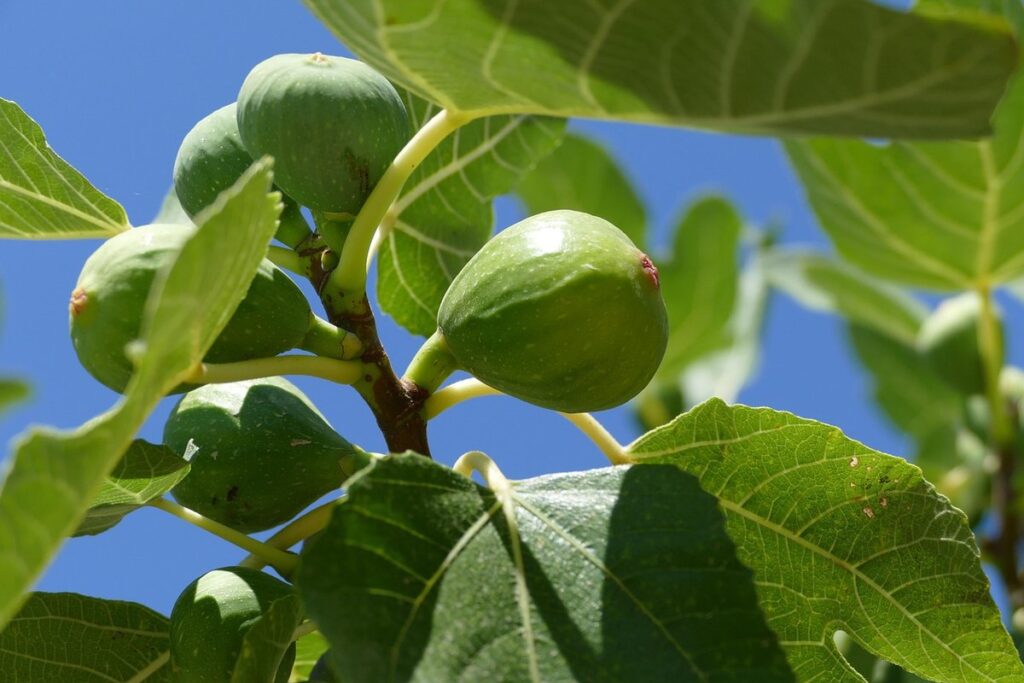
Understanding Fig Tree Growth Habits
Fig trees have unique growth habits that affect how they respond to pruning, and understanding these patterns is crucial for successful container cultivation.
This section will break down the key factors influencing fig tree growth in containers.
Identifying Fig Tree Varieties Suitable for Container Growing
When choosing a fig tree variety for container growing, it’s essential to select one that thrives in confined spaces and has manageable growth habits. Some popular varieties suitable for containers are ‘Brown Turkey’, ‘Black Jack’, and ‘Vergnano’. These trees have compact root systems, moderate growth rates, and can tolerate some shade.
The dwarf varieties of fig trees, such as ‘Petite Negri’ and ‘Marseilles Black’, are specifically bred for container growing. They tend to stay smaller (around 3-6 feet in height) and require less space compared to their standard counterparts. These compact trees produce one main trunk with multiple branches, making them ideal for containers.
Another consideration is the mature size of the tree. Opt for varieties that naturally grow smaller or are more columnar in shape, like ‘Black Jack’ or ‘Vergnano’. These trees can thrive in 14-18 inch deep containers and have a narrower spread (around 3-4 feet).
Factors to Consider When Selecting a Fig Tree Variety for Container Gardening
When selecting a fig tree variety for container gardening, it’s crucial to choose one that is compact or dwarf. These varieties are specifically bred to thrive in smaller spaces and produce fruit on a more manageable scale. If you’re limited by space or want to prune your fig tree regularly, look for varieties like ‘Brown Turkey’, ‘Black Jack’, or ‘Vergnano’. These compact varieties typically grow between 6-10 feet tall, making them ideal for container gardens.
In addition to size, consider the fruit characteristics that matter most to you. Do you prefer larger, sweeter fruits or smaller, more intense flavors? Some popular varieties like ‘Brown Turkey’ produce large, sweet figs, while others like ‘Vergnano’ yield smaller, more concentrated flavors. Research and select a variety that aligns with your preferences.
When choosing a variety, also think about the climate you live in and the level of maintenance you’re willing to commit to. Compact varieties often require less pruning but may need more frequent fertilization. By carefully selecting a fig tree variety that fits your needs, you’ll set yourself up for success in container gardening.
Pre-Pruning Checklist
Before you start pruning, make sure you’ve got everything on hand and your fig tree is healthy enough to withstand the process. Check off each item on our pre-pruning checklist below.
Assessing the Health of Your Fig Tree
Before you start pruning your fig tree, it’s essential to assess its overall health. This step is crucial to ensure that you’re not inadvertently spreading diseases or pests while pruning. Begin by examining the tree’s leaves for signs of nutrient deficiencies, such as yellowing or curling leaves, which can be a symptom of nitrogen deficiency. Check for any white powdery patches on the leaves, which could indicate the presence of mealybugs.
Inspect the tree’s trunk and branches for signs of pests like aphids, spider mites, or scale insects. Look for sticky honeydew droplets, which are a common byproduct of these pests. Also, examine the roots for any signs of root bound conditions, such as circling or knotted roots. Environmental stressors like excessive heat, cold, or drought can also affect your fig tree’s health.
Check the tree’s overall growth pattern and look for any signs of disease, such as black spots on leaves or a soft, mushy texture on the bark. If you notice any issues, it’s best to prune only what’s necessary to maintain the tree’s health and structure. For example, if your fig tree is under attack by pests, pruning away infested branches can help prevent the spread of the problem.
Determining the Best Time for Pruning Based on Climate and Location
When it comes to pruning fig trees in containers, timing is crucial and heavily influenced by climate and location. In general, fig trees require regular pruning to maintain their shape, promote fruiting, and prevent disease. However, the best time for pruning varies depending on where you live.
In warm climates with mild winters, such as those found in USDA zones 9-11, prune your fig tree during its dormant season, typically from December to February. This allows new growth to emerge before the heat of summer. In contrast, cooler climates with frosty winters (USDA zones 6-8) should prune in late winter or early spring, around February or March, to give the tree a head start on the growing season.
Consider your local climate’s temperature fluctuations and rainfall patterns when deciding when to prune. If you live in an area with hot summers and mild winters, prune in fall or early spring, avoiding the hottest summer months.
Basic Pruning Techniques
Let’s start with some essential pruning techniques that will help you keep your container fig tree healthy and thriving, even during the off-season. We’ll cover the basics of cutting back, thinning out, and shaping your tree for optimal growth.
Removing Dead or Damaged Wood
When pruning fig trees in containers, it’s essential to inspect your tree regularly for dead or damaged branches. These can be identified by their brittle texture, discoloration, or signs of disease such as fungal growth or insect infestations. To prevent the spread of disease and maintain your tree’s health, remove any affected branches promptly.
When cutting back dead wood, make clean cuts just above a node (where a branch meets the trunk), using sharp, sterile pruning tools to minimize the risk of infection. Cut at a 45-degree angle, allowing water to run off freely, and make sure to disinfect your tools between cuts.
Regular inspections can help you catch problems early, but be aware that pests like aphids, mealybugs, or scale insects can also cause damage. Remove any infested branches immediately to prevent the infestation from spreading. Keep in mind that fig trees are relatively resilient and can recover quickly with proper care, so don’t hesitate to take action if you notice any issues.
Cutting Back Canes for Shape and Size Control
When pruning fig trees in containers, it’s essential to control their size and shape by cutting back canes. This process is crucial for maintaining a balanced structure, ensuring the tree receives adequate air circulation, and promoting healthy growth. Start by selecting the longest canes that are growing towards the outside of the container, as these will require the most pruning.
To cut back canes, use sharp, clean pruning shears or loppers to make a 45-degree angled cut just above a bud eye or a lateral branch. Make sure the cut is about one-third to one-half of the cane’s length. This technique encourages new growth from the remaining buds, promoting a fuller and more balanced shape.
Cutting back canes also helps control the tree’s size by reducing its overall height. By regularly pruning the longest canes, you’ll prevent them from growing too tall and top-heavy, which can cause the tree to become unstable in the container.
Advanced Pruning Techniques
Once you’ve mastered the basics of pruning your fig tree, it’s time to take your skills to the next level with advanced techniques for promoting healthy growth and maximizing fruit production.
Air Layering for Propagation
Air layering is a fascinating method for propagating new fig trees from established ones. This technique involves creating a temporary aerial root on the stem of a mature tree, which eventually forms a new plant. To begin with air layering, you’ll need to select a section of the tree that’s at least 1-2 feet long and has at least two nodes. Make a shallow incision in the bark, about 1 inch deep, taking care not to damage the vascular tissue beneath.
Next, fill the wound with a rooting hormone and cover it with moss or another moist medium. Keep the area consistently moist and humid, ideally within a propagation tray or a clear plastic bag. Over time, you should start to notice roots developing on the aerial section of the tree. Once the new roots have formed, cut the stem below the roots, and plant the new tree in a pot filled with well-draining soil.
Keep in mind that air layering can be a slow process, requiring several months for successful propagation. It’s essential to monitor the tree closely during this time, making adjustments as needed to ensure optimal rooting conditions.
Espalier Training for Space-Efficient Growth
When growing fig trees in containers, space is often a concern. However, with the right technique, it’s possible to train your tree to thrive in even the smallest spaces while maintaining its fruit production capabilities. This is where espalier training comes in.
Espalier training involves training the tree to grow along a trellis or other support system, allowing the roots and branches to be neatly contained within a compact area. This not only saves space but also improves air circulation around the fruiting branches, which can help prevent disease and encourage healthy growth. To get started with espalier training your fig tree, choose a sturdy trellis that’s at least 6 feet tall, and train the main branches to grow along it by gently twisting and securing them in place.
By using a combination of wires or string, you can create a framework for the tree to follow as it grows. Make sure to provide regular pruning and maintenance to keep your espalier-trained fig tree healthy and productive throughout the growing season. With patience and practice, you’ll be enjoying fresh homegrown fruit from even the most compact container garden in no time.
Post-Pruning Care
Now that you’ve pruned your fig tree, it’s essential to provide proper care after pruning to promote healthy growth and a bountiful harvest next season. Proper post-pruning care involves regular watering and fertilization, as well as monitoring for pests and diseases.
Watering and Fertilization After Pruning
Proper watering and fertilization are crucial after pruning to help your fig tree recover from the stress of pruning. When you prune a fig tree, you’re cutting away a significant portion of its foliage, which reduces its ability to absorb nutrients and water. As a result, it’s essential to monitor your tree’s watering needs closely.
Watering should be adjusted according to the climate and temperature in your area. In warm climates or during periods of high temperatures, your fig tree will require more frequent watering. On the other hand, if you’re in a cooler climate or experiencing rainfall, you may need to reduce watering frequency.
To avoid over-watering, ensure that the soil has dried out slightly between waterings. A good rule of thumb is to check the moisture level by inserting your finger into the soil up to the first knuckle. If the soil feels dry, it’s time to water.
As for fertilization, you should wait until new growth appears before applying a balanced fertilizer. At this point, the tree will be more receptive to nutrient uptake. A general-purpose fertilizer with a 10-10-10 NPK ratio is suitable for fig trees.
Monitoring Tree Health and Adapting to Climate Change
Regular monitoring of your container fig tree’s health is crucial, especially when grown outdoors where it’s exposed to various environmental factors. Keep an eye out for signs of stress, such as yellowing leaves, droopy branches, or a sudden decline in fruit production.
Climate change can bring unpredictable weather patterns, and fig trees are no exception. Droughts, extreme heatwaves, and intense rainfall events can all impact tree health. To adapt to these challenges:
* Water your tree deeply but infrequently to encourage deep root growth, making it more resilient to drought.
* Provide adequate shade for your tree during hot summer months using a sheer or porous cloth to filter sunlight.
* Consider installing a rain barrel or grey water system to collect and reuse water for irrigation.
By monitoring your tree’s health and adapting to climate-related challenges, you’ll be better equipped to prevent problems and ensure the long-term success of your container fig tree.
Common Mistakes to Avoid When Pruning Fig Trees in Containers
When pruning fig trees in containers, it’s easy to make mistakes that can harm your plant’s growth and productivity. Let’s cover some of the most common errors to avoid for a healthy tree.
Over-Pruning: Causes and Consequences
Over-pruning fig trees in containers is a common mistake that can have severe consequences for the health and productivity of your tree. When you remove too much foliage, you’re not only reducing the tree’s ability to photosynthesize and grow, but you’re also leaving it vulnerable to pests and diseases.
Reduced fruit production is one of the most noticeable effects of over-pruning. Fig trees need a certain amount of leaves to produce flowers and eventually fruit, so removing too many branches can significantly decrease yields. In fact, research has shown that fig trees pruned aggressively can take up to two years to recover and regain their original productivity.
Increased susceptibility to pests and diseases is another risk associated with over-pruning. Without adequate foliage, the tree’s natural defenses are weakened, making it easier for unwanted visitors like aphids, whiteflies, and spider mites to take hold. Moreover, a compromised tree is more likely to contract diseases such as root rot or leaf spot.
To avoid this pitfall, it’s essential to prune your fig tree in containers judiciously, removing only the necessary branches to maintain shape and promote healthy growth. A good rule of thumb is to remove no more than one-third of the tree’s foliage during any given pruning session.
Under-Pruning: Potential Drawbacks
When you neglect to prune your fig tree in its container beyond the bare minimum, it can lead to a range of problems. One of the most noticeable issues is an unruly appearance. Overgrown branches and leaves can make the tree look neglected and unkempt, which can be unsightly and uninviting.
Another potential drawback of under-pruning is reduced air circulation around the tree’s base. When branches are left unchecked, they can grow densely packed, creating a humid microclimate that fosters disease and pest growth. This increased risk of disease can lead to root rot, leaf spot, or other fungal infections that can be detrimental to your tree’s health.
Air circulation is crucial for fig trees in containers, as it helps to dry out excess moisture and prevent the buildup of condensation around the roots. To maintain good air flow, ensure you’re pruning regularly to keep branches spaced evenly apart.
Conclusion
Now that you’ve successfully pruned your fig tree in a container, it’s essential to inspect its progress regularly. Check for new growth and prune as needed to maintain the desired shape. Keep in mind that fig trees can be sensitive to pruning, so avoid over-pruning, which can cause stress. By following these steps and being mindful of your tree’s specific needs, you’ll have a thriving fig tree in no time.
To ensure continued success with your container-grown fig tree, make sure to provide optimal care, including regular watering, fertilization, and pest management. With a little practice and patience, you’ll be enjoying fresh figs from your very own container garden in the near future. By pruning your fig tree correctly and providing proper care, you’ll not only have a visually appealing plant but also a fruitful one that brings joy to your outdoor space.
Frequently Asked Questions
Can I prune my fig tree at any time of the year, or are there specific seasons for pruning?
Pruning can be done year-round, but it’s best to avoid pruning during extreme weather conditions like intense heat or cold snaps. Spring and summer are ideal times for heavy pruning, while fall is suitable for lighter maintenance.
What if I accidentally over-prune my fig tree? Can I recover from this mistake?
Yes, you can recover from over-pruning by allowing your tree time to regrow new branches. Monitor your tree’s health closely after pruning, and provide optimal growing conditions. Keep in mind that over-pruning can stress the tree, so take steps to prevent further damage.
How often should I inspect my fig tree for signs of pests or diseases?
Regular inspections are crucial for maintaining healthy trees. Check your tree at least once a month during peak growing seasons (spring and summer). Be on the lookout for signs of pests like aphids, whiteflies, or spider mites, as well as fungal infections.
What’s the best way to handle suckers on my fig tree? Should I prune them off immediately?
No, it’s generally not recommended to remove suckers immediately. Allow some suckers to grow and develop into new trees for propagation purposes. Remove only those that interfere with your desired shape or size of the parent tree.
Can I use pruning techniques like espalier training for container fig trees as well?
Yes, espalier training is suitable for fig trees in containers. This technique can help control the tree’s growth and encourage more fruiting branches. Just be sure to provide adequate support for your espalier-trained fig tree, especially during windy or stormy weather conditions.