
Pruning fig trees might not be at the top of your gardening to-do list, but trust us, it’s an essential task for any fruit tree enthusiast. Not only does pruning help maintain the tree’s optimal health and structure, but it also plays a crucial role in boosting fruit production. If you’re like many fig tree owners, you likely have questions about when to prune, how to prune effectively, and what techniques will yield the best results. In this comprehensive guide, we’ll walk you through the ins and outs of pruning fig trees, covering the perfect timing, essential tools, and expert tips for achieving a healthy, thriving tree that produces an abundance of delicious fruit. Whether you’re a seasoned gardener or just starting out, our advice will help you unlock your fig tree’s full potential.
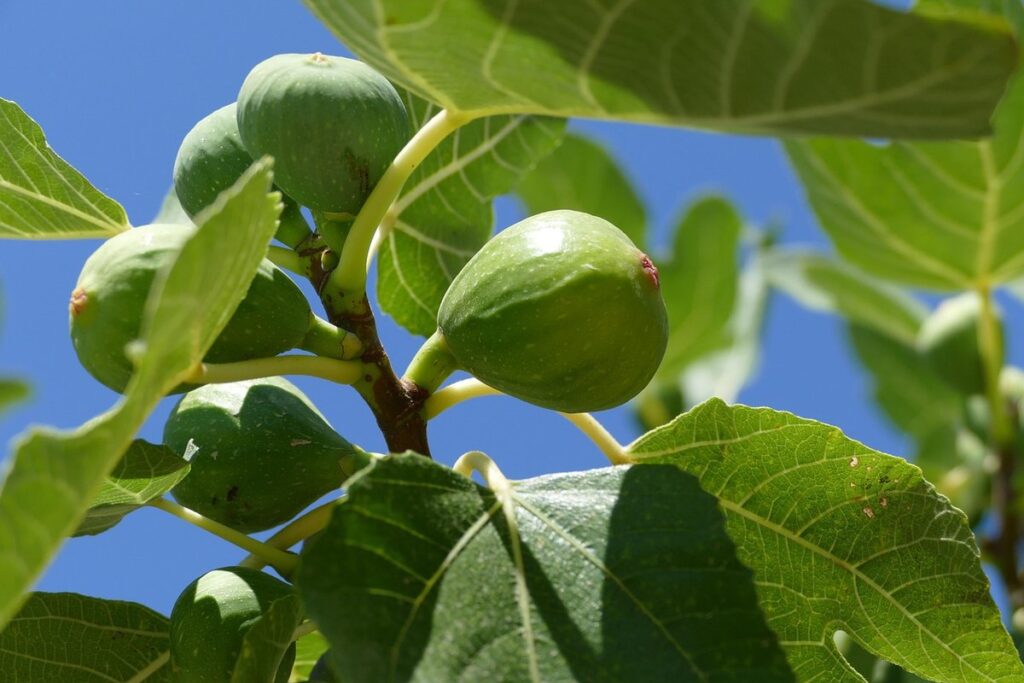
Benefits and Importance of Pruning
Pruning is a crucial part of fig tree care, as it promotes healthy growth, increases fruit production, and enhances overall tree longevity. In this next section, we’ll explore the benefits and importance of pruning your fig tree.
Improving Tree Structure and Shape
When it comes to maintaining a healthy and productive fig tree, regular pruning is essential. Not only does pruning help control the size of the tree, but it also promotes a balanced and symmetrical shape that improves its overall appearance. A well-pruned fig tree is not only aesthetically pleasing, but it’s also more resistant to disease and pests.
To achieve this balance, prune your fig tree during its dormant season, typically in late winter or early spring. Start by removing any dead, diseased, or damaged branches, making clean cuts just above a growth node. Next, remove any weak or crossing branches that are rubbing against each other, as these can cause damage and create an entry point for disease.
By pruning your fig tree regularly, you’ll be able to direct its energy towards producing more fruit, rather than focusing on unwanted growth. This will also encourage new shoot growth from the sides of the main branches, leading to a fuller and more symmetrical shape. With practice and patience, you can develop a pruning routine that keeps your fig tree looking its best.
Enhancing Fruit Production
When it comes to pruning fig trees, many gardeners may wonder how this process affects fruiting. The truth is that pruning plays a crucial role in encouraging vigorous growth and increasing yields in fig trees.
To maximize fruit production, you need to focus on selecting the right branches for removal. Look for weak or damaged branches, as well as those growing inward towards the center of the tree, which can create an imbalance and reduce air circulation. These branches should be cut back or removed altogether.
When cutting, make sure to use a sharp, clean tool to prevent spreading disease. Cut just above a bud or node, making a 45-degree angle cut, to encourage new growth from that point. Timing is also essential – prune your fig tree during its dormant season (winter or early spring), as this allows the tree to focus energy on new growth rather than fruiting.
By pruning judiciously and at the right time, you can stimulate your fig tree to produce more fruit.
When to Prune Fig Trees
Fig trees need regular pruning, and timing is crucial to prevent damage and promote healthy growth. Knowing when to prune your fig tree will ensure you’re doing it at the right moment for optimal results.
Seasonal Considerations
When it comes to pruning fig trees, understanding the seasonal considerations is crucial for optimal growth and fruit production. In warmer climates, fig trees can grow year-round, but different seasons still impact their pruning needs.
In spring, as new growth begins, prune your fig tree to maintain its shape and promote healthy growth. Remove any dead or damaged branches, and cut back suckers that may be competing with the main trunk for water and nutrients. This is also a good time to thin out fruiting branches to allow more sunlight to reach developing fruit.
Summer pruning is not recommended as it can stress the tree and reduce fruit production. However, if you notice any weak or spindly growth, prune these areas to maintain the tree’s overall health.
In fall, fig trees go dormant, making it an ideal time for more extensive pruning. Remove any dead or diseased wood, and thin out branches to improve air circulation and promote even ripening of fruit.
Identifying Pruning Needs
Identifying areas of the tree that require pruning is crucial to maintain its overall health and productivity. When inspecting your fig tree, look for signs of damage, disease, or pest infestation that may necessitate pruning. Check for cracks, splits, or broken branches, which can create an entry point for diseases like fungal infections or bacteria.
Also, search for any visible pests such as aphids, whiteflies, or spider mites, which can weaken the tree and reduce fruit production. Diseased or infested areas may appear discolored, brittle, or exhibit abnormal growth patterns. When identifying these issues, take note of their location and severity to determine the best pruning approach.
It’s also essential to examine your fig tree for deadwood, which can be a fire hazard in certain regions or attract pests and diseases. Prune any dead, diseased, or damaged branches to maintain the tree’s structural integrity and promote healthy growth. Regularly inspecting your tree will help you catch potential problems early on, ensuring optimal pruning practices that benefit the tree’s overall well-being.
Techniques for Pruning Fig Trees
When it comes to shaping and maintaining your fig tree, knowing the right pruning techniques is crucial. In this next part of our guide, we’ll explore the most effective methods to keep your tree thriving.
Hand Pruning vs. Power Tools
When it comes to pruning fig trees, one of the most important decisions you’ll make is whether to use hand pruning methods or power tools. Both have their advantages and disadvantages, which we’ll explore below.
Hand pruning has been a traditional method for centuries, and it’s still widely used today. The main benefit of hand pruning is its precision – with manual tools like loppers and pruners, you can make precise cuts to shape and maintain the tree without damaging it. This method also allows you to be more gentle on the tree, making it ideal for young or sensitive branches.
On the other hand, power tools are often faster and more efficient than hand pruning methods. They’re particularly useful for thicker branches that require more force to cut through. However, they can be less precise and may cause damage to the tree if not used correctly. Safety is also a concern when using power tools – always wear protective gear like gloves and safety glasses.
In general, it’s best to use hand pruning methods for most tasks, but reserve power tools for thicker branches or situations where speed is essential. Remember to always follow proper techniques and take necessary precautions to avoid accidents.
Cutting Techniques and Patterns
When pruning fig trees, it’s essential to focus on making clean cuts and removing deadwood to promote healthy growth. To make a clean cut, use sharp pruning tools, such as loppers or a pruning saw, and cut at a 45-degree angle just above a bud or lateral branch. This will encourage the tree to heal quickly and reduce the risk of disease.
Removing deadwood is crucial for maintaining your fig tree’s health. Look for branches that are cracked, damaged, or diseased, and carefully remove them. Thinning out the center of the tree by cutting back select branches can also improve air circulation and reduce the risk of fungal diseases.
Shaping the tree involves thinning, renewal, and reduction pruning techniques. Thin out the canopy to allow more sunlight to reach inner branches, and remove any crossing or rubbing branches. Renewal pruning involves removing one-third to one-half of the oldest wood to promote new growth and fruiting. Reduction pruning helps maintain a desired shape or size by cutting back select branches to a lateral bud. Regularly practicing these techniques will help you achieve a balanced, productive, and attractive fig tree.
Common Pruning Mistakes to Avoid
To avoid damaging your fig tree, it’s essential to steer clear of common pruning mistakes that can lead to reduced fruit production and weakened branches. These errors are often made by well-meaning gardeners.
Over-Pruning
Over-pruning is one of the most common mistakes fig tree owners make when pruning their trees. While pruning is essential to maintain a healthy and productive tree, over-pruning can have severe consequences. When you remove too much foliage or branches at once, it puts unnecessary stress on the tree. This stress can weaken the tree’s immune system, making it more susceptible to diseases and pests.
Reduced fruit production is another risk associated with over-pruning. Fig trees produce multiple crops per year, and excessive pruning can disrupt this process. By removing too many branches, you’re essentially eliminating the sites where new growth and fruit development occur. This not only reduces current yields but also impacts future harvests. Furthermore, over-pruning can harm the root system by disrupting its balance of carbohydrates and nutrients.
To avoid these risks, prune your fig tree in moderation. Remove no more than 10-20% of the branches per year, and prioritize thinning out weak or damaged limbs rather than removing entire sections. Regular pruning will help maintain a balanced canopy, promote healthy growth, and optimize fruit production.
Insufficient Pruning
When it comes to pruning fig trees, under-pruning or neglecting this essential practice can have severe consequences. If you don’t prune your fig tree regularly, it may lead to weak and leggy growth, making the tree more susceptible to disease and pest infestations.
For instance, if the branches are not pruned properly, they may become too long, leaving the center of the tree exposed and vulnerable to fungal diseases like root rot. This can cause significant damage to the tree’s roots, leading to a decline in its overall health.
Neglecting pruning also attracts pests, such as aphids, mealybugs, and spider mites, which feed on the sap of the fig tree, weakening it further. These pests can multiply quickly if left unchecked, causing irreparable harm to your tree.
To avoid these problems, make sure to prune your fig tree at least once a year, removing any dead, diseased, or damaged branches. This will help maintain the tree’s shape, promote healthy growth, and prevent disease and pest infestations. By taking this simple yet crucial step, you’ll be able to enjoy a thriving and productive fig tree for years to come.
Special Considerations for Young Fig Trees
Young fig trees have unique needs when it comes to pruning, so let’s dive into some special considerations that will ensure a healthy and thriving tree. Proper care at this stage is crucial for future growth.
Pruning for Support
When it comes to young fig trees, pruning for support is crucial for establishing a strong structure that can bear fruiting branches. Without proper support, the weight of the fruit can cause damage to the tree’s delicate branches and even lead to premature aging.
To ensure your young fig tree receives the support it needs, start by staking it in a sturdy location. Choose a stake that is at least 6-8 feet tall and set it about 12 inches away from the trunk of the tree. Gently tie the tree to the stake using soft twine or gardening tape, making sure not to constrict the growth.
Another technique for improving air circulation and reducing the risk of disease is pruning for better airflow. This involves selectively removing branches that are rubbing against each other or growing inwards towards the center of the tree. By promoting a more open canopy, you’ll create an environment that’s conducive to healthy growth and fruiting.
Regularly inspect your young fig tree for signs of damage or weakness, and make adjustments as needed to ensure it remains stable and secure.
Early Training Methods
When it comes to young fig trees, early training methods can significantly impact their growth and yield potential. Topworking is a popular technique where you graft a mature fig variety onto the root system of a younger tree. This method allows growers to transfer desirable traits such as disease resistance or high fruit production to their young tree.
Another effective approach is espalier training, which involves training the tree to grow along a trellis or wall. This method not only maximizes space but also promotes even sunlight penetration and air circulation, reducing the risk of disease. To espalier train your fig tree, start by selecting a sturdy support system and gently tying the branches in place with soft ties.
Grafting is yet another technique used to optimize young fig trees’ growth potential. By grafting scions from mature trees onto vigorous rootstocks, growers can create strong, fruit-bearing trees in a shorter timeframe. When choosing scion material, select wood from varieties known for their desirable traits and disease resistance. Keep in mind that grafted trees may require extra care during the first year to ensure a successful establishment phase.
Maintaining Pruned Fig Trees
Now that you’ve pruned your fig tree, it’s essential to maintain its shape and encourage healthy growth through regular watering, fertilization, and monitoring for pests. This section will cover those crucial post-pruning care tips.
Post-Pruning Care
After pruning your fig tree, it’s essential to provide proper care to promote healthy growth and fruit production. Watering is a crucial aspect of post-pruning care. During the first few weeks after pruning, ensure that your tree receives adequate water to compensate for moisture loss due to pruning wounds.
Fertilization is another critical step in maintaining the health of pruned fig trees. A balanced fertilizer with a 10-10-10 NPK ratio is ideal for fig trees. Apply it during the growing season (spring-fall) and follow the manufacturer’s instructions for application rates. This will help replenish nutrients lost due to pruning and promote vigorous growth.
Regular pest management checks are also necessary to prevent infestations that can weaken your tree. Inspect your tree regularly for signs of pests like aphids, whiteflies, or spider mites. If you notice any issues, treat the affected areas promptly with insecticidal soap or neem oil according to product instructions.
By following these post-pruning care steps, you’ll be able to maintain a healthy and thriving fig tree that produces an abundance of delicious fruit.
Long-Term Tree Management
As you’ve completed pruning your fig tree, it’s essential to adopt a long-term approach to its management. This involves monitoring growth patterns and identifying potential problems early on, adjusting your pruning practices accordingly.
Start by tracking the tree’s annual growth, noting the new fruiting wood and any signs of disease or pests. Look for indicators like twisted or deformed leaves, which can signal root issues or nutrient deficiencies. Regularly inspect the tree’s trunk, branches, and roots for any damage or decay.
To prevent problems from arising in the first place, maintain a consistent watering schedule and fertilize your fig tree annually with a balanced, fruit-tree specific fertilizer. Monitor temperature fluctuations, as extreme heat or cold can impact growth and health.
Adjust your pruning schedule based on the tree’s response to previous seasons. If you notice an overabundance of new growth, reduce frequency or intensity of pruning. Conversely, if growth is slow, consider more frequent or intense pruning to encourage vigorous development.
Frequently Asked Questions
Can I Prune My Fig Tree at Any Time of the Year?
Yes, but it’s recommended to prune your fig tree during its dormant season (winter or early spring), when the tree is less stressed and more resistant to disease and pests. Avoid pruning in active growing seasons or after a major harvest, as this can cause excessive sap flow and stress on the tree.
How Do I Know If My Fig Tree Needs Pruning?
Identifying pruning needs requires attention to your fig tree’s structure, growth, and fruit production. Look for signs of overgrowth, uneven branches, or reduced fruiting. Inspect the tree regularly, especially during dormant seasons, to determine if pruning is necessary.
What Are Some Common Mistakes to Avoid When Pruning Fig Trees?
Some common mistakes include over-pruning (removing too much wood), under-pruning (not removing enough dead or diseased wood), and making uneven cuts. To avoid these errors, focus on maintaining a balanced shape, removing only what’s necessary, and making clean cuts just above a bud or lateral branch.
Can I Use Power Tools for Pruning Fig Trees?
While power tools can be effective for pruning larger branches, it’s often best to use hand pruners for precision work. Hand pruners allow for more control and accuracy when cutting small, delicate branches or making fine adjustments to the tree’s shape.
How Do I Care for My Pruned Fig Tree After Pruning?
Post-pruning care is crucial for promoting healthy growth and preventing disease. Water your fig tree thoroughly after pruning, apply a balanced fertilizer (10-10-10 NPK), and mulch around the base to retain moisture and suppress weeds. Regularly inspect your tree for signs of stress or disease, taking corrective action as needed.