
Are you ready to get your flowering, tree, or shrub dogwoods looking their absolute best? Pruning is an essential part of caring for these beautiful plants, but it can be intimidating if you don’t know where to start. When done correctly, pruning can stimulate new growth, encourage blooming, and even help prevent disease. But when done incorrectly, it can leave your plant stressed and vulnerable.
In this article, we’ll dive into expert pruning techniques specifically tailored for dogwoods. We’ll cover the best time to prune, common mistakes to avoid, and tips for maintaining a healthy, thriving plant all year round. By the end of this guide, you’ll be equipped with the knowledge to confidently prune your dogwood and enjoy its full beauty. Whether you’re a seasoned gardener or just starting out, don’t miss out on these essential pruning techniques for flowering, tree, and shrub dogwoods!
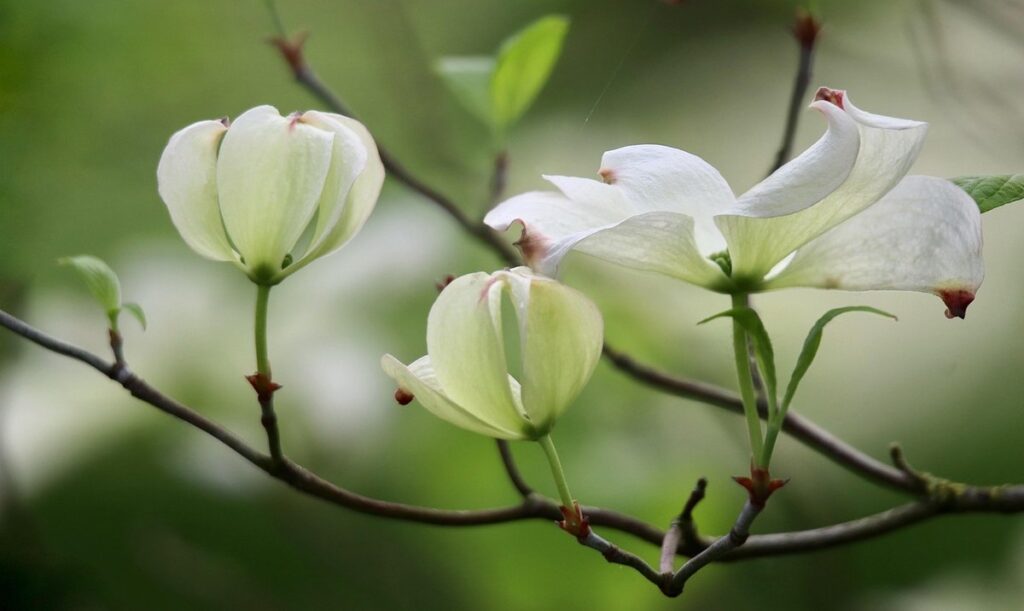
Understanding Your Dogwood’s Needs
To give your dogwood its best chance at thriving, it’s essential to understand what it needs in terms of pruning and maintenance. Let’s dive into those specifics next.
Identifying the Right Time to Prune
When it comes to pruning your dogwood, timing is everything. The right moment can make all the difference between a healthy, thriving tree and one that’s struggling to survive. So, what factors should you consider when deciding when to prune your dogwood?
Climate plays a significant role in determining the best time for pruning. In areas with mild winters and warm summers, like USDA zones 7-9, it’s recommended to prune your dogwood during late winter or early spring, just before new growth begins. This allows the tree to heal quickly from any cuts made and minimizes the risk of disease.
On the other hand, in colder climates, such as zones 3-6, it’s best to wait until after the last frost has passed, usually around late spring. Pruning too early can expose tender new growth to harsh winds and frost damage.
In addition to climate, plant age is another factor to consider. Younger dogwoods tend to require more frequent pruning to maintain a strong structure and promote healthy growth. Mature trees, however, may only need occasional shaping or thinning of branches.
Lastly, take note of your dogwood’s growth habits. Some varieties produce new growth in the spring, while others continue to grow throughout the summer months. By observing your tree’s natural rhythm, you’ll be able to determine if it’s due for a prune and when is the best time to do so.
By considering these factors and taking note of your dogwood’s specific needs, you’ll be able to prune at the right time, ensuring your tree remains healthy and thrives with proper care.
Determining the Type of Prune Needed
When it comes to pruning dogwood, determining the type of prune needed is crucial for achieving the desired outcome. There are three primary types of prunes: maintenance, renovation, and corrective.
Maintenance pruning is essential for maintaining the overall health and appearance of your dogwood. This type of prune involves trimming back branches that have become overgrown or crossing, as well as removing any dead or diseased wood. By doing so, you’ll maintain a balanced shape, promote new growth, and encourage fruiting. Think of it as regular grooming to keep your dogwood looking its best.
Renovation pruning is necessary when your dogwood has become severely overgrown or misshapen. This type of prune involves more extensive cutting back, often by 1/3 to 1/2 of the plant’s height, to restore a central leader and promote new growth from the base of the plant. Be cautious not to remove too much at once, as this can shock the tree.
Corrective pruning is typically used to correct structural issues such as branch failure or damage caused by disease, pests, or extreme weather conditions. This type of prune requires careful attention to detail, as you’ll need to assess the severity of the issue and make precise cuts to minimize further stress on the plant. When in doubt, consult with a professional for guidance.
Preparing Your Tools and Equipment
Before you begin pruning your dogwood, it’s essential to ensure you have the right tools for the job. A good pair of loppers is a must-have for most pruning tasks. Look for loppers with long handles and sharp blades to make cutting thicker branches easier. A pruning saw is also crucial for tackling larger branches that are too thick for loppers. Choose a saw with a curved blade and a comfortable grip.
Gloves are another essential item, as they protect your hands from thorns and sap. Opt for gloves made from durable materials like leather or synthetic fabrics. When preparing your equipment, make sure to clean and sharpen your tools before use. A dull tool can cause more damage than good, so take the time to keep them in top condition.
In addition to these essentials, consider investing in a pruning kit that includes a variety of hand pruners, grafting knives, and other specialized tools. This will come in handy for specific tasks like shaping or repairing damaged branches.
Pruning Techniques for Different Dogwood Types
When it comes to pruning dogwood, different types require unique approaches. We’ll break down specific techniques for popular varieties, including Cornelian cherry and flowering dogwood.
Pruning Flowering Dogwoods
Pruning flowering dogwoods requires a delicate balance between maintaining their natural shape and encouraging continued blooming. One of the most important techniques for promoting blooms is deadheading, which involves removing spent flowers to direct the plant’s energy towards producing new ones. This can be done at any time, but it’s most effective when done after the initial blooming period.
In addition to deadheading, tip-pruning is also essential for flowering dogwoods. By pruning back the tips of branches, you’ll stimulate the plant to produce more vigorous growth and encourage a bushy habit. Be sure to prune no more than one-third of the branch at a time, as excessive pruning can be stressful on the plant.
Shaping the plant is another crucial aspect of pruning flowering dogwoods. This involves trimming back overgrown branches and maintaining a balanced structure. Use loppers or pruning shears for larger branches, and thin out select stems to allow air and light to reach all parts of the plant. By regularly deadheading, tip-pruning, and shaping your flowering dogwood, you’ll enjoy continuous blooms throughout the growing season.
Pruning Tree Dogwoods
When it comes to tree dogwoods, pruning is essential for maintaining their shape, promoting healthy growth, and encouraging blooming. If you’re looking to prune a tree dogwood, start by assessing the overall structure of the tree. Identify any dead or diseased branches that are weighing down the tree or competing with healthier ones for water and nutrients.
To reduce height, choose 2-3 main branches and cut them back to about one-third to one-half their original length. This will encourage new growth from the remaining branches and help maintain a balanced shape. Thinning out select branches can also help improve air circulation around the tree, which reduces the risk of disease. Remove any crossing or rubbing branches that may be causing damage.
Regularly removing dead wood is crucial for maintaining the health of your tree dogwood. Inspect your tree annually and remove any dead, diseased, or damaged branches as soon as possible. This will help prevent the spread of disease and encourage healthy growth from remaining branches.
Pruning Shrub Dogwoods
When it comes to pruning shrub dogwoods, the primary goal is to maintain their shape and promote healthy growth. To achieve this, it’s essential to prune regularly, as these plants can grow quite dense if left unpruned.
Shaping involves trimming branches to maintain the desired form of your shrub dogwood. Start by removing any dead or diseased branches, then focus on cutting back overgrown stems to about one-third to one-half their length. This will help control the plant’s size and encourage new growth. When shaping, remember to make clean cuts just above a bud or a lateral branch, as this will encourage the plant to grow in the desired direction.
Renovating shrub dogwoods involves cutting back the entire plant to about 6-12 inches from the ground. This is usually done every 10-15 years to rejuvenate the plant and remove any dead wood. To renovate, cut all branches back to this height using a sharp pruning saw or loppers.
Rejuvenating shrub dogwoods is similar to renovation but can be done more frequently, ideally every 2-3 years. This involves cutting back about one-third to one-half of the plant’s oldest stems each year to promote new growth and maintain its shape.
Safety Precautions When Pruning Dogwood
When pruning dogwood, it’s essential to take some crucial safety precautions to avoid injuries and damage to your property. Make sure to wear protective gear before starting the pruning process.
Avoiding Injury from Thorns and Branches
When pruning dogwood, it’s essential to be aware of the potential risks associated with sharp thorns and heavy branches. Dogwood trees are notorious for their long, pointed thorns that can easily puncture skin and cause injury. These thorns are especially hazardous when handling branches that are weighed down by leaves or sap, making them more likely to snap back and cause harm.
To avoid injury from thorns and branches, make sure to wear protective gear such as gloves, long sleeves, and safety glasses. It’s also crucial to prune dogwood during the dormant season, typically between late winter and early spring, when the tree is less active and its sap is not flowing freely. This reduces the risk of sap-filled wounds and branch breakage.
When handling branches, use pruning loppers or pole saws with long handles to maintain a safe distance from thorns. Cut branches at a 45-degree angle, making clean cuts just above a bud or lateral branch to promote healthy growth and minimize the weight on remaining limbs.
Using Personal Protective Equipment
When working with dogwood trees, it’s essential to wear protective gear to prevent injuries and exposure to potential hazards. Gloves are a must-have when pruning dogwood, as they protect your hands from thorns, splinters, and abrasions. Look for gloves made of durable materials like leather or synthetic fabrics that provide grip and flexibility.
Safety glasses are also crucial to protect your eyes from flying debris, sap, and other particles that can cause eye irritation or even vision loss. A dust mask is necessary when working with dogwood trees, especially when cutting through branches or leaves, as the sawdust and pollen can trigger allergies or respiratory issues.
Before starting your pruning project, take a few minutes to assess your surroundings and ensure you have all the necessary protective gear. It’s also a good idea to wear long sleeves, pants, and closed-toe shoes to cover exposed skin. By taking these simple precautions, you’ll be able to focus on the art of pruning dogwood without worrying about your safety.
Common Mistakes to Avoid When Pruning Dogwood
When pruning your dogwood, it’s easy to make mistakes that can harm your plant. Let’s explore some of the most common errors to watch out for and avoid them altogether.
Over-Pruning and Under-Pruning
Pruning dogwood requires finesse to avoid making mistakes that can harm the tree. Two common pitfalls to watch out for are over-pruning and under-pruning.
Over-pruning, which involves removing more than one-third of the branches, can lead to a range of issues. For instance, it can expose the remaining wood to diseases and pests, such as powdery mildew or dogwood borers. These invaders take advantage of the tree’s weakened state and can cause significant damage if not addressed promptly. Moreover, over-pruning can also make the tree more vulnerable to environmental stressors like extreme temperatures and drought.
On the other hand, under-pruning means removing too little of the dead, diseased, or damaged branches. This can result in uneven growth patterns, as the remaining shoots may grow at different rates or become distorted due to competing for resources. Under-pruning can also lead to an increased risk of disease transmission within the tree, as well as create unsightly and unbalanced shapes.
To avoid these problems, prune dogwood only what is necessary, aiming for a balanced and natural appearance.
Pruning at the Wrong Time
Pruning dogwood during sensitive periods can lead to more harm than good. One common mistake is pruning when the plant is under stress from disease, pests, or environmental factors. This can cause further damage and weaken the tree’s defenses. For instance, if your dogwood is struggling with powdery mildew or root rot, it’s best to delay pruning until the issue has been addressed.
Pruning during periods of active growth or dormancy can also be problematic. Pruning in the spring, just as new growth begins, can stimulate excessive vegetative growth and reduce flowering. On the other hand, pruning during winter dormancy may not promote healthy regrowth, as the tree is focused on conserving energy. To avoid these issues, prune your dogwood when it’s actively growing but before new buds form in late spring or early summer.
It’s also essential to consider the tree’s natural growth cycle and prune accordingly. Pruning at the wrong time can lead to a loss of flowers, reduced fruit production, or even kill branches. By understanding your dogwood’s specific needs and pruning schedule, you can promote healthy growth and maintain its beauty throughout the seasons.
Conclusion: Maintenance and Follow-Up Care
Now that you’ve mastered the art of pruning your dogwood, let’s discuss how to maintain its health and appearance through ongoing care. This ensures a beautiful bloom year after year.
Scheduling Regular Maintenance
Regular maintenance is crucial to keeping your dogwood healthy and thriving. It’s easy to get caught up in the excitement of planting a new tree, but neglecting regular pruning can lead to a host of problems down the line.
To avoid this, schedule regular maintenance into your calendar. Set aside time each year – ideally during its dormant season – to inspect your tree for any dead or damaged branches. Remove these immediately to prevent them from becoming a focal point for disease and pests.
Consider implementing an annual pruning cycle, dividing it into three stages: thinning, reduction, and renovation. Thinning involves removing select branches to improve air circulation and sunlight penetration, while reduction aims to maintain the tree’s overall shape. Renovation is typically reserved for trees that have become severely overgrown or diseased.
Remember, regular maintenance isn’t just about appearance – it’s also about preserving your dogwood’s health and longevity. By committing to a routine pruning schedule, you’ll be rewarded with a stronger, more resilient tree that continues to thrive year after year.
Monitoring Plant Health Post-Pruning
After pruning your dogwood, it’s essential to monitor its health closely for potential issues. This post-pruning check can help you catch problems before they spread and cause significant damage. Begin by inspecting the plant’s leaves, stems, and branches for signs of pests or diseases.
Look for yellowing or wilting leaves, which could indicate root disturbance during pruning, nutrient deficiencies, or pest infestations like aphids, spider mites, or scale insects. Check the undersides of leaves and the bark for eggs, eggs sacs, or actual pests.
Monitor your dogwood’s water needs carefully in the weeks following pruning. This can be a vulnerable period for the plant, and it may require more frequent watering to recover from the stress of pruning. Be cautious not to overwater, as this can lead to root rot and other problems.
Regularly inspect your plant for signs of diseases like powdery mildew, fire blight, or anthracnose, which can be exacerbated by pruning wounds. If you notice any issues, address them promptly with the appropriate treatment or consult a gardening expert for guidance.
Frequently Asked Questions
What if I’m unsure whether my dogwood needs pruning at all?
Pruning your dogwood is essential, but it’s also crucial to prune correctly. If you’re unsure about the health of your plant or whether it needs pruning, observe its growth patterns and look for signs of overgrowth, disease, or pests. A general rule of thumb is to prune flowering dogwoods in late winter or early spring, tree dogwoods in late winter or early summer, and shrub dogwoods throughout the growing season.
Can I use any type of pruning tool for my dogwood?
Not all pruning tools are created equal. For dogwoods, it’s best to use sharp, clean, and well-maintained pruning shears or loppers to avoid spreading diseases and making clean cuts. Disinfect your tools between cuts, and consider investing in a pruning saw for thicker branches.
What if I accidentally prune too much of my dogwood?
Over-pruning can be devastating for your plant. If you’ve inadvertently removed too much foliage or damaged the structure of your dogwood, reduce the amount of water and fertilization you provide to help it recover. Monitor its health closely, and consider pruning back any damaged areas in late winter or early spring.
How often should I schedule regular maintenance after pruning my dogwood?
To keep your dogwood thriving, schedule regular maintenance every 4-6 weeks during the growing season. This will involve inspecting for pests, diseases, and nutrient deficiencies, as well as making adjustments to watering and fertilization schedules as needed.
Can I prune my dogwood in the middle of winter if it’s still covered in snow?
While pruning your dogwood is essential, it’s generally best to wait until the weather warms up and the snow melts. Pruning in mid-winter can be challenging due to frozen branches and reduced visibility. Instead, plan to prune during the growing season or late winter/early spring when the plant is less stressed.