
Pruning your Clematis Montana can be a bit intimidating, especially if you want to ensure those gorgeous blooms keep coming back year after year. Timing is crucial when it comes to pruning this beautiful climbing plant, and getting it right will make all the difference in maintaining its health and encouraging new growth. But don’t worry, with our expert tips on pruning techniques and avoiding common mistakes, you’ll be well on your way to enjoying stunning displays of white blooms that cascade down trellises and walls. In this article, we’ll cover everything from when to prune your Clematis Montana for maximum flowering potential to how to do it effectively, so keep reading if you want to achieve those show-stopping results without any hassle.
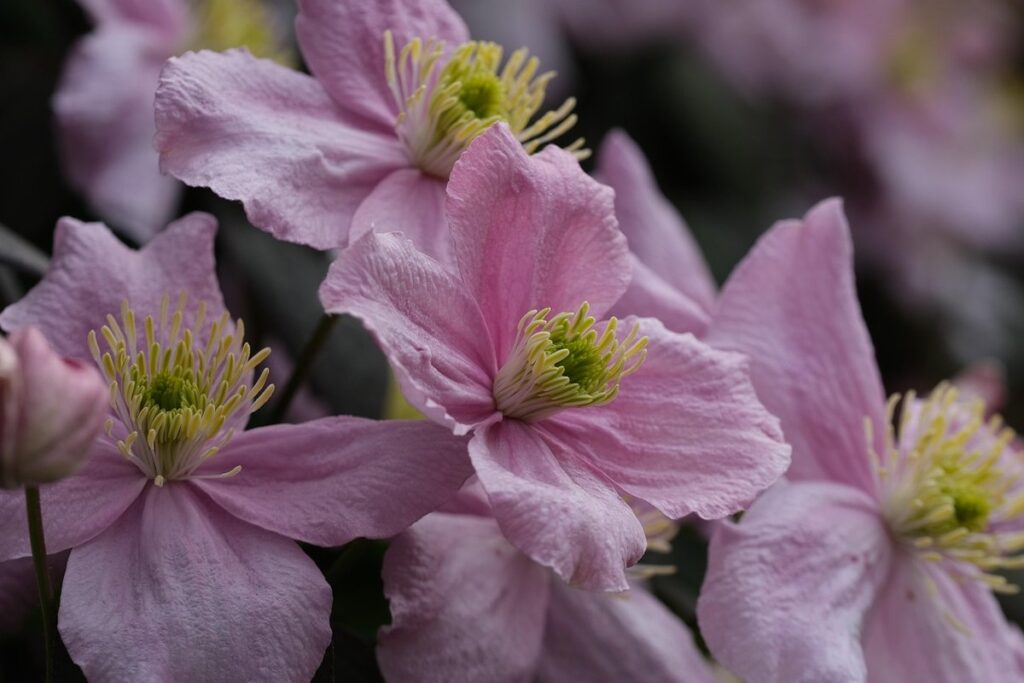
Understanding Your Clematis Montana Plant
Before you start pruning, it’s essential to understand your Clematis montana plant’s unique characteristics and growth habits. Knowing its natural behavior will help you prune effectively.
Recognizing the Importance of Pruning
Pruning is an essential aspect of clematis montana care that often gets overlooked by gardeners. However, neglecting to prune this beautiful climber can have serious consequences on its health and flowering performance. Regular pruning helps maintain the plant’s shape, promotes healthy growth, and encourages a bountiful display of flowers.
For clematis montana, pruning is crucial as it is a vigorous climber that requires regular maintenance to prevent overgrowth. If left unpruned, the plant can become leggy and produce fewer flowers. By pruning the plant in late winter or early spring, you’ll encourage new growth, stimulate the production of blooms, and keep the plant looking its best.
To reap the benefits of pruning clematis montana, make sure to remove any dead, diseased, or damaged stems as soon as possible. Cut back the previous year’s stems by about one-third to a half, depending on their vigor. This will help control the plant’s size and promote new growth from the base. By incorporating regular pruning into your clematis montana care routine, you’ll enjoy a lush, flowering display that brings joy to any garden.
Identifying the Right Time to Prune
When it comes to pruning your Clematis montana, timing is everything. You’ll want to prune at the right moment to encourage healthy growth, promote blooming, and maintain your plant’s overall shape.
Consider the season as a major factor in determining when to prune. In warmer climates, you can prune your Clematis montana after it finishes flowering, usually in late spring or early summer. This allows new growth to emerge before the heat of summer sets in. However, in cooler climates, pruning should be done in late winter or early spring, about 6-8 weeks before the last frost.
Another crucial factor is plant maturity. Young Clematis montana plants typically require more frequent pruning to encourage vigorous growth and development. For established plants, prune only what’s necessary to maintain shape and promote blooming. Be mindful of your climate as well – if you live in an area with harsh winters, it’s best to prune just enough to prevent damage from extreme weather conditions.
Keep in mind that over-pruning can be detrimental to your Clematis montana’s health. Prune judiciously, removing only what’s necessary to achieve the desired outcome.
Basic Pruning Techniques
To effectively prune clematis montana, you’ll want to learn the basic techniques that will help maintain its shape and encourage healthy growth. This includes cutting back stems and removing deadwood.
Removing Dead or Damaged Growth
When pruning clematis montana, it’s essential to identify and remove dead or damaged stems. These can be hidden among the healthy growth, but it’s crucial to spot them before they spread disease or weaken the plant.
Start by examining the stems closely, looking for any signs of damage such as cracks, splits, or blackening. Be gentle when handling the delicate flowers, as they are easily bruised. If you notice any damaged areas, use clean, sharp pruning tools to cut just above a bud or a node – this will encourage new growth to emerge.
Use the ‘snip and inspect’ method: snip off the damaged stem with a pair of secateurs, then inspect the remaining stem for any signs of disease. If you’re unsure whether a stem is dead or alive, gently scratch it with your finger; if it’s alive, you’ll see green tissue beneath the surface.
Removing dead or damaged growth will promote healthy regrowth and prevent the spread of disease within the plant.
Cutting Back Long Stems
When cutting back long stems on your Clematis montana, it’s essential to use the right pruning tools and techniques to avoid causing damage. Start by selecting a pair of sharp, clean pruning shears or loppers specifically designed for pruning woody plants. Avoid using dull or rusty tools, as they can tear the stems rather than cutting them cleanly.
Begin by inspecting the stem, looking for signs of dieback or weak growth. Remove any dead or damaged wood entirely, cutting just above a bud eye or an outward-facing leaf to encourage new growth. Cut back long stems to about one-third to one-half their original length, making sure to cut at a 45-degree angle to promote water runoff and prevent water from collecting on the stem.
Make clean cuts, and don’t be afraid to remove a significant amount of wood if necessary. This will help maintain the plant’s shape and encourage new growth in the right areas.
Thinning Out the Center
Thinning out the center of your Clematis montana is an essential step in maintaining its overall health and promoting new growth. As this type of clematis grows, it can become congested in the center, leading to reduced flowering and increased susceptibility to disease. By removing some of the older stems, you allow for better air circulation, reduce the risk of pests and diseases, and encourage new shoots to emerge from the base of the plant.
To thin out the center effectively, start by identifying the oldest stems, which are usually thicker in diameter and have a more woody texture. Remove any weak or damaged stems, as well as about one-third of the older stems, making sure not to cut too much at once. This will help prevent shock to the plant and ensure it can recover quickly.
Remember to make clean cuts just above a growth node, using pruning shears or loppers, depending on the stem thickness. Avoid cutting too close to the base of the plant, as this can damage the roots and hinder new growth.
Advanced Pruning Techniques
Once you’ve mastered the basics, it’s time to take your clematis montana pruning skills to the next level with these advanced techniques that will enhance its beauty and blooming power.
Encouraging New Growth
When pruning clematis montana for new growth, it’s essential to apply advanced techniques that encourage flowering and promote a healthy plant. One way to stimulate flowering is by cutting back the stems to about one-third of their length. This approach will help control the plant’s vigor and direct energy towards producing new shoots and flowers.
To achieve this, identify vigorous stems and cut them back to about 12-18 inches from the ground. Remove any weak or damaged growth, as these can be a breeding ground for disease. You can also remove any seed heads after flowering to encourage the plant to focus on producing more blooms.
Another technique is to create a framework of strong stems that will support new growth and flowering. Remove any crossing or rubbing branches to allow sunlight to reach all parts of the plant. By pruning in this way, you’ll not only promote new growth but also enhance the overall appearance of your clematis montana.
Shaping the Plant
When shaping your Clematis montana, consider its mature size and growth habit. These plants can grow quite large, so regular pruning is essential to maintain a balanced form. To achieve an aesthetically pleasing shape, focus on removing select stems each year.
Start by identifying the oldest stems, which are often thicker and woody. Remove these, cutting them back to around 6-8 inches from ground level. This will encourage new growth and help maintain a healthy balance between old and new wood.
Next, consider the plant’s overall structure. Look for any stems that are growing inward or crossing over others, and gently prune these back to promote air circulation and prevent disease. Finally, trim back any long, leggy stems to encourage bushy growth and maintain a compact shape.
Remember, pruning is not just about removing dead wood; it’s also an opportunity to refine the plant’s form and promote healthy growth. By regularly shaping your Clematis montana, you’ll be rewarded with a lush, vibrant display of blooms each spring.
Creating a Framework for Future Blooms
When you’re pruning clematis montana, it’s essential to think beyond the current season. By creating a framework for future blooms, you’ll be setting up your plant for continued health and productivity year after year.
To achieve this, start by identifying the structure of your plant. Look at the existing stems, noting which ones are healthy, vigorous, and producing blooms. Then, consider what type of framework you want to create: do you want a compact shape or an open, airy one? Think about how you can use pruning to direct growth towards the desired shape.
As you prune, aim to maintain a balance between old and new wood. Old wood (stems that have produced blooms in the past year) should make up around 20-30% of your overall structure, while new wood accounts for the rest. This will ensure that next year’s blooms are supported by healthy, established stems. By planning and executing pruning with a focus on future growth, you’ll be rewarded with an even more vibrant display in seasons to come.
Pruning for Specific Clematis Montana Varieties
When pruning specific Clematis montana varieties, it’s essential to understand their unique characteristics and needs. For example, Clematis montana var. rubens requires more aggressive pruning than some other varieties.
Pruning Requirements for Different Cultivars
When it comes to pruning clematis montana cultivars, it’s essential to understand that different varieties have unique requirements. For instance, ‘Snowdrift’ and ‘Pink Perfection’, two popular varieties, need distinct approaches.
‘Snowdrift’ requires minimal pruning, as it tends to bloom early in the season. Cut back dead flower stalks after blooming to maintain a neat appearance. However, avoid cutting too much of the new growth, as this can delay flowering for the next year. Limit your pruning efforts to removing any dead or damaged wood and shaping the plant.
In contrast, ‘Pink Perfection’ blooms later in the season and needs more extensive pruning. Cut back the entire plant by about one-third in late winter or early spring. This will promote healthy growth and encourage blooming. Remove any dead or damaged stems, and shape the plant as needed to maintain a balanced appearance.
Remember to research specific pruning requirements for your particular variety of clematis montana, as even more unique cultivars may have their own needs.
Special Considerations for Container-Grown Plants
When it comes to pruning container-grown clematis montana plants, there are some special considerations you need to keep in mind. These plants can be more delicate than those grown in the ground, and their root system is often more compact.
First and foremost, make sure the potting mix is well-draining and fertile. Clematis montana prefers slightly acidic soil with a pH between 6.0 and 7.0, so choose a potting mix that meets these requirements. Regularly checking the moisture levels in the soil is also crucial to prevent root rot.
When pruning your container-grown clematis montana, be gentle when cutting back old stems as this can cause damage to the roots. Instead, focus on removing any dead or damaged growth and shaping the plant to maintain its desired size and shape. Don’t be afraid to prune hard if necessary – this will encourage new growth and a more vigorous display of flowers.
Avoid repotting your container-grown clematis montana too frequently, as this can cause stress to the roots. If you must repot, do so in the spring when the plant is dormant to minimize disruption to its root system.
Common Pruning Mistakes to Avoid
When pruning Clematis Montana, it’s easy to make mistakes that can harm your plant, so let’s take a closer look at some common errors to avoid. These simple mistakes can have lasting effects on your clematis’s health and appearance.
Over-Pruning: A Recipe for Disaster
Over-pruning clematis montana can be a recipe for disaster. If you’re not careful, you may inadvertently damage the plant’s delicate tissues and prevent it from thriving. So, what are the warning signs of over-pruning? One of the most obvious indicators is if you notice a significant amount of new growth suddenly stops after pruning. This could mean that you’ve removed too much of the plant’s stems or leaves.
Another sign is if the buds don’t produce flowers as profusely as they should be. Clematis montana relies on its old wood for flower production, and excessive pruning can reduce this valuable resource. To avoid damaging your clematis, focus on selectively removing only the dead or damaged stems, rather than cutting back the entire plant.
When in doubt, it’s better to err on the side of caution and prune less rather than more. Instead of making big cuts, take a step back and assess the damage before making any further decisions. This will help prevent over-pruning and ensure your clematis montana continues to thrive with proper care.
Under-Pruning: Missing Out on Blooms
Under-pruning can be just as detrimental to your Clematis montana’s health and bloom rate as over-pruning. When you don’t prune enough, the plant may produce fewer flowers or none at all, which is a disappointment for gardeners who look forward to its vibrant blooms. This issue arises from under-cutting the plant back too far, which can lead to stunted growth.
A clematis montana should be pruned in late winter or early spring to maintain its shape and promote healthy growth. Prune only what’s necessary – about a third of the old wood – leaving enough stems for new growth. This balance allows your Clematis montana to produce an abundance of flowers while still giving it room to expand.
Consider this analogy: if you were trying to trim a tree, but forgot to remove dead branches, the rest of the plant would continue growing, putting more energy into those weak spots rather than producing new leaves or flowers. Similarly, your Clematis montana will focus on regenerating weak stems over creating new blooms when under-pruned.
To avoid this scenario and ensure maximum flowering, keep a record of how much you prune each year to track the plant’s response. This way, you can adjust your pruning strategy accordingly to get the best results from your clematis.
Conclusion and Next Steps
Now that you’ve learned how to prune your Clematis Montana effectively, let’s summarize what we’ve covered so far and explore next steps for a healthy plant.
Recap of Key Takeaways
When pruning clematis montana, it’s essential to remember the key techniques and best practices outlined in this comprehensive guide. To recap, make sure to prune your clematis montana during its dormant season, typically between November and February, to minimize damage to the plant.
You should also remove any dead, diseased, or damaged stems, cutting them back to healthy tissue using clean, sharp pruning tools. Don’t forget to cut back the current year’s growth to about two feet from the base of the plant, as this will help control its height and encourage new growth.
Additionally, consider removing one-third to one-half of the old wood to promote air circulation and prevent disease. This may seem like a significant amount, but it’s crucial for maintaining your clematis montana’s overall health and promoting vigorous new growth.
By following these techniques and best practices, you’ll be able to maintain your clematis montana’s beauty and vitality throughout the growing season. Remember to monitor its progress and make adjustments as needed to ensure optimal results.
Final Tips for Pruning Success
To ensure you achieve success with pruning your Clematis montana, keep the following points in mind. Regular maintenance is crucial for this beautiful flowering vine to thrive. Make sure to check the plant regularly for signs of disease or pests, and take action promptly if necessary.
Another important aspect to consider is providing support for your Clematis montana. This can be achieved by using a trellis or other climbing structure that allows the plant’s tendrils to wrap around it. Be gentle when pruning to avoid causing damage to the stems or leaves.
If you’re unsure about any aspect of pruning, consult online resources such as gardening forums or blogs for Clematis montana care tips and advice. You can also consider consulting with a local nursery expert who can provide personalized guidance specific to your region’s climate and growing conditions.
Additionally, keep in mind that practice makes perfect, so don’t be discouraged if it takes some time to develop the skills necessary for pruning your Clematis montana successfully. With patience and dedication, you’ll become proficient in this essential gardening skill.
Frequently Asked Questions
Can I Prune My Clematis Montana at Any Time of the Year?
While it’s essential to prune your clematis montana during its dormant season for optimal results, some pruning can be done throughout the year to maintain the plant’s shape and promote healthy growth. However, avoid pruning during active growing seasons as this may stress the plant.
How Do I Know If I’ve Over-Pruned My Clematis Montana?
Over-pruning is a common mistake many gardeners make when caring for clematis montana. Look for signs like excessive dieback or a significant reduction in flowering potential. To avoid over-pruning, it’s crucial to understand the plant’s growth habits and prune selectively, focusing on removing dead, diseased, or damaged wood.
Can I Prune My Clematis Montana if It’s Still a Young Plant?
While clematis montana can be pruned at any age, young plants (less than two years old) benefit from minimal pruning. Focus on removing any dead or damaged growth and allow the plant to establish itself before implementing more aggressive pruning techniques.
What Are Some Common Mistakes to Avoid When Pruning My Clematis Montana?
Some common mistakes include over-pruning, which can reduce flowering potential, and under-pruning, which may lead to an unkempt appearance. Additionally, neglecting to clean your pruning tools between cuts can spread diseases from one part of the plant to another.
Can I Prune My Clematis Montana Back by More Than Half Its Height?
While it’s possible to prune your clematis montana back significantly, doing so too frequently or without consideration for its overall health can stress the plant. Pruning back more than half its height should only be done in extreme circumstances, such as severe dieback due to disease or pests. Always prioritize maintaining a balance between pruning and allowing the plant to recover.