
Pruning your beloved clematis plants in the right season is crucial for their health and optimal flowering results. If you’re like many gardeners, you might be wondering when to prune your clematis during the fall season. Pruning at this time can help control shape, promote new growth, and encourage a bountiful display of flowers come spring.
In our comprehensive guide, we’ll walk you through everything you need to know about pruning clematis in fall. We’ll discuss the ideal timing for pruning, as well as the essential tools and techniques required for healthy growth and optimal flowering results. With these tips, you can help your clematis thrive and enjoy a stunning show of blooms next year.
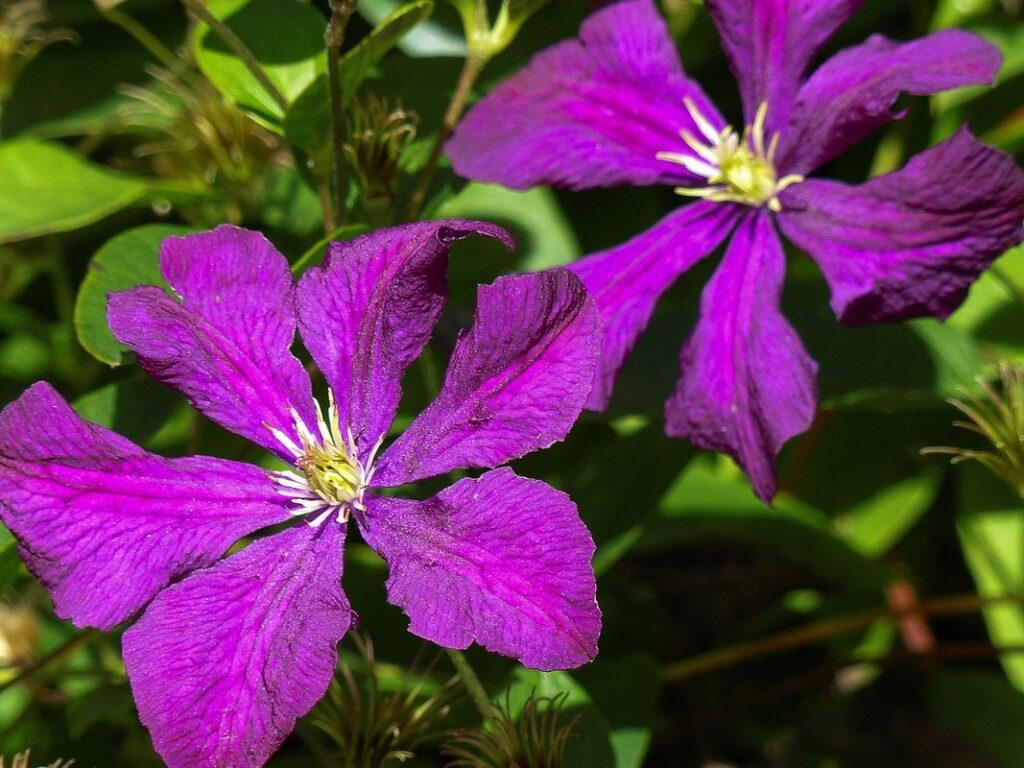
Benefits and Timing of Fall Pruning
When it comes to pruning clematis, fall is a great opportunity to shape your plants for future growth and encourage new blooms. Let’s explore the benefits and optimal timing for this crucial task.
When to Prune Clematis in Fall
When fall arrives, it’s essential to prune clematis to ensure they remain healthy and thrive. One reason why fall is an ideal time for pruning clematis is that it reduces the risk of disease. During the growing season, clematis plants can be susceptible to diseases such as powdery mildew and black spot. By pruning in the fall, you’ll remove any diseased or damaged areas before winter sets in, preventing these issues from spreading and causing harm.
Another reason to prune clematis in the fall is to promote healthy growth. Pruning helps control the size of the plant, which is especially important for clematis as they can grow quite vigorously. By pruning back the stems, you’ll encourage new growth in the spring, resulting in more vibrant flowers and a fuller plant.
Prune your clematis about 6-8 weeks before the first frost to give them time to heal before winter. This will also help prevent any new growth from being damaged by cold weather. By pruning at this time, you’ll be giving your clematis the best chance to grow strong and healthy come springtime.
Preparing for Fall Pruning
Before you start pruning your clematis in fall, it’s essential to prepare yourself and your tools for the task. Gathering necessary equipment is crucial to ensure a safe and efficient pruning process.
Begin by collecting your pruning shears, loppers, and gloves. Make sure your pruning tools are sharp and clean to prevent any damage to the plant or yourself. If you haven’t used your pruning shears in a while, consider sharpening them before starting to avoid any difficulties during pruning.
Next, inspect your clematis plant for any debris, dead flowers, or damaged leaves that need to be removed. Use your gloves to protect yourself from thorns and sap. Wear protective clothing, such as long sleeves and pants, to safeguard against scratches and stains.
Check the weather forecast to ensure a dry and calm day, ideal for pruning. Avoid pruning during strong winds or when the plant is wet, as this can cause damage to the stems and make it more challenging to prune accurately.
Understanding Clematis Growth Habits
To make informed pruning decisions, it’s essential to understand how clematis grow and develop throughout their life cycle, especially when pruned in fall. Let’s take a closer look at these habits.
Identifying Dormant vs. Active Growth Stages
To prune your clematis effectively, you need to determine whether it’s in a dormant or active growth stage. This distinction is crucial because pruning strategies differ significantly between the two stages.
In the spring and fall, clematis growth is generally slower, and plants tend to go dormant. However, some species may continue growing vigorously during these periods, especially if provided with suitable weather conditions. To identify whether your clematis is in a dormant or active growth stage, observe its foliage and flower production. If the plant has dropped its leaves or hasn’t produced any new growth, it’s likely dormant. On the other hand, if you notice new shoots emerging or an abundance of flowers, it’s actively growing.
Keep in mind that some clematis species tend to bloom more profusely in the fall than others. For example, Clematis heracleifolia and Clematis orientalis are known for their fall flowering habits. If your plant falls into this category, you may want to prune it after blooming to encourage new growth and flowering.
Observing Plant Structure and Signs of Decline
As you inspect your clematis plant, look for signs that indicate it needs pruning. Dead or damaged stems are a clear indication that the plant is struggling and requires attention. These dead stems can be brittle and dry to the touch, often with visible cracks or breaks. They may also be discolored, with a grayish or brownish hue.
Look for overgrown sections of the plant as well. Clematis plants have a tendency to grow unevenly, with some parts becoming leggy and sparse while others become congested and tangled. This is especially common after a season of growth, where stems may have become entwined with each other or with nearby structures.
Poor air circulation can also be a sign that your clematis needs pruning. When the stems are too dense, they can block airflow around the plant, creating an environment conducive to disease and pests. Check for any signs of decay or rot in the base of the stems, where moisture tends to collect.
When you spot these visual signs, it’s time to break out your pruning tools!
Removing Dead, Diseased, and Damaged Stems
When pruning clematis in fall, it’s essential to carefully remove any dead, diseased, or damaged stems to prevent disease from spreading and promote healthy growth next season. This involves a bit of detective work and attention to detail.
Identifying and Removing Dead Wood
When inspecting your clematis plant for dead wood, look for stems that are brown, brittle, and dry to the touch. These sections are likely to be beyond repair and should be removed to prevent them from becoming a conduit for disease or pests. Inspect the stem closely, checking for any signs of decay or rot.
To minimize damage to nearby healthy tissue, make clean cuts just above a growth node using sharp pruning shears or loppers. Cut at a 45-degree angle, about one-quarter inch above the node. This will encourage new growth from the node and help prevent water from collecting on the cut surface, which can lead to further decay.
Be cautious not to crush or damage nearby stems when removing dead wood. If you encounter particularly stubborn sections, consider using gardening gloves or long-handled pruning tools for extra leverage without risking bruising adjacent growth. Regularly inspecting your clematis plant and addressing any dead or diseased areas promptly will help maintain its overall health and encourage vigorous growth come spring.
Pruning Diseased or Infested Areas
When it comes to pruning diseased or infested areas of clematis, it’s essential to take a targeted approach to prevent the spread of disease and encourage healthy growth. Begin by inspecting the affected area closely, looking for signs of fungal infections such as black spots, powdery mildew, or canker-like lesions. If you notice any of these symptoms, carefully prune away the infected section using clean, sharp tools.
For areas infested with pests like aphids, whiteflies, or spider mites, gently brush off the affected stems with a soft-bristled brush or a damp cloth to dislodge the insects. Then, dispose of the infested area and disinfect your pruning tools thoroughly. To promote healthy regrowth, remove any weak or damaged growth around the affected area, making clean cuts just above a bud eye or node.
Remember to always disinfect your pruning tools between cuts to prevent cross-contamination of disease. This may seem like a lot to take in, but by being thorough and methodical in your approach, you can help keep your clematis healthy and thriving for years to come.
Shaping and Thinning the Plant
When shaping your clematis, focus on maintaining its natural form while encouraging healthy growth. This will involve selectively removing branches to achieve balance and promote air circulation.
Understanding Pruning Techniques for Different Clematis Types
When it comes to pruning clematis, different types respond differently. Some varieties require more frequent maintenance than others. For instance, Large Flowering Clematis (such as ‘Nelly Moser’ and ‘Crystal Fountain’) benefit from regular pruning to encourage repeat blooming. These varieties produce large flowers that need to be cut back after the first flush of blooms has faded.
In contrast, Herbaceous Clematis (like ‘Purpurea’ and ‘Avalanche’) require less maintenance, as they tend to die back in winter. They can be pruned hard in spring, but in fall, simply trim back any weak or damaged growth. Meanwhile, Evergreen Clematis (such as ‘Crystal Star’ and ‘Armandii’) should not be cut back too much, as this can reduce flowering the following year.
To determine which pruning technique to use on your clematis variety, observe its natural growth habit and flowering pattern. This will help you decide whether to prune in fall or wait until spring. Remember, the goal is to promote healthy growth and encourage blooming, so choose a method that works for your specific plant type.
Steps for Pruning Large Clematis Plants
When tackling large clematis plants, it’s essential to prune them safely and effectively. Here are the steps you should follow:
Begin by removing any dead, diseased, or damaged stems from the plant. This will help prevent the spread of disease and encourage healthy growth. Use loppers or pruning shears for thicker stems and scissors or hand pruners for thinner ones.
Next, cut back overgrown stems to about 6-8 inches above a leaf node (the point where a leaf meets the stem). This will help control the plant’s size and promote new growth. Be sure to make clean cuts just above a node, using a 45-degree angle to prevent water from collecting on the cut end.
Cut back any weak or spindly stems almost to the ground, removing about one-third of the plant’s foliage. This will encourage bushy growth and help restore the plant’s natural shape.
Finally, inspect the roots of your clematis plant for any signs of circling or root bound conditions. Gently tease out the roots with a fork to promote healthy growth and prevent future problems.
After-Care Instructions
Now that you’ve pruned your clematis, it’s essential to follow proper after-care instructions to ensure a healthy and thriving plant for next year’s blooms. Follow these simple steps to complete the care process.
Watering and Mulching Post-Prune
After pruning your clematis in fall, it’s essential to provide proper care to ensure its healthy growth and development during the upcoming spring. One crucial aspect of post-prune after-care is watering. Clematis requires adequate moisture, especially during its first growing season after pruning. Water your plant deeply once or twice a week, depending on weather conditions, until new growth appears.
Mulching around the base of your clematis also plays a significant role in maintaining soil health and retaining moisture. Use a 2- to 3-inch layer of organic mulch like bark chips or wood shavings. This will help suppress weeds, regulate soil temperature, and conserve water. Keep the mulch layer at least 6 inches away from the plant’s base to prevent moisture buildup and potential root rot.
Regularly check your clematis for signs of drought stress, such as wilted leaves or droopy stems, and adjust your watering schedule accordingly. By following these simple after-care instructions, you’ll be well on your way to promoting a healthy and robust clematis plant that will thrive in the upcoming growing season.
Timing of Future Pruning Sessions
As you’ve completed pruning your clematis for fall, it’s essential to plan for future pruning sessions to maintain a healthy plant. Why is this necessary? Well, clematis can continue to grow throughout the year, and without regular maintenance, the stems may become tangled, weak, or even damaged by harsh winter conditions.
Typically, you’ll need to prune your clematis again in late winter to early spring, about 6-8 weeks before new growth begins. This is crucial for removing any dead, diseased, or damaged stems that may have developed over the winter months. You should also cut back any weak or spindly growth to encourage healthy new shoots.
It’s also a good idea to inspect your clematis during the growing season, checking for any signs of disease or pests. If you notice any issues, make sure to address them promptly to prevent further damage. By incorporating regular pruning sessions into your routine, you’ll be able to maintain a vibrant and healthy clematis plant that continues to thrive year after year.
Tips for Avoiding Common Mistakes
To avoid ruining next year’s blooms, it’s essential to steer clear of common pruning mistakes that can occur when working with clematis in the fall. We’ll cover some crucial tips below.
Recognizing Over-Pruning Hazards
Over-pruning clematis can have devastating consequences that might seem counterintuitive to its intended goal of promoting healthy growth. When you remove too much of the plant’s structure, you’re essentially cutting away the very foundation that supports next year’s blooms.
One of the most significant risks associated with over-pruning is reduced flowering potential. Clematis need their stems and buds to develop and mature in order to produce vibrant flowers. If you prune too aggressively, you may be removing essential parts of the plant necessary for it to set buds come springtime. For example, if you remove all the old flowered wood (stems that have produced flowers), you’ll not only lose this year’s blooms but also potentially compromise next year’s flowering.
Another hazard is increased susceptibility to disease and pests. Over-pruning can weaken the plant, making it more vulnerable to pathogens and insects that might otherwise be kept at bay by a healthy, well-structured stem system. This can lead to costly problems down the line, such as fungal infections or aphid infestations that can significantly harm your clematis.
To avoid these pitfalls, it’s essential to prune judiciously, taking into account the specific needs and habits of your individual plant. By being mindful of how much you’re removing and where, you’ll be able to promote healthy growth and ensure a bountiful display of blooms come spring.
Best Practices for Pruning Tools and Sanitation
When pruning clematis in fall, it’s essential to maintain and sanitize your tools properly to avoid spreading diseases. Pruning clematis can be a delicate process, and introducing contaminants into the plant can lead to serious issues down the line.
To prevent this, make sure to clean your tools thoroughly after each use. Use a mixture of one part bleach to nine parts water to soak your pruning shears, loppers, and saws for at least 10 minutes. Scrub away any debris or sap with a stiff brush before rinsing them under running water.
Store your tools in a dry, well-ventilated area to prevent moisture buildup, which can foster bacterial growth. Regularly sharpen your blades and replace worn-out parts to maintain their effectiveness and prevent the spread of disease.
Remember, cleanliness is key when pruning clematis in fall. By following these simple steps, you’ll be able to prune with confidence, knowing that you’re doing everything possible to keep your plant healthy and thriving.
Frequently Asked Questions
What are some common mistakes to watch out for when pruning my clematis plants in the fall?
When pruning your clematis, be mindful of over-pruning. This can lead to weak growth and fewer flowers. To avoid this, remove only what’s necessary, taking care not to cut off more than one-third of the plant’s old wood. Keep in mind that clematis typically grow new stems from the base, so don’t worry if you see bare areas – they will regrow come spring.
How can I tell if my clematis is diseased or infested, and what should I do to address it?
Check for signs of disease like yellowing leaves, black spots, or powdery mildew. Inspect the stems for signs of pests like aphids, whiteflies, or spider mites. If you spot any issues, prune out affected areas immediately, disinfecting your tools between cuts to prevent further spread.
What are some tips for keeping my pruning tools clean and sanitized during the process?
To maintain hygiene, regularly disinfect your pruning shears with a solution of 1 part bleach to 9 parts water. Wipe down tools after each cut and wash them thoroughly after finishing your pruning session. This will help prevent the spread of diseases from one plant to another.
What should I do if I accidentally prune too much of my clematis, leaving it bare or damaged?
If you over-prune, don’t panic! While new growth may be delayed, clematis can recover surprisingly well. Just remove any weak or damaged stems and provide your plants with optimal care during the winter months – plenty of water and mulch will help them bounce back come spring.
Can I prune my clematis in the fall if it’s still flowering?
While it might seem counterintuitive to prune when your clematis is in bloom, pruning during this time can actually encourage more flowers! However, be cautious not to remove too much of the current season’s growth, as this may reduce next year’s blooms. Instead, focus on shaping and thinning the plant to promote healthy growth.