
As a blackberry grower, you’re likely eager to maximize your yield and promote healthy growth in your plants. But did you know that pruning blackberries after fruiting is crucial for their overall health and productivity? By learning how to prune your blackberries correctly, you can ensure they continue to thrive and produce an abundance of delicious fruit year after year.
In this article, we’ll take a comprehensive look at the art of pruning blackberries after fruiting. We’ll cover everything from understanding why pruning is essential for preventing disease to providing step-by-step instructions on how to prune your plants for optimal growth. By following our guide, you can enjoy bountiful harvests and keep your blackberry bushes happy and healthy throughout their lifespan.
Why Prune Blackberries After Fruiting
Pruning blackberries after fruiting is a crucial step in maintaining their health and productivity, but why do it at all? Let’s explore the benefits of pruning your blackberry bushes.
The Importance of Post-Fruiting Pruning for Blackberry Plants
Pruning blackberry plants after fruiting is crucial for maintaining their health, promoting new growth, and preventing disease. When left unpruned, blackberries can become leggy and vulnerable to pests and diseases that thrive in dense foliage. By pruning after fruiting, you’re essentially giving your plant a “haircut” that allows air to circulate freely around the leaves, reducing moisture retention and subsequent fungal infections.
Regular post-fruiting pruning encourages new growth from the base of the canes, which helps replace old, diseased wood with fresh, productive material. This process also maintains the plant’s shape and promotes even fruit distribution throughout the season. To prune effectively, simply remove any weak or damaged canes, cut back over-mature flowers to encourage new blooms, and thin out dense areas to allow sunlight penetration.
By incorporating post-fruiting pruning into your blackberry care routine, you’ll be able to enjoy healthier, more productive plants that provide an abundance of delicious fruit for years to come. Remember to prune judiciously, removing no more than one-third of the plant’s canopy at a time to avoid shocking the roots.
Common Mistakes to Avoid When Pruning Blackberries
When pruning blackberries after fruiting, it’s easy to make mistakes that can harm the plant and reduce future yields. One common error is removing too much foliage. Blackberry plants need a certain amount of leaves to produce energy for next year’s growth. If you remove too many leaves, you may weaken the plant and reduce its ability to produce new growth. Instead, aim to remove only the dead or damaged canes, and trim back any weak or spindly growth.
Another mistake is not cutting back enough canes. Blackberry plants typically have two types of canes: floricanes (which produce fruit) and primocanes (which are new growth). After fruiting, it’s essential to cut back the floricanes to about 3-4 inches from the ground to promote healthy growth and encourage new primocanes to form. Failure to do so may lead to a lack of new growth and reduced yields in future years.
It’s also crucial to avoid cutting too many canes at once, as this can stress the plant and reduce its ability to produce fruit.
Timing the Prune: When to Prune Blackberries After Fruiting
So you’ve had your blackberry harvest, now it’s time to prune those canes. This section will show you exactly when and how to prune for optimal growth and future yields.
Understanding the Dormant Season for Blackberry Plants
The dormant season is a critical period for blackberry plants, playing a crucial role in their overall health and productivity. It’s essential to understand this concept to prune your blackberry plants effectively after fruiting.
During the dormant season, typically from late winter to early spring, blackberry plants are in a state of reduced growth and activity. This period allows them to conserve energy and recover from the previous growing season. Pruning during this time is ideal because it minimizes stress on the plant and encourages new growth in the spring.
For most regions, the ideal time for pruning blackberries after fruiting falls within the dormant season. This usually occurs around 30 to 60 days before new growth begins, giving the plant ample time to heal and respond to the pruning cuts. Pruning too early or late can lead to delayed healing and reduced yields in the following year.
To determine the exact timing for your area, observe your blackberry plants’ behavior. Watch for signs of bud swell and new growth, which usually indicates the end of the dormant season. Prune your blackberries during this period to promote healthy growth, maximize yield, and maintain overall plant health.
Determining the Best Time for Post-Fruiting Pruning in Your Region
Determining the best time for post-fruiting pruning in your region is crucial to maximize yield and health of your blackberry plants. Climate, temperature, and local factors significantly impact when it’s optimal to prune. If you live in a warm climate with mild winters (USDA Hardiness Zones 9-11), you can prune immediately after harvest, usually between June and August. This allows new growth to occur before the heat of summer sets in.
In regions with cooler temperatures and frost-prone areas (USDA Hardiness Zones 3-8), it’s best to wait until late winter or early spring, around February or March. Pruning during this time gives plants a head start on producing new growth before the growing season begins. Be cautious not to prune too early, as this can weaken the plant and make it more susceptible to disease.
Consider your local frost dates when determining pruning timing. In areas with late frosts, wait until the risk of frost has passed before pruning. Additionally, observe the temperature fluctuations in your area and plan accordingly. Pruning during a warm spell can stimulate new growth, but this may not be beneficial if followed by cooler temperatures that can damage the new growth. Keep an eye on your plants’ response to different pruning schedules to fine-tune your approach for optimal results.
Tools and Techniques for Pruning Blackberries
To get the most out of your blackberry plants, you’ll need the right tools to make pruning a breeze. Learn which equipment is essential for the job.
Choosing the Right Pruning Tools for Blackberry Plants
When it comes to pruning blackberry plants after fruiting, having the right tools for the job is essential. While a standard set of gardening shears may be sufficient for other tasks, blackberries require more specialized equipment to ensure you’re cutting through thick canes and making clean cuts.
Loppers are an excellent choice for pruning blackberries, as they provide extra leverage and reach to tackle thicker stems. Look for loppers with long handles (around 30 inches) and sharp blades that can cut through up to 1-inch diameter branches. These will make quick work of the deadheading process and help you remove any damaged or diseased canes.
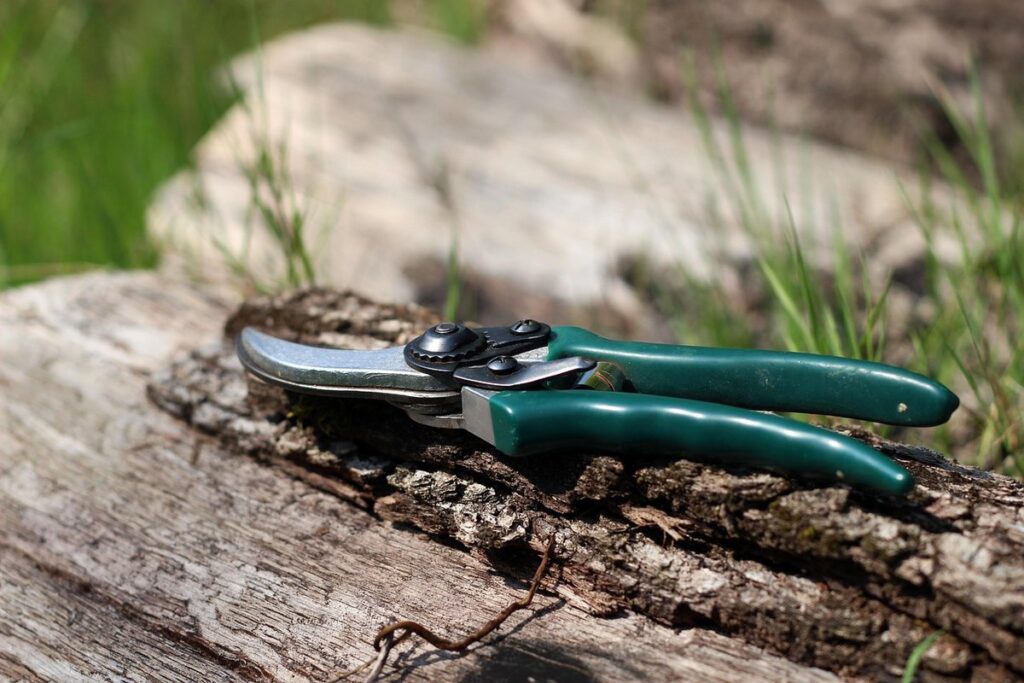
Pruning saws are also useful for cutting thicker sections, especially when you need more control over the cut. Choose a saw with fine teeth (around 10-12 per inch) that’s designed specifically for pruning woody plants. Hand pruners, on the other hand, are perfect for making precise cuts on smaller branches and can be used to trim back suckers or remove any remaining fruiting spurs.
When selecting pruning tools for your blackberry plants, consider factors like material (look for high-quality steel or stainless steel), ergonomics, and durability. A good set of loppers will last you for many years with proper care, so invest in a solid pair to get the job done efficiently.
Basic Pruning Techniques for Blackberry Canes
When pruning blackberry canes after fruiting, it’s essential to focus on making clean cuts and removing dead or diseased wood. Start by inspecting each cane carefully for any signs of damage or disease. Cut back any canes that are broken, damaged, or showing significant decline with a pair of clean, sharp pruning shears. This will help prevent the spread of disease and encourage healthy growth.
For dead or diseased canes, make a cut just above a bud eye (the small swelling from which new shoots emerge) using a 45-degree angle cut. This helps direct water away from the cut area, reducing the risk of infection. Remove any weak or spindly growths that may be competing with the main stems for resources.
Cutting back canes to the right length is also crucial for maintaining a healthy and productive plant. For established plants, aim to cut back about one-third to one-half of the canes each year, removing the oldest and most vigorous canes and leaving new ones to grow. This encourages new growth and helps maintain a balanced structure.
Steps to Follow for Post-Fruiting Prune of Blackberry Plants
Now that you’ve harvested your blackberries, it’s time to give your plants a little TLC to ensure they come back strong next year. Here are the essential steps to follow for post-fruiting pruning of your blackberry plants.
Removing Dead, Diseased, or Damaged Wood
When removing dead, diseased, or damaged wood from blackberry plants, it’s essential to take a methodical approach to ensure you’re not spreading disease and promoting healthy growth. Start by examining the canes for any signs of damage, such as cracks, splits, or discoloration. Use loppers or pruning shears to cut away affected areas, making clean cuts just above a bud eye (the small swelling on the stem from which new growth emerges).
It’s crucial to disinfect your tools between each cut to prevent the spread of disease. Soak your pruning shears in a solution of 1 part bleach to 9 parts water for at least 10 minutes before and after pruning. Alternatively, you can use a dedicated pruning tool sanitizer or rub the blades with a mixture of 1 tablespoon of unscented bleach per gallon of water.
Remember to remove all dead wood, as it can harbor pests and diseases that can affect the entire plant. This will also help promote air circulation and sunlight penetration, encouraging healthy growth and fruiting.
Reducing Canes and Promoting New Growth
When reducing canes on your blackberry plants after fruiting, it’s essential to cut them back to promote new growth. This process helps maintain a healthy balance between the older, fruit-bearing canes and the younger, more vigorous ones. Start by selecting the two or three most vigorous canes from each plant, and tie them to a stake using twine or wire.
Cut these chosen canes back to about 3-4 feet (90-120 cm) from the ground, making sure to leave at least one bud on each section. This will encourage lateral growth and stimulate the production of new canes for next year’s crop. Remove any weak or spindly growth, cutting them off at the base, as they will only take energy away from the plant.
By reducing the number of fruiting canes and promoting new growth, you’ll be able to enjoy a healthier and more productive blackberry patch in the years to come. Remember to also remove any dead or damaged canes, as these can harbor disease and pests that could affect your plants.
Tips for Maintaining Blackberry Plants After Pruning
Now that you’ve pruned your blackberry plants, it’s essential to provide them with the right care to promote healthy growth and maximize next year’s yield. Follow these simple tips to maintain your plants’ vigor.
Providing Adequate Watering and Fertilization
After pruning your blackberry plants, it’s essential to provide them with adequate watering and fertilization to promote healthy growth and maximize yield. Watering is particularly crucial during the first few weeks after pruning as the plants are more susceptible to drought stress. Make sure to check the soil moisture regularly by inserting a finger into the soil up to the knuckle, and water only when it feels dry.
Aim for about 1-2 inches of water per week, either from rain or irrigation. You can also use a drip irrigation system or soaker hose to deliver water directly to the roots, reducing evaporation and runoff. As for fertilization, choose a balanced fertilizer with an N-P-K ratio of 10-10-10 (nitrogen-phosphorus-potassium). Apply it according to the package instructions, usually in early spring when new growth begins.
Mulching around the plants is also beneficial as it retains moisture, suppresses weeds, and regulates soil temperature. Use a thin layer (about 2-3 inches) of organic mulch like wood chips or bark around the base of the plants, keeping it a few inches away from the crowns to prevent rot. This will help your blackberry plants recover quickly from pruning and produce more fruit in the next season.
Monitoring for Pests and Diseases
Monitoring for pests and diseases is crucial after pruning blackberry plants to ensure their health and productivity. Common pests that can affect blackberries include aphids, spider mites, and scale insects, which can be identified by sticky honeydew droplets on leaves or stems, yellowing of foliage, or actual sighting of the pest.
Diseases such as crown gall, bacterial leaf spot, and powdery mildew are also prevalent. Symptoms of these diseases include swollen or discolored crowns, small black spots on leaves, or a white, powdery coating on foliage. To control pests and diseases, inspect plants regularly for signs of infestation or infection.
Use neem oil or insecticidal soap to control aphids and other soft-bodied insects, while horticultural oil is effective against scale insects and spider mites. For fungal diseases, apply fungicides specifically labeled for use on blackberries, following the product’s instructions carefully. In severe cases, consider replacing infected canes to prevent further spread of disease. Keep a clean growing area by removing weeds, debris, and infected plant material to reduce the risk of pest and disease buildup.
Conclusion: Maximizing Your Blackberry Harvest with Proper Pruning
Now that you’ve learned how to prune your blackberries for maximum yield, let’s discuss the final steps to ensure a bountiful harvest year after year.
Recap of Key Takeaways
In conclusion, pruning blackberries after fruiting is a crucial step in maximizing yield and promoting overall health. To recap, we’ve discussed the importance of post-fruiting pruning to remove dead wood, encourage new growth, and prevent disease from entering the plant through open wounds.
Key takeaways include:
* Timing is everything: prune immediately after harvesting, while the plant is still in a dormant state.
* Choose the right tools: use sharp, clean loppers or pruning shears to make precise cuts without causing damage to the plant’s tissue.
* Remove 25-30% of canes each year to maintain air circulation and promote new growth.
Remember to remove any dead, diseased, or damaged canes, as well as weak growth. This will help direct the plant’s energy towards producing healthy, fruitful canes for next season. By incorporating these techniques into your pruning routine, you’ll be on your way to a bountiful blackberry harvest year after year.
Final Tips for Optimizing Blackberry Plant Health
As you continue to nurture your blackberry plants after pruning, it’s essential to prioritize ongoing maintenance and care to optimize their health. One crucial aspect is monitoring for pests and diseases. Regularly inspect your plants for signs of infestation or infection, such as holes in leaves or stems, yellowing foliage, or unusual growths.
To prevent issues from arising, maintain a clean growing environment by removing weeds that can harbor pests and diseases. Keep the area around your blackberry plants free from debris and fallen fruit, which can attract unwanted visitors.
Another vital practice is consistent watering and fertilization. Ensure your plants receive adequate moisture, especially during dry spells or periods of rapid growth. Apply a balanced fertilizer in early spring to promote healthy growth and fruit production.
Additionally, consider implementing integrated pest management (IPM) strategies, such as introducing beneficial insects or using organic pesticides. By staying vigilant and proactive with these ongoing maintenance tasks, you’ll be well on your way to enjoying a bountiful blackberry harvest for years to come.
Frequently Asked Questions
What are the benefits of pruning blackberries during the dormant season?
Pruning blackberries during the dormant season, typically from late winter to early spring, is beneficial because it minimizes sap flow and reduces the risk of disease transmission through pruning wounds. This period also allows for easier identification and removal of dead or damaged canes.
How often should I prune my blackberry plants after fruiting?
It’s recommended to prune your blackberry plants annually, either immediately after fruiting or during the dormant season. Regular pruning promotes healthy growth, encourages new canes, and helps prevent disease buildup. Aim for a balance between removing dead wood and allowing some canes to mature.
Can I use regular garden shears to prune my blackberry plants?
Regular garden shears may not be suitable for pruning blackberries due to the plant’s thick canes and woody stems. Invest in high-quality loppers or pruning saws specifically designed for cutting thicker branches, which will help prevent damage and ensure clean cuts.
What are some common mistakes to avoid when pruning blackberry plants?
Common mistakes include removing too much wood at once, neglecting to disinfect pruning tools, and not allowing enough time between prunings. To avoid these errors, take your time, use proper sanitation techniques, and space out your pruning sessions over several weeks or months.
How do I know when my blackberry plants are ready for their post-fruiting prune?
Monitor your plant’s growth and fruit production. Typically, blackberries are ready for a post-fruiting prune when the new canes have reached 6-8 inches in height and the old canes begin to decline. Keep an eye out for signs of disease or pest infestation, which may require earlier pruning intervention.