
Pruning is one of those gardening tasks that can be intimidating, especially if you’re new to gardening. You might wonder: do I really need to prune my plants? And how on earth do I even get started? Well, let me tell you – pruning is not only necessary for the health and appearance of your garden, but it’s also a great way to encourage growth and prevent problems.
In this article, we’ll cover the basics of pruning from scratch. We’ll start with the why: understanding when and how to prune different types of plants, including trees, shrubs, vines, and climbers. Then, we’ll dive into the how: choosing the right tools for the job and learning some basic techniques to get you started with confidence. By the end of this article, you’ll be well on your way to becoming a pruning pro!
Understanding Why Pruning is Necessary
So, you’re wondering why pruning is necessary for your plants? Let’s take a closer look at what pruning does and how it helps keep your garden healthy.
What Pruning Accomplishes
When you prune your plants, you’re not just tidying up their appearance – you’re also giving them a healthy boost. Pruning helps maintain plant health by removing diseased, damaged, or dead branches that can spread disease and attract pests. This prevents the spread of problems throughout the plant, keeping it strong and resilient.
Pruning also encourages growth by stimulating new cell production, which leads to healthier stems and leaves. Think of it like a haircut for your plants – when you trim away old growth, you’re making way for fresh, vigorous shoots to emerge.
Finally, pruning improves overall appearance by shaping the plant’s form, promoting fullness, and encouraging blooming. Regular pruning can also help control plant size, directing its energy toward producing more flowers or fruit. By incorporating pruning into your gardening routine, you’ll be amazed at how it transforms your plants’ health, growth, and visual appeal. Remember to prune at the right time for your specific plant species, and don’t be afraid to start small – every little bit counts!
When to Prune
As you start learning about pruning, it’s essential to understand when to prune different types of plants. The best time for pruning depends on various factors such as climate, season, and plant type.
In general, spring is an excellent time to prune most deciduous trees and shrubs, as the dormant period has ended, and new growth begins. Pruning in the spring helps to promote healthy growth, remove dead or diseased branches, and shape the plant. For example, pruning roses in late winter or early spring encourages new flower buds to form.
However, plants like conifers, evergreen shrubs, and trees should be pruned during their dormant season, typically from November to February, depending on your climate. Pruning during this time helps to maintain shape and promote healthy growth without causing stress to the plant.
In regions with mild winters, some plants can be pruned year-round. But for areas with harsh winters, it’s best to prune before new growth begins in the spring. Be sure to observe your specific climate and plant type to determine the best pruning schedule for your garden.
Tools and Equipment Needed for Pruning
To get started with pruning, you’ll need some essential tools and equipment that will help you tackle even the toughest branches. Here’s what to have in your toolkit.
Choosing the Right Hand Tools
When it comes to pruning, having the right hand tools can make all the difference. As a beginner, you may be unsure about which tools to choose and how to use them effectively.
Let’s start with loppers, which are ideal for cutting thicker branches up to 2-3 inches in diameter. They have long handles that provide leverage, making it easier to cut through wood without straining your back or hands. Look for high-quality loppers with sharp blades and comfortable grips.
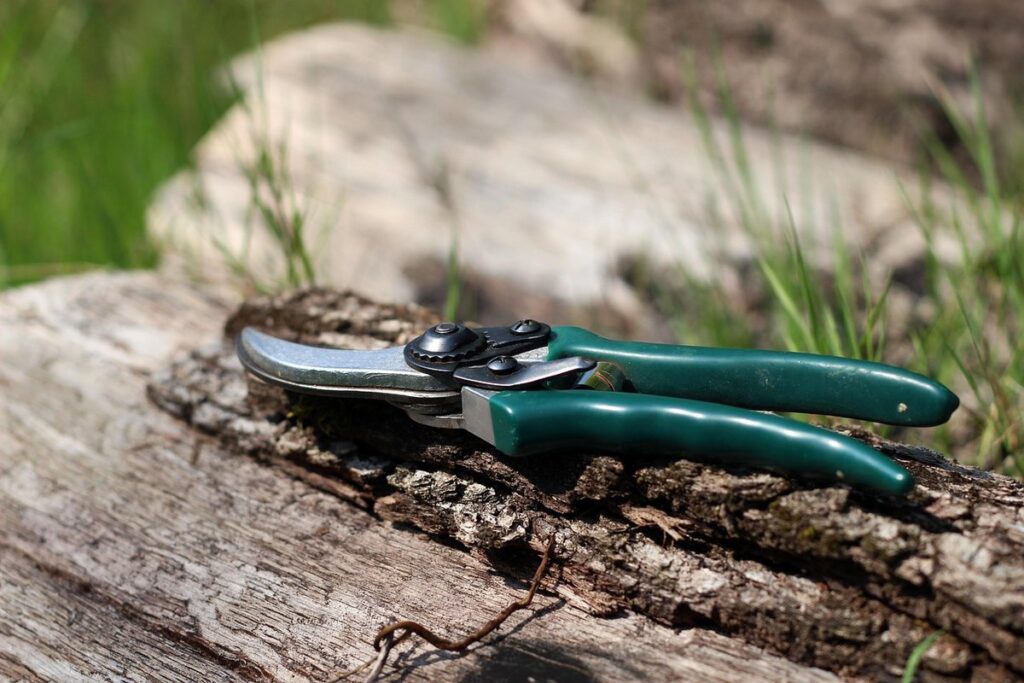
Pruners, on the other hand, are perfect for more precise cuts and are great for trimming smaller branches and foliage. Choose from manual or automatic pruners, depending on your preference and needs. Some pruning shears come with specialized features like curved blades for cutting thicker stems or bypass action for reduced effort.
Saws are also essential for pruning larger branches and trunks. Use a bow saw or pruning saw with fine teeth for clean cuts and minimal damage to the plant. Remember to always select tools that fit comfortably in your hands, have sharp blades, and meet your specific pruning needs. By investing in the right hand tools, you’ll be well on your way to becoming a confident pruner.
Safety Precautions
When using pruning equipment, safety should always be your top priority. Pruning can be a hazardous activity if you’re not careful, so it’s essential to take the necessary precautions to avoid accidents.
First and foremost, make sure you have proper eye protection when working with power tools or heavy branches. Wear safety goggles or glasses that meet ANSI standards for impact resistance, and keep them securely fastened at all times. You should also consider wearing gloves to protect your hands from cuts and abrasions.
Proper handling of pruning equipment is also crucial. Always follow the manufacturer’s instructions for using power tools, and make sure you’re familiar with their operation before starting a job. Keep long hair tied back, and avoid wearing loose clothing that could get caught in moving parts. If you need to use ladders or step stools, ensure they’re stable and on firm ground.
In case of an accident, be prepared with basic first aid supplies, such as bandages, antiseptic wipes, and pain relievers. Know how to treat common pruning injuries like cuts, scrapes, and puncture wounds.
Basic Pruning Techniques
Let’s dive into some essential pruning techniques that will help you shape and maintain your plants, starting with removing dead or diseased branches.
Making Clean Cuts
When making clean cuts on plants, it’s essential to cut just above a node or bud. This technique allows for proper healing and encourages healthy growth. To do this correctly, locate the node or bud on the stem where you want to make the cut. The node is usually visible as a slight swelling on the stem.
Cutting at an angle rather than straight across will also aid in water runoff and help prevent moisture from collecting on the cut area. Use sharp pruning tools to minimize damage to the plant and reduce the risk of disease or pest infestation. Cut through the stem in one smooth motion, making sure not to crush the node or bud beneath it.
For example, when pruning a flowering branch, make a clean cut above a bud eye to encourage new growth and blooming. This will also help the plant direct its energy towards producing more flowers rather than focusing on healing the wound.
When cutting multiple stems at once, use clippers or loppers to minimize damage and make quick work of the task. Remember to always disinfect your tools between cuts to prevent spreading disease from one plant to another.
Reducing Branch Length
When reducing branch length, it’s essential to strike a balance between maintaining the plant’s natural shape and preventing water loss and disease. One technique is to remove only what’s necessary, cutting branches at a 45-degree angle just above a growth node. This encourages new growth from that point while minimizing the risk of sunscald or dieback.
Another approach is to make clean cuts using sharp, sterile pruning tools. This helps prevent bacteria and fungal spores from entering the plant through open wounds. It’s also crucial to remove any dead or diseased wood in the surrounding area, as this can create an entry point for pathogens.
Consider the branch’s role in the plant’s overall structure when making your cuts. Remove weak or crossing branches that are competing for resources and may be more susceptible to disease. For example, if you’re pruning a young tree, removing some of its lower branches can help promote air circulation, reducing the risk of fungal diseases like root rot.
By adopting these strategies, you’ll not only achieve a balanced plant shape but also minimize potential health risks.
Common Pruning Mistakes to Avoid
When it comes to pruning, even experienced gardeners can fall into common mistakes that can harm your plants. We’ll cover these errors and how to avoid them in this crucial section of our guide.
Over-Pruning
Over-pruning is one of the most common mistakes beginners make when it comes to pruning. It can cause irreparable damage to plants and hinder their growth. When you remove too much foliage at once, the plant has to work harder to produce new leaves and stems, which can lead to stress and weaken its defenses.
Not only does over-pruning affect a plant’s overall health, but it also makes it more susceptible to pests and diseases. Think of it like cutting off your own immune system – your body would struggle to fight off infections and recover from illnesses. Similarly, an over-pruned plant is more vulnerable to attacks from unwanted insects or fungi.
To avoid this mistake, focus on removing only the necessary branches and twigs that are dead, diseased, or damaged. Remove about one-third of the plant’s foliage at a time, giving it enough room to recover before pruning again. This will also help you identify which areas need more attention in subsequent pruning sessions. By being gentle with your plants, you’ll encourage healthy growth and promote their overall well-being.
Under-Pruning
Under-pruning is another common mistake that beginners often make when pruning their plants. This involves not removing enough of the plant’s growth to maintain its desired shape, size, or health. As a result, under-pruned plants can look unkempt and overgrown, which can be aesthetically unpleasing.
In addition to affecting the appearance of your plants, under-pruning also increases their risk of disease. When too much foliage is left on a plant, it creates an ideal environment for fungal diseases to spread. This is because excess leaves provide a moist, humid atmosphere that encourages the growth of fungi. For instance, if you don’t remove dead or diseased branches from your rose bushes, they may become susceptible to black spot, a common fungal disease.
To avoid under-pruning, it’s essential to evaluate each plant individually and determine what areas need pruning. Consider factors such as the plant’s natural growth habits, its intended size, and any signs of disease or damage. By taking the time to carefully assess your plants’ needs, you can ensure that you’re removing just the right amount of foliage to keep them healthy and looking their best.
Advanced Pruning Techniques for Different Plant Types
Now that you’ve mastered basic pruning, let’s dive into more specialized techniques for specific plant types and their unique needs. This includes shrubs, trees, and perennials, each requiring a tailored approach.
Pruning Trees and Shrubs
When it comes to pruning trees and shrubs, there’s more to consider than just cutting off dead branches. These plants require regular maintenance to stay healthy, thrive, and look their best. Shaping trees and shrubs involves techniques like reduction pruning, which helps control size and promote a balanced structure. This method is particularly useful for younger plants or those that have been neglected.
Thinning is another crucial technique that encourages air circulation, sunlight penetration, and water absorption by selectively removing select branches. Regular thinning also reduces the risk of disease and pest infestations. For rejuvenation, consider using a ‘cut-out’ pruning approach where you remove dead, diseased or damaged wood while maintaining a framework for growth.
As a beginner, remember that pruning frequency will vary depending on factors like plant species, climate, soil quality, and available light. Trees typically require less frequent pruning than shrubs, which can be pruned 2-3 times per year. Before you start, inspect your plants carefully to assess their needs. Be cautious not to over-prune, as this can cause stress, reduce yields, or even kill the plant.
Pruning Vines and Climbers
When it comes to pruning vines and climbers, you need to approach them differently than other plant types. Their unique growth habits and requirements demand specialized techniques to maintain their health and promote desired growth.
For example, Clematis and Wisteria are two popular climbing plants that require regular pruning to control their vigorous growth and encourage blooming. To prune these vines, cut back the stems after they’ve finished blooming to about 1-2 inches from the base of the plant. This will help remove dead or damaged wood and promote new growth.
Another key consideration when pruning vines is to identify the main structure of the plant. Look for the older, thicker stems that provide support for the newer growth. These should be pruned back to about one-third to encourage branching and maintain a healthy shape. Remove any weak or spindly growth to prevent the plant from becoming leggy.
Pruning at the right time is also crucial. For most vines, spring and summer are the best times for pruning, as this allows the plant to recover and focus its energy on producing new growth.
Conclusion: Putting Pruning Basics into Practice
Now that you’ve learned the fundamentals of pruning, it’s time to put your new skills to work and start transforming your garden into a thriving oasis. Let’s review key takeaways from this guide.
Recap of Key Points
In reviewing the pruning basics we’ve covered, it’s essential to remember that proper pruning is not just about cutting branches, but also about understanding plant growth habits and making informed decisions about what to keep and what to remove. This includes identifying the right tools for the job, learning how to make clean cuts, and timing your pruning sessions correctly.
When selecting which plants to prune, focus on those with overgrown or damaged limbs, as well as any that are competing for space. Don’t forget to prioritize the removal of dead, diseased, or dying branches, which can serve as an entry point for pests and diseases. Additionally, be mindful of plant shape and structure, cutting back stems to maintain a balanced appearance.
To recap, our key takeaways include understanding different pruning techniques (such as thinning, shaping, and reducing), knowing when to prune (before new growth begins or after the growing season ends), and learning how to make proper cuts. By putting these concepts into practice, you’ll be well on your way to mastering the art of pruning.
Final Tips for Beginners
As you’ve made it through this comprehensive guide to pruning basics, it’s time to apply what you’ve learned. Remember that pruning is a skill that takes time and practice to develop. Don’t be discouraged if your first attempts don’t yield the desired results – with patience and persistence, you’ll get the hang of it.
To continue improving your pruning skills, make it a habit to observe and learn from the plants around you. Study how different species grow and respond to pruning. Take note of what works well for you and what doesn’t. You can also seek guidance from more experienced gardeners or online resources.
As you gain confidence in your abilities, don’t be afraid to experiment with new techniques and approaches. Try out different pruning tools, methods, and timing to find what suits your garden best. And most importantly, stay curious – there’s always room for growth and learning when it comes to pruning and gardening.
Frequently Asked Questions
What happens if I prune my plant too aggressively?
Pruning your plant too aggressively can cause shock, leading to a decline in growth or even death of the plant. To avoid this, it’s essential to prune wisely and make clean cuts just above a node (where a leaf meets the stem). Prune no more than one-third of the plant at a time to maintain its health.
Can I prune plants during their active growing season?
Yes, you can prune plants during their active growing season. In fact, pruning during this time encourages new growth and promotes healthy development. However, be cautious not to over-prune, as this can cause stress on the plant. Prune just enough to maintain shape and promote growth.
How often should I water my plant after pruning?
After pruning your plant, it’s essential to provide adequate moisture to help it recover from any potential stress caused by cutting. Water your plant thoroughly after pruning, making sure the soil is consistently moist but not waterlogged. This will aid in healing the wounds and promote new growth.
Can I use regular household scissors for pruning?
No, using regular household scissors for pruning can lead to crushed or torn branches, which can be detrimental to the plant’s health. Instead, invest in a pair of sharp, clean hand pruners specifically designed for gardening. These tools will help you make precise cuts and minimize damage to your plants.
How do I store my pruning tools between uses?
To maintain cleanliness and prevent disease transmission, store your pruning tools in a dry, well-ventilated area away from other garden equipment. Clean the tools with soap and water after each use, and sharpen them regularly to ensure optimal performance.