
Pruning your apple tree is a crucial task that can make all the difference in its health, productivity, and overall appearance. With the right techniques and tools, you can promote healthy growth, encourage optimal fruit production, and even extend the life of your tree. But where do you start? Pruning an apple tree can seem intimidating, especially if you’re new to gardening or haven’t done it before. That’s why we’ve put together a comprehensive guide on how to prune your apple tree step by step.
In this article, we’ll walk you through the essential tools and equipment you need to get started, from pruning saws and loppers to gloves and protective gear. We’ll also cover the techniques and strategies for pruning different types of apple trees, including young and mature varieties. Plus, we’ll provide tips on post-pruning care to ensure your tree stays healthy and continues to thrive throughout the growing season.
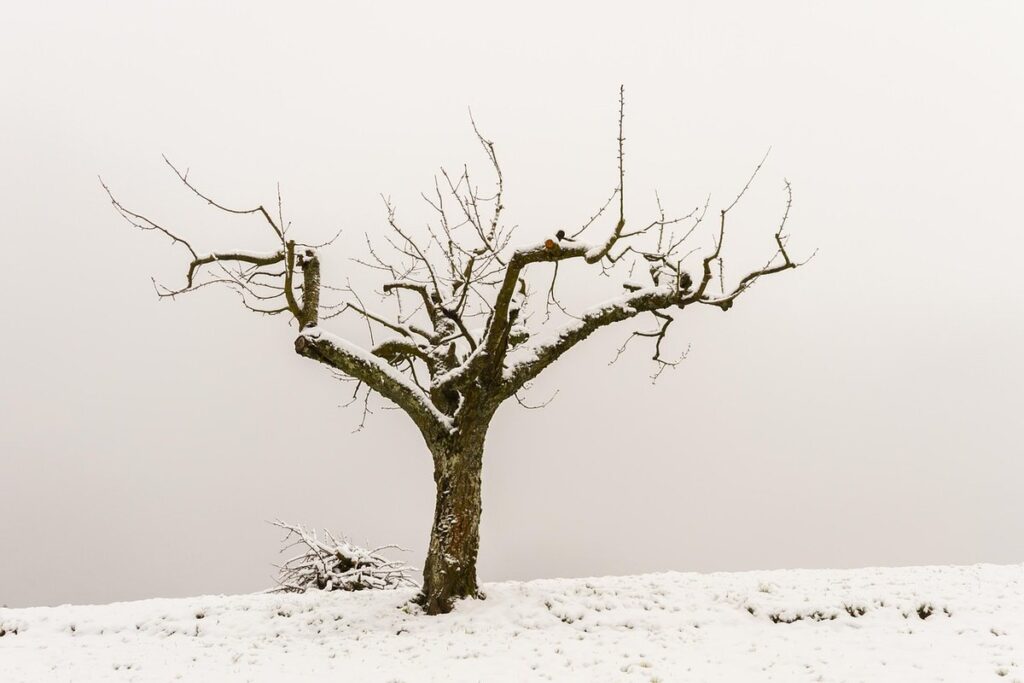
Understanding Your Apple Tree’s Needs
Before you start pruning, it’s essential to understand your apple tree’s specific needs and characteristics, which can vary greatly depending on factors like climate and soil type. This will help you make informed decisions about pruning techniques.
Assessing Tree Health and Structure
When assessing your apple tree’s health and structure, it’s essential to evaluate its overall condition before deciding on pruning strategy. Start by inspecting the tree from top to bottom, looking for signs of disease, pests, or damage.
Check for cracks, splits, or breaks in branches, as well as any dead or diseased wood that may need to be removed. Also, examine the trunk and main scaffolding branches for any signs of fungal infections, canker, or bacterial spot diseases. Be on the lookout for pest infestations like aphids, codling moths, or spider mites.
When assessing your tree’s structure, consider its overall shape and balance. Check if it has a central leader or a more open, vase-shaped form. Consider pruning any weak or crossing branches that may be rubbing against each other or the trunk. Make note of any areas where water may collect, potentially leading to root rot or fungal diseases.
By evaluating your tree’s health and structure, you can develop a comprehensive pruning plan that addresses specific needs while promoting overall tree health and productivity.
Identifying Pruning Objectives
Before you start pruning your apple tree, it’s essential to identify what you want to achieve. Pruning is not just about cutting branches; it’s a deliberate process aimed at promoting specific goals for your tree’s health and productivity.
You can use pruning as a tool to encourage fruiting, for instance, by removing competing branches or thinning out the center of the tree to allow more sunlight to reach developing fruits. Alternatively, you might be looking to maintain the shape of your tree, in which case you’ll focus on removing weak or crossing branches that could compromise its structure.
Another crucial objective is to remove diseased wood – any branch showing signs of fungal infections, insect infestations, or other health issues must be pruned immediately. Regularly inspecting and addressing these issues will help prevent the spread of disease and maintain your tree’s overall well-being.
It’s also worth noting that pruning can have various impacts on fruit quality and yield. For example, removing some branches might reduce yields in the short term but lead to healthier, more bountiful harvests down the line. By considering these factors, you’ll be able to make informed decisions about your pruning strategy and achieve a balanced approach to maintaining your apple tree’s optimal health and productivity.
Choosing the Right Tools for Pruning
To prune apple trees effectively, you’ll need a few essential tools, which we’ll cover in detail below to ensure you’re properly equipped. Let’s explore the right pruning tools together!
Selecting Hand Pruners and Loppers
When it comes to pruning apple trees, having the right hand pruners and loppers is essential for making clean cuts and reducing fatigue. There are several types of hand pruners and loppers available, each designed for specific tasks and tree sizes.
For small branches and stems (up to 1 inch in diameter), use sharp, high-carbon steel hand pruners with ergonomic grips. Look for pruners with a comfortable handle size and shape that fits your hand. A good pair of hand pruners should also have a non-stick coating or rust-resistant finish.
For thicker branches (up to 3 inches in diameter), consider using long-handled loppers with high-carbon steel blades. Loppers come in various lengths, so choose one that allows you to reach the branch comfortably without straining your back. Some loppers also feature curved or angled blades for cutting thicker stems.
When selecting hand pruners and loppers, consider the size of your apple tree and your personal comfort level. If you have a large tree or prefer to prune from a distance, invest in longer-handled loppers. For smaller trees or more precise cuts, opt for high-quality hand pruners. Always choose tools with durable construction, sharp blades, and comfortable grips to make pruning easier and less straining on your hands and wrists.
Using Power Equipment Safely
When it comes to pruning apple trees with power equipment, safety should always be your top priority. Chain saws and pole saws can be incredibly useful for reaching high branches and tackling thicker limbs, but they also come with a higher risk of injury if not used correctly.
Before you start using any power equipment, make sure you’ve read the manual and understand how it works. Wear protective gear such as safety glasses, gloves, and earplugs to safeguard your eyes, hands, and ears. Also, ensure that the equipment is in good working condition and properly maintained before each use.
When pruning with a chain saw or pole saw, maintain a steady posture and keep your feet shoulder-width apart for balance. Keep loose clothing tied back and avoid overreaching, as this can cause you to lose control of the tool. Always cut away from your body and make sure the blade is at a 45-degree angle to prevent kickback.
Pruning with power equipment requires focus and attention to detail. Take regular breaks to rest your hands and eyes, and stay hydrated throughout the process.
Pre-Pruning Checklist
Before you start pruning, take a moment to review our pre-pruning checklist to ensure you’re prepared for the task at hand and your tree receives the best care possible. This crucial step can’t be overlooked!
Inspecting the Tree for Hazards
Before you begin pruning, it’s essential to inspect the tree for any hazards that may require special attention. Look for dead branches, weak spots, and signs of disease or pest infestation. Dead branches can be identified by their grayish color, brittleness, and lack of leaves. Weak spots often appear as knots or crotches where branches meet the trunk.
As you inspect the tree, check for any signs of damage from weather events such as lightning strikes or windstorms. Also, look for branches that are rubbing against each other or are in conflict with nearby structures like buildings or power lines. Take note of any areas where water may collect, creating an ideal environment for disease to develop.
Make a list of the hazards you’ve identified and prioritize them based on their severity and potential impact on the tree’s health. This will help guide your pruning decisions and ensure that you’re addressing the most critical issues first.
Removing Protective Gear
When you’re done pruning, it’s essential to remove your protective gear carefully to avoid injury and maintain cleanliness. First, take off your gloves, being mindful of the thorns that may be stuck to them. Gently wipe them clean with a soft cloth or brush off any debris.
Next, remove your safety glasses, making sure they’re free from any branches or leaves that might have gotten caught in the frames. Rinse them thoroughly with water and dry with a soft cloth to prevent scratches.
Finally, carefully take off your hard hat, ensuring it’s not tangled with any twigs or leaves. Store all protective gear safely to prevent damage and maintain its effectiveness for future pruning sessions.
Remember to clean and store your tools separately to avoid cross-contamination of dirt and debris. This will help you keep your equipment in good condition and make the next pruning session more efficient. By following these steps, you’ll be able to remove your protective gear safely and maintain a clean workspace.
Pruning Techniques for Different Situations
When it comes to pruning apple trees, knowing the right techniques for different situations is crucial. Let’s explore how to prune your tree for optimal growth and fruit production.
Removing Dead, Diseased, or Damaged Wood
When pruning an apple tree, it’s essential to identify and remove dead, diseased, or damaged wood. This not only improves the overall health of the tree but also enhances its fruit production. To do this effectively, start by visually inspecting the branches for signs of decay, such as cracks, splits, or soft spots.
Check for canker, a fungal infection that causes sunken areas on the bark and can be discolored. Look for black knot, a symptom of a fungal disease that appears as a raised, blackened area on the branch. Inspect the tree’s canopy for any signs of pests like aphids, scale, or borers.
To remove dead, diseased, or damaged wood, use pruning tools with sharp blades to prevent spreading diseases and promote healthy healing. Cut just beyond the affected area, making a clean cut at a 45-degree angle. This allows water to run off and helps the tree heal quickly. For more extensive removals, consider disinfecting your tools between cuts to minimize the risk of disease spread.
When pruning diseased wood, be sure to dispose of it immediately to prevent the disease from spreading to other parts of the tree or nearby plants.
Reducing Branches and Scaffolding
When pruning apple trees, reducing branches and scaffolding is a crucial step to promote air circulation, sunlight penetration, and overall tree health. This process involves carefully removing selected branches from the lower parts of the tree, usually within 3-4 feet of the ground.
To determine which branches to remove, look for those that are rubbing against each other or growing inwards, towards the center of the tree. These branches can create a dense canopy that blocks sunlight and encourages disease growth. Start by identifying the most problematic branches and use loppers or pruning saws to cut them back to about 1/4 inch from a lateral bud or a fork.
By reducing scaffolding, you’ll allow more sunlight to reach fruiting branches, promoting healthy fruit production and preventing disease. Be sure to make clean cuts, just above a bud or a branch collar, to minimize the risk of decay and encourage new growth. This will help your apple tree become stronger and healthier over time.
Pruning for Fruit Production and Shape
When pruning apple trees, balancing fruit production and maintaining a healthy shape is crucial. We’ll now walk you through specific techniques to achieve both goals in your tree.
Thin Out Fruiting Wood
When pruning apple trees, thinning out fruiting wood is an essential step to improve fruit quality and increase yields. This process involves selectively removing certain branches that are bearing fruit, allowing the tree to concentrate its energy on the remaining, more vigorous growth.
Thinning out fruiting wood helps reduce competition among fruits for nutrients, light, and water. By eliminating weaker branches, you enable the remaining ones to receive more sunlight and air circulation, resulting in better color development, flavor, and texture of your apples. Additionally, thinning out fruiting wood promotes even ripening, reducing the likelihood of over-ripened or under-ripened fruit.
To do this effectively, focus on removing 20-30% of the fruiting branches from each section of the tree, leaving around 10-12 inches between remaining fruits. This will help promote healthy growth and encourage the tree to produce more fruit in future seasons. Remember to make clean cuts just above a bud eye or lateral branch, using sharp, sanitized pruning tools to prevent disease spread.
Maintaining Tree Shape and Size
As you prune your apple tree to promote healthy growth and maximize fruit production, it’s essential to maintain its desired shape and size. This involves pruning not just for the removal of diseased or damaged branches but also for shaping the overall structure of the tree.
To achieve this, consider the following factors: tree age, variety, and intended purpose (e.g., standard, dwarf, or espalier). For young trees, focus on developing a strong central leader and an open, balanced branch system. As the tree matures, selectively remove interior branches to maintain air circulation and promote fruiting wood growth.
When pruning for shape, think in thirds: one-third of the tree’s height should be dedicated to the trunk, one-third to the lower branches, and one-third to the upper canopy. Regularly prune back any overly vigorous shoots or water sprouts to direct energy toward fruit production. By balancing pruning with regular maintenance, you’ll create a sturdy, well-proportioned apple tree that thrives for years to come.
Post-Pruning Care and Maintenance
Now that you’ve pruned your apple tree, it’s essential to provide proper care and maintenance to ensure its continued health and productivity for years to come. This involves regular watering, fertilization, and pest management.
Watering and Mulching the Tree
Proper post-pruning care is essential to ensure your apple tree recovers quickly and remains healthy. After pruning, your tree may experience stress due to the removal of branches, which can lead to moisture loss and increased risk of disease. To mitigate this, it’s crucial to provide adequate water and protection.
Watering the tree immediately after pruning is vital to replenish lost moisture. Water thoroughly until the soil feels damp but not waterlogged. Check the weather forecast to avoid overwatering during rainy periods. A general rule of thumb is to provide about 1-2 gallons of water per inch of trunk diameter for the first week after pruning.
Mulching around the tree’s base also plays a significant role in maintaining its health. Organic mulch such as wood chips, bark, or straw helps retain moisture, suppress weeds, and regulate soil temperature. Apply a 3-4 inch layer of mulch around the tree, keeping it at least 6 inches away from the trunk to prevent rot. As new growth emerges, gently rake the mulch back to allow for air circulation and sunlight penetration. Regularly replenish the mulch layer as needed to maintain its effectiveness.
Monitoring for Pests or Diseases
After pruning your apple tree, it’s essential to monitor for signs of pests or diseases that may have been triggered by the pruning process. This is a critical step in maintaining the health and productivity of your tree.
When inspecting your tree, look out for obvious signs such as holes in leaves or branches, yellowing or browning foliage, or actual pest sightings like aphids, spider mites, or codling moths. Check the trunk, branches, and roots for any visible disease symptoms, such as cankers, black spots, or powdery mildew.
To monitor effectively, inspect your tree at least once a week during the growing season, examining both upper and lower surfaces of leaves and stems. Keep an eye out for early warning signs like curled or distorted leaves, which can indicate insect infestations. If you notice any issues, take action promptly – often, early intervention can prevent minor problems from escalating into major ones.
Regular monitoring also helps identify potential vulnerabilities in your tree’s defense systems, enabling targeted interventions to prevent future pest and disease issues.
Frequently Asked Questions
What if I’m unsure about my apple tree’s specific needs due to its unique climate or soil conditions?
Consider consulting with a local nursery professional, extension service expert, or certified arborist who can provide guidance tailored to your area and tree’s specific requirements. They can help you understand how climate and soil factors impact pruning strategies.
Can I prune my apple tree in the middle of the growing season, or should I wait for it to go dormant?
It’s generally recommended to prune your apple tree during its dormancy period (winter or early spring) when it’s less stressed. However, if you notice any signs of disease, pests, or damaged branches, pruning may be necessary during the active growing season. Make sure to disinfect your tools between cuts and take extra precautions to prevent spreading diseases.
How can I handle over-pruning my apple tree by mistake?
If you’ve accidentally removed too much wood, focus on providing support for any remaining limbs using stakes or trellises. Be cautious not to further stress the tree, and consider consulting with an expert if the situation worsens. To avoid this issue in the future, always prune strategically, following a well-defined plan.
Can I use pruning techniques from other types of trees when working with apple trees?
While some principles may be transferable, apple trees have unique characteristics that require specialized pruning methods to ensure optimal growth and fruit production. Focus on developing skills specific to your tree type and consult reliable resources for guidance. This will help you avoid potential pitfalls and achieve the best results.
What are common signs of an over-pruned or under-pruned apple tree, and how can I identify them?
Keep a close eye on your tree’s responses after pruning, such as changes in growth patterns, leaf health, and fruit production. Signs of over-pruning may include weakened branches, reduced yields, or increased susceptibility to disease. Conversely, under-pruning might lead to excessive growth, decreased air circulation, or an unbalanced canopy structure. Regularly inspect your tree for these signs to make informed decisions about future pruning strategies.